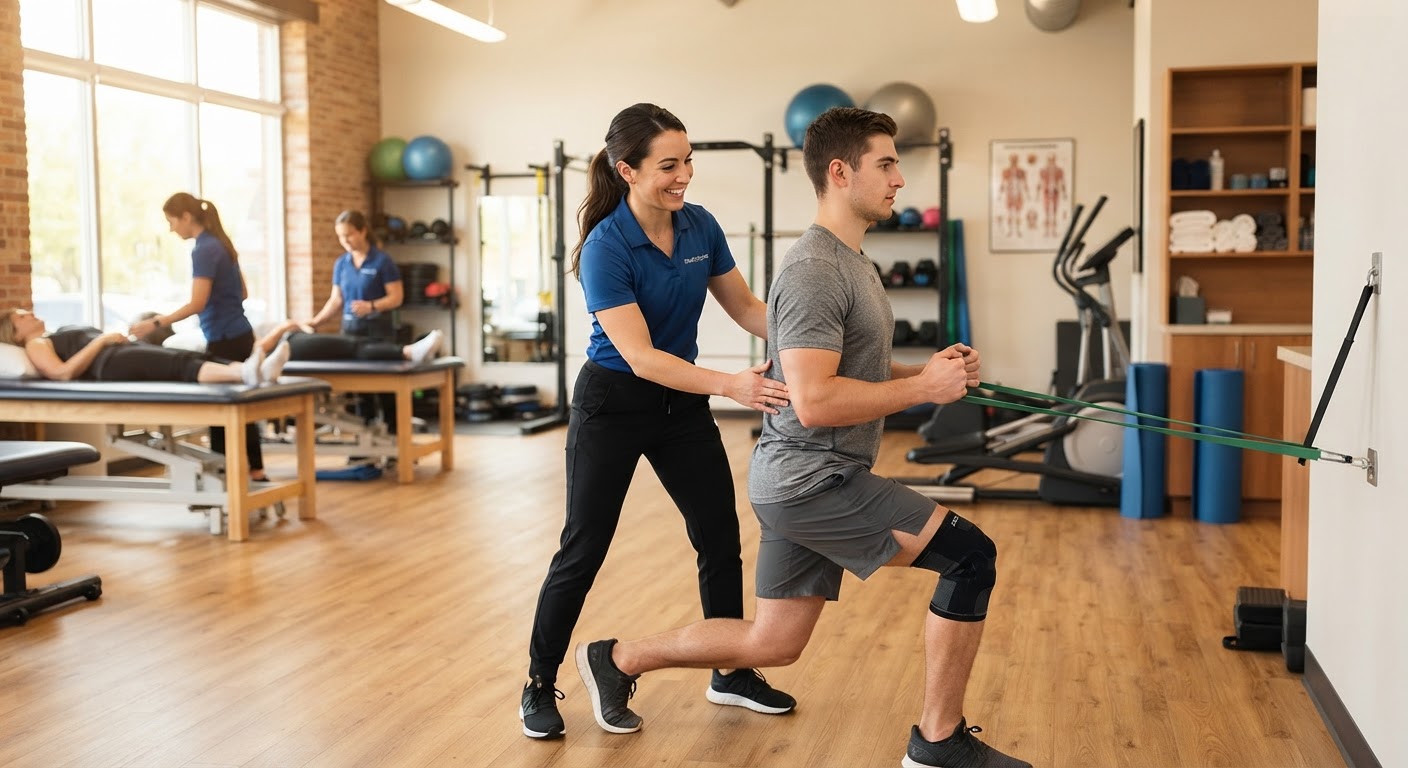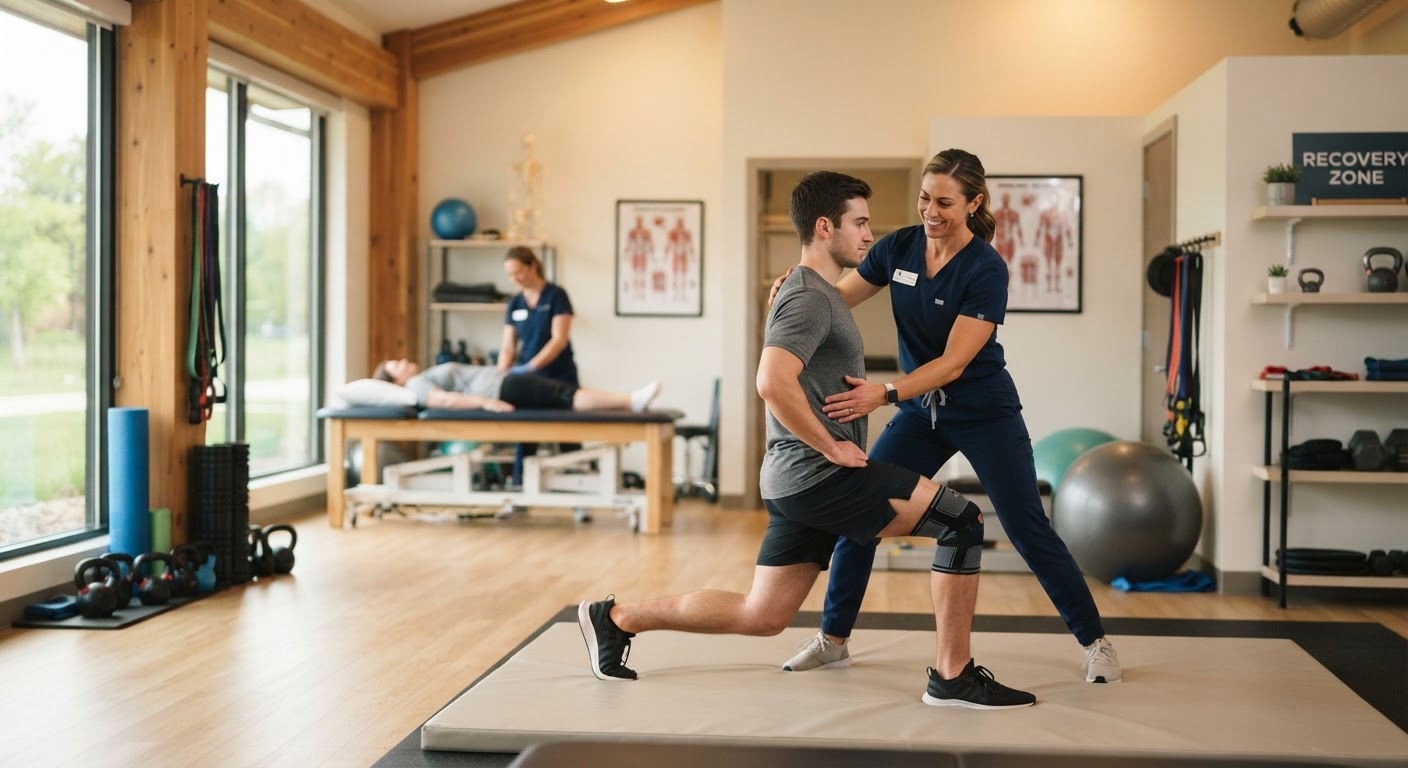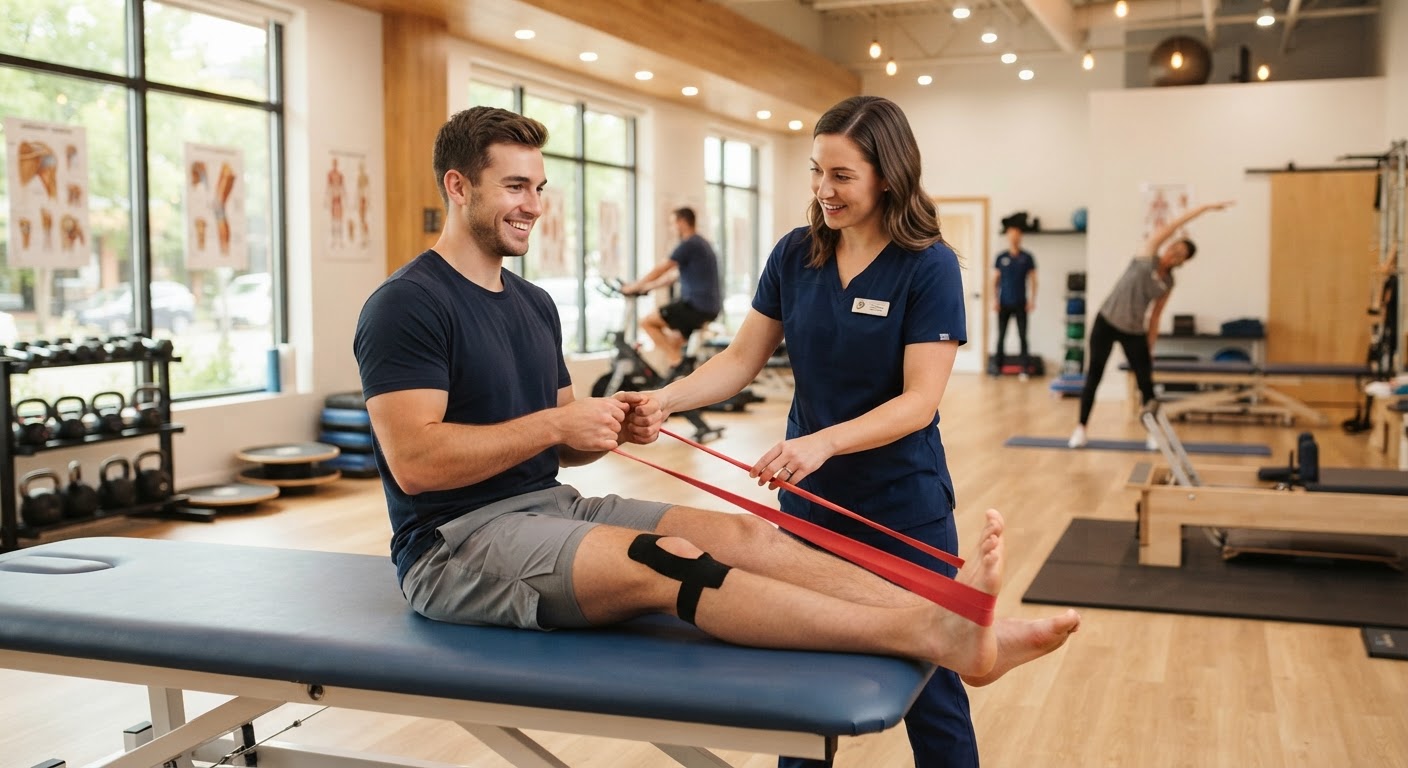
A sports injury can interrupt your routine, affect your confidence, and make even everyday movements uncomfortable. Whether you hurt your shoulder during a game, strained a muscle while running, or developed pain after increasing your training, a thoughtful rehabilitation plan can help you work toward moving comfortably and returning to activity safely.
At Physical Therapy NOW™ in Coral Springs, FL, sports injury rehabilitation starts with understanding your needs, your goals, and how the injury affects your daily life. Knowing what to expect can make it easier to take an active role in your recovery.
Your First Physical Therapy Visit
Your first appointment is an opportunity to talk through what happened and what you want to get back to doing. Your physical therapist may ask when the pain began, which movements aggravate it, what activities you have paused, and whether you have had similar symptoms before. Sharing details about your sport, work, and exercise routine helps your therapist understand the demands you hope to return to.
The therapist will also assess how you move. Depending on your symptoms, this may include checking mobility, strength, balance, coordination, and movement patterns. Your therapist may ask you to perform simple tasks such as walking, reaching, or squatting. The assessment is adapted to your situation, and you should speak up if a movement causes significant discomfort.
After the evaluation, your therapist will discuss the findings and outline possible next steps. You can ask questions about your goals, the recommended plan, and how to adjust your activities between appointments. A plan should reflect your individual needs rather than follow a one-size-fits-all timeline.
Building A Personalized Rehabilitation Plan
Sports injury rehabilitation often combines several approaches. Your physical therapist may use guided exercises to improve strength, flexibility, balance, or control. Hands-on techniques may also be considered when appropriate. The plan can change as your symptoms and abilities change, with exercises adjusted to keep them relevant and manageable.
Early in rehabilitation, the focus may be on easing irritation and restoring comfortable movement. As you progress, your program may include more challenging strengthening and coordination activities. Later stages can introduce sport-specific movements, such as changing direction, throwing, jumping, or accelerating, depending on your activity and injury.
Progress is not always perfectly linear. Some days may feel easier than others, and a temporary increase in soreness can happen as your activity changes. Tell your therapist how you feel during and after exercises so the plan can be adjusted. Do not push through sharp, worsening, or unusual pain without guidance.
Practical Tips Between Appointments
Consistency matters. Follow the home exercise instructions your therapist gives you, and ask for a demonstration if you are unsure how to perform an exercise. Doing fewer movements with good technique is generally more useful than rushing through a routine or adding exercises on your own.
Keep a simple activity and symptom log. Note what you did, how your body felt during the activity, and whether symptoms changed later that day or the following morning. This information can help you and your therapist identify patterns and make informed adjustments.
Avoid treating complete rest or immediate return to full training as the only options. Your therapist can help you identify activities that may be appropriate while you recover and those that should be modified or paused. For example, you may be able to maintain some conditioning with a lower-impact activity, if it is comfortable and approved for your situation.
Give recovery time a place in your schedule. Sleep, regular meals, hydration, and planned rest days support your ability to participate in rehabilitation. If you use ice, heat, or other comfort measures, follow guidance from your healthcare provider and stop if they make your symptoms worse.
Returning To Sport Safely
Feeling less pain is encouraging, but it is only one part of readiness to return to sport. You may also need to rebuild strength, endurance, balance, confidence, and the ability to perform sport-specific movements. Your physical therapist can help you progress from basic tasks to more demanding drills in a controlled way.
A gradual return often starts with a manageable level of activity and increases according to how your body responds. Work with your therapist and, when appropriate, your coach or medical provider to make a clear progression. Avoid suddenly doubling your training time or intensity after a break. If symptoms return or worsen, pause and discuss the change with your care team rather than trying to train through it.
There is no single schedule that fits every injury or athlete. Your age, health, sport, symptoms, and response to rehabilitation all influence the pace. Your therapist can help you set practical milestones and decide when to advance, modify, or repeat a stage.
When To Seek Guidance
Consider an evaluation if pain is limiting your usual activities, keeps returning when you train, or makes it difficult to move with confidence. Seek prompt medical attention for a serious injury, inability to bear weight, significant swelling, visible deformity, numbness, or rapidly worsening symptoms. If you are unsure whether physical therapy is appropriate, contact a healthcare professional for guidance.
Move Forward With A Plan
Rehabilitation is an active process, and small, steady steps can help you build toward your goals. Physical Therapy NOW™ offers individualized physical therapy support for people working through sports injuries in Coral Springs. If you are dealing with pain or planning a return to activity, visit or call the Coral Springs location to ask about an appointment and take the next step toward pain relief and a confident return to movement.
Ready to start feeling better?
Physical Therapy NOW™ has 40+ Florida locations with same-week appointments. Most insurance, auto accident (PIP), workers' compensation and Medicare accepted.