Sports Injury Rehabilitation: What to Expect
An injury can interrupt the sport, exercise routine, or active lifestyle you enjoy. Whether you are dealing with a sprain, muscle strain, joint pain, or another sports-related problem, it can be hard to know when to rest and when to start moving again. Sports injury rehabilitation provides a structured way to address symptoms, rebuild movement and strength, and work toward a safe return to activity.
At Physical Therapy NOW™, physical therapy starts with understanding your goals and how the injury affects your daily life. Knowing what to expect can make the process feel more manageable and help you take an active role in your recovery.
What Sports Injury Rehabilitation Involves
Rehabilitation is a personalized process, not a one-size-fits-all set of exercises. Your plan may focus on easing pain, improving mobility, restoring strength, building balance, or practicing movements needed for your sport. The right priorities depend on your symptoms, your health history, your activity level, and how you are progressing.
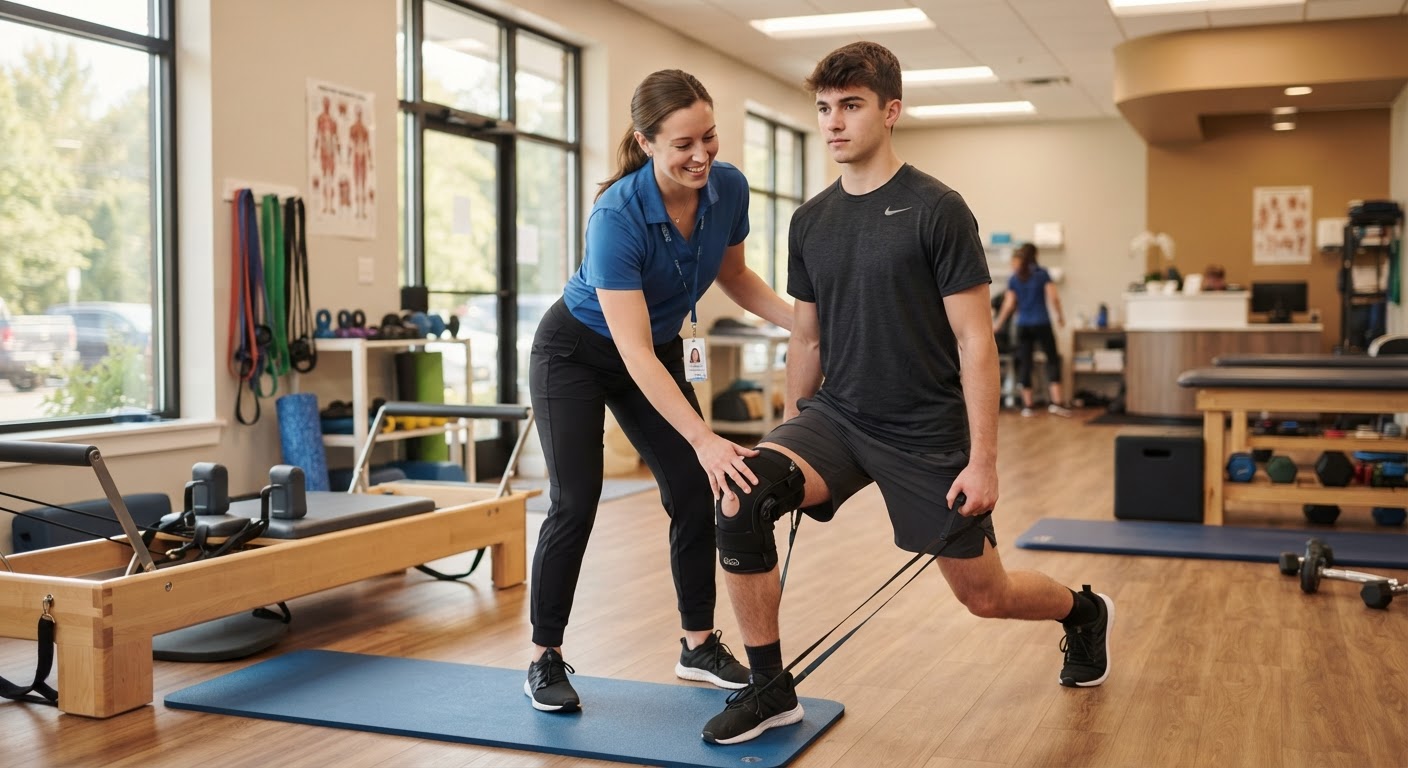
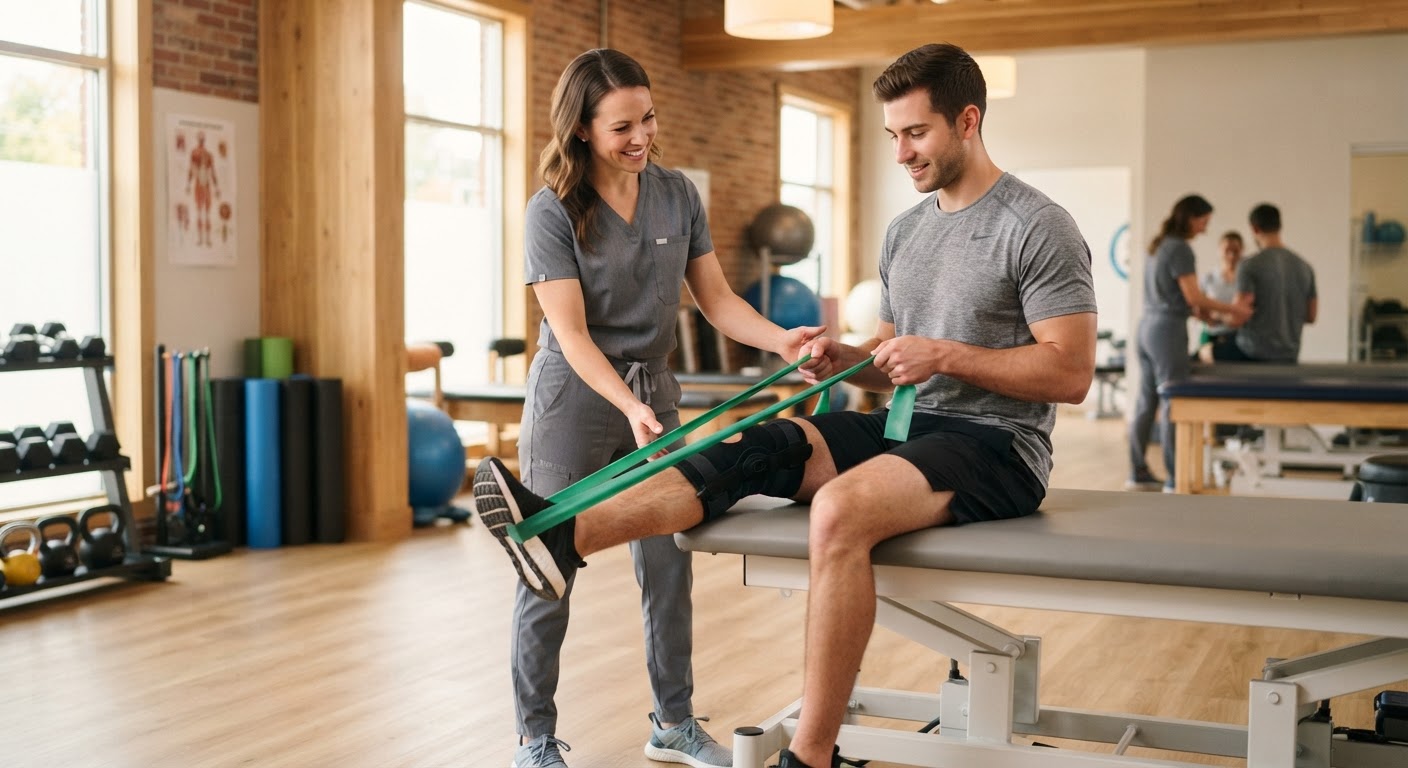
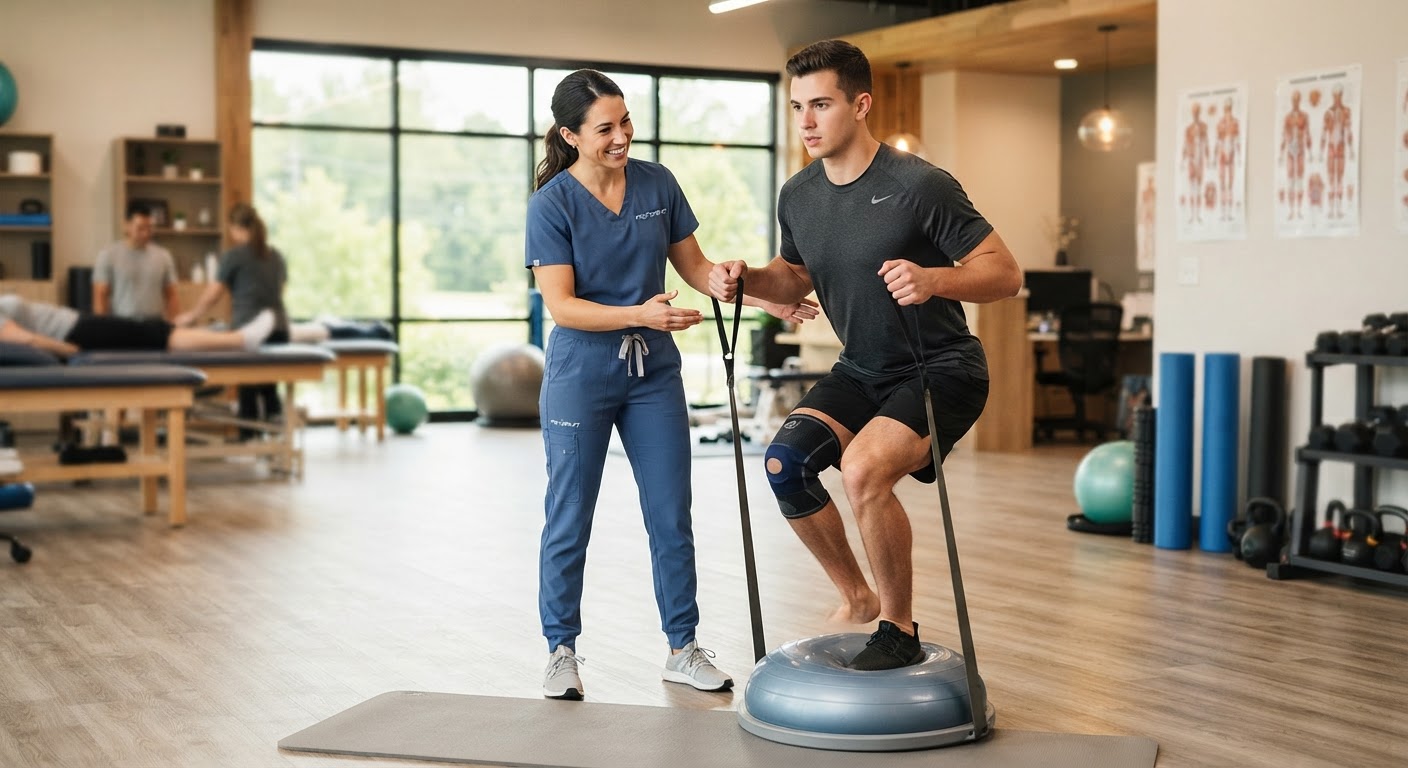
A physical therapist can help you identify movements that are comfortable and appropriate for your current stage of recovery. Treatment may include guided exercises, movement training, hands-on techniques when suitable, and education about managing activity. Your therapist can also adjust the plan as your needs change.
Your First Physical Therapy Visit
Your first appointment generally begins with a conversation about the injury. Be ready to describe when and how it happened, what activities make symptoms better or worse, and what you would like to return to doing. Sharing relevant medical history and any previous treatment can help your therapist understand the bigger picture.
A physical therapist may assess your movement, flexibility, strength, balance, and the way you perform relevant tasks. The evaluation is tailored to your situation, and you can ask questions or let your therapist know if a movement causes discomfort. Based on the findings, you and your therapist can discuss goals and a rehabilitation plan.
Wear comfortable clothing that allows you to move, and bring supportive footwear if your activities involve walking, running, or training. If you have instructions from a medical provider or relevant test results, bring them along. Your therapist can explain how those details may inform your care.
Building A Plan That Fits Your Goals
Rehabilitation often progresses in stages. Early on, the focus may be on managing symptoms and maintaining comfortable movement. As you improve, treatment can gradually add exercises to develop strength, flexibility, coordination, and endurance. Later, your program may include movements that resemble the demands of your sport, such as changing direction, jumping, throwing, or running, when appropriate.
Progress is individual. It may not follow a perfectly straight line, and a challenging day does not necessarily mean you have lost all progress. Keep your therapist informed about changes in pain, swelling, movement, or confidence. This information helps guide decisions about exercise difficulty and activity levels.
Practical Tips Between Appointments
Your actions outside the clinic are an important part of rehabilitation. Follow the exercise instructions provided by your physical therapist, including guidance on how often to practice and how an exercise should feel. Avoid adding extra repetitions, weights, or high-impact activities without checking whether they fit your plan.
Use symptoms as useful feedback. If an activity causes a notable increase in discomfort, stop and follow the advice your care team has given you. Make a note of what you were doing and how you felt afterward so you can discuss it at your next visit. Do not push through sharp or worsening pain just to meet a workout target.
Give recovery room in your schedule. Sleep, regular meals, hydration, and sensible adjustments to training can support your overall well-being. If you have been advised to modify or pause a sport, ask your therapist which activities may be suitable while you recover. Staying active in a modified way may be possible for some people, but it should be guided by your individual needs.
Returning To Sport Safely
Feeling less pain is encouraging, but it is only one part of deciding whether you are ready to return to sport. You may also need adequate strength, mobility, balance, control, and tolerance for the specific movements your activity requires. Your therapist can help you work toward these demands gradually and discuss any remaining concerns.
Avoid using a single good day as the only measure of readiness. A step-by-step return can help you notice how your body responds as activity increases. If symptoms return or your confidence drops, tell your therapist. The plan may need adjustment before you move on to more demanding tasks.
Moving Forward With Support
Sports injury rehabilitation can help you understand your options, work toward pain relief, and build a practical path back to the activities that matter to you. At Physical Therapy NOW™ in Cooper City, FL, your care can be shaped around your injury, goals, and progress, with guidance at each stage of your physical therapy program.
If a sports injury is limiting your movement or keeping you from the activities you enjoy, contact Physical Therapy NOW™ at the Cooper City location to schedule a visit. Call or stop by to discuss your goals and learn how a personalized rehabilitation plan can support your next steps.
Ready to start feeling better?
Physical Therapy NOW™ has 40+ Florida locations with same-week appointments. Most insurance, auto accident (PIP), workers' compensation and Medicare accepted.