Sports are a fantastic way to stay active, build community, and challenge ourselves physically. However, with the thrill of competition and the rigor of training comes the unfortunate reality of potential injuries. Whether you're a weekend warrior, a high school athlete, or a seasoned professional, a sports injury can be a significant setback, sidelining you from the activities you love. The good news? Effective sports injury rehabilitation can be your bridge back to peak performance.
At Physical Therapy NOW™ in Hallandale Beach, FL, we understand the frustration and pain that comes with a sports injury. Our dedicated team is here to guide you through every step of your recovery, ensuring a safe and successful return to your sport. But what exactly can you expect from sports injury rehabilitation?
Understanding Sports Injuries and Their Impact
Sports injuries can range from acute traumas like sprains, strains, and fractures, to chronic conditions such as tendonitis, stress fractures, and overuse syndromes. These injuries often result from sudden impacts, repetitive movements, improper technique, or insufficient conditioning. Beyond the immediate pain, they can lead to loss of strength, flexibility, balance, and proprioception (your body's ability to sense its position in space). Without proper rehabilitation, these issues can persist, increasing the risk of re-injury and potentially leading to long-term complications.
The Role of Physical Therapy in Sports Injury Rehabilitation
Physical therapy is the cornerstone of effective sports injury rehabilitation. It's not just about managing pain; it’s about restoring function, rebuilding strength, improving mobility, and preventing future injuries. A physical therapist is an expert in movement and will design a personalized treatment plan tailored to your specific injury, sport, and recovery goals.
Initial Assessment: Your Starting Point
Your rehabilitation journey at Physical Therapy NOW™ in Hallandale Beach, FL, begins with a thorough initial assessment. During this session, your physical therapist will:
Review Your Medical History: Discussing past injuries, surgeries, and overall health status. Perform a Physical Examination: Assessing your range of motion, strength, flexibility, balance, and identifying the specific structures affected by your injury. Analyze Movement Patterns: Observing how you move, walk, run, or perform sport-specific actions to identify biomechanical imbalances that may have contributed to the injury or impede recovery. Discuss Your Goals: Understanding what you want to achieve through therapy, whether it’s returning to a specific sport, improving performance, or simply regaining daily function.
Based on this comprehensive assessment, your physical therapist will formulate a diagnosis and outline a customized treatment plan.
Key Stages of Rehabilitation: What to Expect
While every rehabilitation journey is unique, most follow a general progression through several key stages:
1. Acute Phase: Pain Relief and Swelling Reduction
Immediately after an injury, the primary focus is on managing pain and reducing inflammation. Your physical therapist may use modalities such as ice, compression, elevation, and gentle manual therapy techniques to alleviate discomfort. They will also educate you on proper rest and protection protocols to prevent further damage. This stage is crucial for creating an optimal healing environment.
2. Recovery Phase: Restoring Range of Motion and Initial Strength
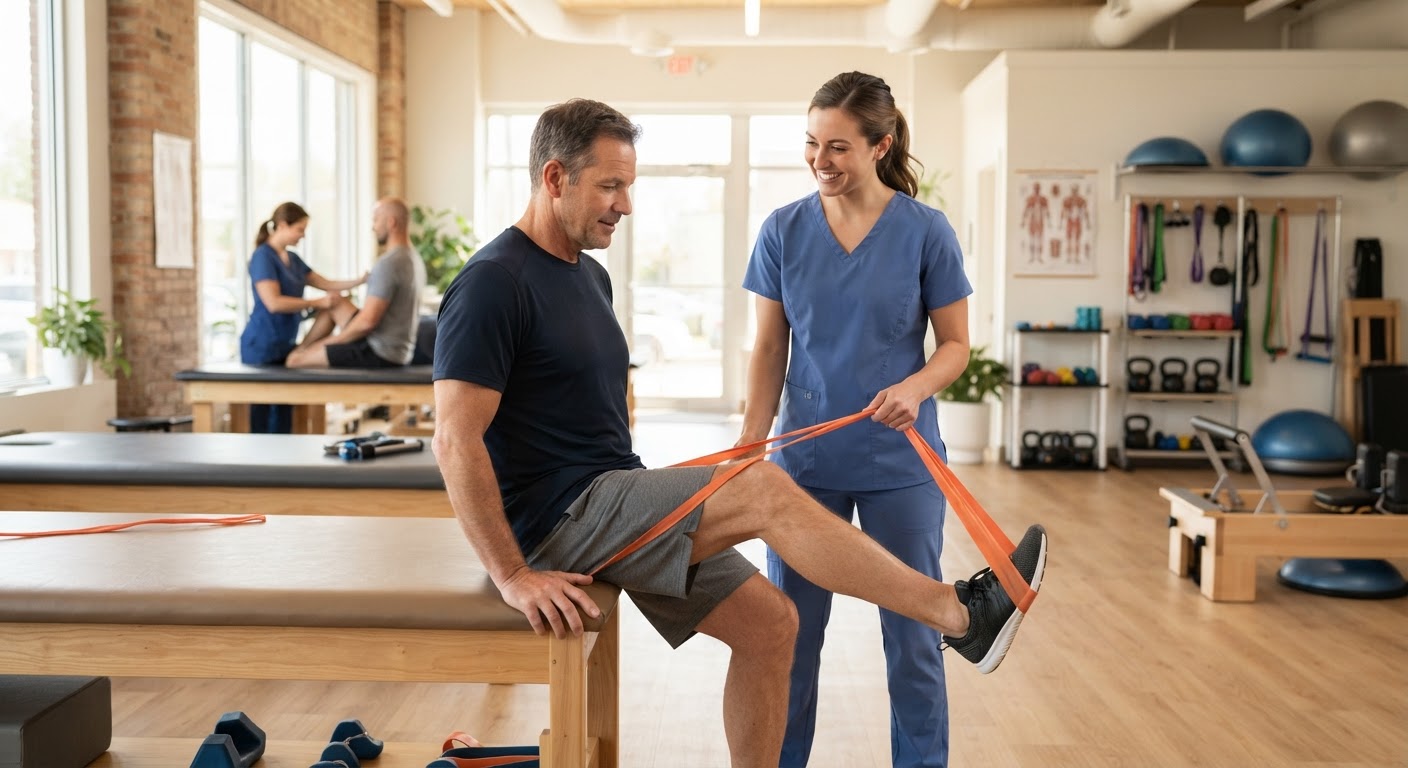
Once acute pain and swelling subside, the next step is to gently restore joint mobility and begin rebuilding strength. This involves therapeutic exercises designed to improve flexibility and range of motion, along with light strengthening exercises for the injured area and surrounding muscles. The exercises are carefully selected to not exacerbate your injury while promoting healing and muscle activation.
3. Strengthening Phase: Rebuilding Strength and Endurance
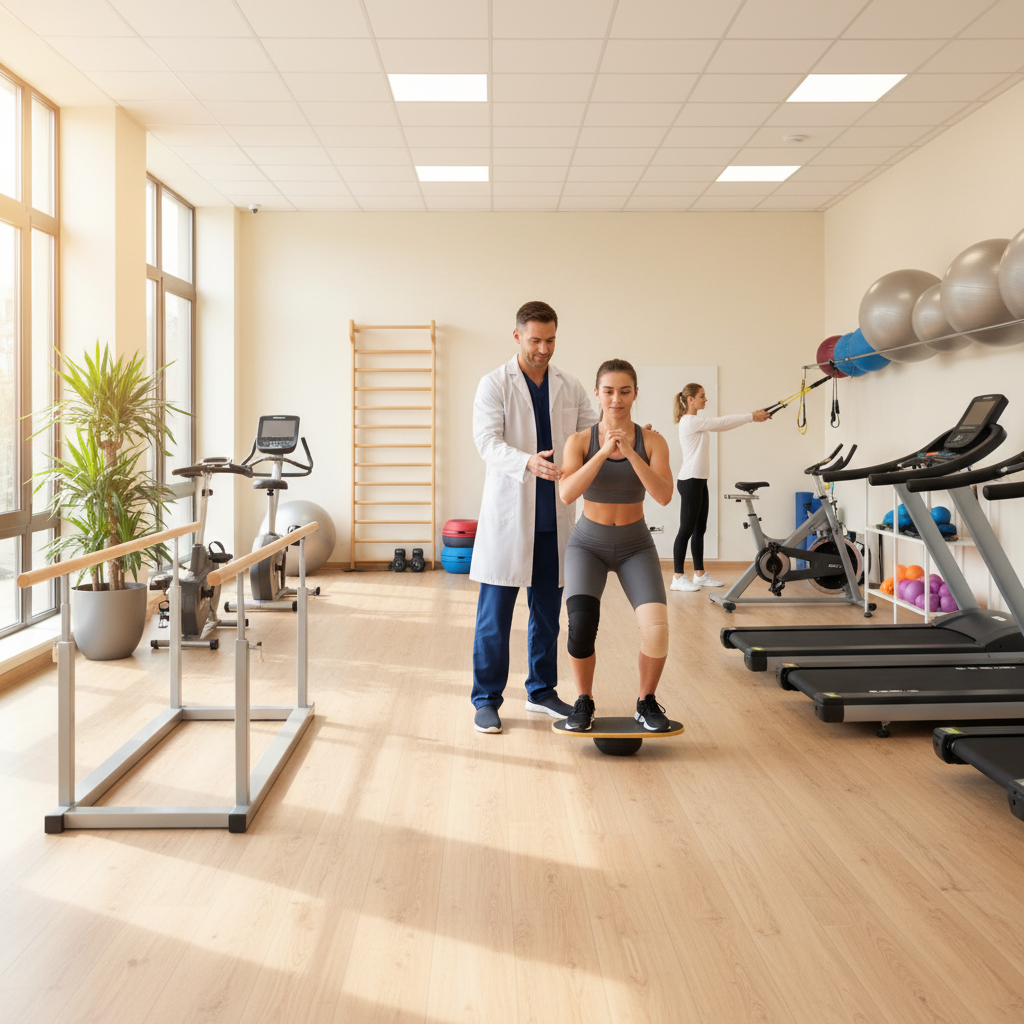
This is where the real work begins to regain lost strength, power, and endurance. Your physical therapist will introduce progressive resistance exercises, both isolated and compound movements, to strengthen specific muscle groups. This phase often includes exercises targeting the core, as a strong core is fundamental for stability and power in almost all sports. The intensity and complexity of exercises will gradually increase as your strength improves.
4. Functional Training Phase: Sport-Specific Drills and Agility
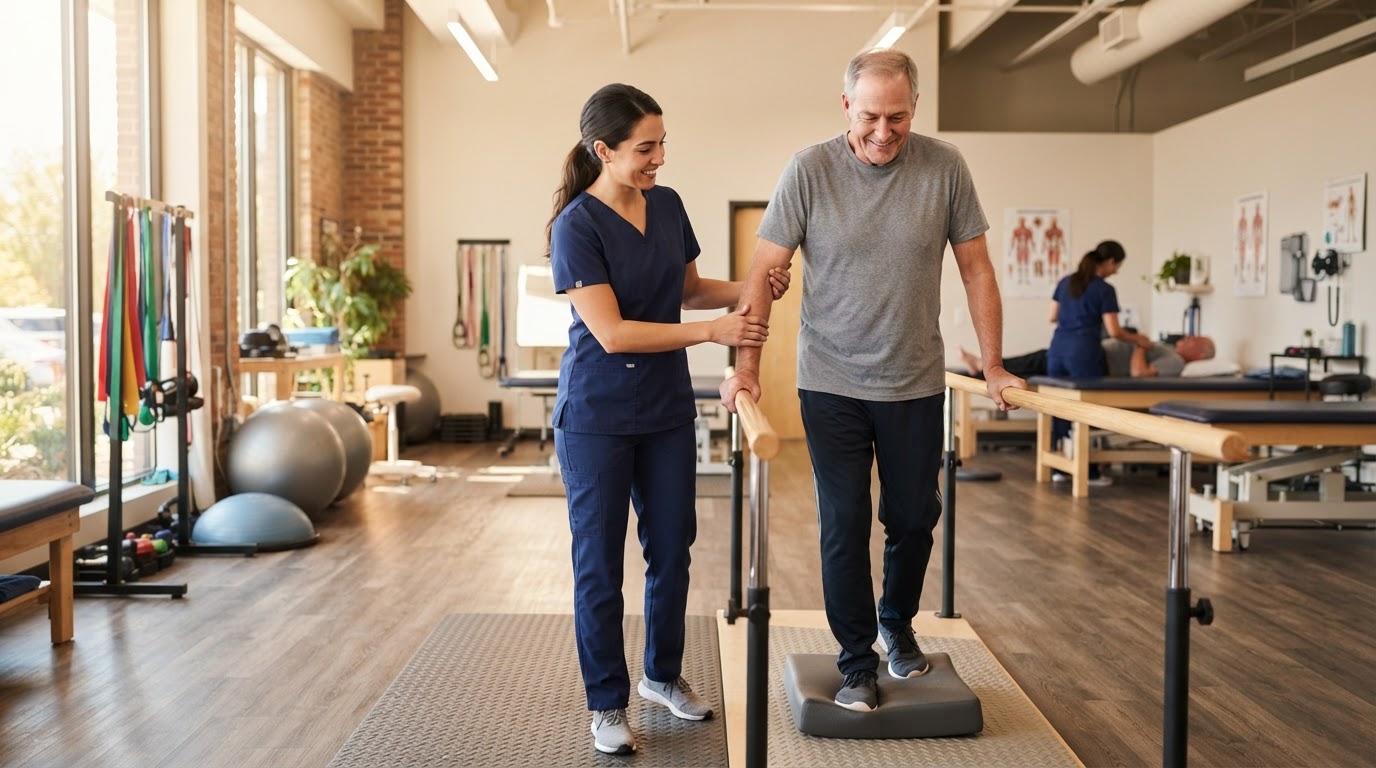
Once adequate strength and mobility are restored, the focus shifts to more dynamic, sport-specific movements. This phase involves exercises that mimic the actions you perform in your sport, such as jumping, landing, cutting, pivoting, throwing, or sprinting. Agility drills, balance training, and plyometrics are often incorporated to prepare your body for the demands of competition. This is a critical stage to ensure your body is truly ready for the stresses of your sport.
5. Return to Sport and Injury Prevention
The final stage involves a carefully supervised return to your sport. Your physical therapist will work with you and potentially your coach to develop a phased re-entry plan, gradually increasing your activity levels. Education on proper warm-up, cool-down, technique, and ongoing conditioning is paramount to minimize the risk of re-injury. They may also recommend preventative exercises or braces if appropriate.
Practical Tips for a Successful Rehabilitation
Active Participation: Your commitment to the exercises and advice given by your therapist is crucial. Consistency is key. Communication: Don't hesitate to ask questions, express concerns, or report any changes in your symptoms. Listen to Your Body: Pushing too hard too soon can set back your recovery. Understand the difference between muscle fatigue and pain. Nutrition and Hydration: Support your body's healing process with a balanced diet and adequate water intake. Rest: Allow your body sufficient time to recover between therapy sessions and training. Stay Positive: Rehabilitation can be challenging, but maintaining a positive outlook can significantly impact your progress.
Experience Comprehensive Care at Physical Therapy NOW™
Sports injury rehabilitation is a journey that requires expertise, patience, and dedication. At Physical Therapy NOW™, we are committed to providing personalized, evidence-based care to help you achieve full recovery and confidently return to the activities you love. Our team of skilled physical therapists works closely with athletes of all levels to alleviate pain, restore function, and implement strategies for long-term injury prevention.
Don't let a sports injury keep you on the sidelines any longer. Take the first step towards recovery. We proudly serve the Hallandale Beach community and look forward to helping you get back in the game.
Call Us Today! Schedule your initial assessment at Physical Therapy NOW™ in Hallandale Beach and start your path to pain relief and peak performance. Visit our clinic or call us at [Insert Phone Number Here] to learn more.
Ready to start feeling better?
Physical Therapy NOW™ has 40+ Florida locations with same-week appointments. Most insurance, auto accident (PIP), workers' compensation and Medicare accepted.