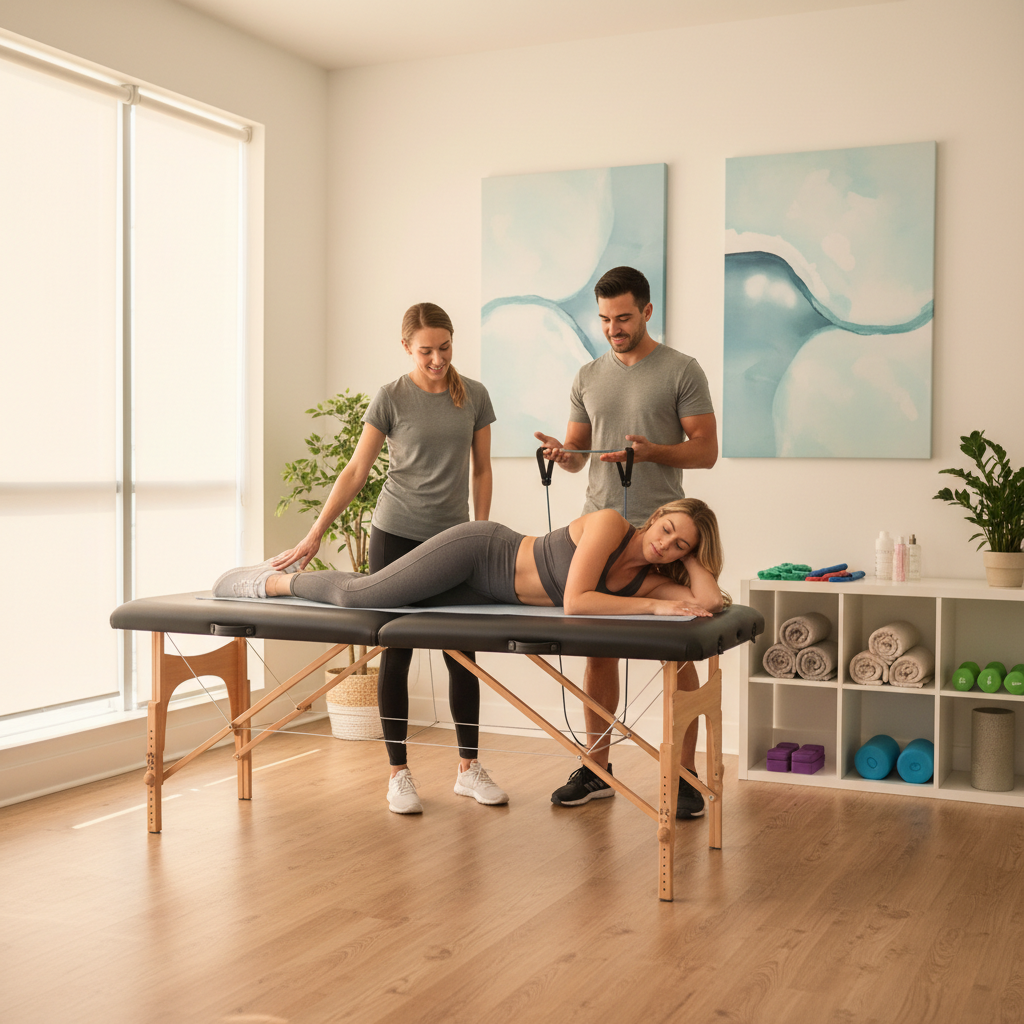
Living with sciatica pain can feel like a constant battle, impacting every aspect of your daily life. From a nagging ache in your lower back to shooting pain down your leg, sciatica can be debilitating. If you're experiencing these symptoms, you're not alone. Many individuals seek effective solutions, and physical therapy stands out as a leading, non-invasive approach to finding lasting relief. At Physical Therapy NOW™ in Miami, FL, we specialize in helping our patients regain control over their lives, free from the grips of sciatica.
Understanding Sciatica: More Than Just Back Pain
Sciatica isn't a condition itself; rather, it's a symptom of an underlying problem affecting the sciatic nerve, the longest and thickest nerve in the body. This nerve originates in the lower back, runs through the buttocks, and branches down each leg, controlling muscles in the lower leg and providing sensation to the thigh, leg, and foot. When the sciatic nerve becomes compressed, irritated, or inflamed, it can cause a range of uncomfortable sensations, including: • Sharp, shooting, or burning pain that radiates from the lower back, through the buttock, and down the back of one leg. • Numbness or tingling sensation along the nerve pathway. • Muscle weakness in the affected leg or foot. • Pain that worsens with prolonged sitting, standing, coughing, or sneezing.
Common culprits behind sciatic nerve compression include herniated discs, spinal stenosis, piriformis syndrome, and spondylolisthesis. Accurately diagnosing the root cause is crucial for effective treatment, which is where the expertise of a physical therapist becomes invaluable.
How Physical Therapy Addresses Sciatica Pain
Physical therapy offers a comprehensive, personalized approach to treating sciatica, focusing not just on symptom relief but also on addressing the underlying causes to prevent recurrence. Unlike temporary fixes, physical therapy empowers you with tools and strategies for long-term well-being. Here’s how it helps:
Accurate Diagnosis and Assessment
Your journey to relief begins with a thorough evaluation by a skilled physical therapist. At Physical Therapy NOW™ at our FIU Center location, we conduct a detailed assessment of your medical history, perform physical examinations, and evaluate your posture, movement patterns, strength, and flexibility. This helps us pinpoint the exact source of your sciatica and develop a tailored treatment plan.
Pain Management Techniques
Initial treatment often focuses on alleviating acute pain and inflammation. Your therapist may employ various modalities such as ice or heat therapy, manual therapy (hands-on techniques to mobilize soft tissues and joints), and gentle stretches to reduce nerve irritation and muscle spasms.
Therapeutic Exercises and Stretches
A cornerstone of sciatica treatment is a customized exercise program. These exercises are designed to: • Decompress the sciatic nerve: Specific movements and stretches can help create space around the nerve, reducing pressure. • Strengthen core muscles: A strong core (abdominal and back muscles) provides better support for your spine, reducing strain on the sciatic nerve. • Improve flexibility and range of motion: Tight muscles, especially in the hips, glutes, and hamstrings, can contribute to sciatica. Stretching helps restore normal mobility. • Correct postural imbalances: Poor posture can exacerbate sciatica. Your therapist will guide you on proper body mechanics for sitting, standing, lifting, and sleeping.
Manual Therapy
Our therapists use hands-on techniques such as massage, joint mobilization, and soft tissue release to reduce muscle tension, improve joint mobility, and decrease nerve compression. These techniques are highly effective in providing immediate relief and facilitating better movement.
Education and Self-Management Strategies
An essential part of physical therapy is empowering you with knowledge. Your therapist will educate you on proper body mechanics, ergonomics, and strategies to manage your pain and prevent future flare-ups. This includes advice on modifying daily activities, maintaining an active lifestyle, and recognizing warning signs.
Benefits of Choosing Physical Therapy for Sciatica
Choosing physical therapy for sciatica pain offers numerous advantages: • Non-invasive and drug-free: Avoids the risks associated with surgery and long-term medication use. • Addresses the root cause: Focuses on resolving the underlying issue rather than just masking symptoms. • Personalized care: Treatment plans are uniquely designed for your specific condition and goals. • Long-term relief: Equips you with tools to manage and prevent recurrence. • Improved quality of life: Reduces pain, restores function, and allows you to return to activities you enjoy.
Practical Tips for Managing Sciatica Pain at Home
While professional guidance is paramount, here are some general tips you can incorporate into your daily routine to help manage sciatica pain: • Stay Active (Gently): Avoid prolonged sitting or bed rest. Gentle walking, swimming, or cycling can help keep your spine mobile and strengthen supporting muscles. Listen to your body and avoid movements that aggravate your pain. • Apply Heat or Ice: For acute pain and inflammation, ice packs applied for 15-20 minutes several times a day can be beneficial. For chronic muscle tension, moist heat can help relax muscles. Experiment to see what works best for you. • Practice Good Posture: Be mindful of your posture, especially when sitting. Use a supportive chair, keep your feet flat on the floor, and avoid slouching. Consider a lumbar support pillow. • Gentle Stretching: Once acute pain subsides, incorporate gentle stretches for your lower back, glutes, and hamstrings. Always consult with your physical therapist first to ensure stretches are appropriate for your specific condition. • Ergonomic Adjustments: Evaluate your workspace and make ergonomic adjustments to reduce strain on your back and sciatic nerve. This includes proper monitor height, keyboard placement, and chair support. • Avoid Heavy Lifting or Twisting: These movements can worsen sciatica. If you must lift, bend at your knees, keep the object close to your body, and lift with your legs, not your back.
Your Path to Relief Starts at Physical Therapy NOW™
Don't let sciatica pain dictate your life any longer. The expert team at Physical Therapy NOW™ is dedicated to providing compassionate, evidence-based care to help you find lasting relief. Our state-of-the-art facility at the FIU Center location in Miami, FL, is equipped to address your unique needs, guiding you through every step of your recovery journey.
Take the first step towards a pain-free life. Contact Physical Therapy NOW™ today to schedule your initial consultation. Let us help you understand your sciatica, alleviate your pain, and empower you to live actively and comfortably again. Your well-being is our priority.
Ready to start feeling better?
Physical Therapy NOW™ has 40+ Florida locations with same-week appointments. Most insurance, auto accident (PIP), workers' compensation and Medicare accepted.