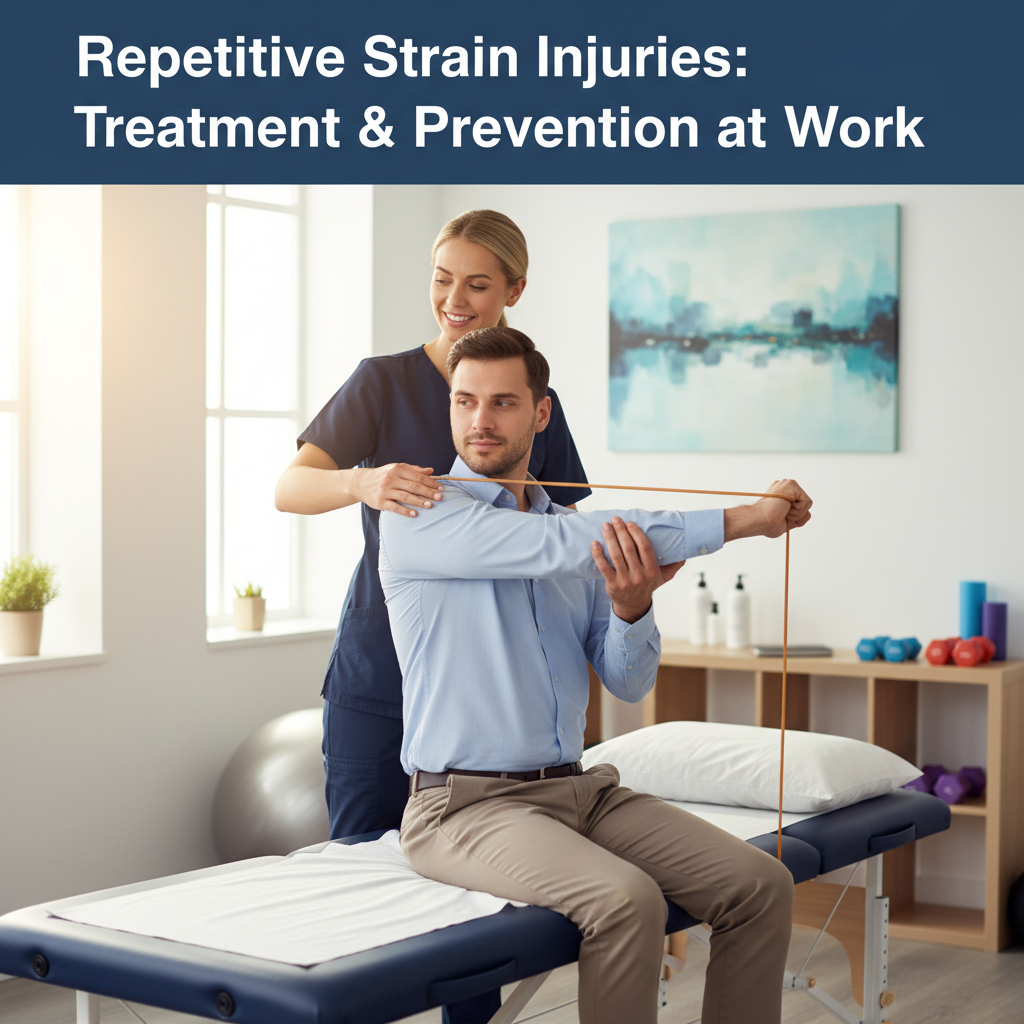
Understanding Repetitive Strain Injuries (RSIs)
Repetitive Strain Injuries, often referred to as RSIs, are a group of conditions affecting the musculoskeletal and nervous systems. These injuries arise from prolonged or repetitive motions, forceful exertions, awkward postures, or sustained pressure on certain parts of the body, particularly the hands, wrists, arms, shoulders, neck, and back. Unlike acute injuries that result from a single, sudden event, RSIs develop gradually over time as the body’s tissues are subjected to micro-traumas that accumulate faster than the body can heal. This chronic irritation can lead to inflammation, tissue damage, and pain, significantly impacting an individual’s ability to perform daily tasks and work duties.
Common Causes of Work-Related RSIs
In the workplace, various factors contribute to the development of RSIs. The most prevalent causes include:
Repetitive Tasks: Performing the same movements repeatedly, such as typing, assembly line work, scanning items, or using hand tools, can stress specific tendons, muscles, and nerves.
Awkward Postures: Working in positions that are not ergonomically sound, like hunching over a computer, reaching frequently, or twisting the trunk, places undue stress on joints and soft tissues.
Forceful Exertions: Activities requiring significant muscle force, such as lifting heavy objects, gripping tools tightly, or pushing/pulling heavy loads, can overstrain muscles and tendons.
Sustained Static Postures: Holding a position for extended periods, such as standing for long hours, maintaining a fixed head position while looking at a screen, or continuously holding a phone, can reduce blood flow and fatigue muscles.
Lack of Breaks and Recovery: Insufficient rest periods between repetitive or strenuous tasks prevent tissues from recovering and repairing, increasing susceptibility to injury.
Vibration: Exposure to continuous vibration, common with certain power tools or machinery, can affect nerve function and blood circulation, contributing to conditions like Hand-Arm Vibration Syndrome.
Symptoms and Red Flags Warranting Medical Evaluation
The symptoms of RSIs can vary widely depending on the affected area and the severity of the injury. Initially, symptoms may be subtle and intermittent, but they tend to worsen and become more persistent if not addressed. Common symptoms include:
Pain: Ranging from a dull ache to sharp, burning pain, often localized but can radiate.
Tingling or Numbness: Often indicative of nerve compression, commonly seen in conditions like carpal tunnel syndrome.
Weakness: Difficulty performing tasks that previously felt easy, such as gripping objects or lifting.
Stiffness: Reduced range of motion in affected joints, especially after periods of inactivity.
Swelling or Tenderness: Localized inflammation or tenderness to touch in the affected area.
Clicking or Popping Sensations: Sounds or sensations during movement of joints or tendons.
Red flags that warrant prompt medical evaluation include symptoms that are severe, rapidly worsening, or significantly interfering with sleep, work, or daily activities. The presence of muscle wasting, significant loss of sensation, or changes in skin color or temperature should also prompt immediate medical attention, as these could indicate more serious nerve or vascular compromise.
Diagnosis of Repetitive Strain Injuries
Diagnosing an RSI typically involves a comprehensive approach by a healthcare professional. This usually begins with a detailed medical history, focusing on occupational activities, symptom onset, progression, and aggravating/alleviating factors. A thorough physical examination assesses range of motion, muscle strength, sensation, and checks for tenderness, swelling, or signs of inflammation. Specific orthopedic tests may be performed to pinpoint the source of pain or nerve irritation.
In some cases, diagnostic imaging may be utilized. X-rays can rule out bone fractures or arthritis. MRI (Magnetic Resonance Imaging) or ultrasound can provide detailed images of soft tissues, such as tendons, ligaments, and nerves, helping to identify inflammation, tears, or impingements. Nerve conduction studies (NCS) and electromyography (EMG) are often used to evaluate nerve function and identify nerve entrapment or damage, particularly in conditions like carpal tunnel syndrome or cubital tunnel syndrome.
How Physical Therapy NOW™ Treats RSIs
Physical therapy plays a crucial role in both the treatment and prevention of work-related RSIs. At Physical Therapy NOW™, our approach is comprehensive, individualized, and designed to address the root causes of the injury while promoting long-term health and functional recovery.
Phases of Care:
Acute Phase (Pain and Inflammation Management): The primary goal here is to reduce pain and inflammation. Interventions may include:
Rest and Activity Modification: Guiding patients on how to modify activities to reduce stress on the injured area.
Modalities: Use of ice, heat, therapeutic ultrasound, or electrical stimulation to manage pain and swelling.
Gentle Mobilization and Range of Motion Exercises: To maintain joint mobility and prevent stiffness without aggravating the injury.
Subacute/Rehabilitation Phase (Restoring Function): Once acute symptoms subside, the focus shifts to restoring strength, flexibility, and normal movement patterns. This phase includes:
Therapeutic Exercises: Progressive strengthening exercises for affected muscles and surrounding areas to improve support and stability.
Stretching and Flexibility Exercises: To restore normal muscle length and joint mobility.
Manual Therapy: Hands-on techniques such as massage, joint mobilizations, and soft tissue mobilization to reduce muscle tension, improve circulation, and restore joint mechanics.
Neuromuscular Re-education: Exercises to improve coordination, balance, and proprioception, helping the body move more efficiently and safely.
Functional Training: Incorporating exercises that mimic work-specific movements to prepare the body for return to occupational duties.
Return-to-Work/Prevention Phase (Long-Term Management): This final phase focuses on preventing recurrence and ensuring a safe return to full activity. Key components include:
Ergonomic Assessment and Education: Providing guidance on proper workstation setup, posture, and body mechanics specific to the patient’s job tasks. This is crucial for long-term prevention.
Work Conditioning/Hardening: More intensive, job-specific training programs designed to simulate actual work demands, gradually increasing strength, endurance, and tolerance.
Patient Education: Teaching self-management strategies, proper lifting techniques, posture awareness, and the importance of regular breaks and stretching during work.
Example Interventions:
For a patient with carpal tunnel syndrome, treatment might involve nerve gliding exercises, wrist mobilizations, therapeutic stretching, grip strengthening with putty, and ergonomic advice for keyboard use.
For an individual with shoulder impingement from overhead work, interventions could include rotator cuff strengthening, scapular stabilization exercises, manual therapy to improve thoracic mobility, and instruction on proper overhead lifting mechanics.
Realistic Recovery Timeframes:
Recovery from an RSI varies significantly based on the severity of the injury, adherence to treatment, and individual healing rates. Mild RSIs may show significant improvement within a few weeks to a couple of months. More severe or chronic conditions could require several months of consistent therapy. Full recovery and sustainable return to work often involve a commitment to ongoing ergonomic adjustments and preventative exercises. The goal is not just symptom resolution but also building resilience to prevent future occurrences.
When to Refer / When to Seek Care
For Physicians: Consider referring patients for physical therapy evaluation when they present with persistent musculoskeletal pain, numbness, tingling, or weakness related to work activities that does not resolve with conservative initial management. Early intervention from physical therapy can often prevent the progression of RSIs and reduce the need for more invasive treatments. Physical Therapy NOW™ provides comprehensive reports to referring physicians to ensure continuity of care and collaborative patient management.
For Patients: It is advisable to seek medical attention if you experience pain, tingling, numbness, or weakness that persists for more than a few days, interferes with your ability to perform work tasks, or worsens over time. Ignoring symptoms can lead to more chronic conditions and prolonged recovery. Early diagnosis and treatment are key to a faster and more complete recovery.
Practical Self-Care Guidance
While professional treatment is vital, several self-care strategies can complement therapy and aid in prevention:
Regular Breaks: Take short breaks every 30-60 minutes to stretch, move around, and change position.
Ergonomic Adjustments: Optimize your workstation. Ensure your chair, keyboard, mouse, and monitor are positioned correctly to support neutral postures.
Stretching: Perform gentle stretches for your hands, wrists, arms, shoulders, and neck throughout the day.
Posture Awareness: Be mindful of your posture, whether sitting or standing. Avoid slouching or hunching.
Strength and Conditioning: Engage in regular physical activity to maintain overall strength and flexibility, making your body more resilient to strain.
Listen to Your Body: Pay attention to early warning signs of discomfort and address them promptly. Do not push through pain.
Staying proactive about your health and seeking timely professional help for work-related injuries is crucial. With the right approach to treatment and prevention, you can effectively manage Repetitive Strain Injuries and maintain your ability to work comfortably and productively.
Ready to feel better? Physical Therapy NOW™ has 40+ Florida locations, most with same-week appointments and no referral required in most cases.
Schedule now at https://physicaltherapynow.com/schedule · Call 800.481.4582
Ready to start feeling better?
Physical Therapy NOW™ has 40+ Florida locations with same-week appointments. Most insurance, auto accident (PIP), workers' compensation and Medicare accepted.