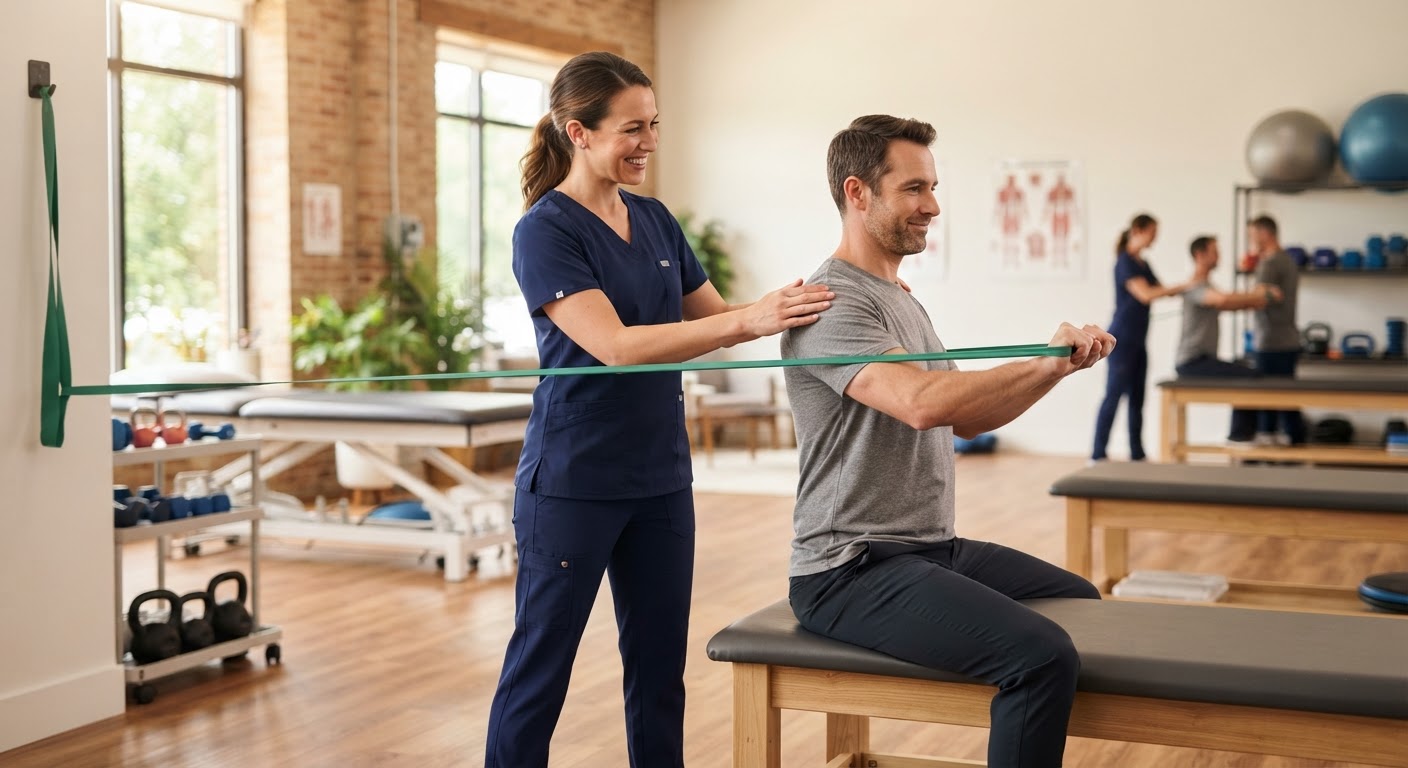
How to Prevent Workplace Injuries With Physical Therapy
Workplace injuries can develop gradually or happen in a moment. Repeated movements, prolonged sitting, lifting, and awkward positions may contribute to discomfort and limit your ability to work comfortably. Physical therapy can help you understand how your body moves, build strength for job tasks, and address early signs of strain before they become harder to manage.
At Physical Therapy NOW™, the goal is to help people move with greater confidence through individualized care and practical education. Whether your work involves a desk, a vehicle, a warehouse, or a busy service environment, a few consistent changes can support safer movement and reduce injury risks.
Understand Your Workplace Risks
Prevention starts with noticing what your workday asks of your body. Common challenges include sitting or standing in one position for long periods, reaching repeatedly, lifting loads, working with tools, and rushing through tasks without enough recovery time. Stress and fatigue may also affect posture, coordination, and attention.
Take a few minutes to observe your routine. Which tasks make you stiff or tired? Do symptoms show up at a particular time of day or after a certain movement? Are you often twisting, reaching overhead, or carrying objects on one side? Keeping brief notes can help you recognize patterns and explain them to a physical therapist or workplace supervisor.
Improve Your Workstation Setup
A comfortable workstation supports varied, relaxed movement rather than forcing your body into one rigid position. For computer work, adjust your chair so your feet can rest on the floor or a footrest and your hips feel supported. Position the screen near eye level and place frequently used items within easy reach. Keep your shoulders relaxed and your wrists in a comfortable, neutral position when typing.
Small changes can make a difference. Use a headset for frequent calls instead of cradling a phone between your shoulder and ear. If you stand for work, consider whether your work surface and tools are at a height that avoids prolonged bending or reaching. Change positions periodically when your duties allow. No single posture is ideal all day, so regular movement is important even with a well-adjusted setup.
Use Safer Lifting And Carrying Habits
Before lifting, check the load and the path you plan to take. Move obstacles out of the way, and ask for help or use available equipment when an object is too heavy, awkward, or difficult to grip. Stand close to the item, establish a steady stance, and keep the load near your body. Bend through your hips and knees as appropriate, then rise smoothly without rushing.
Avoid twisting while carrying. Instead, take small steps to turn your whole body toward the direction you need to go. When placing an object down, use a controlled movement and avoid reaching far from your body. These suggestions are general: safe techniques depend on the person, the task, and the load. Follow your workplace procedures and seek guidance if a task causes pain or feels unsafe.
Build Movement Into The Workday
Long periods in one position can leave muscles feeling tight and make it harder to move comfortably. If your job permits, take brief movement breaks throughout the day. Stand, walk, gently change positions, or perform comfortable shoulder and back movements. For repetitive tasks, ask whether duties can be varied or alternated to give the same areas of the body a chance to recover.
A physical therapist can recommend exercises that match your job demands and current abilities. A plan may include mobility work, strength training, balance practice, or instruction in task-specific movement. Exercises should be appropriate for your health and should not cause sharp or worsening pain. If a movement increases symptoms, stop and ask a qualified clinician how to modify it.
How Physical Therapy Supports Injury Prevention
Physical therapy is not only for recovery after an injury. A physical therapist can assess movement, strength, flexibility, balance, and the physical demands of your work. Based on that assessment, they can explain which factors may be contributing to discomfort and develop a rehabilitation plan tailored to your needs and goals.
Care may include guided exercise, movement education, recommendations for pacing tasks, and strategies for building tolerance to work activities. A therapist can also help you practice safer ways to bend, reach, lift, or transition between positions. The right approach depends on your symptoms, medical history, and job requirements; there is no single exercise program that fits everyone.
If discomfort is persistent, interferes with daily tasks, or keeps returning, consider getting professional guidance instead of simply pushing through it. Early attention may help you understand what is happening and identify appropriate next steps. Physical therapy may support pain relief and function, but results vary and a clinician can help determine whether it is suitable for you.
Make Prevention A Daily Habit
Workplace injury prevention works best as a shared effort. Employees can use safe movement habits, report hazards, and speak up when equipment or task demands create difficulty. Employers can support prevention by maintaining work areas, providing appropriate equipment, and encouraging reasonable breaks and task variation.
Start with one or two changes you can maintain. Adjust your screen, move more often, or ask for help with a difficult load. Pay attention to early signs such as recurring stiffness, fatigue, or discomfort during a particular task. Small, consistent adjustments can help you stay more comfortable and engaged at work.
Get Support At Physical Therapy NOW™ In Hallandale Beach
If work-related aches or movement concerns are affecting your routine, individualized guidance can help you take a thoughtful next step. The team at Physical Therapy NOW™ can discuss your goals, evaluate your movement, and recommend care based on your needs. Visit or call the Hallandale location in Hallandale Beach, FL, to ask about physical therapy and rehabilitation options. You do not have to wait until discomfort significantly disrupts your workday to seek advice.
Ready to start feeling better?
Physical Therapy NOW™ has 40+ Florida locations with same-week appointments. Most insurance, auto accident (PIP), workers' compensation and Medicare accepted.