Workplace injuries can affect more than your ability to do your job. Pain, stiffness, and reduced mobility may also make everyday activities harder. Whether you work at a desk, on your feet, or in a physically demanding role, building safer habits can help reduce strain and support long-term comfort. Physical therapy can also help you address movement concerns before they interfere with work.
At Physical Therapy NOW™ in Plantation, FL, our team helps people understand how their work habits and physical demands may affect their bodies. With practical prevention strategies and individualized rehabilitation, you can take steps toward safer, more comfortable movement at work.
Understand Common Workplace Injury Risks
Workplace injuries can develop suddenly or gradually. A single lift, slip, or awkward movement may cause an injury, while repeating the same motion or maintaining one position for a long time can lead to overuse and discomfort.
Common risks include lifting heavy objects without support, reaching or twisting repeatedly, prolonged sitting, standing for extended periods, and using a workstation that does not fit your body. Rushing, fatigue, and skipping breaks can also make it harder to maintain good movement habits.
Pay attention to early signals such as persistent soreness, stiffness, tingling, or discomfort that gets worse during a particular task. These symptoms do not always indicate a serious injury, but they are a reason to review your work setup and movement patterns. If symptoms continue or limit your activities, consider consulting a qualified healthcare professional.
Set Up Your Workstation For Better Movement
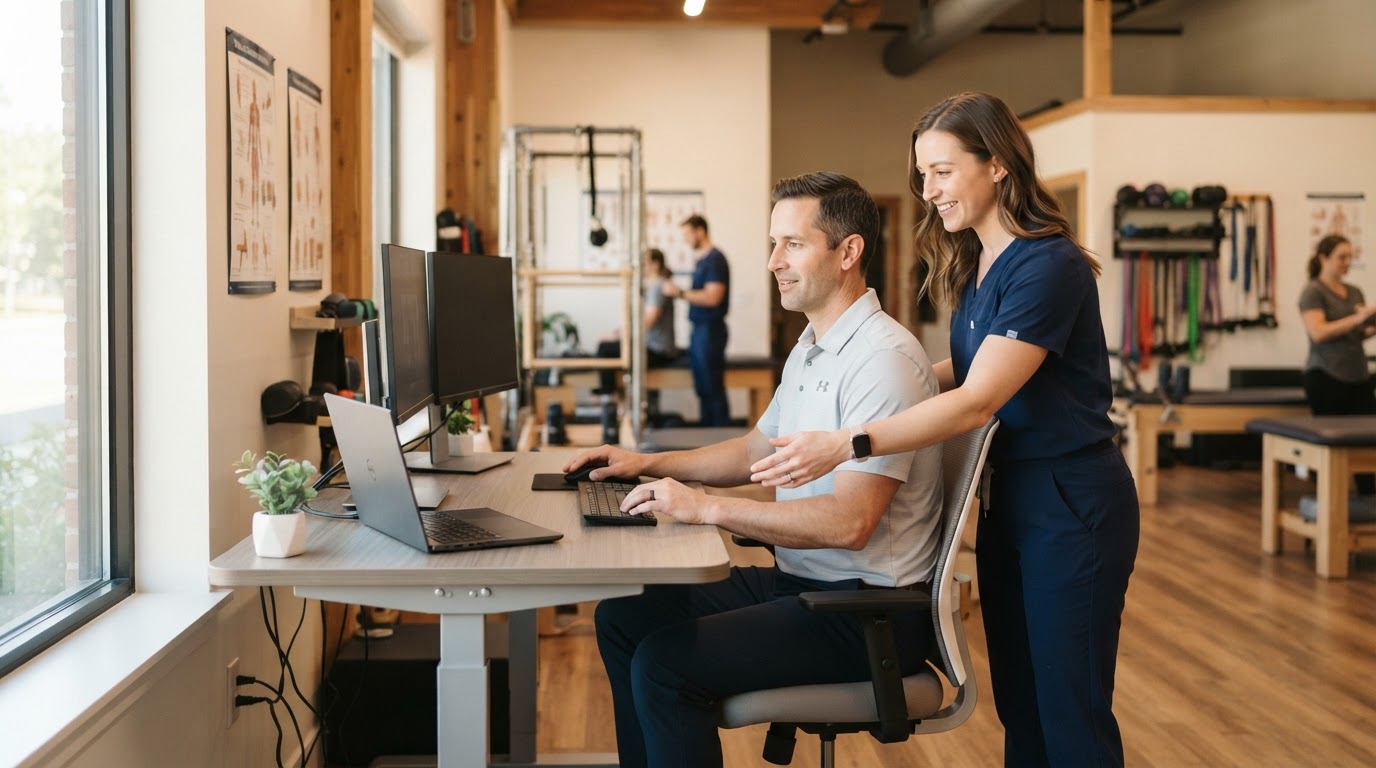
A comfortable workstation can help reduce unnecessary strain. If you work at a desk, adjust your chair so your feet are supported and your knees are comfortably bent. Position your screen near eye level and close enough to read without leaning forward. Keep frequently used items within easy reach to limit repeated twisting or stretching.
Your keyboard and mouse should be positioned so your shoulders can relax and your elbows stay near your sides. Avoid gripping your mouse tightly or resting your wrists against a hard edge for long periods. Small adjustments can make a desk setup more comfortable, but the best arrangement depends on your body and the tasks you perform.
For jobs that involve standing, use supportive footwear and change positions when possible. A work surface at a suitable height may reduce the need to bend or reach. If your workplace allows it, alternate between sitting and standing rather than staying in one position throughout the day.
Use Safer Lifting And Carrying Habits
Before lifting, check the load and the path you plan to take. If an object feels too heavy or awkward, ask for help or use available equipment. Move close to the item, place your feet in a stable position, and bend at your hips and knees as comfortable. Keep the load near your body and avoid twisting while carrying it. Turn with your feet instead.
When placing an item down, use a controlled movement and avoid reaching far from your body. Break larger loads into smaller ones when possible. These habits can help reduce stress on your back, shoulders, and other areas, though no lifting technique can eliminate every risk. Follow your employer’s safety procedures and use any required training or equipment.
Build Movement Breaks Into Your Day
Staying in one position for too long can leave muscles feeling tight and make movement uncomfortable. Brief movement breaks can help you reset. Stand, walk a short distance, change your posture, or gently move your shoulders and ankles between tasks. Set a reminder if you tend to lose track of time during focused work.
For repetitive jobs, ask whether tasks can be rotated or varied. Changing activities may give overused areas a chance to rest. If your role requires repeated movements, use a comfortable pace when possible and follow guidance on safe work practices.
Regular physical activity outside work can also support strength, flexibility, and general fitness. Choose activities that suit your current abilities and increase intensity gradually. If you have pain or a health condition, ask a healthcare professional what types of activity are appropriate for you.
How Physical Therapy Can Help Prevent Injuries
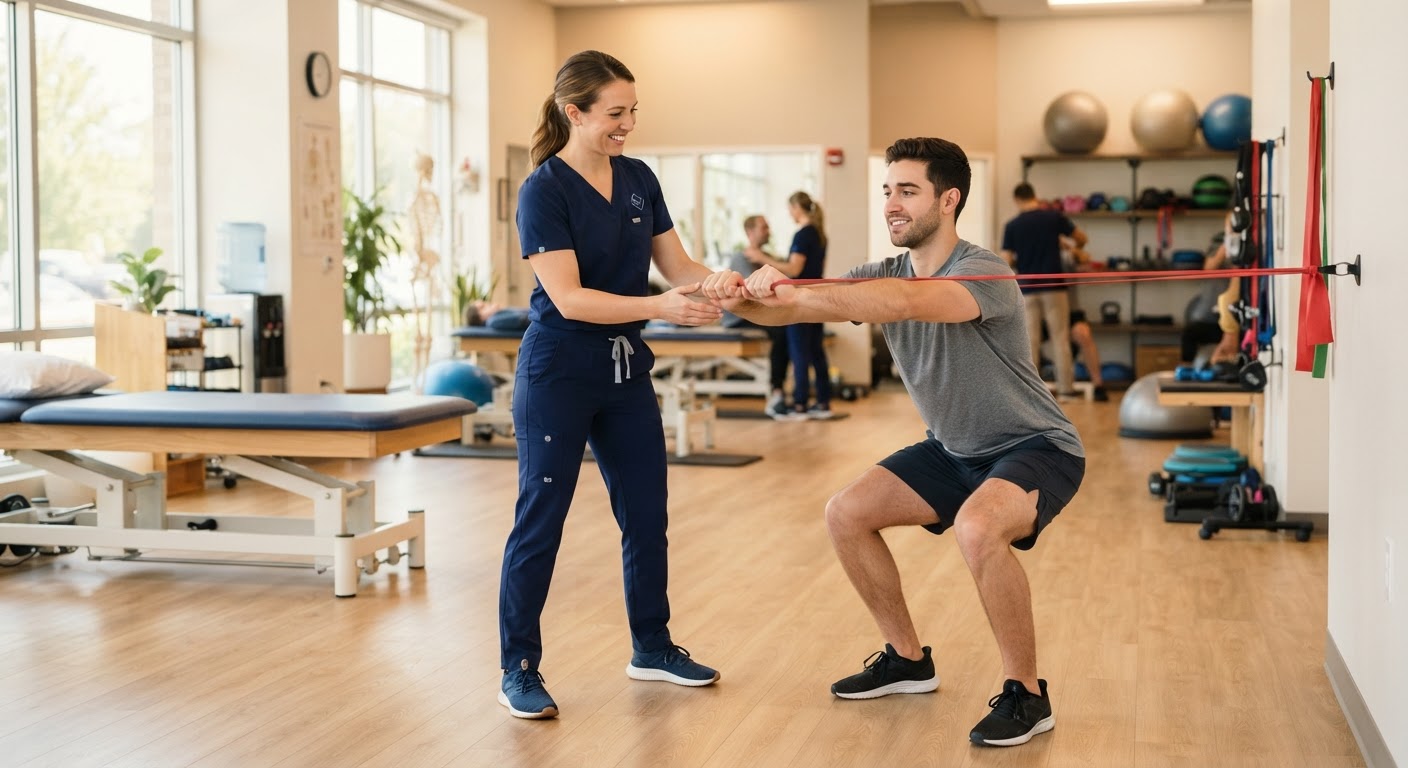
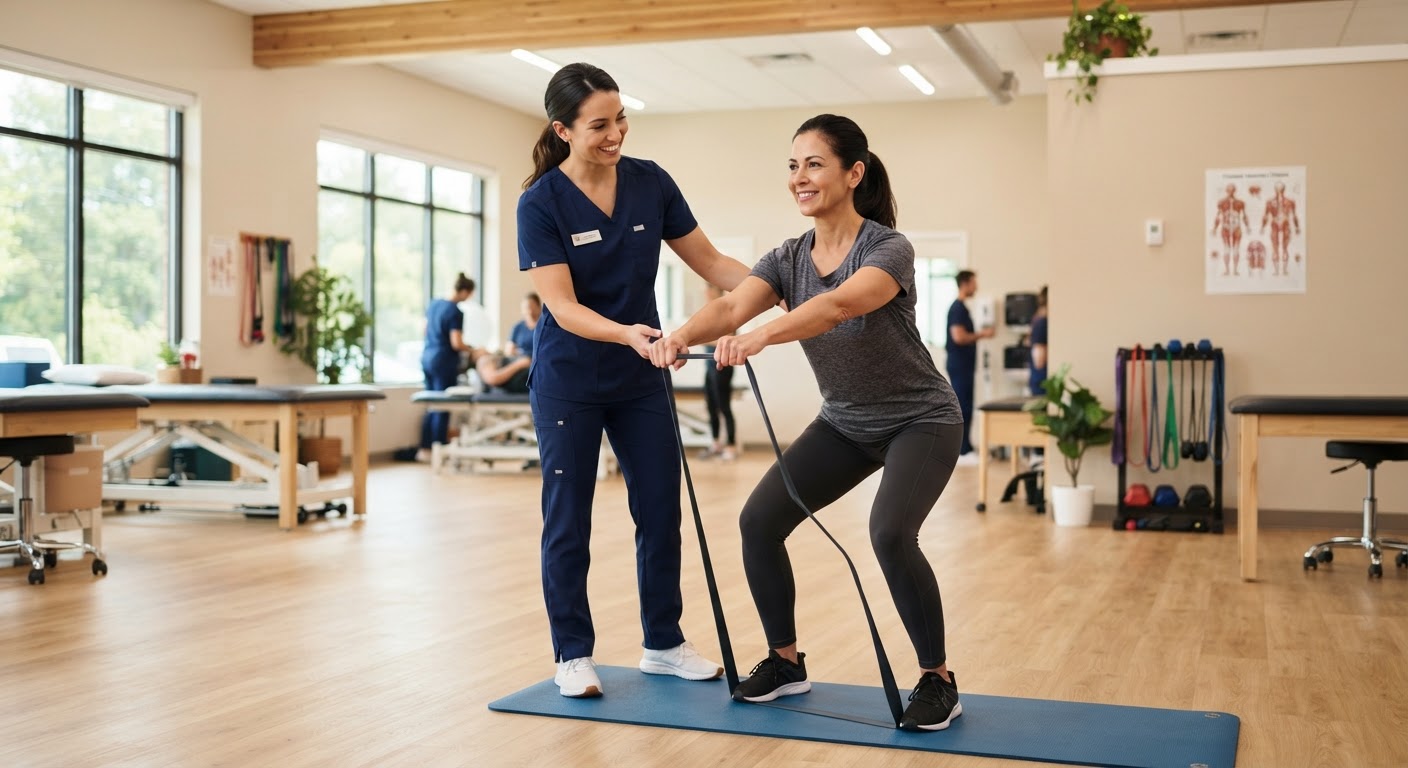
Physical therapy is not only for recovery after an injury. A physical therapist can assess movement, strength, flexibility, balance, and the physical demands of your job. Based on your needs, they may recommend exercises, movement strategies, or ways to modify tasks and daily habits.
If discomfort is already affecting your work, physical therapy may help identify contributing factors and develop a plan focused on improved function and pain relief. Rehabilitation may include guided exercise, education, and gradual practice of work-related movements. Your plan should be tailored to your symptoms, goals, and job demands rather than relying on a one-size-fits-all routine.
At Physical Therapy NOW™ in Plantation, FL, you can discuss your concerns and learn whether physical therapy may be a useful part of your prevention or recovery plan. A clinician can also help you decide when additional medical evaluation may be appropriate.
Make Injury Prevention A Daily Habit
Prevention works best when it becomes part of your routine. Check your workspace, use safe movement habits, take reasonable breaks, and speak up when a task or setup feels uncomfortable. Report workplace hazards according to your employer’s procedures, and do not ignore symptoms that persist, worsen, or interfere with normal activities.
If pain begins suddenly, is severe, or comes with concerning symptoms such as significant weakness or numbness, seek prompt medical guidance. For ongoing aches or movement limitations, professional advice can help you understand your options.
Take The Next Step
You do not have to wait for workplace discomfort to become harder to manage. Contact Physical Therapy NOW™ at the Plantation location to ask about an appointment and discuss your work-related goals. Visit or call the Plantation, FL clinic to learn how physical therapy and individualized rehabilitation may help you move more comfortably and take practical steps toward preventing future injuries.
Ready to start feeling better?
Physical Therapy NOW™ has 40+ Florida locations with same-week appointments. Most insurance, auto accident (PIP), workers' compensation and Medicare accepted.