Workplace injuries can affect more than your workday. Stiffness, soreness, or pain may make it harder to concentrate, stay active, and enjoy life outside the job. The good news is that many common problems can be reduced with safer work habits, movement breaks, and support from a physical therapist. Physical Therapy NOW™ in Lake Worth, FL can help you build a prevention plan suited to your job, your body, and your goals.
Whether you spend hours at a desk, work on your feet, lift materials, or perform repetitive tasks, small adjustments can make a meaningful difference. Here are practical ways to protect your body and recognize when professional guidance may help.
Understand Common Workplace Injuries
Work-related discomfort often develops gradually. Repeating the same motion, staying in one position for too long, lifting with poor technique, or working with an awkward setup can place extra stress on muscles and joints. Common concerns include back and neck pain, shoulder strain, wrist and hand discomfort, and soreness in the hips, knees, or feet.
An injury is not always caused by one dramatic event. Repeated strain can build over time, and early symptoms may seem minor. Pay attention to persistent aches, stiffness, tingling, reduced strength, or discomfort that returns during the same task. Addressing a concern early may help prevent it from interfering more with daily activities.
Set Up Your Work Area
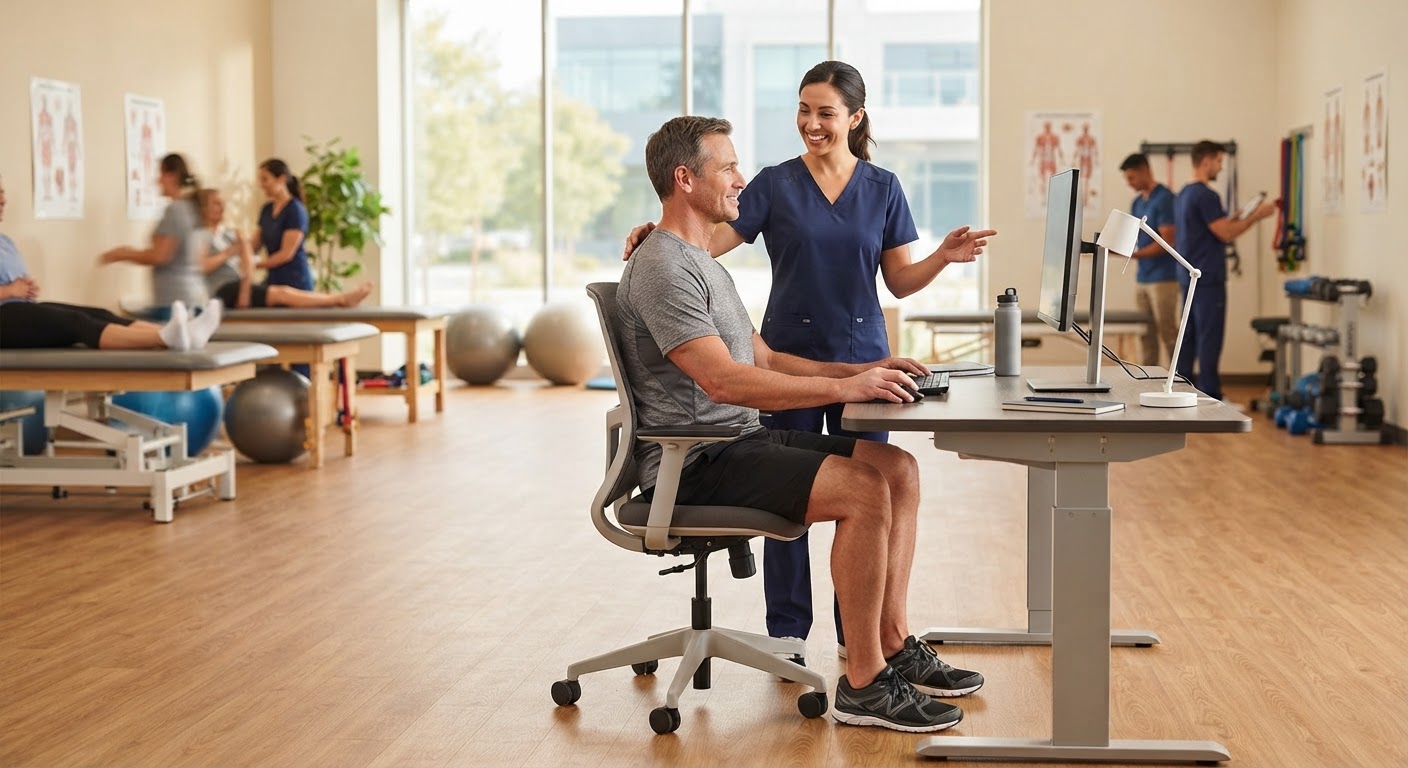
A comfortable workspace supports a more natural posture. For desk work, adjust your chair so your feet rest on the floor or a footrest and your hips are supported. Position your screen near eye level and close enough to read without leaning forward. Keep frequently used items within easy reach, and place your keyboard and mouse where your shoulders can relax and your elbows stay near your sides.
No single posture is perfect for an entire day. Even a well-arranged workstation can become uncomfortable if you remain still for hours. Change positions regularly, alternate tasks when possible, and stand or walk briefly throughout the day. If your job requires standing, consider whether your footwear, work surface, and access to short sitting breaks support your comfort.
Use Safer Lifting Habits
Before lifting, check the load and make sure your path is clear. Bring the item close to your body, set your feet securely, and bend at your hips and knees as comfortable rather than reaching far from your base. Keep the load near your center and turn by moving your feet instead of twisting your trunk while carrying it. Ask for help or use available equipment when an item is too heavy, bulky, or awkward to manage safely.
These suggestions are general and may need to be adapted to the task and your abilities. Follow your workplace’s safety procedures, and do not try to lift something that feels unsafe. A physical therapist can review the movement demands of your job and help you practice strategies that fit your situation.
Build Movement Into Your Day
Frequent, brief movement breaks can help interrupt long periods of repetitive activity or static posture. Try standing, changing position, taking a short walk, or gently moving your shoulders and ankles between tasks. Set a reminder if you tend to lose track of time. For repetitive work, ask whether tasks can be rotated or organized to vary the movements you perform.
General activity outside work can also support strength, balance, and mobility. Start at a manageable level and choose movement you can do consistently, such as walking or a simple home exercise routine. If an exercise increases pain or causes symptoms that concern you, stop and seek guidance rather than pushing through it.
How Physical Therapy Can Help
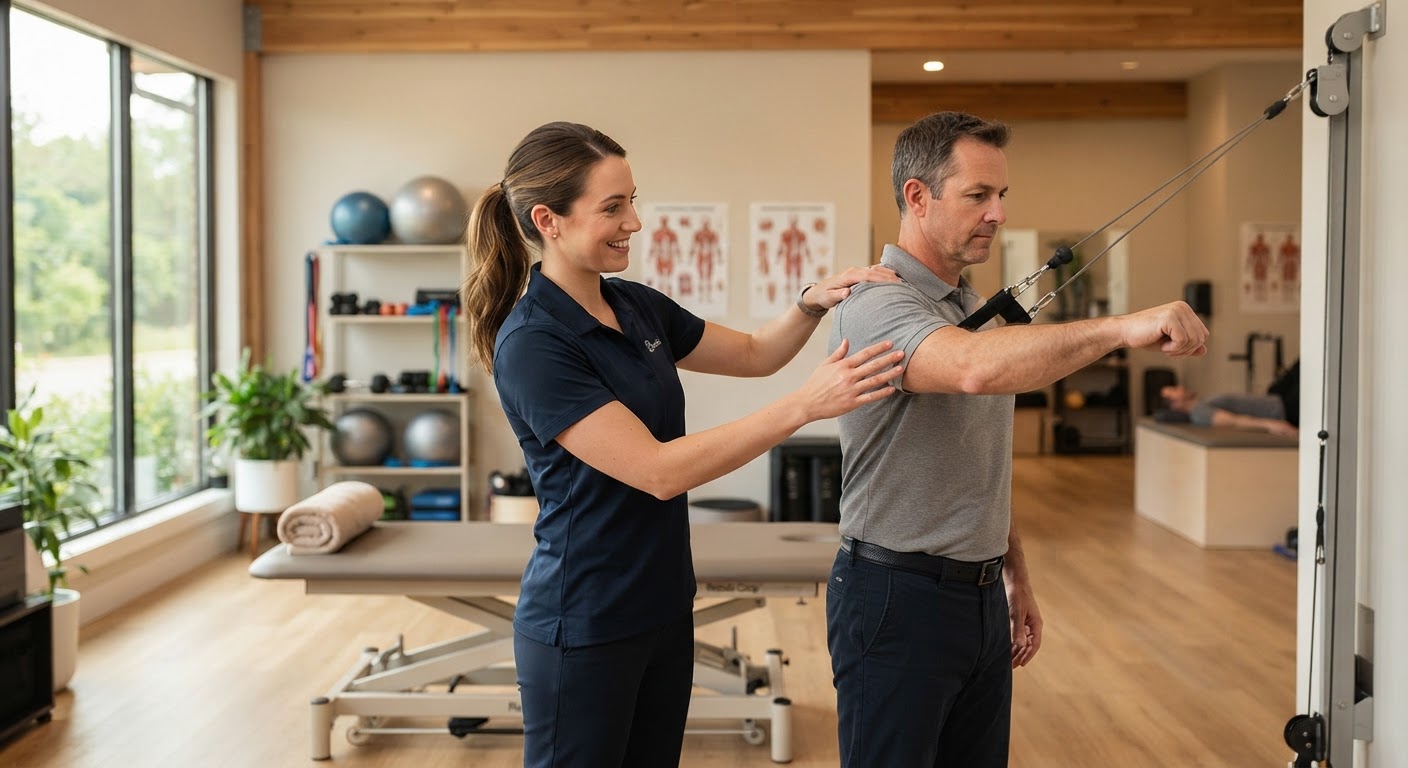
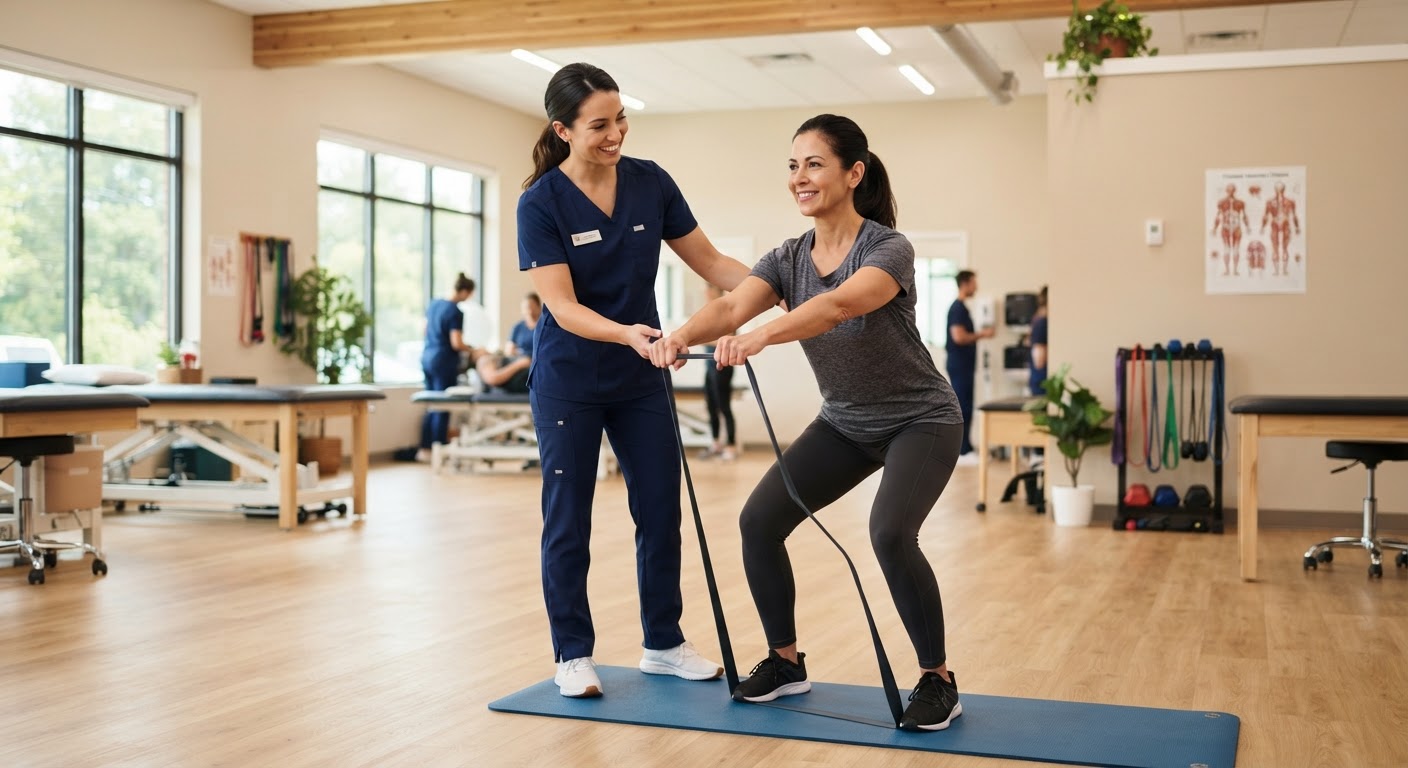
Physical therapy is useful not only after an injury but also as part of a proactive approach to movement and work demands. A physical therapist can assess how you move, discuss the tasks that challenge you, and identify areas where strength, flexibility, balance, or coordination may benefit from attention. Your plan may include individualized exercises, movement coaching, education, and strategies for gradually returning to demanding activities.
Rehabilitation is tailored to the person, not just the job title. A desk worker with neck tension may need different guidance than someone who regularly lifts or stands for long shifts. Physical therapy can also help you understand how to pace activities and modify movements while you work toward pain relief and better function. If you already have pain, numbness, weakness, or limited movement, an evaluation can help determine appropriate next steps. Seek prompt medical care for severe or sudden symptoms or symptoms that are worsening.
Make Prevention Part Of Your Routine
Prevention works best when it becomes part of the workday. Check your workstation, take brief movement breaks, use safe lifting techniques, and speak up about recurring discomfort. Keep track of which tasks or positions bring on symptoms. That information can help you and your employer consider reasonable changes, and it can help a physical therapist understand your needs.
At Physical Therapy NOW™, our team can help you develop practical strategies for moving with greater confidence at work and at home. The Lake Worth location serves people looking for individualized physical therapy and rehabilitation support, whether they want to reduce strain or address an existing concern.
Take The Next Step
You do not have to wait until discomfort disrupts your routine to ask for help. Visit or call the Physical Therapy NOW™ Lake Worth location to discuss your goals and learn how physical therapy may support workplace injury prevention, rehabilitation, and pain relief. Our team is ready to help you take a practical next step toward moving more comfortably.
Ready to start feeling better?
Physical Therapy NOW™ has 40+ Florida locations with same-week appointments. Most insurance, auto accident (PIP), workers' compensation and Medicare accepted.