How To Prevent Workplace Injuries With Physical Therapy
Workplace injuries can develop gradually or happen in a moment. Repeated movements, prolonged sitting, heavy lifting, and awkward positions can all place stress on the body. The good news is that many risk factors can be addressed with practical changes and guidance from a physical therapist. Physical Therapy NOW™ serves the Hialeah, FL community, with care available at its Miramar location.
Physical therapy can help you understand how your body moves, build strength and flexibility, and learn safer ways to perform work tasks. These steps may reduce the chance of common problems and help you stay active and comfortable at work.
Understand Common Workplace Injury Risks
Work-related discomfort often affects the back, neck, shoulders, wrists, and knees. It may be associated with repeated motions, extended time in one position, poor workstation setup, or lifting loads without adequate support. Jobs that involve standing, reaching, bending, typing, or carrying can each create different physical demands.
Pay attention to early warning signs, such as stiffness, recurring soreness, reduced range of motion, tingling, or fatigue that worsens during the workday. These symptoms do not always indicate a serious injury, but ignoring persistent or worsening discomfort can make it harder to keep up with daily tasks. Seek medical advice promptly for severe pain, sudden weakness, numbness, or symptoms that concern you.
Make Your Workstation Fit You
A well-arranged workstation can reduce unnecessary strain. If you work at a desk, position your monitor near eye level and keep it directly in front of you. Adjust your chair so your feet are supported and your knees and hips feel comfortable. Keep frequently used items within easy reach to avoid repeated twisting or overreaching.
Place your keyboard and mouse close enough that your shoulders can relax and your elbows stay near your sides. Consider alternating between sitting and standing if your setup allows it. Changing positions can be more helpful than trying to hold one ideal posture for hours. If you use a laptop for long periods, a separate keyboard and mouse, along with a raised screen, may make it easier to maintain a comfortable setup.
Use Safer Movement And Lifting Habits
Before lifting, check the load and plan where you will move it. Stand close to the object, use a stable stance, and bend at your hips and knees as needed. Keep the load near your body and turn with your feet rather than twisting your trunk while carrying it. Ask for help or use available equipment when an item is too heavy, bulky, or difficult to handle safely.
For tasks that involve frequent reaching, arrange supplies so you can work within a comfortable range. Avoid repeated overhead reaching when possible, and switch sides or vary your position when a task allows. At work, follow your employer’s safety procedures and use equipment as instructed. Good technique supports safer movement, but it does not replace proper tools, staffing, or workplace safety practices.
Build Movement Breaks Into Your Day
Staying in one position for a long time can leave muscles feeling stiff and tired. Take brief movement breaks throughout the day when practical. Stand, walk, gently move your shoulders, or change your working position. For repetitive tasks, ask whether duties can be rotated or broken into shorter intervals.
A short, comfortable movement routine may include shoulder rolls, gentle neck turns, standing hip movements, or an easy walk. Move within a comfortable range and avoid forcing a stretch. If a movement causes sharp pain, stop and ask a healthcare professional for guidance. Consistency matters more than intensity, especially when you are building a new habit.
How Physical Therapy Supports Prevention
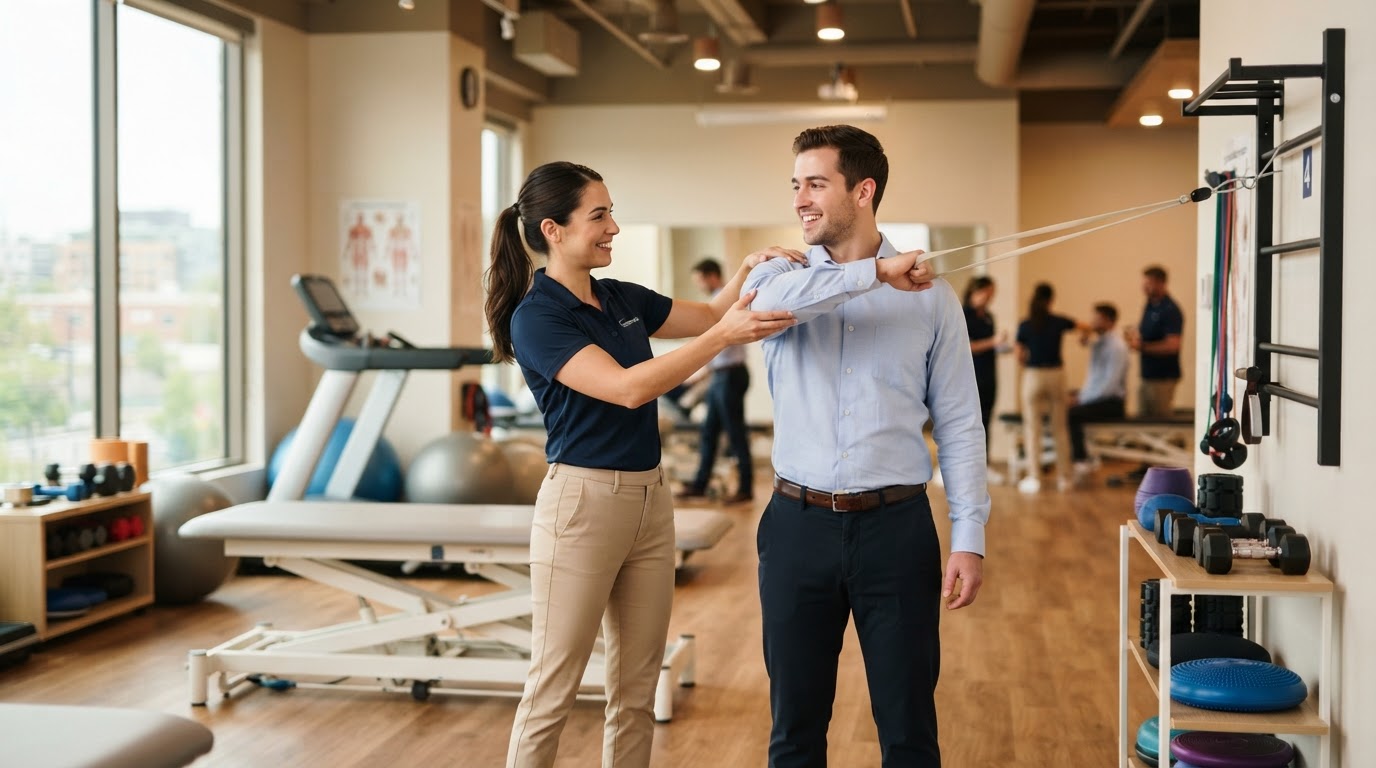
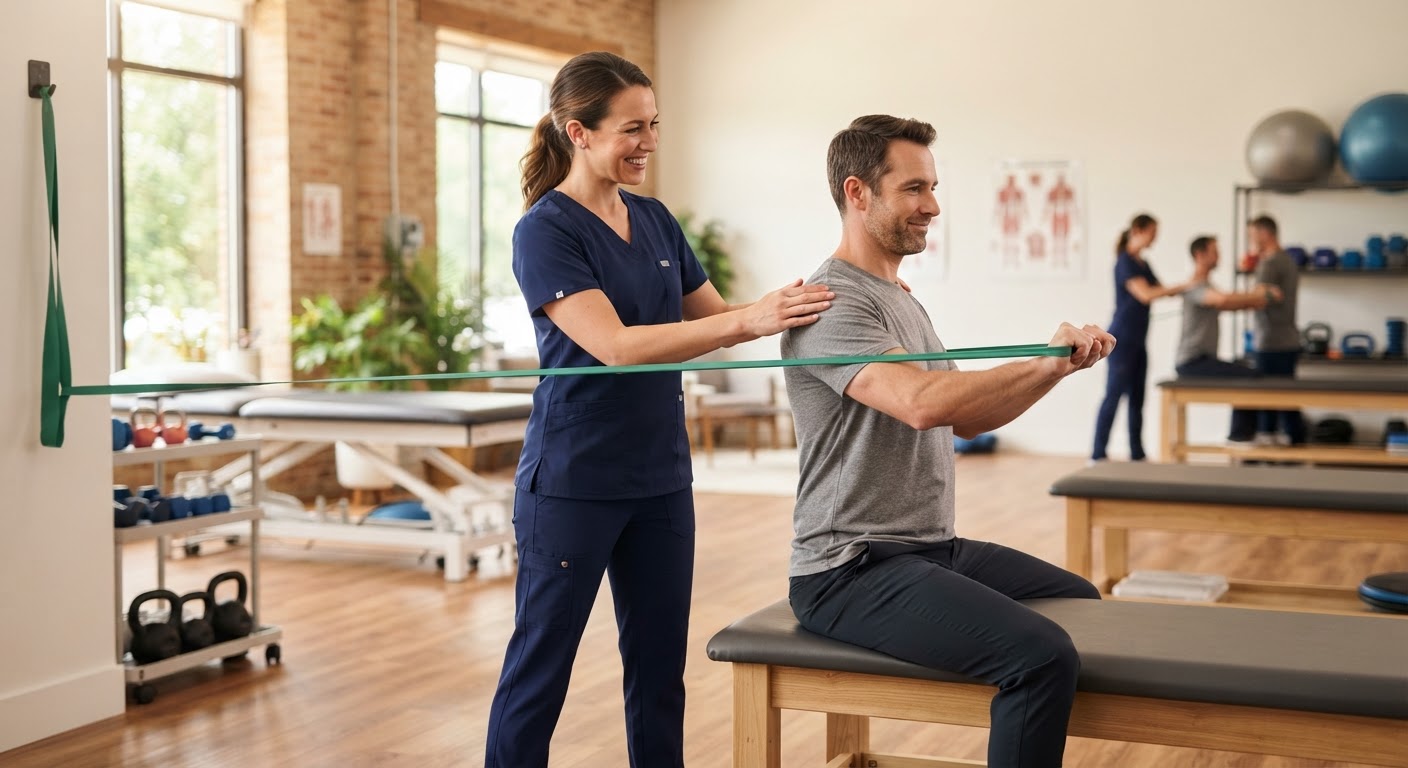
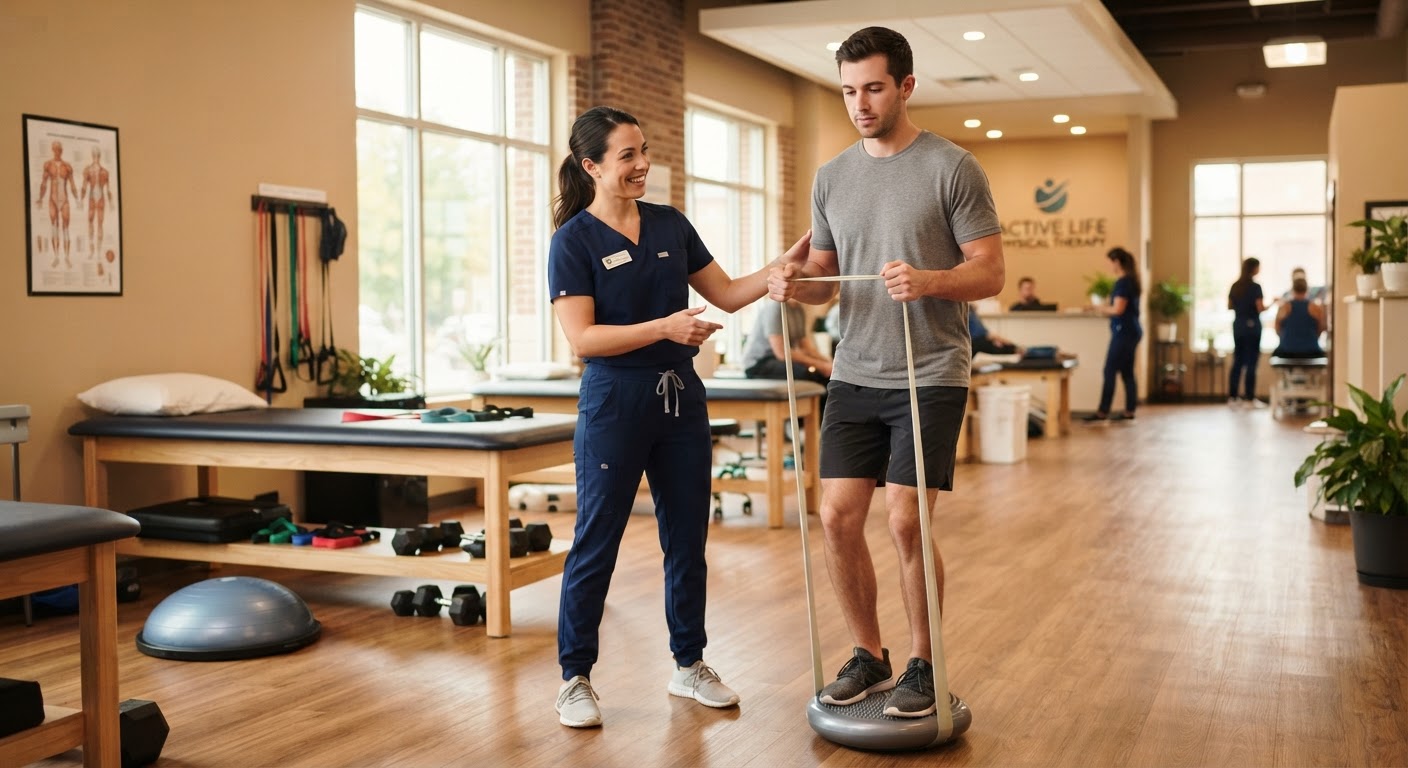
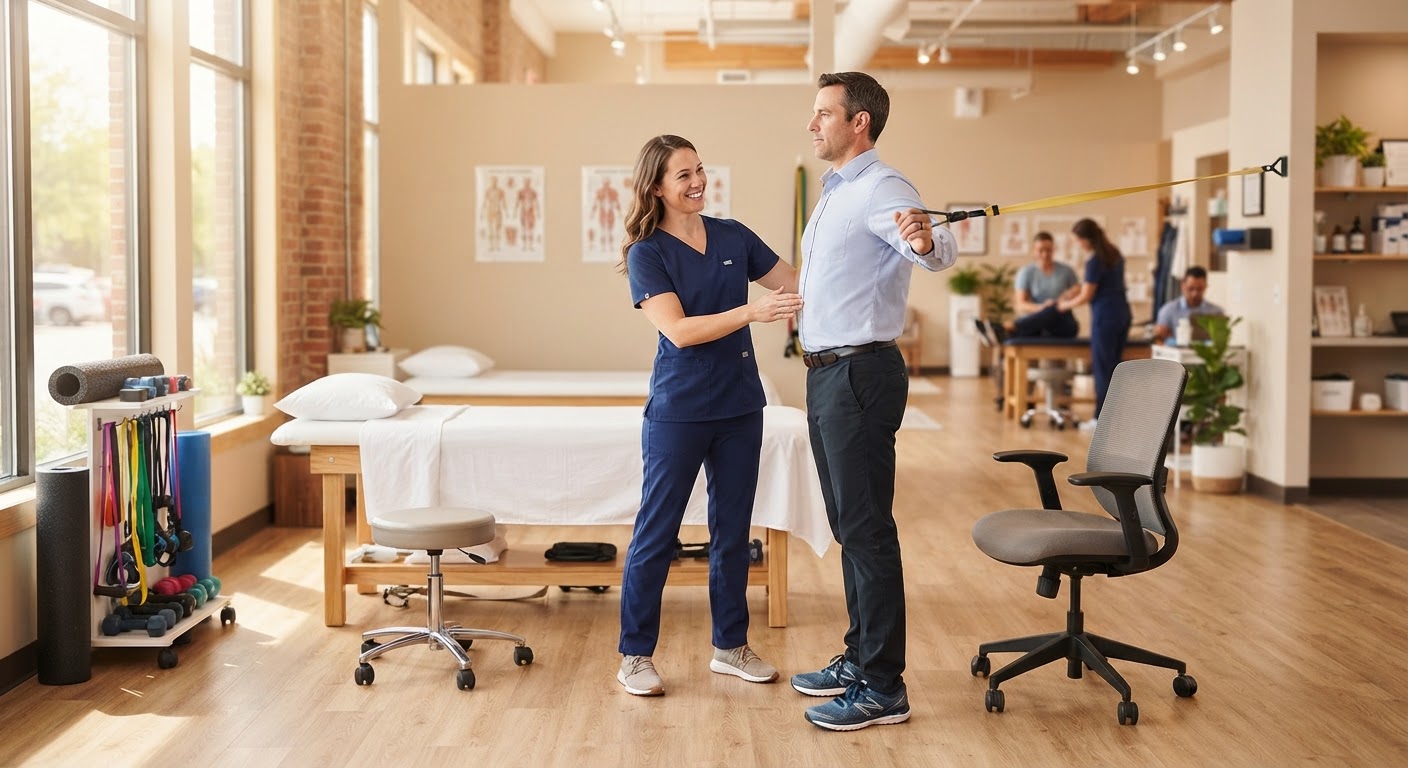
A physical therapist can assess your movement, strength, flexibility, and the physical demands of your job. Based on your needs, a personalized plan may include therapeutic exercises, movement training, education, and recommendations for modifying work tasks or your workstation. The goal is to help you move with greater confidence and address contributing factors before they interfere with work and everyday activities.
Physical therapy may also be useful if you have a history of injury or recurring discomfort. A therapist can guide a gradual return to demanding tasks and help you progress safely. Rehabilitation is individualized, so the right plan depends on your symptoms, health history, job duties, and goals. Physical therapy is not a substitute for emergency care when symptoms are severe or sudden.
At Physical Therapy NOW™, our team can help you explore practical strategies for workplace injury prevention and pain relief. The Miramar location offers a place to discuss your concerns and work toward a plan that fits your daily routine and occupational demands.
Take Steps Toward A Safer Workday
You do not need to wait until discomfort becomes disruptive to make a change. Start by adjusting one part of your workstation, varying your position more often, or reviewing how you lift and carry. If pain keeps returning, limits your movement, or makes work harder, consider speaking with a physical therapist about your options.
For personalized guidance, visit or call the Miramar location of Physical Therapy NOW™. Our team can help you take practical steps toward safer movement, effective rehabilitation, and lasting pain relief at work and beyond.
Ready to start feeling better?
Physical Therapy NOW™ has 40+ Florida locations with same-week appointments. Most insurance, auto accident (PIP), workers' compensation and Medicare accepted.