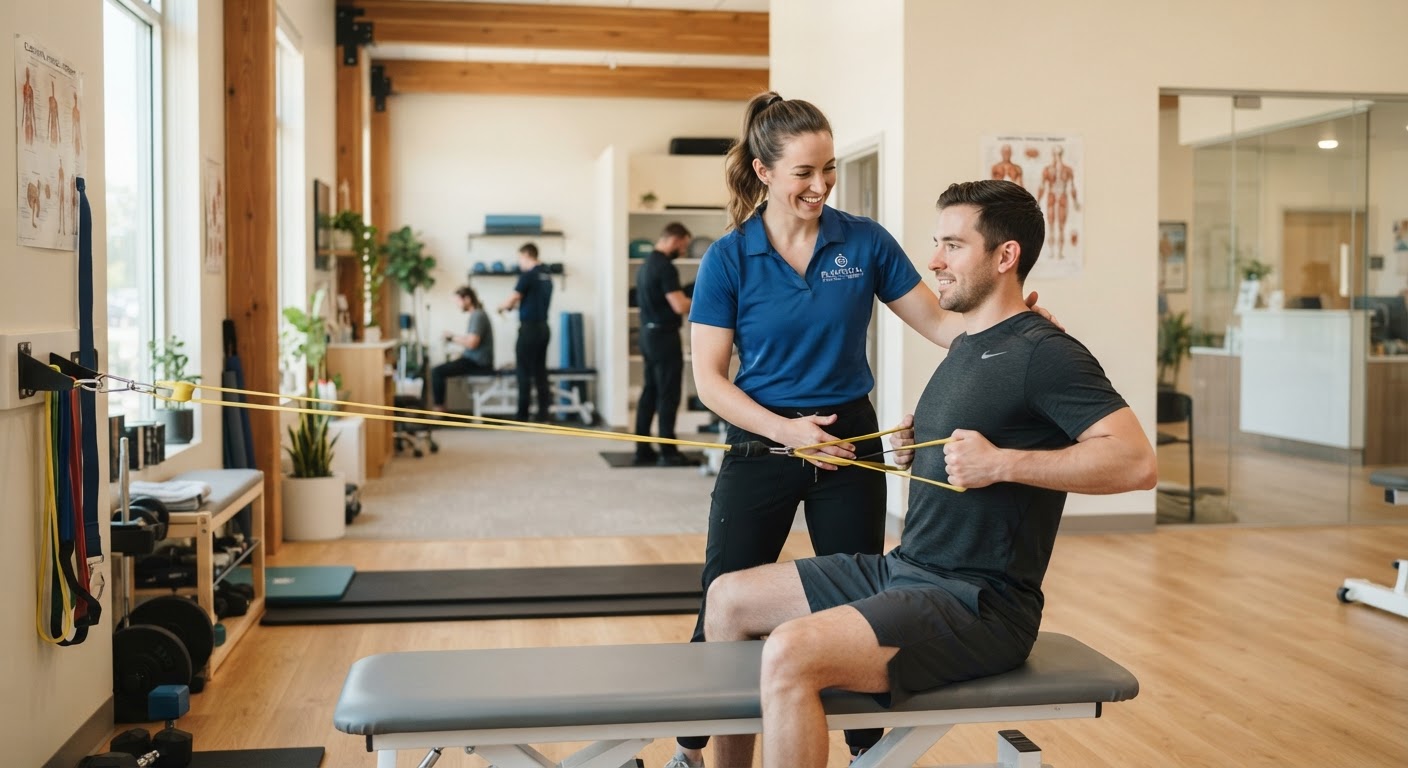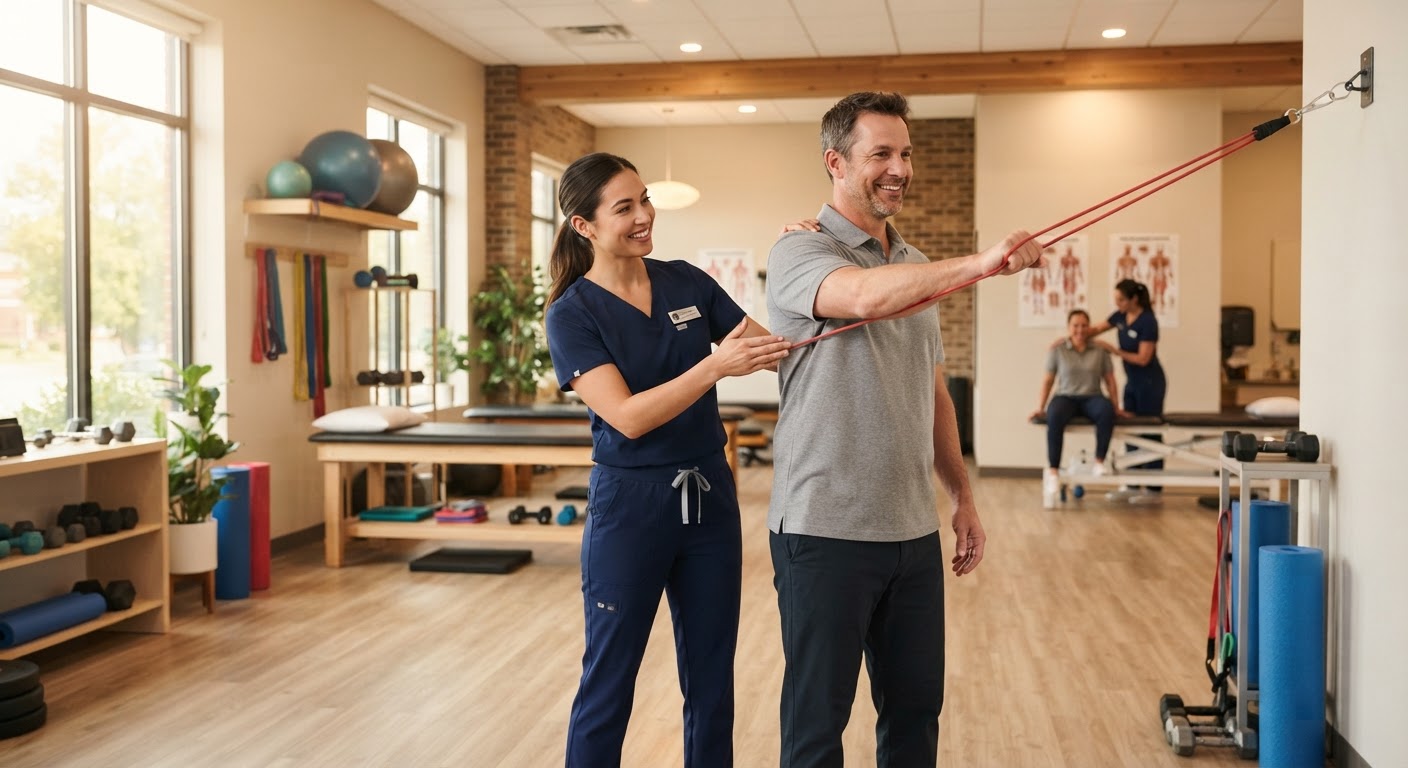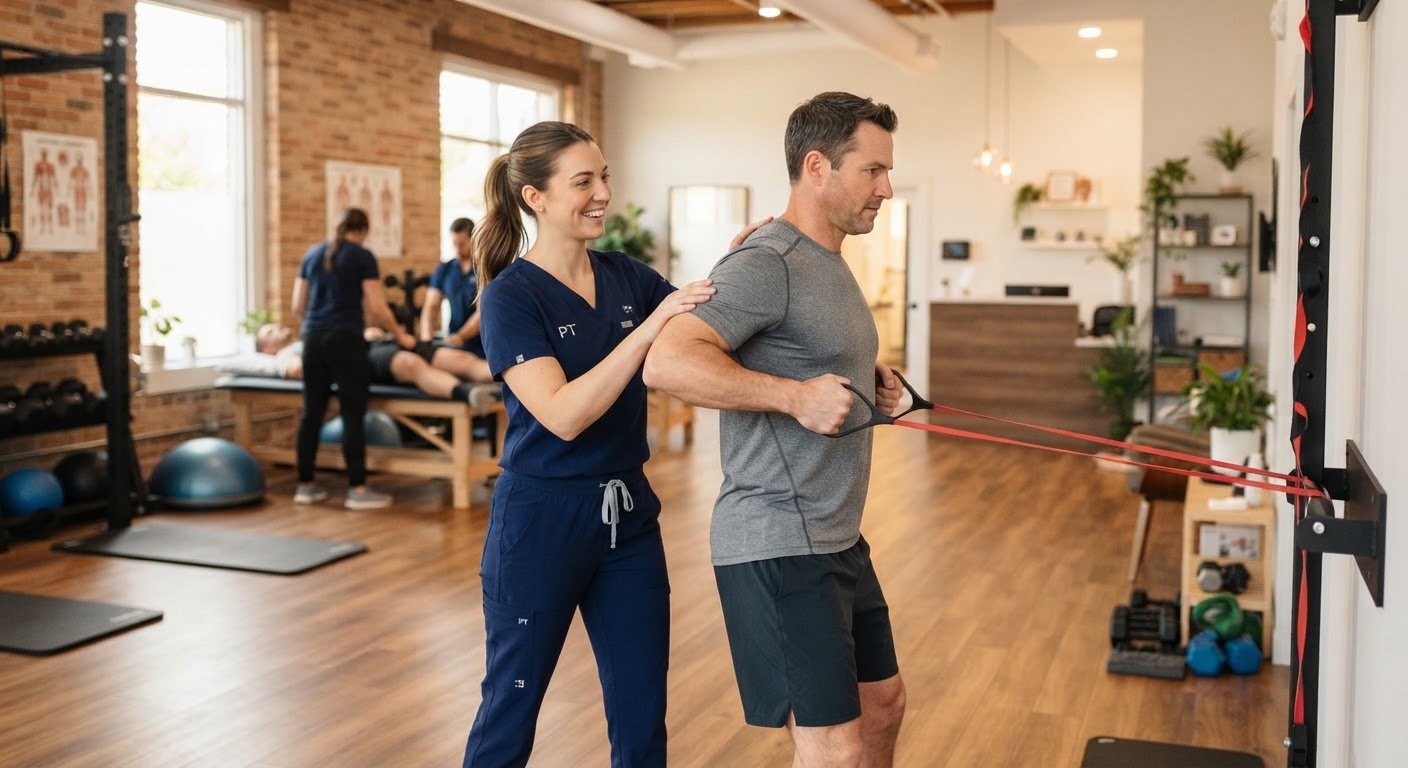
Workplace injuries can affect people in every kind of job, from office roles that involve hours at a desk to hands-on work that requires lifting, reaching, or standing. Many injuries develop gradually as repeated movements, awkward positions, or demanding tasks put stress on the body. Others happen suddenly when a person lifts, twists, or loses balance. With thoughtful work habits and guidance from a physical therapist, you can take practical steps to help reduce risk and keep moving comfortably.
At Physical Therapy NOW™'s Cutler Bay location in Miami, FL, physical therapists help people understand how their bodies move and build strategies for safer, more confident activity at work.
Understand Common Workplace Risks
Workplace discomfort often begins with repeated strain. Sitting for long periods, working with a screen or tools at an awkward height, reaching frequently, and repeating the same motion can all challenge the muscles and joints. Physically demanding tasks may add risks when loads are heavy, carrying routes are crowded, or workers feel rushed.
There is no single setup or movement that prevents every injury. Instead, pay attention to the demands of your specific role. Notice which tasks leave you tense or sore, when symptoms tend to appear, and whether your workspace encourages awkward postures. These observations can help you make useful adjustments and explain your needs to a supervisor or healthcare professional.
Set Up Your Workstation
A comfortable workstation makes it easier to vary your posture and work without unnecessary strain. If you sit at a desk, adjust your chair so your feet can rest on the floor or a footrest and your hips feel supported. Position your keyboard and mouse close enough that your shoulders can relax and your elbows stay near your sides. Place your screen in front of you at a height that lets you look ahead without repeatedly bending your neck.
For standing tasks, keep frequently used tools and supplies within easy reach when possible. Choose supportive footwear suited to your work environment, and look for opportunities to change positions rather than remaining still for long stretches. Small changes can help, but comfort is individual. Try an adjustment, then check whether it makes the task easier without creating a new strain.
Build Movement Into Your Day
The body benefits from changing positions throughout the workday. If your job allows, alternate between sitting, standing, and walking. Take brief movement breaks between tasks, or set a reminder to stand and gently move at regular intervals. A short walk, shoulder rolls, or comfortable upper-back movements may help break up prolonged stillness.
Keep movement easy and controlled. Do not force a stretch or continue an activity that increases pain, numbness, tingling, or weakness. If symptoms persist or interfere with work, ask a healthcare professional for individualized advice. A physical therapist can suggest movement options that fit your job duties, current abilities, and health history.
Use Safer Lifting Habits
Before lifting, consider the object's weight, shape, and path. Clear obstacles and make sure you can see where you are going. Stand close to the load, use a stable stance, and keep it near your body as you lift. Move smoothly, and turn by stepping your feet rather than twisting your trunk while carrying. If an item feels too heavy or awkward, use available equipment or ask for help instead of trying to manage it alone.
For frequent lifting, pushing, or carrying, technique is only part of the picture. Work pace, fatigue, equipment, and the layout of the space also matter. Employers and employees can work together to identify difficult tasks and make practical changes, such as improving access to carts or arranging supplies within easier reach.
Respond Early To Discomfort
Pay attention to symptoms that recur during or after work. Stiffness, soreness, or reduced comfort with a usual task can be a reason to review your work habits and seek guidance, especially if symptoms are getting worse or lasting longer. Early attention may help you address contributing factors before they have a greater impact on work and daily activities.
Stop and seek prompt medical care for severe or sudden symptoms, significant injury, or concerning changes such as new weakness or loss of sensation. A physical therapist can help assess movement and function, but urgent symptoms may require a different level of care.
How Physical Therapy Can Help
Physical therapy can support workplace injury prevention by identifying movement limitations, building strength and mobility, and helping you practice ways to perform job-related tasks more comfortably. Your therapist may ask about your work routine and goals, assess relevant movement, and develop a plan based on your needs. Depending on your situation, rehabilitation may include therapeutic exercise, movement coaching, posture or workstation recommendations, and strategies for gradually returning to more demanding tasks.
Physical therapy is not one-size-fits-all, and it cannot guarantee that an injury will never happen. It can, however, give you practical tools to understand your body and manage physical demands. If you are already experiencing discomfort, your plan may also address pain relief and help you work toward improved function.
Make Prevention Part Of Your Routine
Choose one or two changes you can put into practice this week. Adjust a frequently used workstation, take a brief movement break, or review how you approach a regular lifting task. Notice what feels helpful and keep communicating with your team about barriers to safer work. Consistent, manageable habits are often easier to maintain than trying to change everything at once.
If workplace discomfort is affecting your routine, the team at Physical Therapy NOW™ can help you explore next steps. Visit or call the Cutler Bay location serving Miami, Florida, to discuss your concerns and learn whether physical therapy may be right for you. Take a proactive step toward safer movement, effective rehabilitation, and pain relief tailored to your goals.
Ready to start feeling better?
Physical Therapy NOW™ has 40+ Florida locations with same-week appointments. Most insurance, auto accident (PIP), workers' compensation and Medicare accepted.