Workplace injuries can affect more than your workday. Repeated lifting, prolonged sitting, awkward reaching, and frequent computer use may contribute to muscle and joint discomfort over time. The good news is that practical changes, regular movement, and guidance from a physical therapist can help you address potential risks before they become bigger problems.
At Physical Therapy NOW™ in Cape Coral, FL, our team helps people understand how their work habits and physical demands affect their bodies. Whether you work at a desk, in a warehouse, in healthcare, or in another physically demanding setting, physical therapy can support safer movement, improved strength, and pain relief.
Understand Common Workplace Risks
Work-related discomfort can develop gradually or begin after a single demanding task. Repetitive motions, heavy loads, prolonged positions, poor workstation setup, and insufficient recovery time may all place extra stress on the body.
Desk-based workers may notice neck, shoulder, wrist, or back discomfort after long periods at a computer. Jobs involving lifting, carrying, pushing, or pulling can challenge the back, hips, shoulders, and knees. Even tasks that seem light can become demanding when performed repeatedly or with an awkward posture.
Pay attention to early signals such as persistent soreness, stiffness, tingling, reduced mobility, or discomfort that returns during a particular task. These symptoms do not always mean a serious injury is present, but they are useful reasons to review your work setup and movement habits. If symptoms are severe, worsening, or interfering with daily activities, seek guidance from a qualified healthcare professional.
Make Your Workstation Work for You
A comfortable workstation can help you avoid unnecessary strain. For computer work, adjust your chair so your feet are supported and your hips and knees feel comfortably positioned. Keep the screen near eye level and close enough to read without leaning forward. Position your keyboard and mouse within easy reach so your shoulders can stay relaxed and your elbows remain near your sides.
Avoid staying in one position for hours, even if your posture seems ideal. Change positions regularly, stand when practical, and take brief movement breaks. If you use a laptop for extended periods, an external keyboard and mouse can help you set up the screen at a more comfortable height.
Workstations differ, so a single setup will not suit everyone. Notice which positions feel comfortable and which tasks bring on symptoms. Small adjustments to chair height, screen placement, or equipment location can make a meaningful difference to your daily routine.
Use Safer Lifting And Carrying Techniques
Before lifting, consider the load, the distance you need to carry it, and whether you can use a cart or ask for help. Get close to the object, create a stable stance, and keep the load near your body. Bend at your hips and knees as comfortable, rather than reaching far from your base. Move your feet to change direction instead of twisting while carrying a heavy object.
If an item is too heavy, unstable, or difficult to grip, do not try to manage it alone. Use available lifting equipment or follow your workplace procedures for team lifting. Repeatedly handling loads can also cause fatigue, which may affect coordination and technique. Pace demanding tasks when possible and allow time for recovery.
Build Movement Into Your Day
Physical activity can help prepare your body for work demands. A balanced routine may include walking or other aerobic activity, strength exercises, and mobility work suited to your abilities. Focus on gradual progress rather than sudden, intense changes, especially if you have been inactive or are managing pain.
During the workday, alternate tasks when possible so the same muscles are not doing the same movement for long stretches. Try brief, comfortable movement breaks: stand and walk, gently move your shoulders, or change your position. These breaks are not a substitute for treatment, but they can help interrupt prolonged stillness and encourage body awareness.
If a movement causes sharp or increasing pain, stop and reassess rather than pushing through it. Exercise recommendations should reflect your health history, symptoms, and job requirements. A physical therapist can help you choose appropriate movements and build a plan that fits your needs.
How Physical Therapy Can Help Prevent Injuries
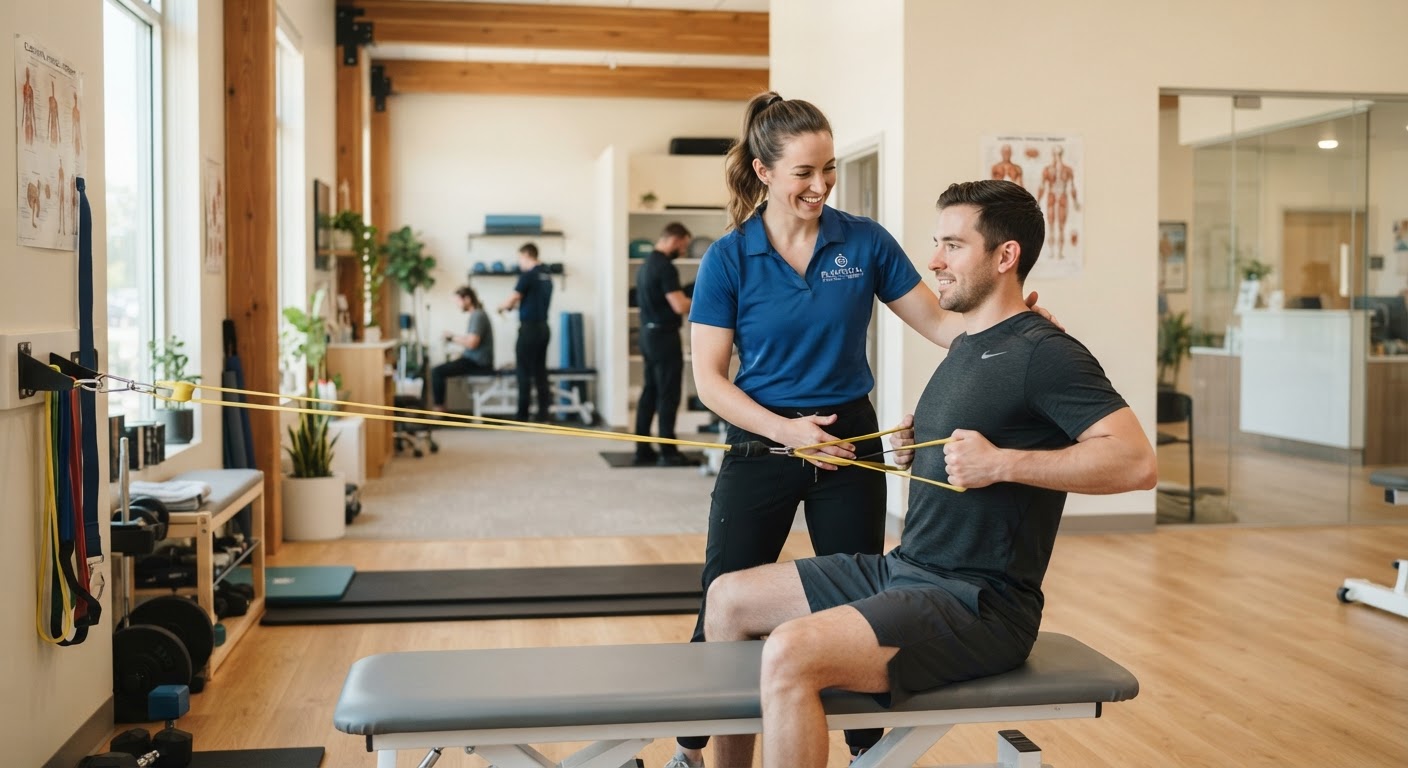
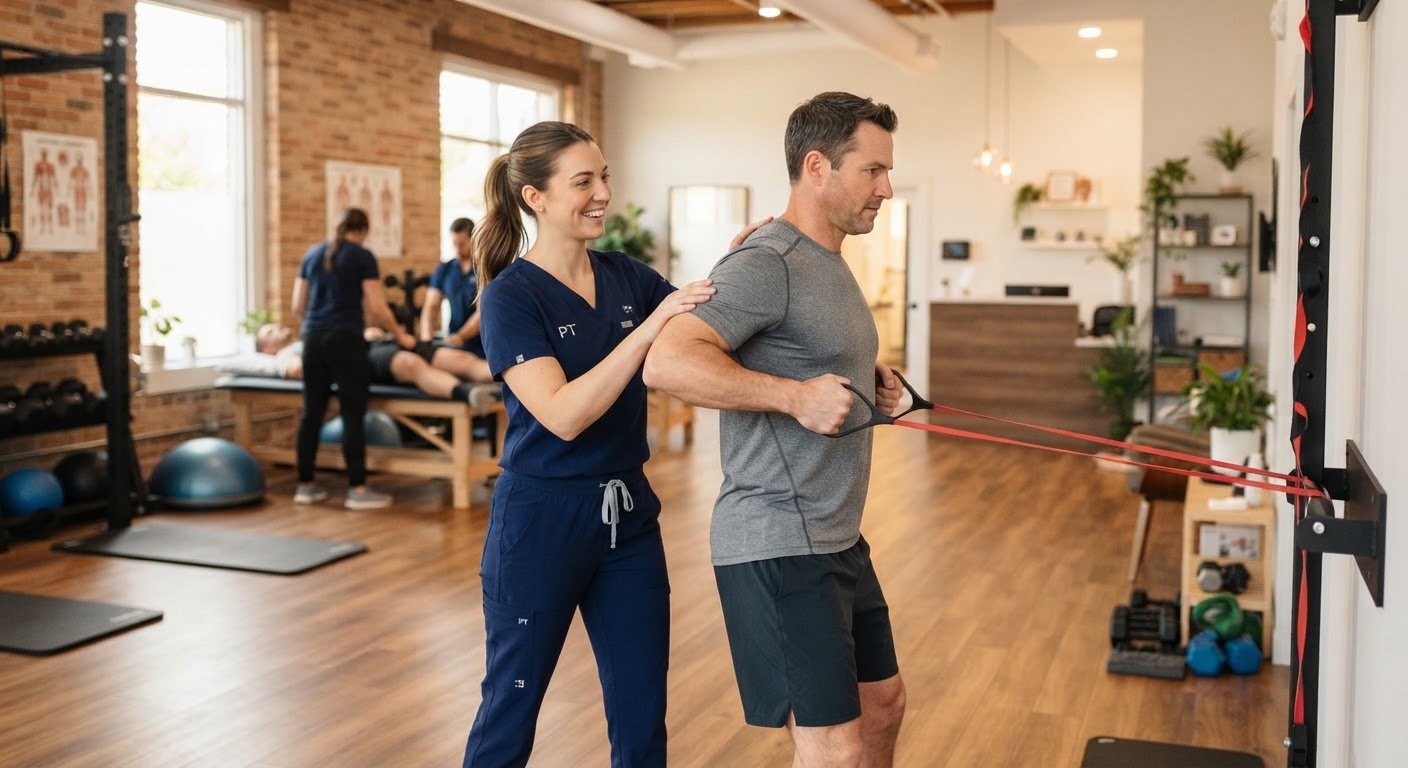
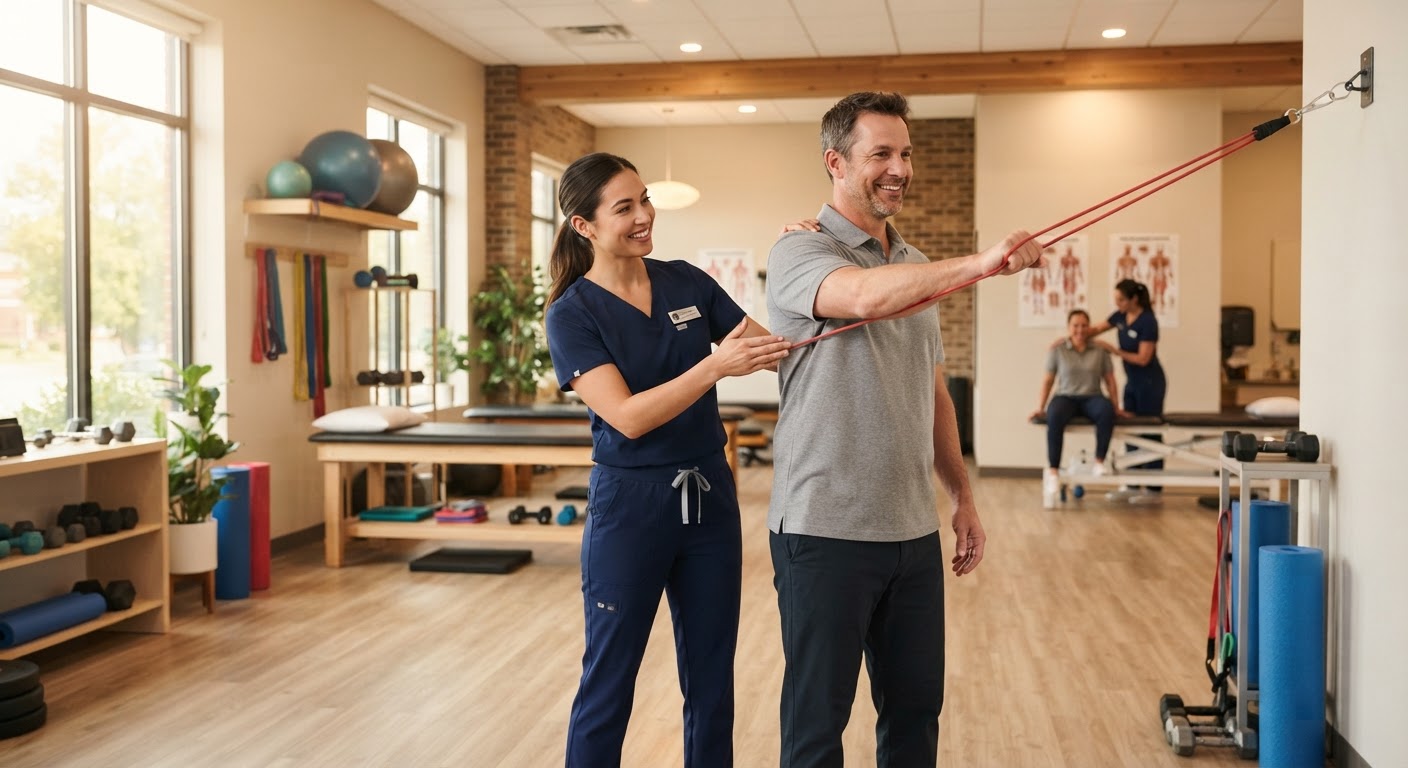
Physical therapy is not only for recovery after an injury. A physical therapist can assess how you move, identify physical factors that may increase strain, and offer practical strategies for your work tasks. Depending on your situation, rehabilitation may include strength and flexibility exercises, balance or movement training, education on body mechanics, and a gradual return-to-work plan.
Your therapist can also help you understand how to modify activities while you recover and when to progress them. A plan that considers your specific job is often more useful than general advice alone. If you already have discomfort, early assessment may help clarify what is contributing to it and guide appropriate care for pain relief and improved function.
Prevention also involves communication. If a task regularly causes discomfort, discuss possible adjustments with your supervisor or workplace safety team. Equipment changes, task rotation, or additional assistance may be appropriate options, depending on the job.
Take A Proactive Approach
You do not need to wait for pain to become disruptive before making changes. Start by noticing which tasks feel demanding, adjusting your workstation or lifting approach, and building short movement breaks into your schedule. If discomfort persists or your job makes it difficult to move comfortably, professional guidance can help you determine the next step.
Physical Therapy NOW™ offers physical therapy and rehabilitation support for people working to move more comfortably and confidently. Contact the Cape Coral location to ask how an individualized assessment may help you address workplace demands and work toward pain relief. Call or visit Physical Therapy NOW™ in Cape Coral, FL, to take a proactive step toward safer movement at work.
Ready to start feeling better?
Physical Therapy NOW™ has 40+ Florida locations with same-week appointments. Most insurance, auto accident (PIP), workers' compensation and Medicare accepted.