Living with persistent pain or functional limitations can be incredibly challenging. When you're facing discomfort that interferes with your daily life, it's natural to explore all available treatment options. For many musculoskeletal conditions, the discussion often turns to two primary paths: physical therapy or surgery. While surgery undoubtedly has its place, a growing body of evidence and clinical experience points to physical therapy as a highly effective and often preferred first-line treatment for a wide range of issues.
Understanding the choice between physical therapy and surgery is crucial for anyone seeking lasting relief and improved quality of life. At Physical Therapy NOW™ in The Villages, FL, we frequently guide our patients through this important decision-making process, emphasizing conservative care whenever appropriate.
Understanding Your Condition and Options
Before considering any treatment, it's essential to have a clear diagnosis from a healthcare professional. Whether it's chronic back pain, knee instability, shoulder impingement, or a sports injury, understanding the root cause of your symptoms will help you make an informed decision. Often, conditions that seem severe can be effectively managed and even resolved with targeted, non-invasive approaches.
What is Conservative Care?
Conservative care refers to any non-surgical treatment approach. For musculoskeletal problems, this primarily includes physical therapy, medication, injections, and lifestyle modifications. The goal of conservative care is to reduce pain, restore function, prevent further injury, and improve your overall physical well-being without the risks and recovery time associated with surgery.
The Role of Physical Therapy
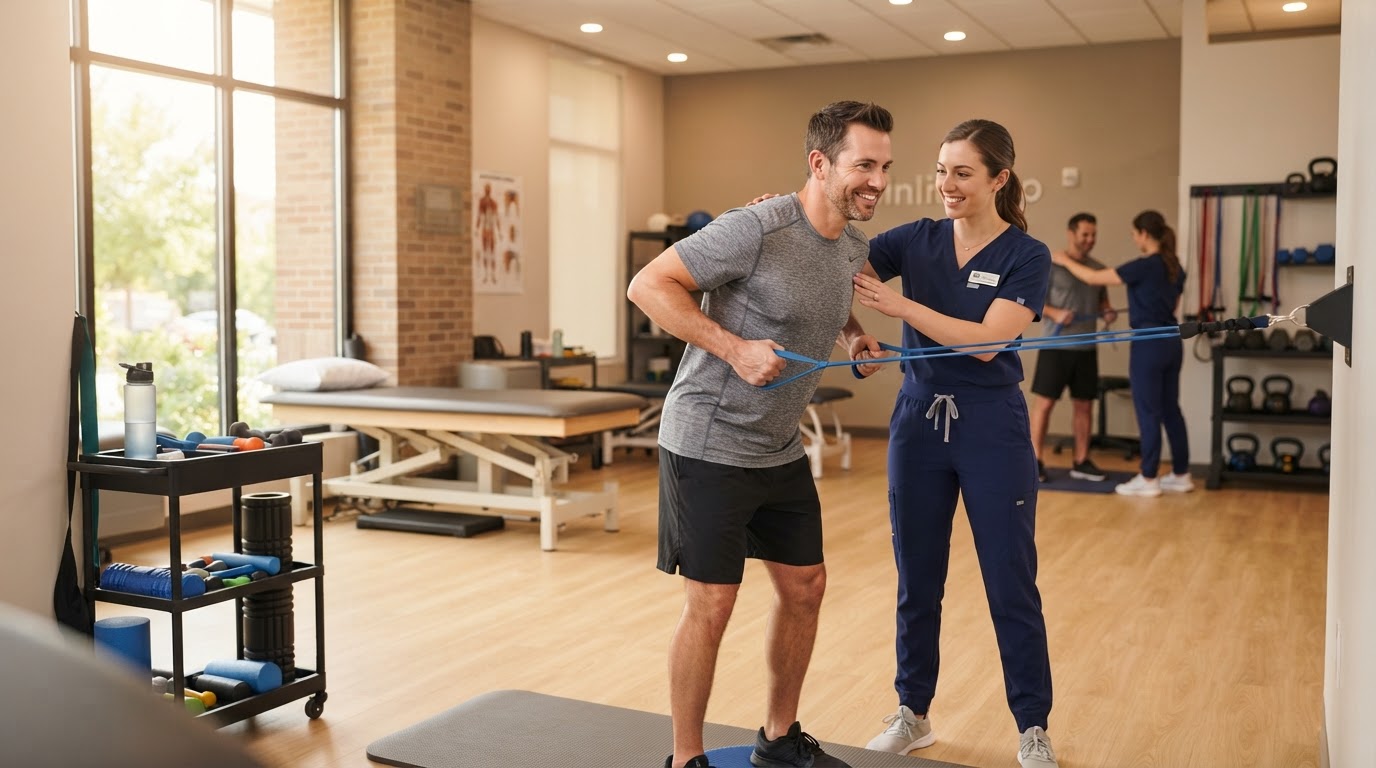
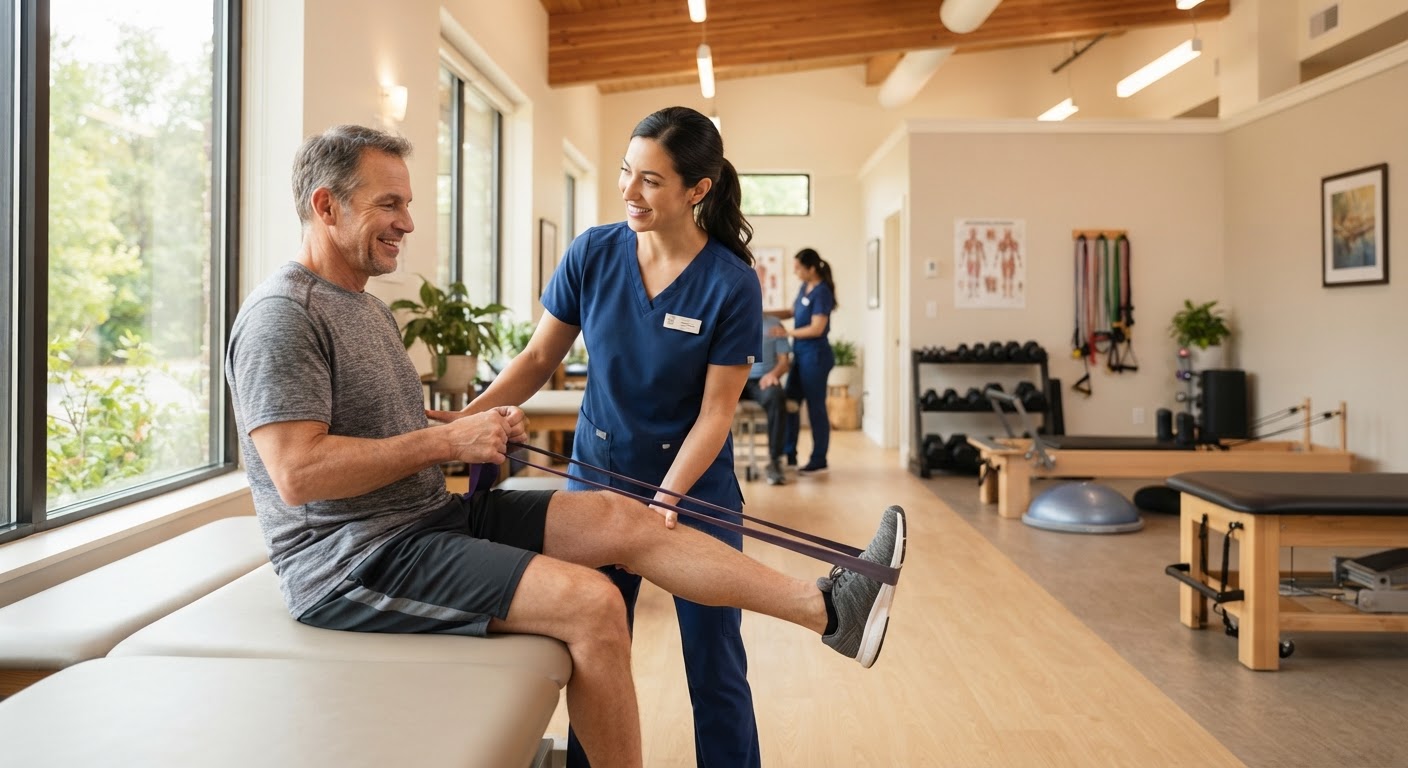
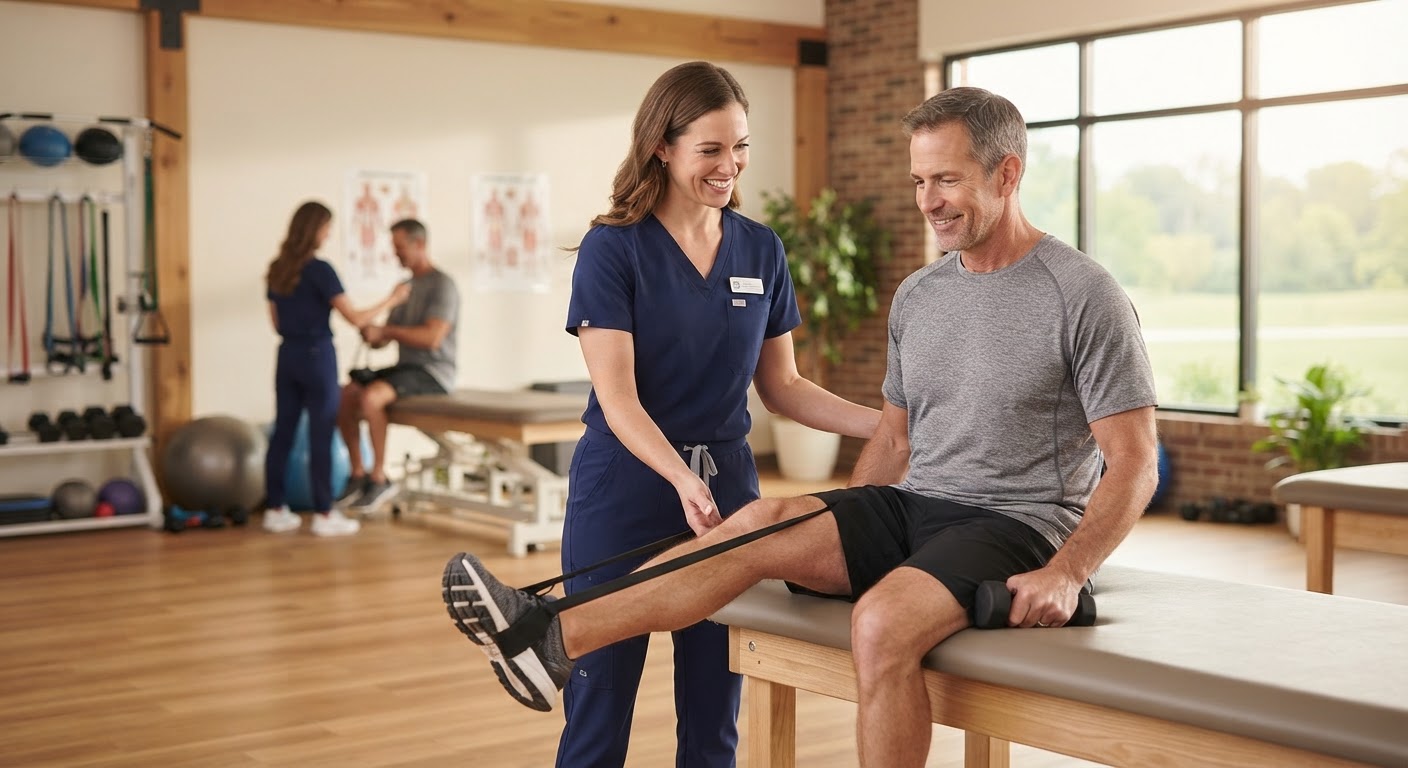
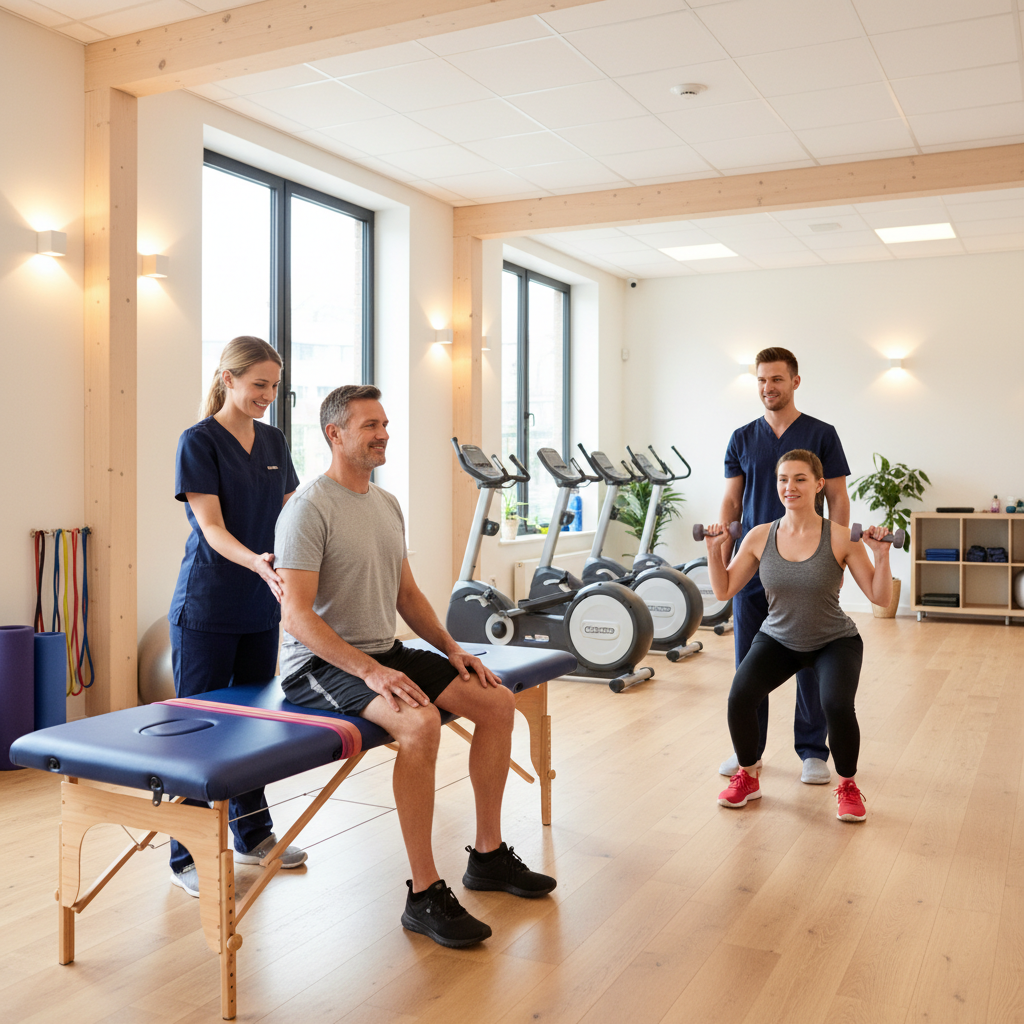
Physical therapy is a cornerstone of conservative care. It involves a holistic approach to healing and recovery, focusing on personalized exercise programs, manual therapy techniques, education, and modalities to address your specific needs. A skilled physical therapist can identify muscle imbalances, joint restrictions, faulty movement patterns, and other factors contributing to your pain. Through targeted interventions, physical therapy aims to:
Reduce Pain: Using techniques such as manual therapy, therapeutic exercises, dry needling, electrical stimulation, and heat/cold therapy to alleviate discomfort.
Improve Mobility and Flexibility: Restoring range of motion in stiff joints and improving tissue extensibility.
Strengthen Muscles: Building strength in weakened muscles to support joints and improve stability.
Enhance Balance and Coordination: Reducing the risk of falls and improving functional movement patterns.
Educate and Empower: Teaching you proper body mechanics, posture, and self-management strategies to prevent recurrence and maintain long-term health.
Accelerate Healing: Promoting natural healing processes through controlled movement and exercise.
When is Physical Therapy the Preferred Choice?
Numerous studies and clinical guidelines advocate for physical therapy as the first line of treatment for many common conditions. Here are situations where physical therapy is often the optimal choice for pain relief and rehabilitation:
Chronic Back and Neck Pain: For most non-specific back and neck pain, physical therapy is highly effective in strengthening core muscles, improving posture, and restoring spinal mobility.
Osteoarthritis: While a degenerative condition, physical therapy can significantly reduce pain, improve joint function, and delay the need for joint replacement surgery by strengthening supporting muscles and improving joint mechanics.
Rotator Cuff Tears (Partial): Many partial rotator cuff tears can heal and improve with a structured physical therapy program that focuses on strengthening surrounding muscles and improving shoulder mechanics.
Meniscus Tears (Degenerative/Stable): For many non-traumatic or stable meniscus tears, especially in older adults, physical therapy can be as effective as surgery in improving pain and function.
Ligament Sprains (e.g., ACL/MCL conservative management): Depending on the grade and stability, some ligament injuries can be managed effectively through rehabilitation, focusing on strengthening and proprioceptive training.
Sciatica and Radiculopathy: Physical therapy can help decompress nerves, reduce inflammation, and improve spinal alignment to alleviate radiating pain.
Postural Issues: Correcting poor posture through strengthening and education can prevent chronic pain conditions.
Pre-Surgical Preparation (Prehab):
Even if surgery is eventually necessary, engaging in physical therapy beforehand, known as 'prehab,' can significantly improve surgical outcomes. Stronger muscles, better flexibility, and a clearer understanding of post-operative exercises can lead to faster recovery times and reduced complications.
The Limitations and Risks of Surgery
While surgery is a vital option for certain conditions—such as severe fractures, complete ligament ruptures, or advanced degenerative joint disease—it comes with inherent risks and considerations:
Invasive Procedure: Involves incisions, anesthesia, and potential for infection, blood clots, or nerve damage.
Extended Recovery Time: Post-operative rehabilitation can be lengthy, impacting daily activities and work.
Cost: Surgical procedures are often significantly more expensive than physical therapy.
Scar Tissue Formation: Can sometimes lead to new pain or limited mobility.
Unpredictable Outcomes: Not all surgeries yield the desired results, and some patients may experience continued pain or develop new issues.
Practical Tips for Choosing Your Path
Consult Your Physician: Discuss your diagnosis and treatment options thoroughly with your doctor. Ask about the potential benefits and risks of both surgical and non-surgical approaches.
Seek a Physical Therapy Evaluation: A comprehensive evaluation by a qualified physical therapist can provide valuable insight into your condition and whether conservative care is likely to be successful. At Physical Therapy NOW™ in The Villages, our expert team provides thorough assessments to develop personalized treatment plans.
Consider the Evidence: Ask your healthcare providers about the evidence supporting physical therapy for your specific condition.
Weigh the Risks and Benefits: Evaluate the potential advantages of avoiding surgery against the need for immediate, definitive intervention.
Commit to the Process: If you choose physical therapy, be prepared to actively participate in your treatment plan. Consistency and adherence to your exercises are key to success.
Physical therapy offers a powerful, patient-centered approach to pain relief and rehabilitation. It empowers you to take an active role in your recovery, often avoiding the need for invasive procedures and their associated risks. Before considering surgery, explore the profound benefits of conservative care.
If you're experiencing pain or struggling with mobility, we invite you to learn more about how physical therapy can help you regain control and improve your quality of life. Our dedicated team at Physical Therapy NOW™ in The Villages, FL, is ready to partner with you on your journey to recovery.
Take the First Step Towards a Pain-Free Life
Don't let pain dictate your daily activities. Explore the non-surgical path to recovery and discover lasting pain relief. Contact Physical Therapy NOW™ at our The Villages location today to schedule your initial consultation. Let us help you move better, feel better, and live better.
Ready to start feeling better?
Physical Therapy NOW™ has 40+ Florida locations with same-week appointments. Most insurance, auto accident (PIP), workers' compensation and Medicare accepted.