Physical Therapy vs Surgery: When to Choose Conservative Care
Pain, limited movement, or an injury can make you wonder whether surgery is the fastest path back to normal. In many situations, though, conservative care such as physical therapy is worth discussing before an operation. A personalized rehabilitation program may reduce pain, improve strength, and help you return to everyday activities without surgery. The right choice depends on your diagnosis, symptoms, goals, and overall health, so decisions should be made with your healthcare provider.
What Conservative Care Means
Conservative care refers to nonsurgical approaches that address symptoms and support recovery. Depending on your needs, a care plan may include physical therapy, activity adjustments, therapeutic exercise, education, and strategies to manage pain. Your clinician may also coordinate with your physician or other providers to make sure treatment fits your diagnosis.
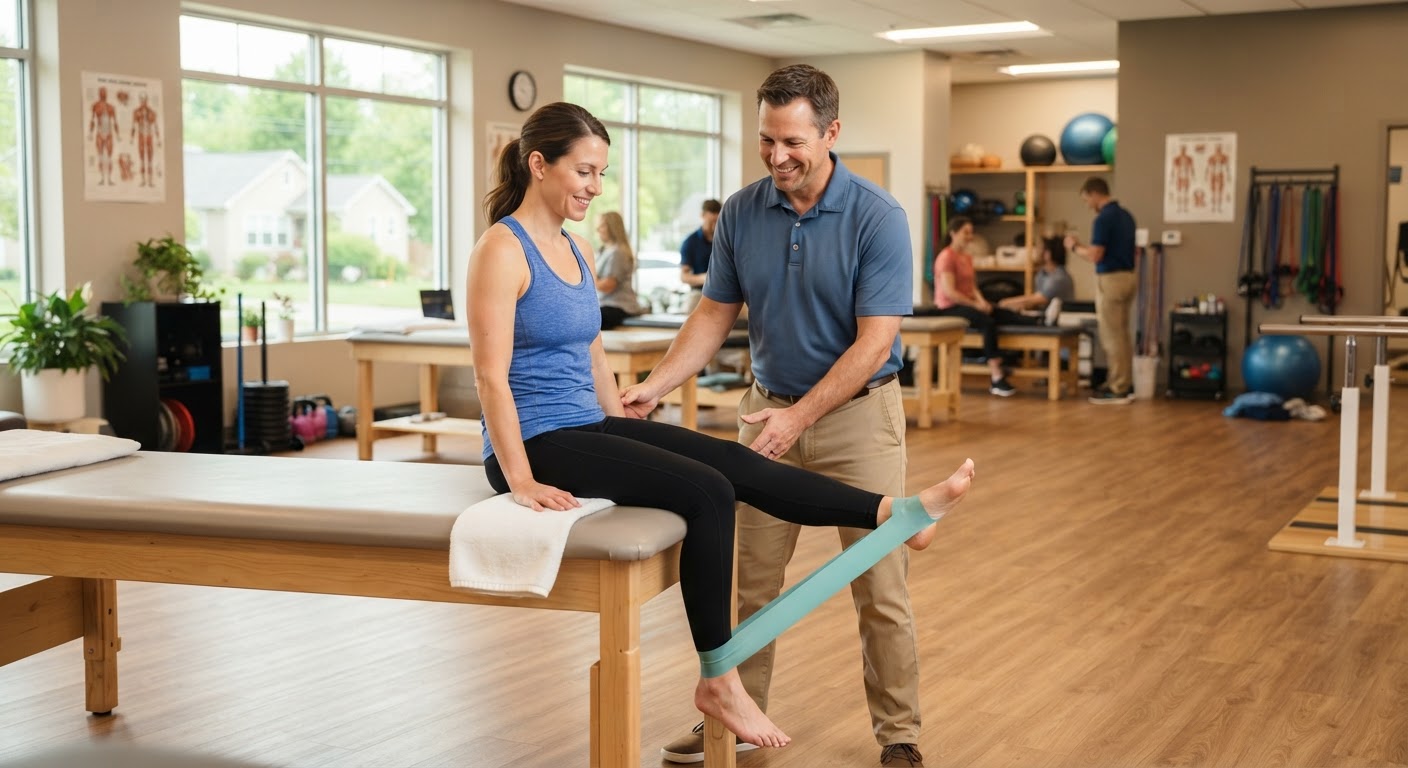
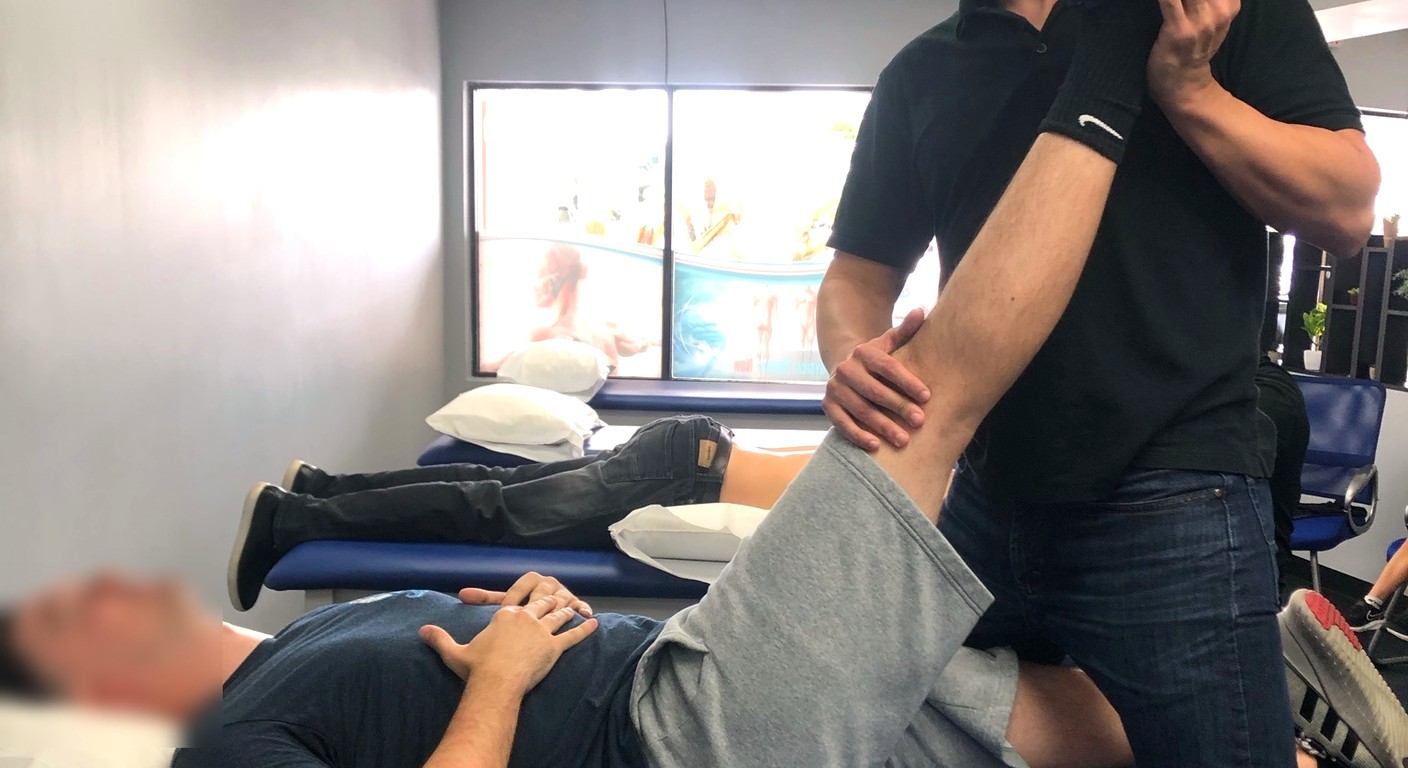
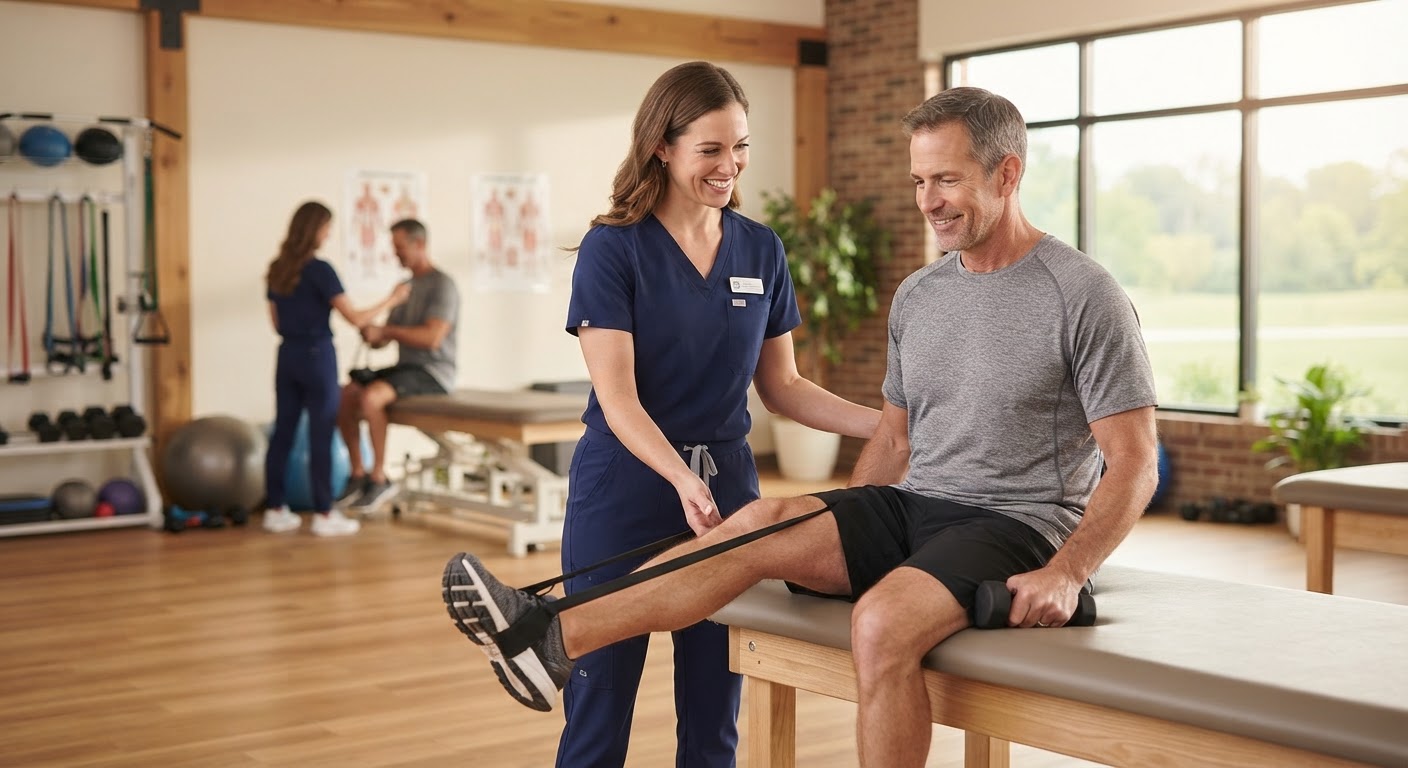
Physical therapy is not simply a set of exercises. A physical therapist evaluates how you move, where symptoms occur, and what activities are difficult. From there, the therapist can develop a plan to improve mobility, strength, balance, and tolerance for daily tasks. Treatment is adjusted as you progress, with the goal of helping you move more comfortably and confidently.
When Physical Therapy May Be a Good First Step
For many musculoskeletal problems, including some cases of back or neck pain, joint stiffness, tendon irritation, and recovery after an injury, a provider may recommend trying conservative treatment first. Physical therapy can help address movement limitations and build the strength or coordination needed to support a return to activities.
A physical therapist can also help you understand which movements are appropriate and how to modify tasks that aggravate symptoms. This can be especially useful if pain has caused you to avoid exercise or everyday activities. Gradual, guided movement may help you regain function while reducing the risk of doing too much too soon.
Progress is individual. Some people notice changes quickly, while others need more time or a different approach. Your therapist can track changes in pain, range of motion, strength, and function, then discuss next steps with you and your medical team.
When Surgery May Be Considered
Surgery may be appropriate when a condition requires an operation, when symptoms are severe or worsening, or when a reasonable trial of nonsurgical care has not provided enough improvement. The decision depends on the specific diagnosis and the potential benefits and risks of the procedure. A surgeon can explain what surgery may accomplish, what recovery involves, and what alternatives are available.
Physical therapy and surgery are not always either-or options. Rehabilitation may be recommended before surgery to help prepare your body, or afterward to restore strength and mobility. In some cases, beginning physical therapy while consulting with a specialist can help you make a more informed decision. Ask your provider what outcome is realistic with each option and how long you should try conservative care before reassessing.
Questions To Ask Before Making A Decision
Before choosing a treatment path, write down your concerns and discuss them with your healthcare provider. Helpful questions include: What is causing my symptoms? Are there nonsurgical options for my condition? What changes should I expect from physical therapy? How will we measure progress? What symptoms would mean I should seek further evaluation? If surgery is recommended, what are the expected benefits, risks, and recovery needs?
Share how pain affects your work, sleep, hobbies, and daily routine. These details help your care team connect treatment goals to what matters most to you. If you have imaging results or a referral, bring them to your appointment, but remember that treatment decisions should consider your symptoms and physical examination as well as test findings.
Practical Tips For Starting Conservative Care
Follow the guidance of your healthcare provider and physical therapist, especially if you have a new or complex diagnosis. Be consistent with your prescribed home program, and ask for clarification if an exercise causes sharp, unusual, or increasing symptoms. Do not push through severe pain simply to complete a movement.
Keep a brief record of your symptoms and activity. Note what makes discomfort better or worse, how long symptoms last, and which tasks are becoming easier. This information can help your therapist adjust your rehabilitation plan. When possible, stay gently active within the limits recommended for you rather than resting completely for longer than advised.
Give treatment a fair, agreed-upon trial and attend follow-up appointments. If you are not improving, tell your care team. A lack of progress is useful information and may prompt a change in the plan or a referral for additional evaluation.
Get Prompt Medical Attention When Needed
Some symptoms should not wait for a routine physical therapy appointment. Seek prompt medical care for sudden or severe symptoms, a major injury, new significant weakness or numbness, or changes in bladder or bowel control. If you are unsure whether your symptoms are urgent, contact a medical professional for guidance.
Choosing A Path That Fits You
For many people, physical therapy offers a practical way to pursue pain relief and better function before deciding whether surgery is necessary. It can also support recovery when an operation is part of the plan. The best approach is one grounded in an accurate diagnosis, clear goals, and communication between you and your healthcare team.
Physical Therapy NOW™ in Homestead, FL can help you explore rehabilitation options and work toward meaningful movement goals. If pain or limited mobility is affecting your routine, visit or call the Physical Therapy NOW™ Homestead location to ask about getting started. A conversation with a physical therapist can help you understand your options and take a confident next step.
Ready to start feeling better?
Physical Therapy NOW™ has 40+ Florida locations with same-week appointments. Most insurance, auto accident (PIP), workers' compensation and Medicare accepted.