Physical Therapy vs Surgery: When to Choose Conservative Care
When pain limits your work, sleep, exercise, or everyday activities, it is natural to wonder whether surgery is the quickest path to feeling better. In many situations, physical therapy and other conservative treatments may help improve movement, build strength, and support pain relief without an operation. But the best choice depends on your diagnosis, symptoms, health history, goals, and response to care.
Understanding what each option can—and cannot—do can help you have a more informed conversation with your healthcare provider. At Physical Therapy NOW™ in Doral, FL, the care team can help you understand how rehabilitation may fit into your recovery plan.
What Conservative Care Means
Conservative care refers to nonsurgical approaches used to manage a condition and improve function. Depending on your needs, a plan may include physical therapy, a home exercise program, activity adjustments, education, or other treatments recommended by your medical provider.
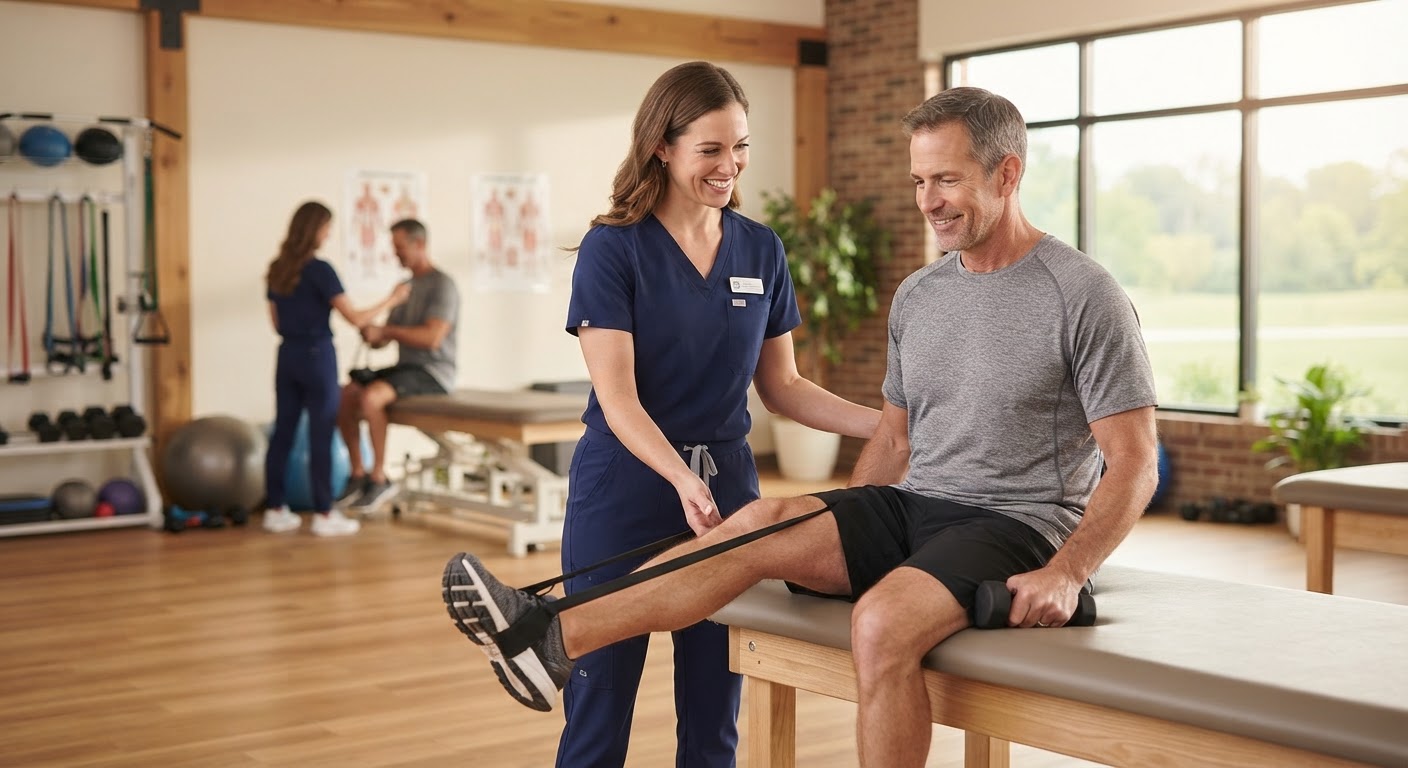
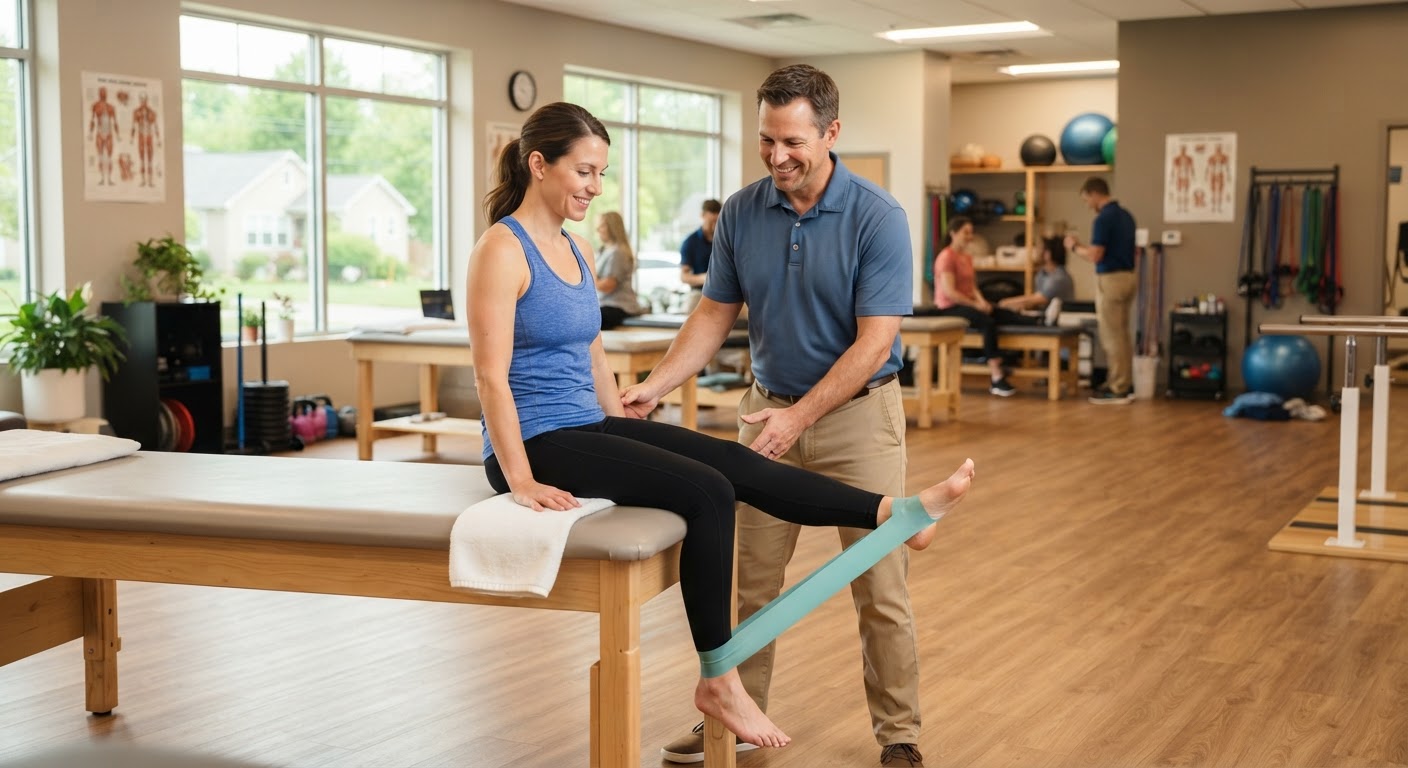
Physical therapy is not simply a set of exercises. A physical therapist evaluates how you move, what activities bring on symptoms, and which factors may be affecting your function. Your plan may include guided exercises, mobility work, balance or coordination training, and practical strategies for daily activities. Treatment is adjusted as you progress and as your goals become clearer.
Conservative care can be considered for many musculoskeletal concerns, including some cases of back or neck pain, joint stiffness, muscle strains, and mobility limitations. The appropriate approach varies; an evaluation is important to determine whether physical therapy is suitable for you.
When Physical Therapy May Be Worth Trying
A nonsurgical approach may be a reasonable starting point when your symptoms are stable, there is no urgent medical concern, and your clinician believes rehabilitation is appropriate. It may also be useful before surgery, after surgery, or alongside other treatments.
Physical therapy may help you work toward goals such as moving more comfortably, improving strength, returning to valued activities, and learning ways to manage symptoms. Progress is individual. Some people notice changes quickly, while others need a longer, carefully paced program. A therapist can help set realistic goals and modify your plan if an activity increases your symptoms.
If you have been advised to consider surgery, you can ask whether a trial of physical therapy is appropriate for your diagnosis and what signs would indicate that the plan should be reassessed. In some cases, a clinician may recommend rehabilitation before a procedure to help you prepare physically. Physical therapy after an operation may also be part of the recovery plan.
When Surgery May Be Appropriate
Surgery can be an important and sometimes necessary treatment. A surgical consultation may be appropriate when a condition causes significant limitations, conservative care has not provided enough improvement, or examination and imaging findings point to a problem that may benefit from an operation. Certain injuries or medical conditions may require prompt evaluation rather than a trial of routine exercise-based care.
The decision should be made with qualified healthcare professionals who understand your specific condition. Ask what the operation is intended to address, what benefits and risks are expected, what recovery may involve, and what alternatives are available. It is also reasonable to ask how long conservative care should be tried, if it is safe to do so, and what outcomes would count as meaningful improvement.
Do not delay urgent medical evaluation for sudden or severe symptoms, a serious injury, rapidly worsening weakness, or new problems with bladder or bowel control. These examples are not a complete list. Contact a medical professional promptly if symptoms are concerning or changing quickly.
How to Make an Informed Decision
Start with a clear evaluation. Share when your symptoms began, what makes them better or worse, how they affect your routine, and what you hope to do again. Bring a list of medications, relevant health conditions, prior treatments, and questions. If you have imaging or specialist recommendations, discuss them with your care team; test results should be interpreted alongside your symptoms and examination.
Ask about realistic options. Useful questions include: Is physical therapy appropriate for my condition? What will the treatment plan involve? How will we track progress? What should I do if symptoms worsen? When should we reconsider the plan or seek another opinion?
You do not have to choose between ignoring pain and having surgery immediately. For many people, a coordinated plan can begin with conservative care and include follow-up with a physician or specialist. If progress is limited, the team can review the diagnosis and discuss next steps. The aim is not to avoid surgery at all costs; it is to choose care that is appropriate for your needs and informed by your clinical situation.
Practical Tips for Starting Rehabilitation
Be consistent with the plan you and your therapist agree on, including any home exercises. Ask for a demonstration if you are unsure about form, and speak up if an exercise causes unexpected or worsening symptoms. Do not push through sharp or escalating pain without guidance.
Keep track of function, not just pain. Note changes in sleep, walking, lifting, work tasks, or other activities that matter to you. These observations can help your therapist understand what is improving and what still needs attention.
Follow your clinician’s advice about activity and recovery. Avoid making major changes to medication, exercise, or treatment without discussing them with an appropriate healthcare professional. Small, steady adjustments are often easier to sustain than an all-at-once return to demanding activity.
Explore Your Options in Doral
Choosing between physical therapy and surgery is a personal medical decision, not a one-size-fits-all rule. Conservative care may offer a practical path toward rehabilitation and pain relief, while surgery may be the right option for some conditions or when other care is not enough. A thoughtful evaluation and open communication can help you understand the trade-offs.
Physical Therapy NOW™ welcomes patients at its Doral location and can help you explore whether physical therapy may support your goals. Visit or call the Physical Therapy NOW™ Doral location in Doral, FL to ask about an evaluation and take a practical next step toward moving with greater confidence.
Ready to start feeling better?
Physical Therapy NOW™ has 40+ Florida locations with same-week appointments. Most insurance, auto accident (PIP), workers' compensation and Medicare accepted.