Physical Therapy vs Surgery: When to Choose Conservative Care
Pain or an injury can make it difficult to work, exercise, sleep, or enjoy everyday activities. When symptoms persist, surgery may seem like the fastest path to relief. But for many musculoskeletal conditions, conservative care such as physical therapy may be an appropriate first step. Understanding your options can help you make a decision that fits your diagnosis, goals, and overall health.
At Physical Therapy NOW™ in Weston, Florida, patients can work with a physical therapist to understand movement limitations and explore a rehabilitation plan. Physical therapy is not a substitute for every procedure, and surgery is not always avoidable. The right approach depends on an evaluation by qualified healthcare professionals and a clear discussion of potential benefits, risks, and alternatives.
What Conservative Care Means
Conservative care refers to nonsurgical treatment intended to reduce symptoms and improve function. Depending on your needs, it may include physical therapy, a gradual exercise program, activity adjustments, education, and coordination with your physician. The goal is not simply to mask pain. Treatment can address strength, flexibility, balance, mobility, and movement habits that affect how you perform daily tasks.
A physical therapist can assess how your symptoms influence activities such as walking, lifting, reaching, or climbing stairs. Based on that assessment, the therapist may recommend exercises and practical strategies that progress as your ability changes. Your plan should be specific to you, rather than a generic set of exercises found online.
When Physical Therapy May Be a Good First Step
For many muscle, joint, and soft-tissue problems, a clinician may recommend trying nonsurgical care before considering an operation. Physical therapy may be worth discussing when pain limits your function but there is no urgent need for surgery, when you want to regain strength and mobility, or when symptoms followed an injury or a change in activity.
It may also be useful when you have already received a diagnosis and want guidance returning to work, sports, or everyday routines. Your physician and physical therapist can help determine whether conservative treatment is appropriate for your condition and what progress to look for. Some people improve with a structured rehabilitation plan; others may need additional evaluation or a different approach.
What to Expect From Rehabilitation
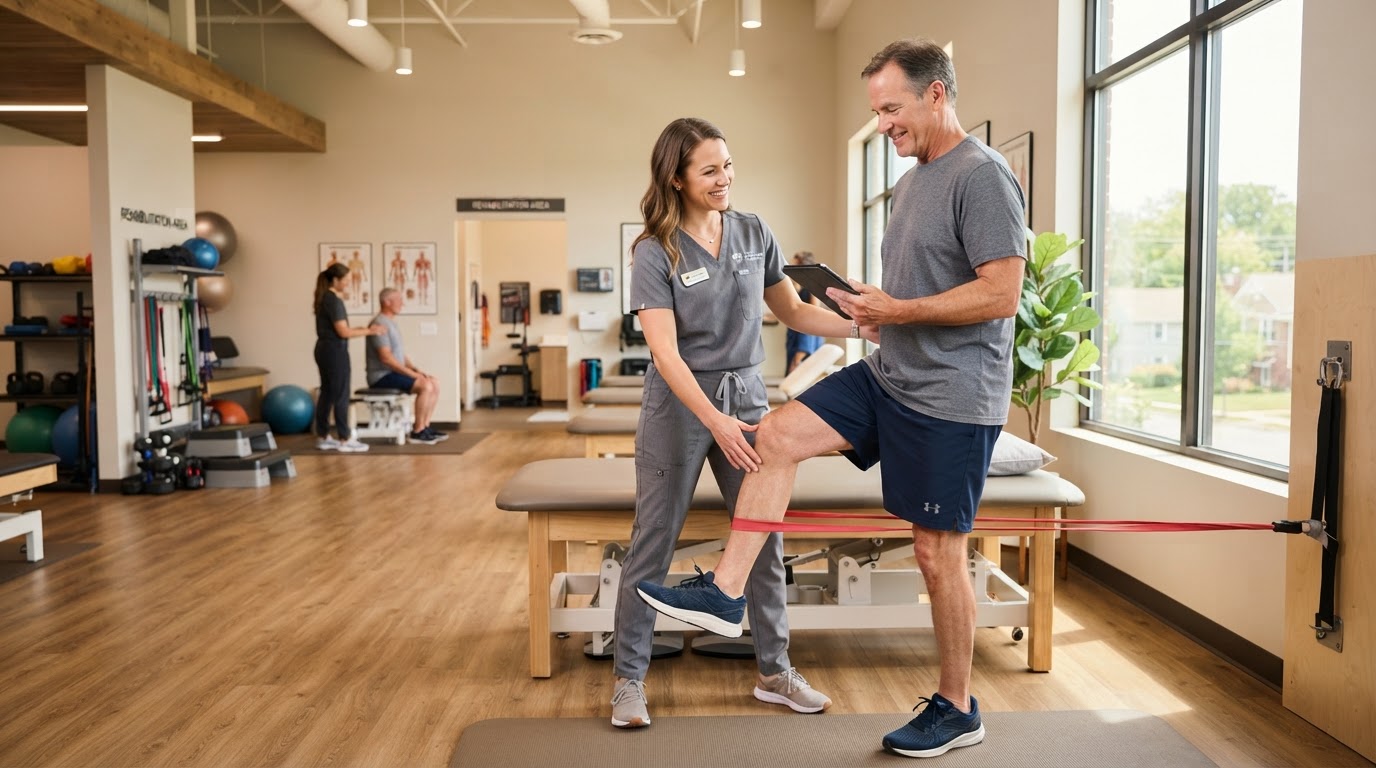
Rehabilitation commonly begins with a conversation about your symptoms, health history, goals, and activities. Your physical therapist may assess movement, strength, flexibility, balance, and how you complete relevant tasks. This information helps shape a plan and provides a starting point for tracking changes.
Treatment can include supervised therapeutic exercise, movement training, education, and a home program. Your therapist may also discuss ways to modify an activity temporarily, pace your return to exercise, or set up your workspace to reduce unnecessary strain. Progress is usually gradual. Some exercises may feel challenging, but they should be appropriate for your condition. Tell your therapist if pain increases sharply, new symptoms appear, or an activity feels unsafe so the plan can be reviewed.
Consistency matters. Follow the home instructions you have been given, but do not push through severe or worsening pain just to complete a routine. Keep notes about what improves or aggravates your symptoms, and bring questions to your appointments. These details can help your care team adjust your rehabilitation and decide whether the current approach is working.
When Surgery May Be Considered
Surgery may be appropriate when a condition causes significant problems that do not improve with a reasonable trial of conservative care, or when a medical evaluation finds that an operation is the best option. Some injuries and diagnoses require timely surgical assessment. A physical therapist should not be expected to determine on their own whether you need surgery; that decision belongs in a discussion with the appropriate physician or specialist.
If surgery is recommended, ask what the procedure is intended to address, what nonsurgical options remain, what recovery may involve, and how rehabilitation fits into the plan. You can also ask about the expected timeline for returning to work or activities and whether a second medical opinion would be useful. Clear answers can help you make an informed choice without feeling rushed into a decision when it is safe to take time.
Questions to Help Guide Your Decision
Before choosing a treatment path, consider asking your healthcare team:
What is causing my symptoms, and how certain is the diagnosis?
What are the benefits and risks of physical therapy and other nonsurgical options?
How will we measure progress, and when should we reassess the plan?
What could happen if I delay surgery, and are there warning signs that require prompt care?
If surgery is recommended, what rehabilitation will I need before and afterward?
These questions encourage a shared decision based on your health, preferences, and functional goals. Avoid comparing your experience directly with someone else’s. Similar symptoms can have different causes, and treatment decisions should reflect your individual evaluation.
Seek Prompt Medical Attention for Serious Symptoms
Conservative care is not the right first step for every situation. Seek urgent medical advice for severe or rapidly worsening symptoms, a major injury, new significant weakness, loss of sensation, or other concerning changes. If you are unsure whether your symptoms require immediate attention, contact a medical professional rather than waiting for a routine therapy visit.
Take the Next Step Toward Pain Relief
You do not have to choose between physical therapy and surgery without guidance. A thorough evaluation and open communication with your physician and rehabilitation team can clarify your options and help you plan your next steps. If conservative care is appropriate, a personalized program may support pain relief, better movement, and a safer return to the activities that matter to you.
Physical Therapy NOW™ welcomes people seeking physical therapy and rehabilitation at its Weston location in Weston, Florida. Call or visit the Weston clinic to ask about an evaluation and discuss how a care plan may support your goals. If you have a physician’s recommendations or questions about your symptoms, bring them along so your next steps can be informed and individualized.
Ready to start feeling better?
Physical Therapy NOW™ has 40+ Florida locations with same-week appointments. Most insurance, auto accident (PIP), workers' compensation and Medicare accepted.