Physical Therapy vs Surgery: When Conservative Care Helps
When pain limits your work, sleep, exercise, or everyday activities, it is natural to look for a solution that works quickly. Surgery may be an important option for some conditions, but it is not always the first or only path. Depending on your diagnosis and health history, physical therapy and other conservative treatments may help reduce pain, improve movement, and support a return to daily activities.
At Physical Therapy NOW™ in Kissimmee, FL, patients can discuss their goals and explore rehabilitation options with a licensed physical therapist. Understanding what conservative care can and cannot do is a practical first step toward making an informed decision with your healthcare team.
What Conservative Care Means
Conservative care refers to nonsurgical approaches intended to manage symptoms and improve function. A plan may include physical therapy, a gradual exercise program, movement education, activity adjustments, and strategies for managing symptoms. Your care should be tailored to your condition, abilities, and goals rather than based on a one-size-fits-all routine.
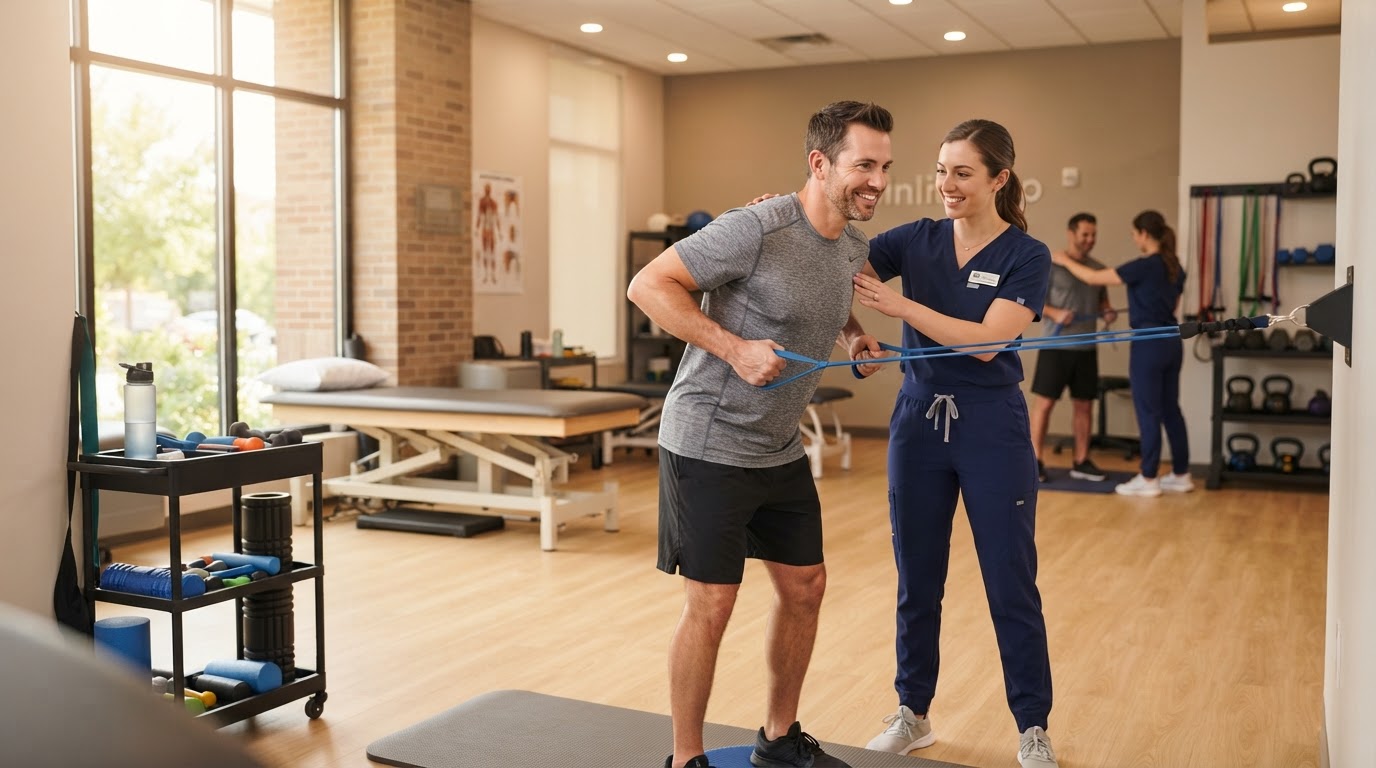
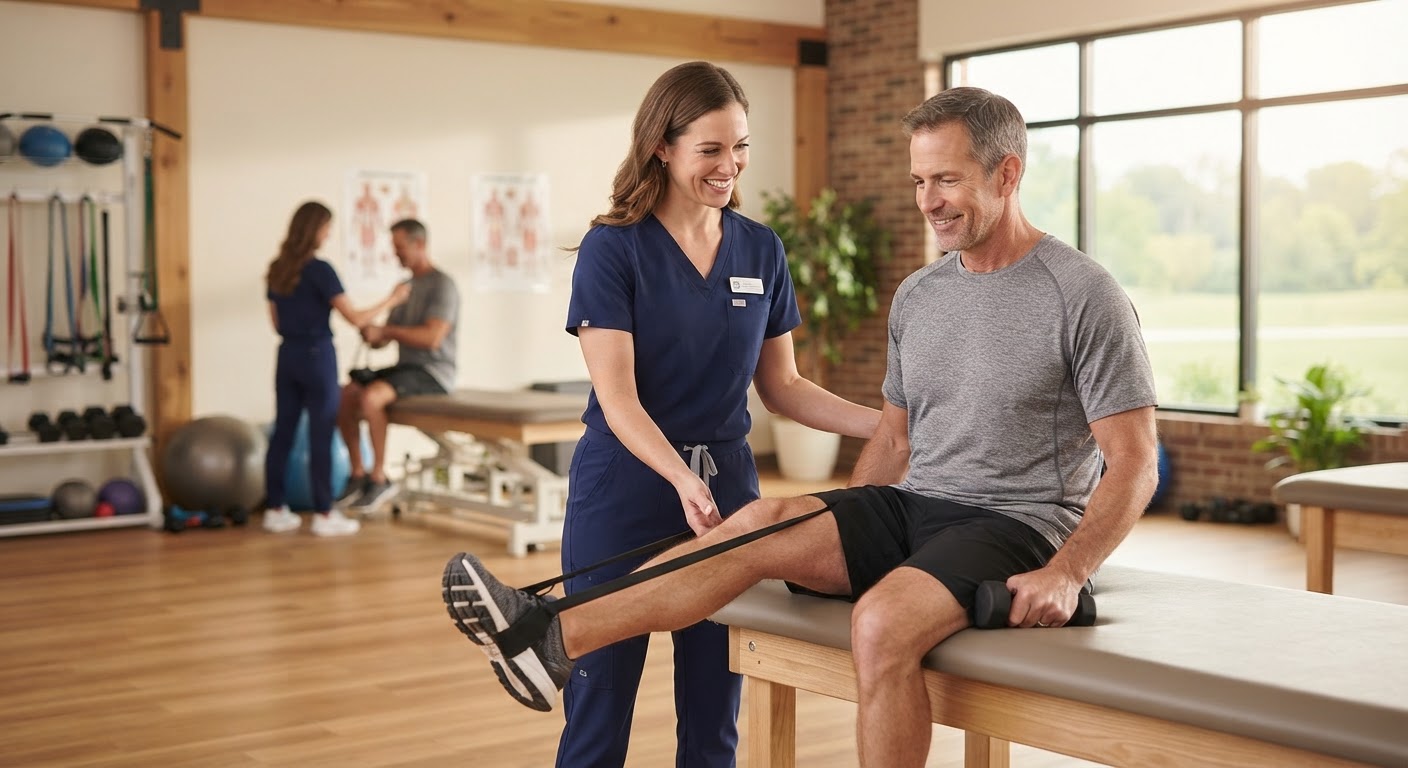
Physical therapy may focus on improving strength, flexibility, balance, coordination, and confidence with movement. A therapist can assess how you move, identify areas that may benefit from attention, and guide you through exercises that progress at an appropriate pace. They may also provide practical advice for modifying activities while you recover.
When Physical Therapy May Be Worth Trying
For many musculoskeletal concerns, a clinician may recommend a trial of nonsurgical treatment before considering an operation. This can be relevant for certain types of back or neck pain, joint stiffness, muscle strains, movement difficulties, and some tendon or overuse problems. The right approach depends on the specific diagnosis, how severe the symptoms are, and whether other health factors are involved.
A physical therapist can help you work toward meaningful goals, such as walking farther, climbing stairs with less difficulty, returning to a favorite activity, or completing work tasks more comfortably. Rehabilitation can also help you learn how to move safely and build capacity over time. Improvement may be gradual, and the pace varies from person to person.
Choosing conservative care does not mean you must rule out surgery forever. It can be one step in a treatment plan, with progress and symptoms reviewed along the way. If your condition does not improve as expected, your healthcare provider can discuss other options and whether further evaluation is appropriate.
When Surgery May Be Appropriate
Surgery can be necessary or the most suitable option for some conditions. It may be considered when symptoms are severe, a structural problem requires a procedure, or a well-chosen course of nonsurgical care has not achieved the desired results. In some situations, delaying a recommended operation could create additional risk, so it is important to follow guidance from your physician or specialist.
Seek prompt medical attention for symptoms such as sudden or progressive weakness, significant loss of sensation, severe pain after an injury, or new difficulty controlling your bladder or bowels. These symptoms can require urgent assessment. A physical therapist can help determine when a concern is outside the scope of therapy and should be evaluated by another healthcare professional.
Questions To Ask Before Making A Decision
A clear conversation with your physician and physical therapist can help you understand your choices. Consider asking:
What is the likely cause of my symptoms, and what findings support that diagnosis?
What are the benefits, risks, and expected recovery process for each option?
Could physical therapy or another nonsurgical approach be appropriate for me? If so, how will we measure progress?
What symptoms should prompt me to contact my healthcare provider or seek urgent care?
If surgery is recommended, what rehabilitation will I need afterward?
These questions can help you compare options based on your health needs, responsibilities, and personal goals. You can also ask how often you should check in about your progress and what to do if symptoms change.
Practical Steps For Getting Started
Before beginning a new exercise routine, discuss your symptoms and relevant medical history with a qualified healthcare professional. Share what activities make your pain better or worse, when the problem started, and what you hope to do more comfortably. This information helps guide an appropriate plan.
Follow your therapist’s instructions rather than pushing through sharp, worsening, or unfamiliar pain. Ask for a simpler version of an exercise if it feels too difficult, and let your therapist know if symptoms increase or linger after a session. Consistency is often more useful than doing too much at once, so build activity gradually and allow time for recovery.
Keep track of changes that matter to you. For example, note whether you can sit longer, sleep more comfortably, or manage household tasks with less difficulty. These functional improvements can be useful when reviewing whether your plan is helping, even if you still have some symptoms.
Make A Choice That Fits Your Needs
The decision between physical therapy and surgery is personal and depends on your diagnosis, overall health, and treatment goals. Conservative care may offer a nonsurgical route to pain relief and improved function, while surgery may be appropriate when a condition calls for it. You do not have to make the decision alone: speak with your medical provider and ask how rehabilitation fits into your care.
Physical Therapy NOW™ can help you explore movement-focused care and discuss practical goals for rehabilitation. Contact or visit the Kissimmee location in Kissimmee, FL to ask about scheduling an evaluation. Take the next step toward understanding your options and finding a plan that supports the activities you want to return to.
Ready to start feeling better?
Physical Therapy NOW™ has 40+ Florida locations with same-week appointments. Most insurance, auto accident (PIP), workers' compensation and Medicare accepted.