Physical Therapy vs. Surgery: Choosing Conservative Care
When pain or an injury limits your daily routine, it is natural to wonder whether you need surgery or could improve with conservative care. For many musculoskeletal conditions, physical therapy may help reduce pain, restore movement, and build strength without an operation. The right choice depends on your diagnosis, symptoms, health history, goals, and response to treatment.
At Physical Therapy NOW™ in Altamonte Springs, patients can discuss movement limitations and rehabilitation options with a physical therapist. A licensed clinician can assess how you move, explain conservative strategies, and help you understand when coordinating with a physician or surgeon is important. This article offers general guidance, not a diagnosis or a substitute for personalized medical advice.
What Conservative Care Means
Conservative care is treatment that does not involve surgery. Depending on the condition, it may include physical therapy, a home exercise program, activity adjustments, education, and care from other medical professionals. The goal is to address symptoms and improve function while allowing the body to recover or adapt.
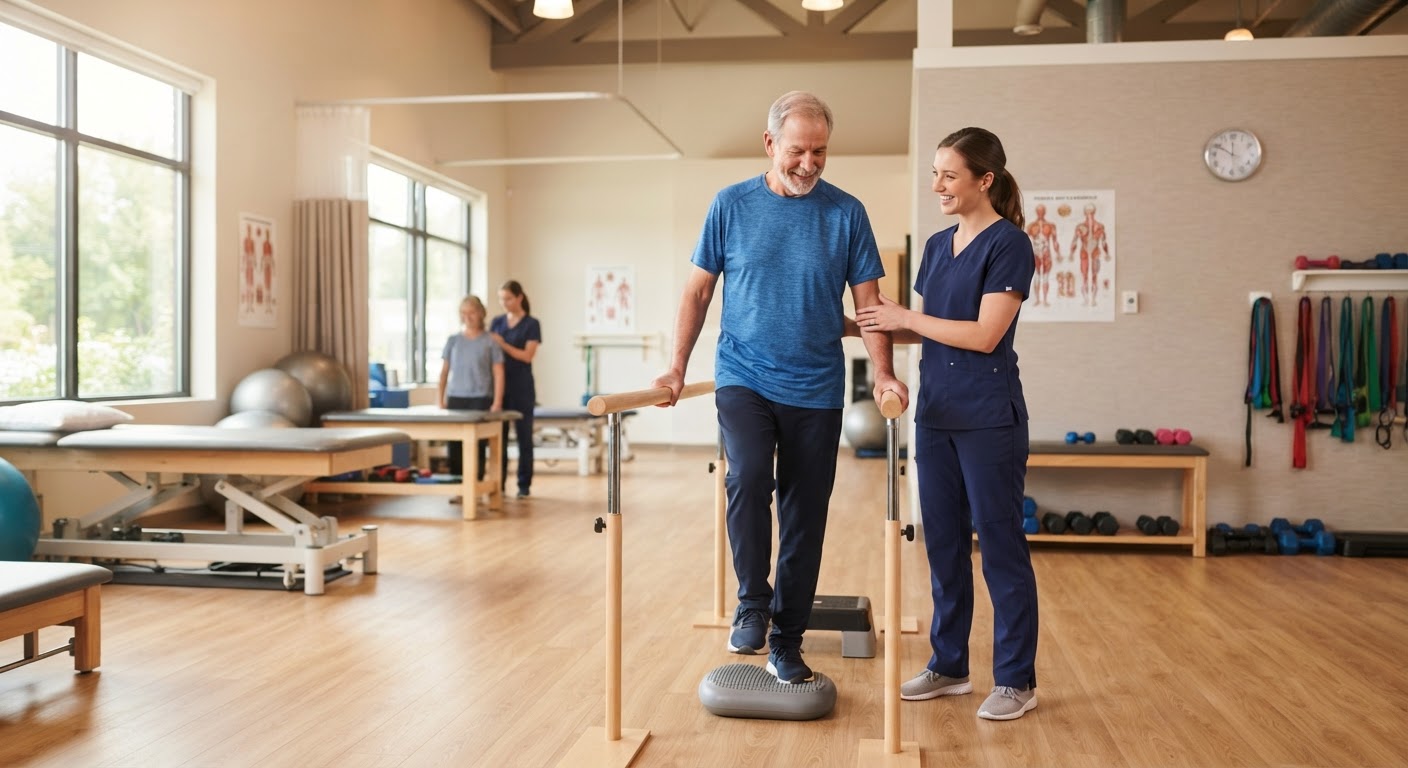
Physical therapy is not simply a set of exercises. Your therapist may assess strength, flexibility, balance, joint mobility, posture, and the movements that aggravate your symptoms. Treatment can then be tailored to your needs and adjusted as you make progress. A rehabilitation plan may include supervised exercises, movement practice, and practical advice for everyday activities.
When Physical Therapy May Be a Reasonable First Step
Conservative care is often worth discussing when symptoms are not an emergency and your clinician believes the condition can be managed without immediate surgery. It may be considered for some cases of back or neck pain, joint stiffness, muscle strains, tendon problems, balance difficulties, or pain that affects walking and daily tasks. The appropriate approach varies, so a professional evaluation matters.
Physical therapy may be especially useful when you want to improve function, learn safer ways to move, or build capacity gradually. For example, a therapist can help you practice getting up from a chair, climbing stairs, reaching overhead, or returning to a recreational activity. The aim is not only short-term pain relief; it is also to support useful, confident movement.
Signs That Surgery Or Prompt Medical Evaluation May Be Needed
Some conditions require prompt medical attention, and conservative treatment may not be appropriate on its own. Seek urgent care for severe or rapidly worsening symptoms, a major injury, sudden weakness, loss of sensation, or new problems controlling your bladder or bowels. A clinician can help determine the right level of care.
Surgery may be recommended when a specific structural problem is unlikely to improve enough with nonsurgical treatment, when symptoms remain substantially limiting despite an appropriate care plan, or when delaying an operation could put health or function at risk. The decision should be made with a qualified medical professional who can explain the expected benefits, risks, alternatives, and recovery demands for your situation.
If surgery is recommended, physical therapy may still have an important role. Preoperative rehabilitation, sometimes called prehabilitation, can help you prepare for the demands of recovery when appropriate. After an operation, a surgeon-guided rehabilitation plan may help restore mobility and strength. Timing and restrictions depend on the procedure and your medical team’s instructions.
How To Make An Informed Decision
Start by asking for a clear explanation of the diagnosis and the reason a particular treatment is being recommended. Helpful questions include: What are my options? What might happen if I wait? Is a trial of physical therapy appropriate for me? How will we measure progress? What symptoms should prompt me to contact you sooner? If surgery is proposed, ask about likely benefits, possible complications, recovery time, and what rehabilitation may involve.
Share your goals and practical concerns, such as work duties, caregiving, sleep, sports, or difficulty with stairs. These details help your care team make recommendations that fit your life. If you are uncertain about a major decision, you can ask whether a second opinion is appropriate. Do not stop prescribed medication or ignore medical restrictions without discussing changes with your provider.
Getting The Most From Physical Therapy
If you and your clinician decide to try physical therapy, consistency and communication are important. Attend appointments as recommended, follow your individualized home program, and tell your therapist what feels better or worse. Exercises should be appropriate to your condition; avoid copying a routine online or pushing through sharp, unusual, or rapidly increasing pain without guidance.
Keep a simple record of how symptoms affect activities. Note what you can do, what remains difficult, and whether your function is changing over time. Progress may not be a straight line, and improvement can involve better sleep, easier movement, or greater confidence—not only a lower pain level. If you are not progressing as expected, discuss the plan with your therapist and referring clinician so they can reassess next steps.
A Thoughtful Path To Pain Relief
Choosing between physical therapy and surgery is not always an either-or decision. For some people, a supervised rehabilitation program may provide meaningful improvement; for others, surgery or another medical intervention may be the more suitable option. The safest path is an individualized decision made with qualified professionals, based on your condition, goals, and response to care.
If pain is interfering with your routine, contact Physical Therapy NOW™ to learn about an evaluation and conservative care options. Visit or call the Altamonte Springs location in Altamonte Springs, FL, to discuss your movement goals and take a practical next step toward improved function and pain relief.
Ready to start feeling better?
Physical Therapy NOW™ has 40+ Florida locations with same-week appointments. Most insurance, auto accident (PIP), workers' compensation and Medicare accepted.