Navigating the journey of a total knee replacement (TKR) is a significant step towards alleviating chronic knee pain and improving your quality of life. While the surgery itself is a critical component, the rehabilitation that follows is equally, if not more, important for achieving a full and successful recovery. This is where the expertise of a dedicated physical therapist becomes invaluable. At Physical Therapy NOW™ in Miami, FL, specifically at our Brickell location, we specialize in guiding patients through every phase of their knee replacement recovery, ensuring optimal outcomes.
Understanding Total Knee Replacement
A total knee replacement is a surgical procedure where damaged bone and cartilage from the knee joint are removed and replaced with prosthetic components made of metal alloys, high-grade plastics, and polymers. This procedure is typically recommended for individuals suffering from severe arthritis (osteoarthritis, rheumatoid arthritis, or post-traumatic arthritis) or other conditions that cause debilitating knee pain and limit daily activities. The goal is to reduce pain, restore function, and improve mobility.
The Pivotal Role of Physical Therapy
Many patients wonder why physical therapy is so crucial after such a major surgery. The answer lies in several key areas:
Pain Management and Swelling Reduction: Post-surgical pain and swelling are common. Physical therapists employ various techniques, including ice, elevation, gentle exercises, and manual therapy, to manage these symptoms effectively, making the recovery process more comfortable.
Restoring Range of Motion: Immediately after surgery, your knee will be stiff. A primary focus of physical therapy is to safely and progressively restore your knee's full range of motion. This involves specific stretching exercises and, if necessary, gentle joint mobilizations to prevent scar tissue formation and improve flexibility.
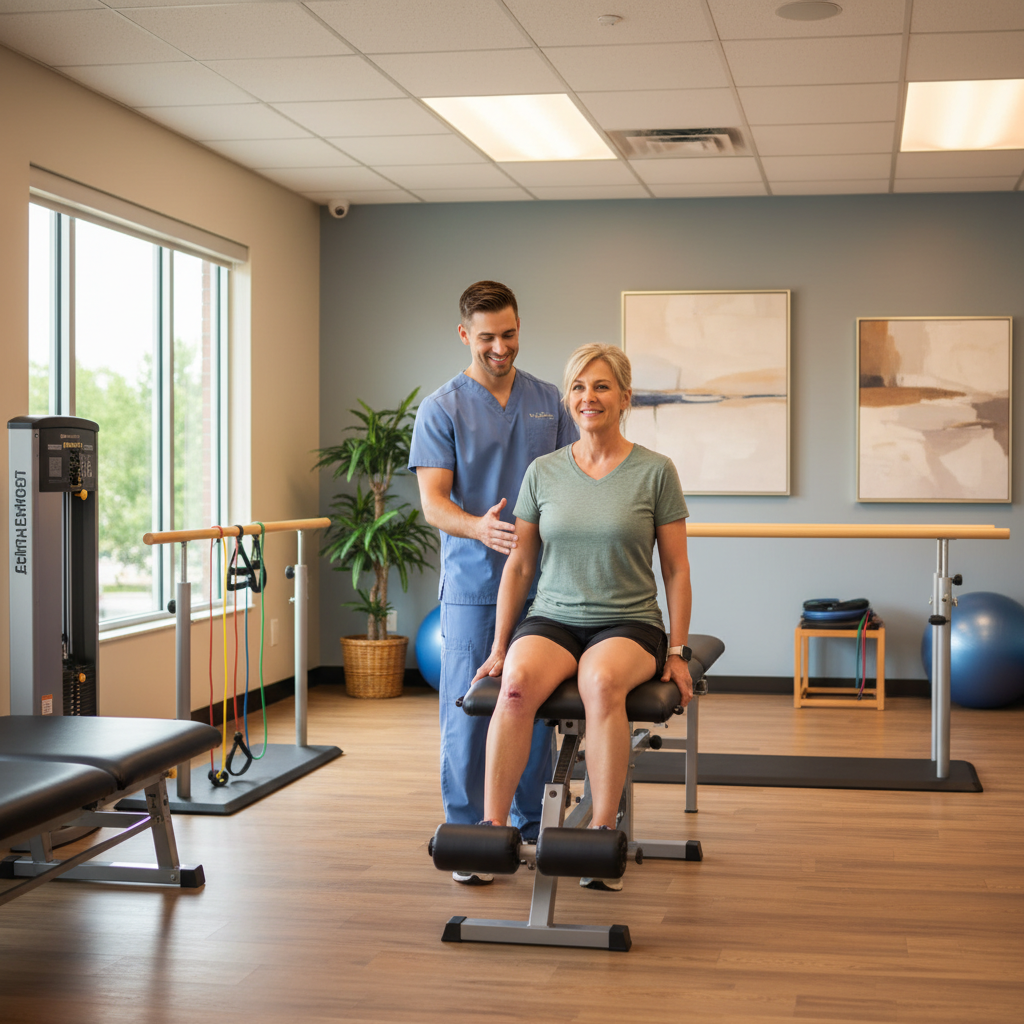
Building Strength: The muscles around your knee, particularly the quadriceps and hamstrings, will weaken due to disuse before surgery and the surgery itself. Physical therapists design targeted strengthening programs to rebuild these muscles, supporting your new knee joint and improving stability.
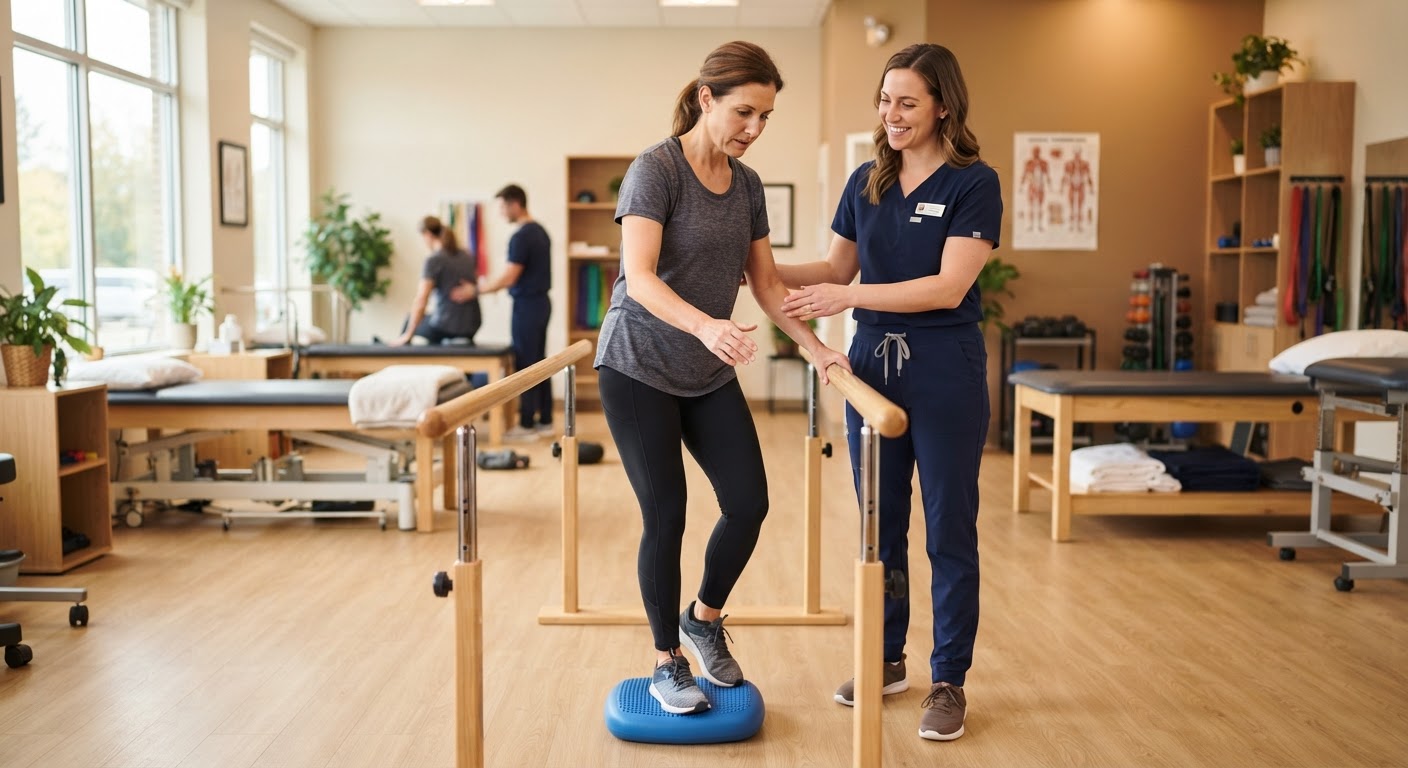
Improving Balance and Proprioception: A strong sense of balance is essential to prevent falls, especially as you regain mobility. Proprioception, your body's awareness of its position in space, is often compromised after joint surgery. Therapy includes exercises to enhance balance and proprioception, making everyday movements safer.
Restoring Functional Independence: The ultimate goal is to get you back to your daily activities and hobbies. Physical therapy progresses from basic movements like walking and climbing stairs to more complex activities, helping you regain the confidence and ability to live an active life.
Preventing Complications: Regular physical therapy can help prevent complications such as blood clots, muscle atrophy, and joint stiffness, ensuring a smoother and healthier recovery journey.
Your Physical Therapy Journey: What to Expect
The rehabilitation process after a total knee replacement is structured and progressive, tailored to your individual needs and surgical protocol. It typically begins very soon after surgery, often within 24-48 hours.
Early Post-Operative Phase (Hospital and First Few Weeks Home):
Initial Mobilization: You'll start with simple exercises to gently move your foot, ankle, and knee to promote circulation and prevent stiffness. You'll learn how to get in and out of bed, sit, and stand safely. Weight-Bearing Instructions: Your therapist will guide you on how much weight you can put on your operated leg, often starting with a walker or crutches. Range of Motion Exercises: Gentle bending and straightening of the knee will be introduced to prevent scar tissue buildup. Pain and Swelling Management: Techniques for managing discomfort will be emphasized.
Intermediate Phase (Weeks 3-6/8):
Progressive Strengthening: Exercises will become more challenging, focusing on strengthening the quadriceps, hamstrings, and glutes. Improved Range of Motion: The goal is to achieve greater flexion and extension. Walking Mechanics: You'll work on normalizing your gait, gradually reducing your reliance on assistive devices. Stair Climbing and Descending: Practical exercises for navigating steps will be introduced.
Advanced Phase (Weeks 8 onwards, typically up to 3-6 months or more):
Functional Training: Exercises will mimic daily activities, such as squatting, lunging, and balancing. Cardiovascular Endurance: Low-impact activities like stationary biking or swimming will be incorporated. Advanced Balance and Proprioception: More complex balance exercises will be introduced. Return to Activity: Your therapist will help you safely transition back to recreational activities or sports, if appropriate, providing guidance on proper body mechanics and precautions.
Practical Tips for a Successful Recovery
Be Consistent: Adhere to your prescribed exercise program daily, even on days you don't have therapy. Communicate: Talk openly with your physical therapist about your pain, progress, and any concerns you have. Listen to Your Body: While it's important to push yourself, know your limits and avoid overdoing it, which can lead to setbacks. Stay Hydrated and Eat Well: Good nutrition supports healing and energy levels. Manage Expectations: Recovery is a marathon, not a sprint. Celebrate small victories and be patient with yourself. Utilize Assistive Devices: Don't be afraid to use walkers or crutches for as long as your therapist recommends. They are there to keep you safe. Home Environment Preparation: Before surgery, ensure your home is set up for easy navigation, removing trip hazards and arranging essential items within reach.
Why Choose Physical Therapy NOW™?
At Physical Therapy NOW™ in Miami, FL, our dedicated team of physical therapists understands the nuances of total knee replacement rehabilitation. We provide personalized care plans, utilizing evidence-based techniques and state-of-the-art equipment to ensure you achieve the best possible outcomes. Our Brickell clinic offers a supportive and encouraging environment where your recovery is our top priority. From initial evaluation to long-term maintenance, we are committed to helping you regain your independence and enjoy an active, pain-free life.
Take the First Step Towards a Stronger You
Don't let post-surgical uncertainty hold you back. Let the expert team at Physical Therapy NOW™ be your partner in recovery. If you or a loved one are preparing for or recovering from a total knee replacement, we invite you to experience the difference personalized, compassionate care can make. Regain your strength, mobility, and confidence with us. Contact our Physical Therapy NOW™ Brickell location today to schedule a consultation and begin your journey to a full recovery.
Ready to start feeling better?
Physical Therapy NOW™ has 40+ Florida locations with same-week appointments. Most insurance, auto accident (PIP), workers' compensation and Medicare accepted.