A slip or fall can leave you sore, shaken, and unsure what to do next. Even when an injury seems minor, pain or stiffness may develop over the following hours or days and make everyday activities harder. Physical therapy can help you move safely, address limitations, and work toward a steady return to the activities that matter to you.
At Physical Therapy NOW™ in The Villages, FL, care is tailored to your symptoms, goals, and stage of recovery. Understanding what to watch for and how rehabilitation may help can make the next steps feel more manageable.
What To Do After A Fall
First, take a moment to assess how you feel before trying to stand. If you have severe pain, cannot put weight on a limb, notice a visible deformity, or feel confused or unusually drowsy, seek urgent medical care. A head impact, loss of consciousness, new weakness or numbness, chest pain, or difficulty breathing also calls for prompt medical evaluation. If you take medication that affects blood clotting and hit your head, contact a medical professional right away, even if symptoms seem mild.
If there are no emergency symptoms, move slowly and use a stable support when appropriate. Avoid forcing a painful joint or muscle through a movement. Contact your healthcare provider if pain, swelling, bruising, or difficulty walking persists or worsens. A clinician can determine whether imaging or other medical care is needed and whether physical therapy is appropriate.
How Physical Therapy Supports Recovery
Slip and fall injuries can affect different parts of the body. A person may experience a sprain, strain, bruising, joint irritation, or reduced mobility. Some people also feel less steady or become worried about falling again. The right plan depends on the injury, overall health, and recommendations from your healthcare team.
A physical therapist typically begins by discussing how the fall happened, your symptoms, and activities that are difficult. They may assess movement, strength, balance, walking, and range of motion, while respecting your comfort and any medical precautions. This evaluation helps guide a personalized rehabilitation plan rather than relying on a one-size-fits-all routine.
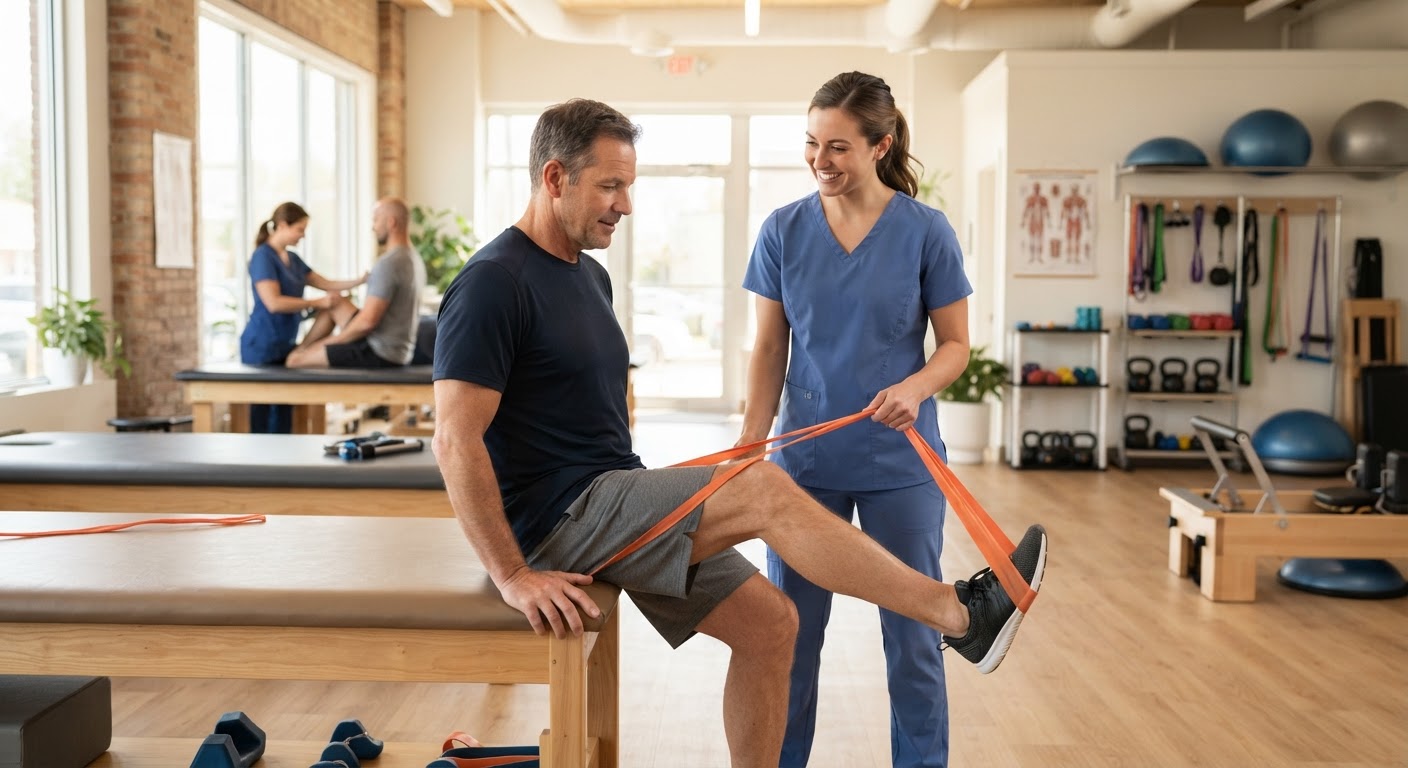
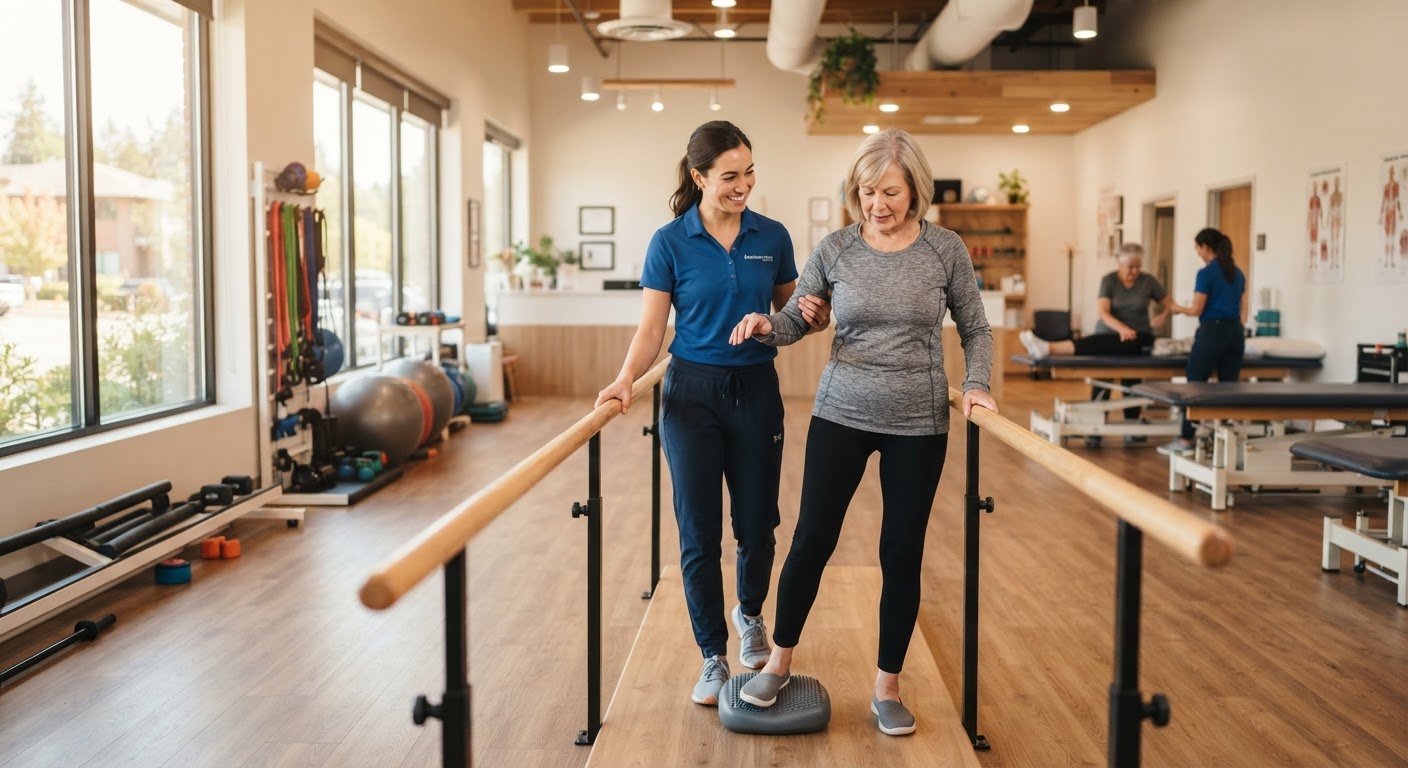
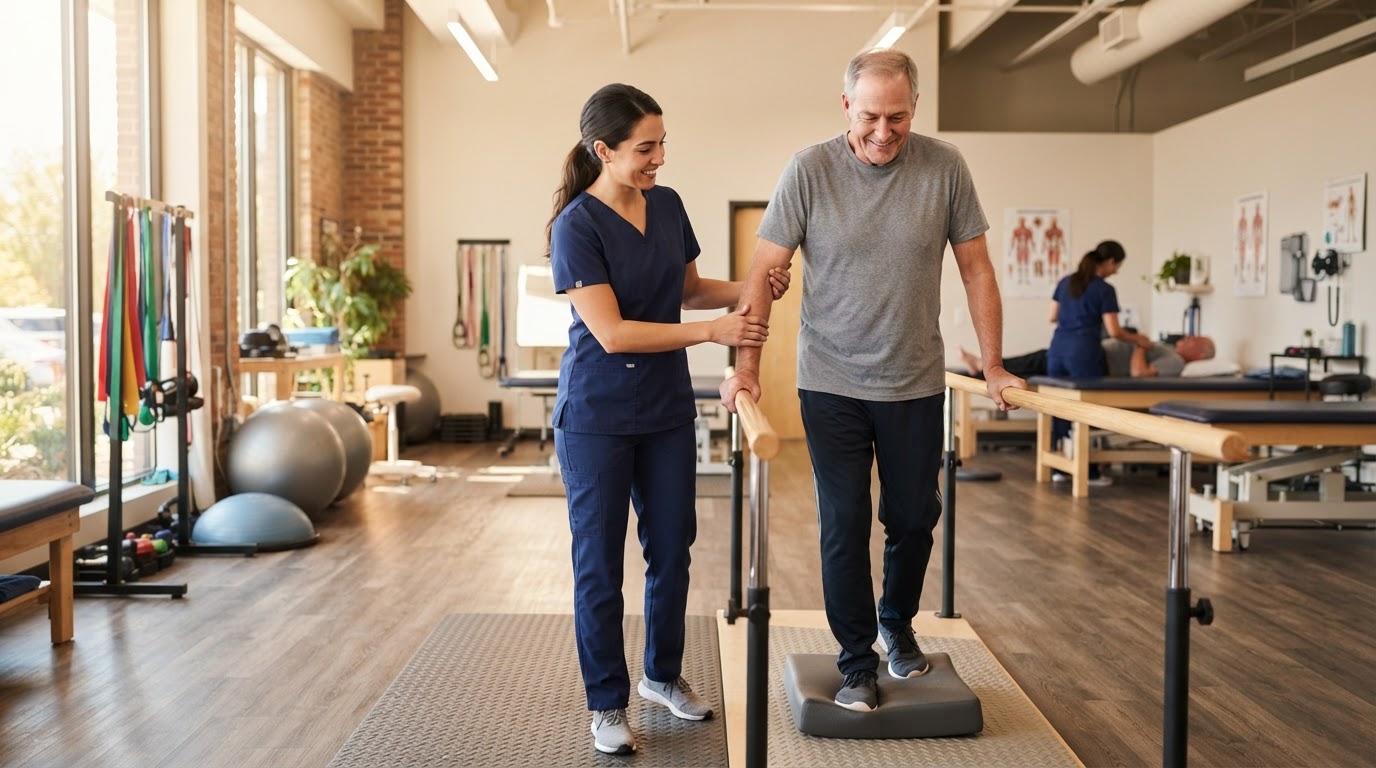
Treatment may include gentle mobility exercises, progressive strengthening, balance activities, walking practice, and education about pacing and safe movement. Your therapist can adjust exercises as your symptoms and abilities change. The aim is to improve function and support pain relief while helping you return to daily tasks as safely as possible. Progress varies from person to person, and your therapist can coordinate with your medical provider when needed.
Rebuilding Strength, Balance, And Confidence
After a fall, it is natural to limit movement for a short time if an activity hurts. However, avoiding movement for too long may contribute to stiffness, reduced strength, or less confidence with walking. A physical therapist can help identify movements that are safe to practice and show you how to progress gradually.
For example, your plan may include practicing sit-to-stand movements, stepping in different directions, or walking with a more controlled stride. Exercises should match your current abilities. Stop and contact your therapist or healthcare provider if an activity causes sharp or increasing pain, new numbness, dizziness, or other concerning symptoms.
Practical Steps At Home
While recovering, small changes can make everyday movement safer and more comfortable:
Keep walkways clear of loose rugs, cords, clutter, and other tripping hazards. Use bright lighting, especially along routes to the bathroom at night. Wear well-fitting shoes with a stable sole instead of walking in loose slippers or socks on smooth floors. Place frequently used items where you can reach them without stretching or climbing. Use handrails on stairs, and ask for help with tasks that feel unsafe while you recover.
Follow the activity and exercise guidance provided by your healthcare team. Avoid adding exercises from the internet without checking whether they are appropriate for your injury. If your therapist recommends a mobility aid, ask them to show you how to use it correctly. A device that is adjusted or used improperly may not provide the support you need.
When To Consider Physical Therapy
Consider asking your healthcare provider about physical therapy if pain, stiffness, weakness, balance concerns, or difficulty with walking and daily activities continue after a fall. You do not have to wait until discomfort becomes severe to discuss your options. A timely assessment can help clarify what is limiting your movement and whether a supervised rehabilitation program may be beneficial.
At Physical Therapy NOW™, the focus is on understanding your needs and building a practical plan for recovery. If you are in The Villages, FL, the local team can help you explore appropriate next steps and work toward safer, more comfortable movement.
Take The Next Step Toward Recovery
A fall can interrupt your routine, but a thoughtful recovery plan can help you regain mobility and confidence at a pace that fits your situation. If you are dealing with lingering pain or difficulty moving after a slip and fall, contact or visit the Physical Therapy NOW™ The Villages location. Call the clinic to ask about an evaluation and learn how physical therapy may support your rehabilitation and goals.
Ready to start feeling better?
Physical Therapy NOW™ has 40+ Florida locations with same-week appointments. Most insurance, auto accident (PIP), workers' compensation and Medicare accepted.