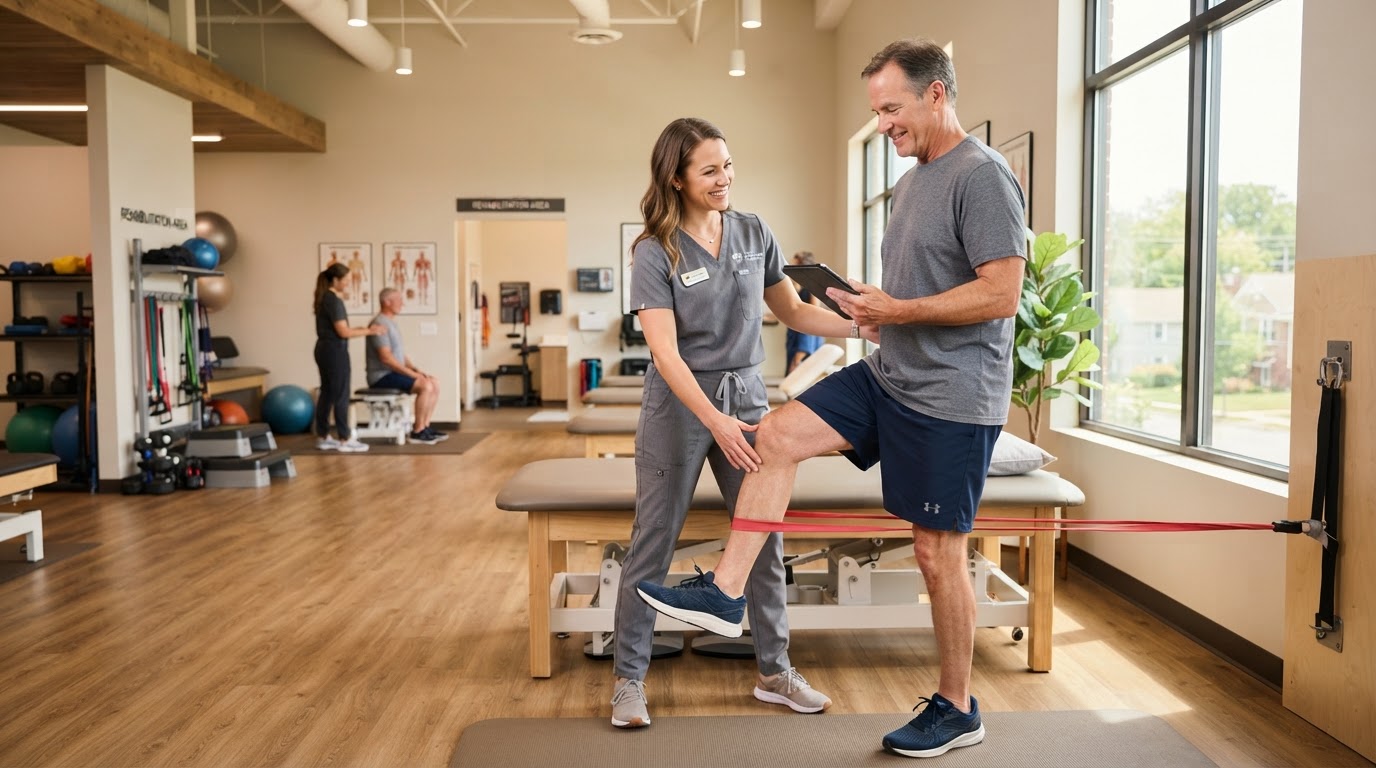
A slip and fall can happen in an instant, but the soreness, stiffness, and uncertainty afterward may last much longer. Even a fall that seems minor can leave you with pain or difficulty moving comfortably. Physical therapy can help you address those challenges, rebuild strength, and return to daily activities with greater confidence.
At Physical Therapy NOW™ in Miami Beach, FL, care is tailored to your symptoms, goals, and current abilities. Understanding what to do after a fall can help you take practical steps toward recovery while recognizing when medical attention is needed.
Common Injuries After A Fall
A fall may cause bruising, muscle strains, joint sprains, or irritation in the back, neck, shoulders, wrists, hips, or knees. Some people feel discomfort right away, while others notice stiffness or increased soreness over the following hours or days. A change in balance, reduced mobility, or difficulty with everyday tasks can also occur.
The effects depend on how you landed, the surface, and your health before the accident. Avoid assuming that pain will resolve on its own if it is worsening, limiting your movement, or interfering with sleep and routine activities. A healthcare professional can help determine what evaluation or care is appropriate.
Know When To Seek Medical Care
Seek urgent medical attention after a fall if you have severe pain, a visible deformity, significant swelling, numbness, weakness, difficulty bearing weight, or trouble moving an affected area. Head injuries deserve particular attention. Get prompt medical help for loss of consciousness, confusion, repeated vomiting, a severe headache, or other concerning symptoms after hitting your head. If you are unsure about the seriousness of an injury, contact a healthcare provider.
A physical therapist can assess movement and function, but physical therapy does not replace emergency care or medical evaluation when needed. Your therapist may coordinate with your physician and follow any precautions or recommendations you have received.
How Physical Therapy Can Support Recovery
Physical therapy focuses on helping you move more comfortably and safely. After discussing your symptoms and health history, a physical therapist may assess mobility, strength, balance, posture, and the activities that are difficult for you. This information helps shape a rehabilitation plan around your needs rather than using the same approach for everyone.
Treatment may include gentle mobility exercises, progressive strengthening, balance activities, and practice with everyday movements such as standing from a chair or walking on different surfaces. Depending on your condition and plan of care, your therapist may also use hands-on techniques or other strategies to help manage symptoms. The goal is to make progress at a pace that is appropriate for you, not to push through significant pain.
Physical therapy can also help you understand how to modify activities while you recover. For example, you may learn safer ways to bend, climb steps, or get up from a low surface. These skills can make daily routines feel more manageable as your strength and confidence improve.
What To Expect At Your First Visit
Your first appointment typically begins with a conversation about the fall, your symptoms, and your goals. Be ready to describe when the fall happened, what you were doing, where you feel discomfort, and which activities have changed. Bring relevant medical information and share any instructions from your physician.
Your therapist may then observe how you move and perform tests suited to your condition. You should be able to ask questions and explain what feels comfortable. A plan may include in-clinic sessions and exercises to do at home. Your program can be adjusted as you respond to treatment and regain function.
Practical Steps You Can Take At Home
Follow the guidance of your healthcare provider, especially if you have been given specific restrictions. In general, these habits can support a safer recovery:
Move within your comfortable limits. Gentle activity may help you avoid becoming unnecessarily inactive, but stop and seek guidance if an activity causes sharp or increasing pain.
Keep a simple symptom record. Note when discomfort occurs, what makes it better or worse, and which tasks are challenging. This can help you and your care team understand your progress.
Make your surroundings safer. Clear clutter from walkways, secure loose rugs, improve lighting, and use handrails on stairs when available. Wear supportive, well-fitting footwear, particularly on slippery or uneven surfaces.
Use support when needed. If you feel unsteady, ask for help with tasks that involve reaching, carrying, or navigating stairs until you can do them safely. Do not rush back to activities that increase your fall risk.
Follow your exercise plan as instructed. Consistent, appropriately selected exercises can support strength, balance, and mobility. Avoid adding new exercises or increasing difficulty without discussing it with your therapist.
Build Confidence And Return To Daily Activities
After a fall, it is common to feel cautious about walking, exercising, or going out. A gradual return to activity can help you rebuild confidence without taking on too much too soon. Your physical therapist can help identify manageable steps, track changes in function, and adapt your rehabilitation plan as needed.
Progress may look different for each person. Focus on practical improvements, such as walking more comfortably, standing longer, or completing household tasks with less difficulty. If symptoms worsen or you develop new concerns, let your healthcare provider know.
Care Close To Home In Miami Beach
Choosing a clinic that understands your goals and daily routine can make it easier to stay engaged with care. At Physical Therapy NOW™, the team works with you to develop a personalized approach to physical therapy and rehabilitation. The Miami Beach location serves people looking for guidance with movement, pain relief, and a safe return to everyday activities.
Take The Next Step
You do not have to figure out recovery alone. If a slip and fall has left you with pain, stiffness, or reduced confidence in your movement, contact Physical Therapy NOW™ to discuss whether physical therapy may be appropriate for you. Visit or call the Miami Beach location to ask about getting started and taking a supported step toward pain relief and better function.
Ready to start feeling better?
Physical Therapy NOW™ has 40+ Florida locations with same-week appointments. Most insurance, auto accident (PIP), workers' compensation and Medicare accepted.