Physical Therapy for Slip and Fall Injuries
A slip and fall can happen in a moment, but soreness, stiffness, and reduced confidence may linger long after the fall. Even when an injury seems minor at first, pain can develop or become more noticeable over the next day or two. Physical therapy can help you address movement problems, build strength, and return to everyday activities safely. At Physical Therapy NOW™ at the FIU Center in Miami, FL, care can be tailored to your symptoms, goals, and stage of recovery.
Common Injuries After a Fall
A fall may cause bruises, muscle strains, joint sprains, or pain in the back, neck, shoulder, wrist, hip, or knee. Landing on an outstretched hand can stress the wrist or arm, while twisting during a fall may affect the ankle or knee. Some people also experience balance concerns or fear of falling again, especially if the incident interrupted walking or other routine activities.
Symptoms do not always reveal the full extent of an injury. Seek prompt medical attention after a fall if you have severe or worsening pain, cannot bear weight, notice significant swelling or deformity, feel numbness or weakness, or hit your head. Confusion, repeated vomiting, loss of consciousness, or a severe headache after a head impact needs urgent evaluation. A healthcare professional can determine whether imaging or other care is needed before you begin rehabilitation.
How Physical Therapy Can Help
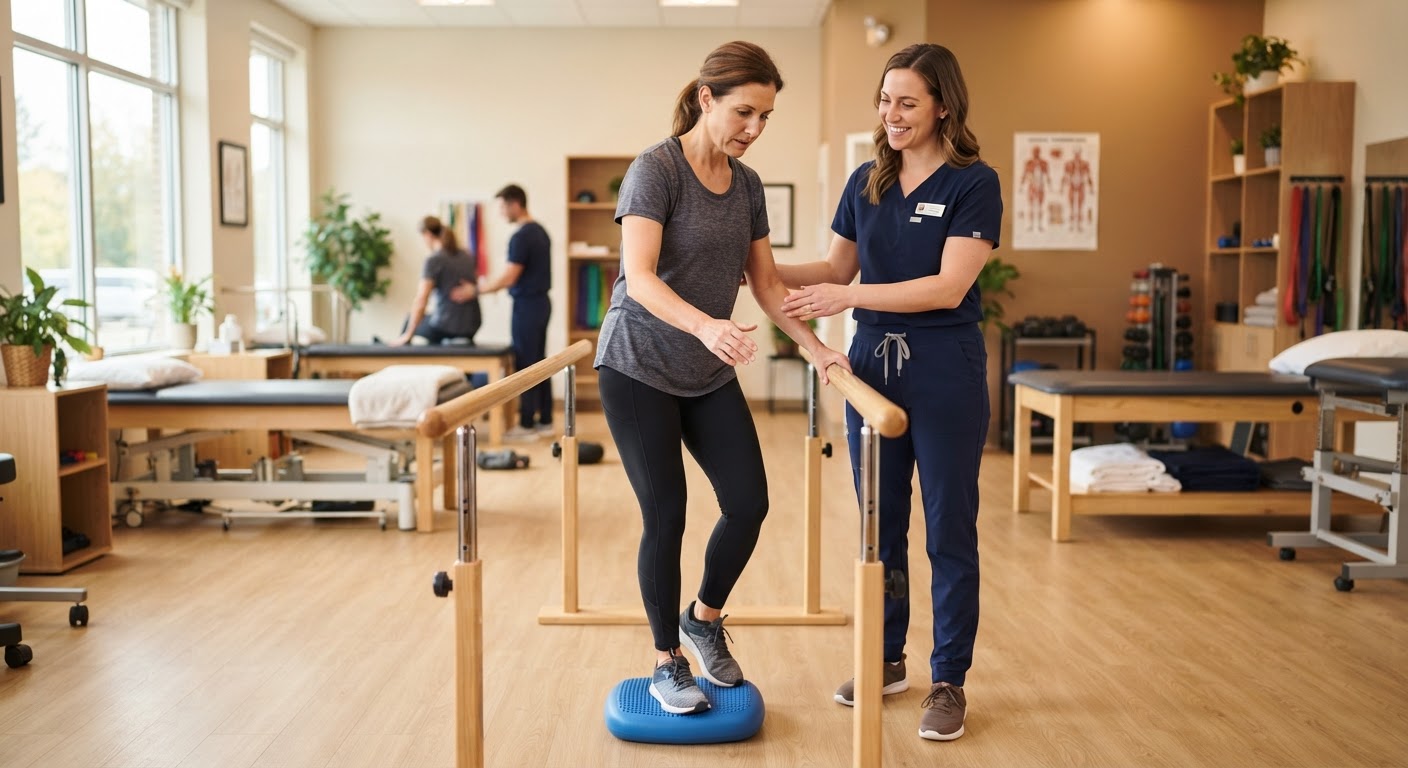
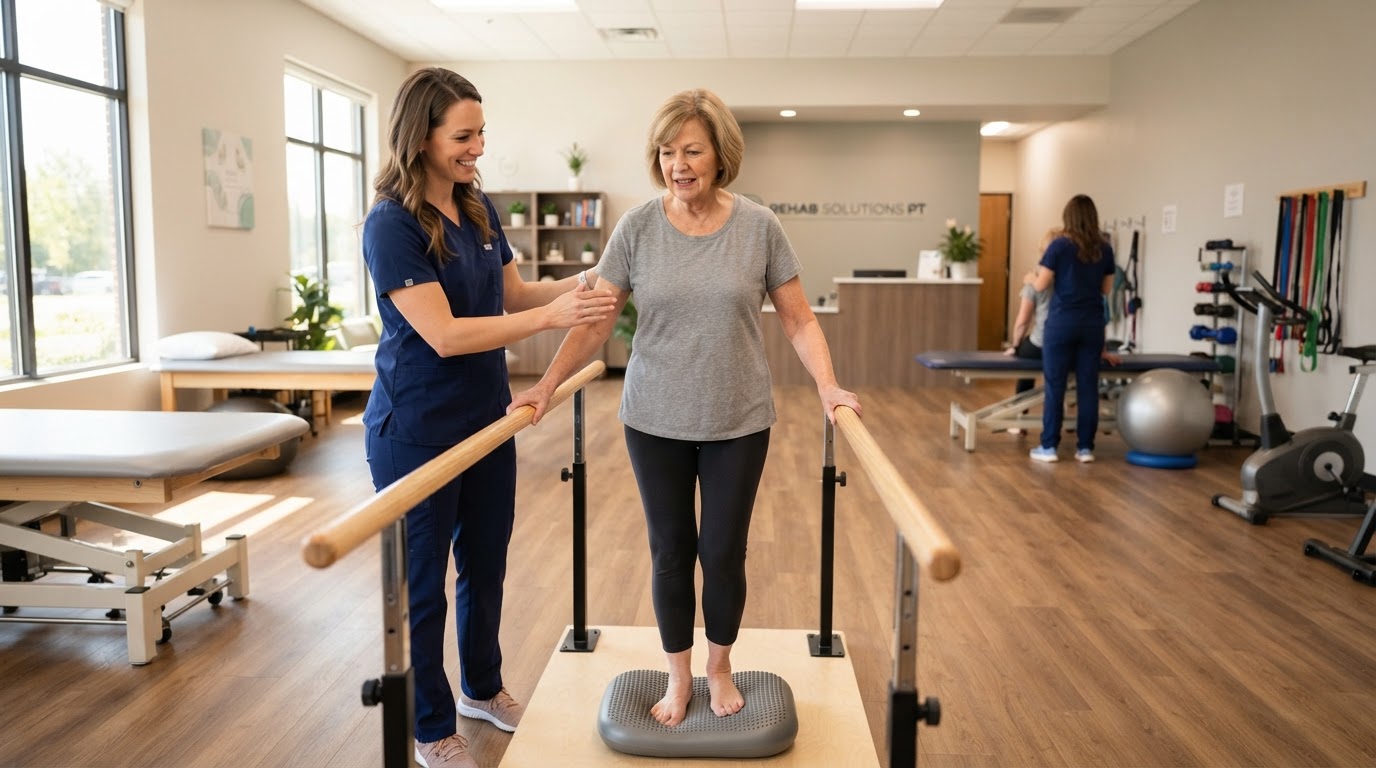
Once it is appropriate to exercise, a physical therapist can assess how the injury affects your mobility, strength, balance, and daily function. Your plan may include gentle range-of-motion exercises, progressive strengthening, balance practice, and movement training for tasks such as standing, climbing stairs, or getting in and out of a chair.
Treatment is guided by your presentation and tolerance. For example, a person with an ankle sprain may need to gradually restore ankle motion and stability, while someone with back discomfort may work on comfortable movement and trunk strength. Your therapist can adjust the pace as symptoms change and teach you how to progress exercises without pushing through sharp or escalating pain.
The aim is not only pain relief. Rehabilitation can also help you regain confidence in your movements and improve the physical skills that support safer activity. Your therapist may discuss footwear, walking strategies, and ways to make daily tasks easier while you recover. Results and recovery timelines vary, so follow an individualized plan rather than comparing your progress with someone else’s.
What to Do In The First Few Days
After a fall, take symptoms seriously and avoid activities that clearly increase pain. If you are unsure whether an injury needs medical assessment, contact a healthcare professional. For a mild injury that has already been evaluated, follow the advice you received and return to activity gradually. Brief periods of rest may be useful, but prolonged inactivity can make it harder to regain strength and mobility.
Keep a simple note of what makes symptoms better or worse, when discomfort occurs, and which activities are difficult. This information can help your physical therapist understand your needs. When moving around, use a handrail if available, keep walkways clear, and ask for help with tasks that feel unsafe. Do not use an assistive device unless you know how to use it correctly; a clinician can help determine whether one is appropriate.
What To Expect At A Physical Therapy Visit
Your first appointment typically includes a conversation about how the fall happened, your symptoms, health history, and personal goals. The therapist may observe your walking and assess joint movement, strength, balance, and the activities you want to resume. Let your therapist know about any medical evaluation, imaging, new symptoms, or restrictions from another provider.
Together, you can discuss a plan that fits your needs. Sessions may combine supervised exercises with practical education and a home program. A few well-chosen exercises performed consistently are often more useful than doing many movements without guidance. Ask questions if an exercise causes unexpected symptoms, or if you are unsure how often to do it. Physical Therapy NOW™ focuses on helping patients understand their plan and take an active role in recovery.
Reducing The Risk Of Another Fall
Not every fall can be prevented, but a few practical steps may reduce common hazards. Keep paths through your home clear, secure loose rugs, improve lighting in hallways and stairways, and wipe up spills promptly. Choose shoes with stable support and nonslip soles, particularly in wet areas. Use stair rails, and avoid carrying objects that block your view while walking.
If you feel unsteady, mention it to a healthcare professional rather than avoiding movement altogether. A therapist can assess balance and leg strength and recommend exercises or strategies suited to your abilities. Start any new exercise gradually and use support when needed. If dizziness, vision changes, or medication side effects may be contributing to falls, discuss these concerns with your medical provider.
Take The Next Step Toward Recovery
You do not have to figure out your recovery alone. A physical therapist can help you understand your movement challenges, build a practical rehabilitation plan, and work toward returning to daily activities with greater confidence. If you have had a slip and fall, contact Physical Therapy NOW™ at the FIU Center in Miami, FL, to ask about an appointment. Visit or call the FIU Center location to discuss your needs and take the next step toward pain relief and safer movement.
Ready to start feeling better?
Physical Therapy NOW™ has 40+ Florida locations with same-week appointments. Most insurance, auto accident (PIP), workers' compensation and Medicare accepted.