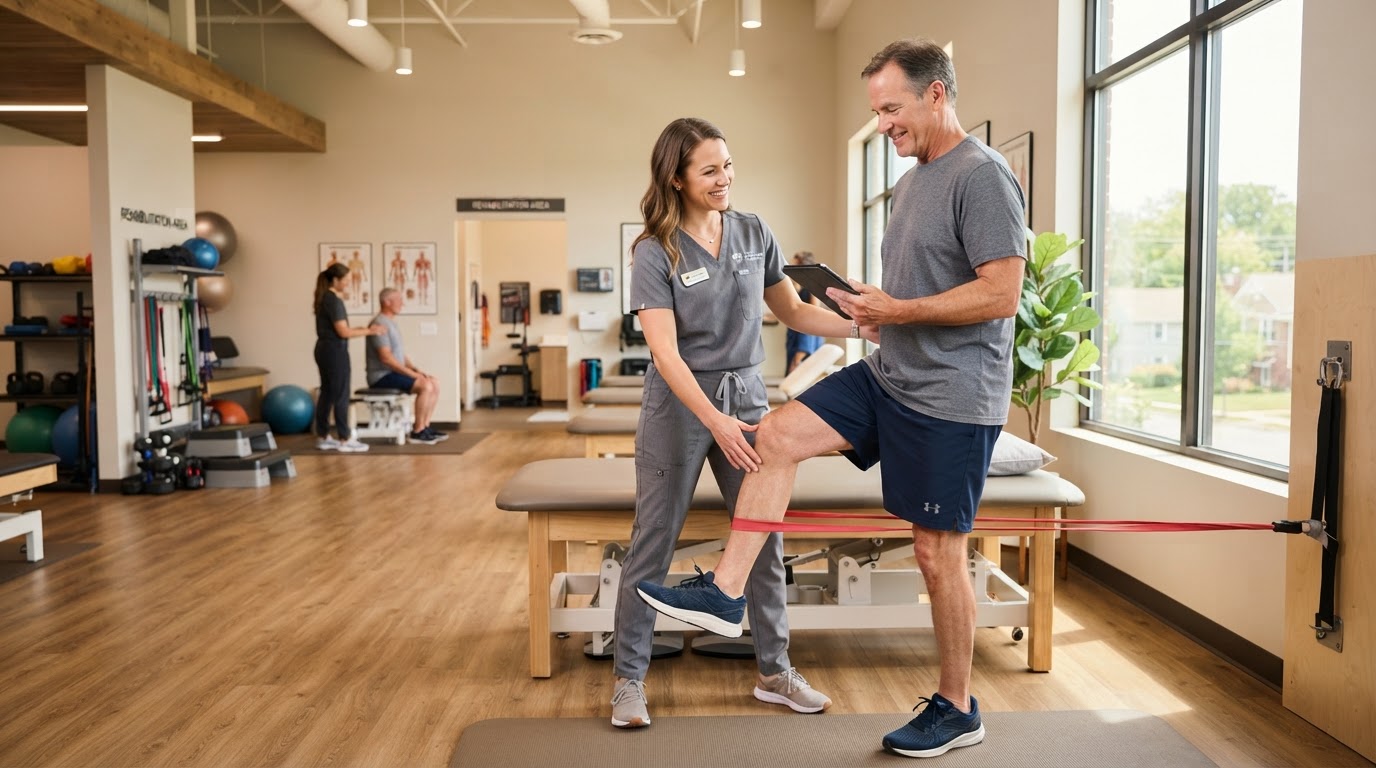
A slip or fall can happen in an instant, but soreness, stiffness, and difficulty moving may last much longer. Even a fall that seems minor can lead to a sprain, muscle strain, joint irritation, or trouble with balance. Physical therapy can help you recover safely, regain confidence, and return to everyday activities.
At Physical Therapy NOW™’s Bird Road location in Miami, FL, care can be tailored to your symptoms, health history, and goals. Whether you are dealing with back discomfort, a sore shoulder, or unsteadiness while walking, a physical therapist can help guide your next steps.
Common Injuries After a Fall
The way you land and the surface involved can affect which parts of your body are injured. Common problems after a slip and fall include ankle and wrist sprains, muscle strains, bruising, knee pain, shoulder injuries, and back or neck discomfort. Some people also notice swelling, reduced range of motion, weakness, or a change in how they walk.
Pain may not be obvious right away. Adrenaline and the shock of falling can make it harder to notice symptoms initially. Pay attention to changes over the next few hours and days, especially increasing pain, swelling, stiffness, or difficulty putting weight on a limb.
When to Seek Medical Attention
Seek prompt medical care after a serious fall, a possible fracture, a head injury, or severe or worsening pain. Get emergency help for symptoms such as loss of consciousness, confusion, repeated vomiting, severe headache, new weakness or numbness, chest pain, or trouble breathing. If you take blood-thinning medication and hit your head, contact a medical professional promptly, even if you feel well.
A physical therapist does not replace urgent medical evaluation. If you are unsure whether an injury needs immediate care, contact a healthcare professional. Once serious injury has been ruled out or your provider has approved activity, physical therapy may be part of your recovery plan.
How Physical Therapy Supports Recovery
Your physical therapist will ask about the fall, your symptoms, and the activities you want to resume. An evaluation may include observing how you walk, checking balance and joint movement, and assessing strength and functional tasks. The therapist uses this information to create a plan that fits your needs and follows any medical guidance you have received.
Treatment may include guided exercises to improve strength, flexibility, coordination, and balance. Depending on your condition, your therapist may also use hands-on techniques or other appropriate strategies to help manage stiffness and discomfort. As your abilities improve, exercises can progress toward daily tasks such as climbing stairs, getting up from a chair, or walking on uneven ground.
Rehabilitation is not one-size-fits-all. A person recovering from an ankle sprain may need different exercises from someone managing shoulder pain or reduced balance. Your therapist can adjust the program as your symptoms and function change. The goal is steady, safe progress—not pushing through sharp or escalating pain.
Practical Steps You Can Take at Home
Follow the advice of your physician or physical therapist, particularly if you have restrictions on movement or weight-bearing. These simple habits may also help you manage recovery and stay safer:
Rest from activities that clearly aggravate your symptoms, but ask your healthcare provider how to stay safely active. Prolonged inactivity may make it harder to regain strength and mobility.
Use a cold pack wrapped in a thin towel for short periods if recommended for your injury. Do not place ice directly on skin, and stop if you notice skin irritation or unusual numbness.
Keep walkways clear of clutter, cords, and loose rugs. Use handrails on stairs, and make sure halls and bathrooms are well lit, especially at night.
Wear supportive, well-fitting shoes with a secure sole. Take extra care on wet floors, uneven pavement, and surfaces where you cannot see clearly.
Write down changes in your pain, swelling, balance, or walking. Sharing these observations at appointments can help your care team understand what is improving and what still needs attention.
Avoid starting strenuous stretches or balance drills from online videos before you know what is safe for your injury. A physical therapist can show you appropriate exercises and how to perform them correctly.
Building Confidence and Preventing Another Fall
Recovery includes more than reducing pain. A fall can make some people feel cautious about walking or moving around. Gradual, supervised practice can help rebuild confidence while improving strength and balance. Your physical therapist may recommend ways to make daily activities safer, such as practicing transfers or learning how to navigate steps with better control.
Prevention is also personal. Factors such as changes in vision, medication effects, footwear, home hazards, or balance challenges can contribute to fall risk. Discuss concerns with your healthcare provider. A physical therapist can assess movement and suggest practical exercises or strategies based on your abilities and environment.
Start Your Recovery With Support
Getting evaluated can help clarify what movements are safe and which steps may support your recovery. At Physical Therapy NOW™ in Miami, FL, the Bird Road team can work with you on an individualized rehabilitation plan focused on mobility, strength, balance, and pain relief. Your care plan should reflect your symptoms and goals, with progress reviewed along the way.
If you have fallen and are ready for guidance, visit or call the Physical Therapy NOW™ Bird Road location to ask about an evaluation. Take the next step toward moving more comfortably and confidently.
Ready to start feeling better?
Physical Therapy NOW™ has 40+ Florida locations with same-week appointments. Most insurance, auto accident (PIP), workers' compensation and Medicare accepted.