Understanding Pain And Physical Therapy
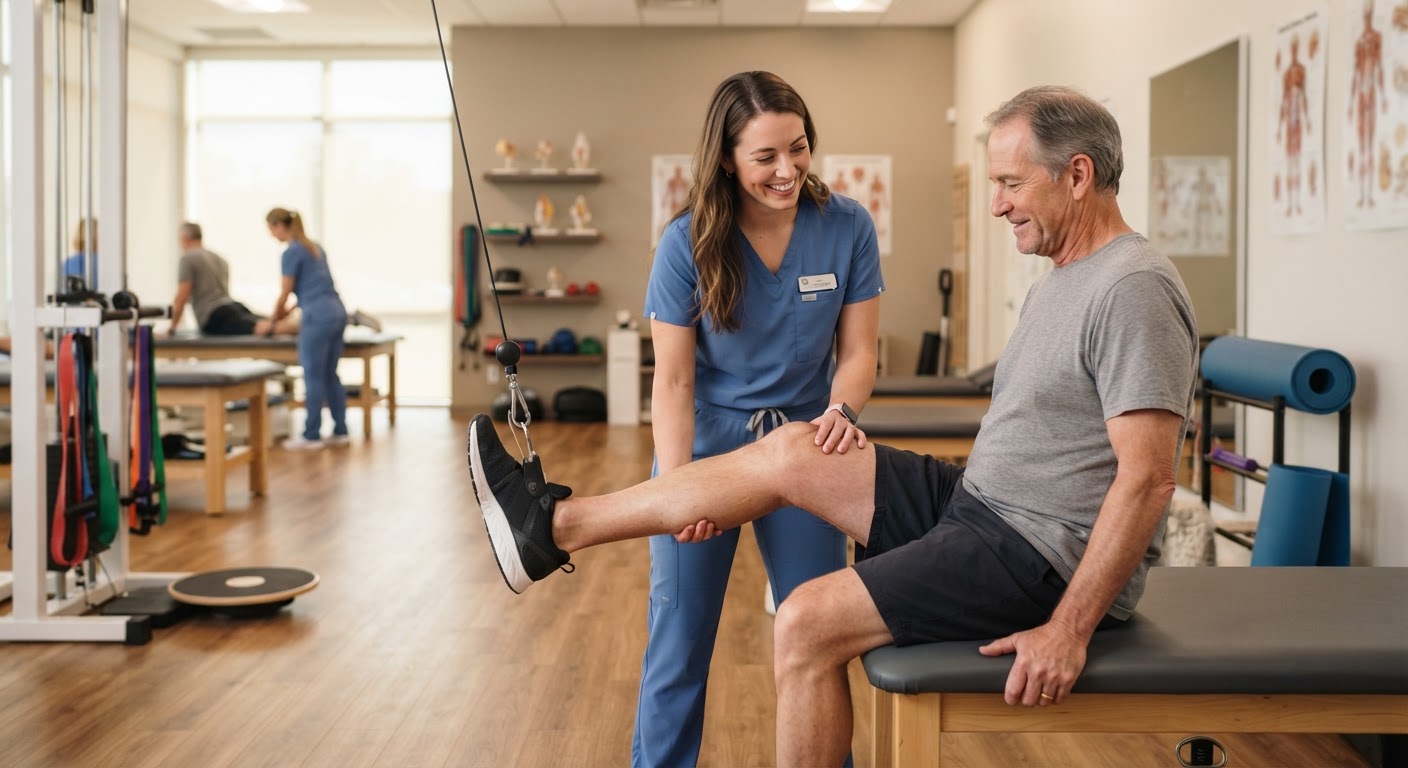
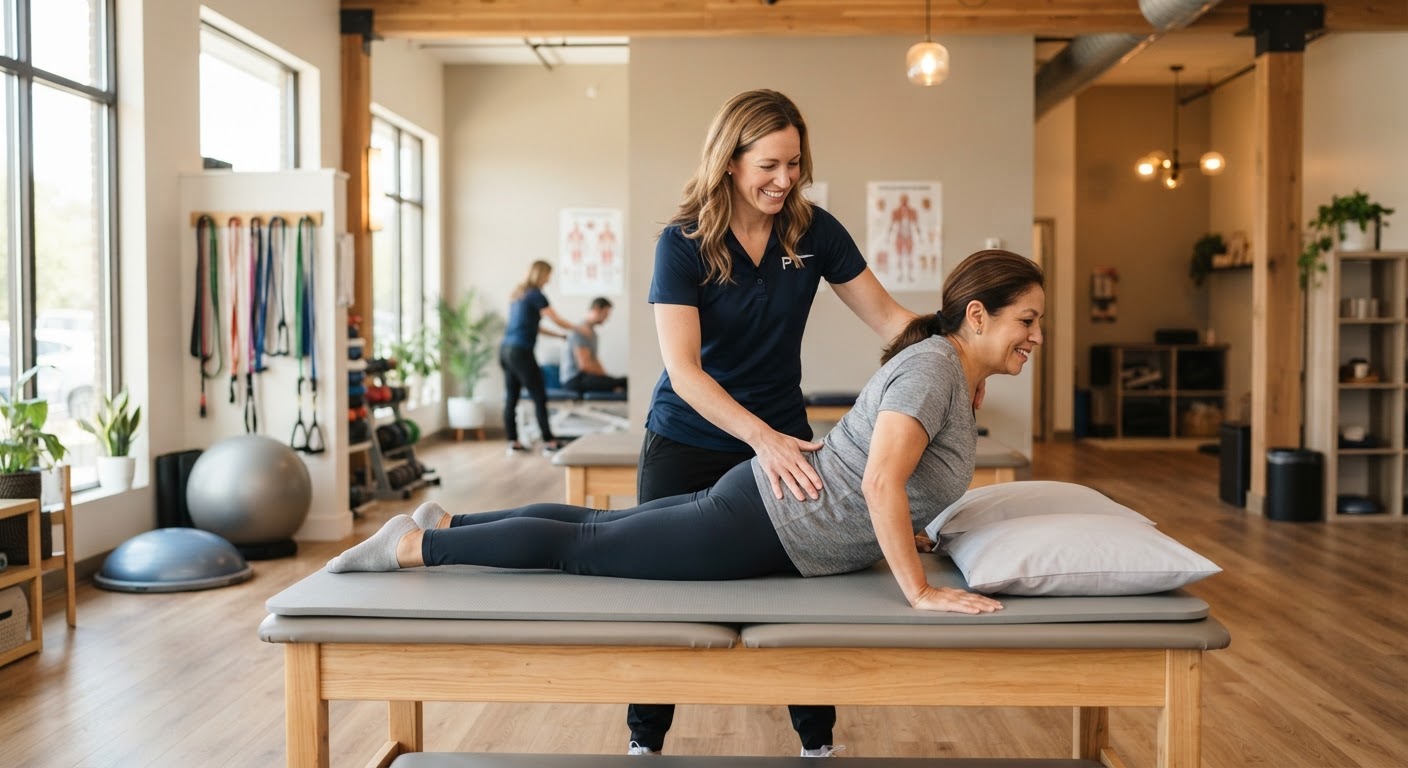
Pain can make everyday activities feel difficult, from getting out of bed to taking a walk or sitting comfortably at work. Physical therapy offers a practical, movement-focused approach to pain management. Rather than concentrating only on where it hurts, a physical therapist looks at how your body moves, what may be contributing to your symptoms, and which activities you want to resume.
At Physical Therapy NOW™ in Boca Raton, FL, care is tailored to each person’s needs and goals. Physical therapy may help people manage pain, build confidence in movement, and make progress toward daily activities. Your plan depends on your symptoms, health history, and evaluation, so there is no single approach that works for everyone.
How Physical Therapy Can Support Pain Relief
Pain may be affected by many factors, including strength, flexibility, posture, movement habits, previous injuries, and the demands of work or recreation. A physical therapist can assess these factors and work with you to develop a plan that addresses relevant movement limitations and supports safe activity.
Rehabilitation often includes therapeutic exercise, mobility work, balance or coordination activities, and education. Depending on your needs, your therapist may also use hands-on techniques or other supportive treatments. These approaches are selected to help you move more comfortably and work toward specific functional goals. Passive treatments can be part of care, but an active plan that helps you build skills and manage movement is often an important focus.
Physical therapy is not simply a collection of exercises. Your therapist can explain how to adjust an activity, pace your effort, and gradually increase demands. Understanding what you can do safely may reduce worry about movement and help you participate more confidently in your recovery.
A Personalized Plan For Lasting Progress
Pain can change over time, and the right rehabilitation plan should adapt as you do. At your first visits, your physical therapist may ask about when symptoms started, what makes them better or worse, and how they affect sleep, work, exercise, or household tasks. An evaluation may include observing movement and checking strength, flexibility, balance, and other relevant abilities.
Together, you and your therapist can set realistic goals. These might include walking farther, lifting with better control, returning to a favorite activity, or managing a workday with fewer interruptions. Progress is not always perfectly linear. Your therapist can help you interpret changes, modify exercises, and identify appropriate next steps if symptoms flare or new concerns arise.
Practical Tips You Can Use
Start with a comfortable level of activity. If a movement is new or you have been less active, begin with a manageable amount and build gradually. Avoid trying to make up for lost time with a sudden jump in exercise or workload.
Pay attention to your response. Notice how you feel during an activity and afterward. Some temporary discomfort may occur during rehabilitation, but sharp, worsening, or unusual symptoms are a reason to pause and ask your physical therapist or healthcare provider for guidance.
Break up long periods of sitting. Change positions regularly, take brief movement breaks, and choose a comfortable setup for work or study. Small, consistent changes can be easier to maintain than a complete routine overhaul.
Use a steady pace. During household tasks, exercise, or yard work, alternate demanding activities with lighter ones. Planning short breaks can help you stay active without overloading yourself.
Follow your individualized home program. Exercises prescribed by your therapist are selected for your needs. Ask for clarification if you are unsure about technique, repetitions, or how to adjust an exercise on a difficult day. Avoid substituting an online routine for guidance specific to your situation.
When To Seek Professional Guidance
Consider contacting a physical therapist if pain is limiting your daily activities, recurring symptoms are affecting your routine, or you are unsure how to return to exercise after an injury. A licensed physical therapist can help determine whether physical therapy is appropriate and whether coordination with another healthcare professional may be useful.
Some symptoms require prompt medical attention rather than routine rehabilitation. Seek urgent care for severe or rapidly worsening symptoms, significant injury, new weakness or numbness, or other concerning changes. If you are uncertain about the urgency of a symptom, contact a qualified healthcare professional for direction.
Physical Therapy In West Boca
The right support can make it easier to take the next step toward comfortable movement. Physical Therapy NOW™ offers individualized physical therapy and rehabilitation at its West Boca location in Boca Raton, FL. Your care team can discuss your concerns, learn about your goals, and help you understand what a treatment plan may involve.
Pain management is a process, and progress often comes from a combination of expert guidance and practical steps you can use in daily life. If pain is keeping you from the activities that matter, visit or call the Physical Therapy NOW™ West Boca location in Boca Raton, FL to ask about an evaluation and take a first step toward pain relief.
Ready to start feeling better?
Physical Therapy NOW™ has 40+ Florida locations with same-week appointments. Most insurance, auto accident (PIP), workers' compensation and Medicare accepted.