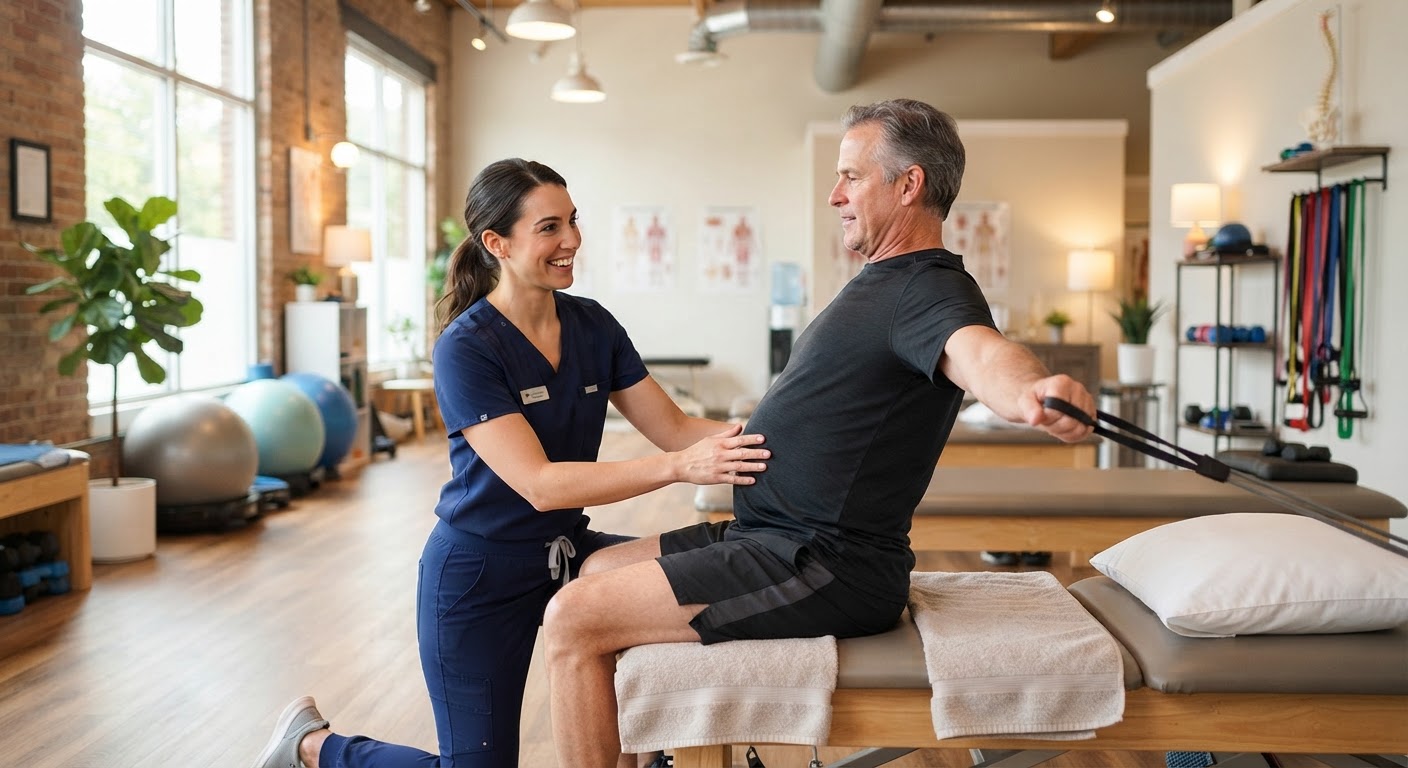
Pain can affect how you move, work, sleep, and enjoy everyday life. Whether discomfort started after an injury or developed gradually, it can be tempting to avoid activity altogether. Yet carefully chosen movement and guidance from a physical therapist may help you improve function and manage symptoms. Physical therapy focuses not only on easing pain, but also on understanding what may be contributing to it and building skills to move with greater confidence.
At Physical Therapy NOW™ in Palm Beach Gardens, FL, care is tailored to your needs, goals, and health history. Here is how physical therapy can fit into a thoughtful pain management plan.
Understanding Pain And Movement
Pain is a personal experience, and it can have more than one contributing factor. A strained muscle, joint stiffness, changes in strength or mobility, and the demands of daily activities can all play a role. Pain does not always mean that movement is causing harm, but new, severe, or unexplained symptoms should be assessed by a healthcare professional.
A physical therapist can ask about your symptoms and daily routine, assess how you move, and discuss activities that feel difficult. This evaluation helps guide a plan that matches your current abilities. Your program may change over time as your comfort, strength, and goals change.
How Physical Therapy Supports Pain Relief
Physical therapy uses movement, education, and other individualized strategies to help people improve function. Depending on your needs, your plan may include mobility exercises, strength training, balance activities, hands-on techniques, or instruction in safer ways to perform particular tasks. Not every approach is right for every person, so your therapist can explain the purpose of each part of your program.
Gradual exercise can help address weakness or stiffness that may make everyday movements harder. For example, a person with knee discomfort might work on leg strength and controlled stair practice. Someone with shoulder pain may focus on comfortable range of motion and building strength for reaching. The goal is not to push through intense pain. It is to find an appropriate starting point and progress thoughtfully.
Education is another important part of rehabilitation. Understanding how to pace activities, adjust movement, and respond to symptoms can make it easier to stay engaged in daily life. Your therapist can help you identify useful modifications while working toward the activities that matter to you.
What To Expect From A Personalized Plan
Your first visit generally includes a conversation about your health history, symptoms, activity level, and goals, followed by an assessment relevant to your concerns. Be prepared to describe when the pain began, what tends to improve or aggravate it, and how it affects your routine. Sharing what you hope to return to—such as walking comfortably, lifting at work, or enjoying a hobby—can help shape your plan.
Treatment may include supervised exercises and a home program. Your therapist can show you how to perform movements and discuss how often to practice them. Follow the instructions you receive, and ask questions if an exercise feels confusing or symptoms change. Progress may be gradual, and the right pace depends on the person, the condition, and other health factors.
Practical Tips You Can Use
Keep moving within your comfort and safety limits. If an activity causes a noticeable increase in symptoms, pause and consider whether you can reduce the range, duration, or intensity. Avoid making major changes to your activity level without guidance when you have a recent injury or a medical condition that affects exercise.
Break demanding tasks into manageable portions. Alternating heavier activities with lighter ones and taking short breaks may help you avoid doing too much at once. When possible, change positions during long periods of sitting or standing, and use supportive, comfortable movement habits that fit the task.
Make your home exercise routine realistic. Choose a consistent time, keep any equipment easy to reach, and record how the exercises feel. This information can help you and your therapist decide whether your program needs adjustment. Consistency is useful, but exercises should follow the guidance provided for your situation.
Support recovery with healthy routines. Adequate rest, regular daily movement as tolerated, and a balanced approach to activity can complement your rehabilitation plan. If you have questions about medication, new symptoms, or whether an activity is appropriate, consult a qualified healthcare professional rather than relying on general advice alone.
When To Seek Medical Guidance
Contact a healthcare professional if pain is severe, worsening, or interfering significantly with daily activities. Seek urgent care for concerning symptoms such as sudden weakness, major injury, difficulty breathing, or loss of bladder or bowel control. A physical therapist can help determine whether therapy is appropriate and whether you should be referred for additional evaluation.
Start With A Plan That Fits You
Physical therapy can be a helpful part of pain management by combining individualized exercise, movement guidance, and practical education. The aim is to support pain relief and improve your ability to participate in daily activities, with a plan adapted to your progress and goals.
Physical Therapy NOW™ welcomes people seeking personalized rehabilitation in Palm Beach Gardens. If pain is limiting your movement, contact or visit the Palm Beach Gardens location to discuss your concerns and learn whether physical therapy may be right for you. Call today to take the next step toward a practical plan for moving with greater confidence.
Ready to start feeling better?
Physical Therapy NOW™ has 40+ Florida locations with same-week appointments. Most insurance, auto accident (PIP), workers' compensation and Medicare accepted.