Meniscus Tears: Understanding This Common Knee Injury
The knee is a complex and vital joint, crucial for daily activities, sports, and overall mobility. Within this joint, two C-shaped pieces of cartilage, known as menisci (plural for meniscus), play a critical role. These menisci – one on the inside (medial meniscus) and one on the outside (lateral meniscus) of the knee – act as shock absorbers, distributing weight evenly across the joint, and helping to stabilize the knee. They also contribute to lubricating the joint and facilitating smooth movement. A meniscus tear is a common injury that can significantly impact knee function and quality of life.
What is a Meniscus Tear?
A meniscus tear occurs when one of these cartilaginous pads is damaged. Tears can vary greatly in severity, from minor fraying to a complete separation or a complex bucket-handle tear. The type and location of the tear often influence the symptoms and treatment approach. Some tears may be small and stable, while others can cause the knee to lock or give way.
Common Causes of Meniscus Tears
Meniscus tears are typically categorized by their cause: traumatic or degenerative.
Traumatic Tears: These are common in athletes and younger, active individuals. They often occur due to sudden, forceful twisting or pivoting motions of the knee, especially when the foot is planted on the ground. Direct impact to the knee or deep squatting can also cause a traumatic tear. Sports like soccer, basketball, football, and skiing frequently see these types of injuries.
Degenerative Tears: These tears are more prevalent in older adults. Over time, the meniscus can weaken and thin due to age-related wear and tear, making it more susceptible to injury with minimal trauma. Simple activities like getting out of a chair, squatting, or even walking can sometimes lead to a degenerative tear in an older, compromised meniscus.
Symptoms and Red Flags for Medical Evaluation
The symptoms of a meniscus tear can vary depending on the size, location, and type of tear. While some minor tears might initially cause only mild discomfort, others can be acutely painful and debilitating. Common symptoms include: • Pain: Often localized to the side of the knee where the tear occurred, which can worsen with activities involving twisting, squatting, or going up/down stairs. • Swelling: The knee may swell, sometimes immediately after the injury, or gradually over several hours or days. • Stiffness: Difficulty fully bending or straightening the knee. • Tenderness: Pain when pressing on the joint line. • Catching or Popping Sensation: A feeling that something is catching or giving way inside the knee, especially during movement. • Locking: The knee may temporarily get stuck in a bent or straightened position, making it impossible to move until it is manually manipulated. This is often a sign of a larger, displaced tear.
Red flags that warrant prompt medical evaluation include severe pain, inability to bear weight on the affected leg, significant and rapidly increasing swelling, or recurrent locking of the knee joint. These symptoms could indicate a more severe injury that requires urgent attention.
How Meniscus Tears Are Typically Diagnosed
Diagnosing a meniscus tear usually involves a comprehensive approach by a healthcare professional. This typically includes: • Medical History: The doctor will ask about the onset of pain, mechanism of injury, and specific symptoms experienced. • Physical Examination: A thorough examination of the knee will assess range of motion, stability, tenderness, and specialized tests that put stress on the meniscus to elicit pain or catching sensations. These tests help determine the likelihood and location of a tear. • Imaging: While X-rays can rule out bone fractures and arthritis, they cannot visualize soft tissues like the meniscus. Magnetic Resonance Imaging (MRI) is the gold standard for confirming a meniscus tear, as it provides detailed images of cartilage, ligaments, and other soft tissues within the knee. In some cases, a definitive diagnosis may only be made during arthroscopic surgery.
Physical Therapy Treatment for Meniscus Tears
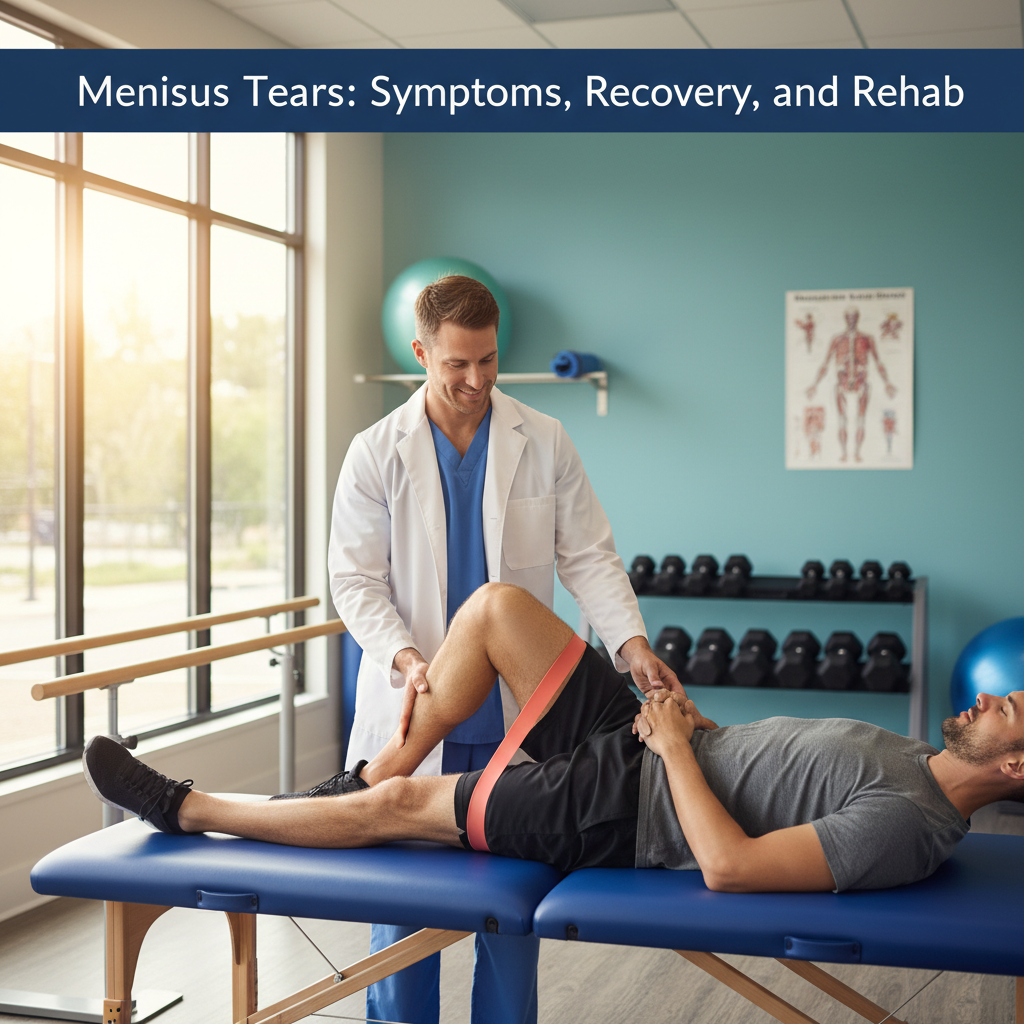
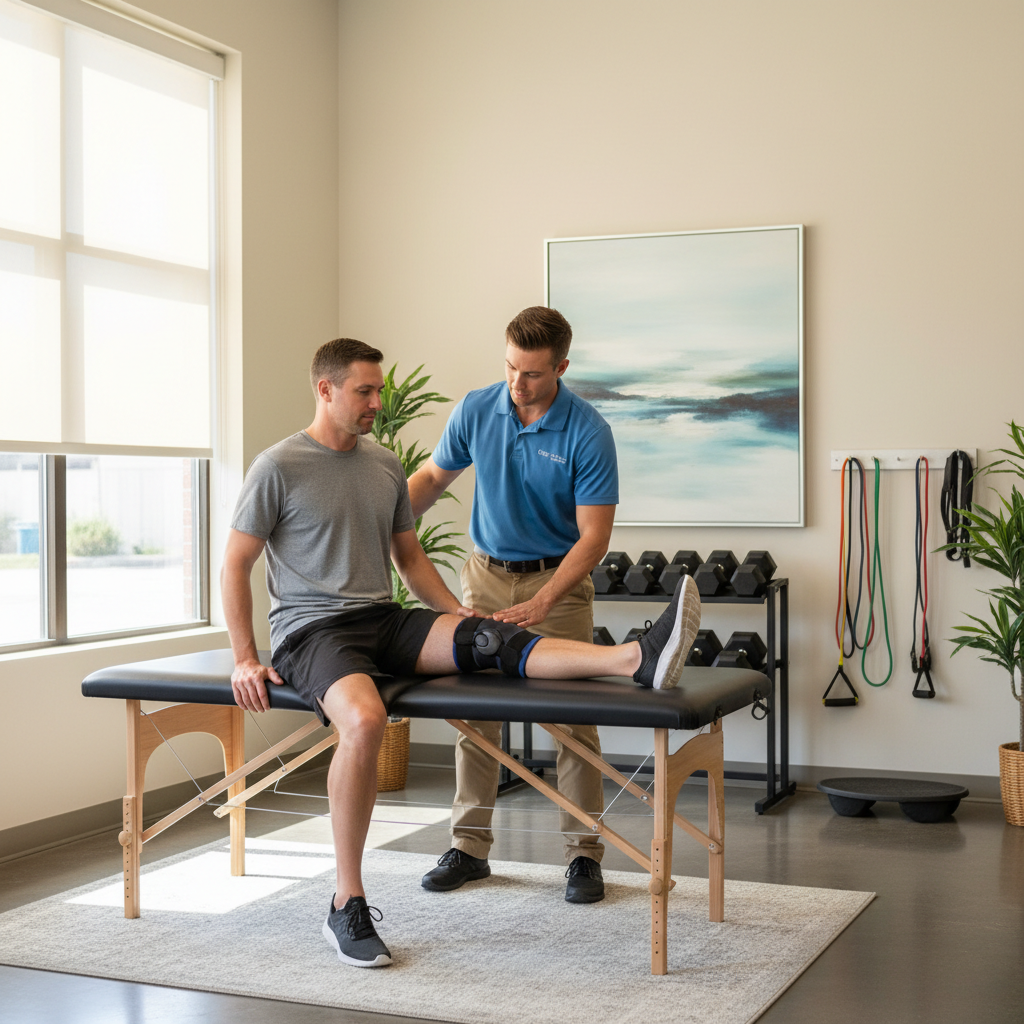
Physical therapy plays a crucial role in the conservative management of meniscus tears and is often a vital component of post-surgical rehabilitation. The primary goals of physical therapy are to reduce pain and swelling, restore full knee function, improve strength and stability, and facilitate a safe return to activity. At Physical Therapy NOW™, our approach is patient-centered, focusing on evidence-based techniques tailored to your specific tear and recovery needs.
Phases of Care and Example Interventions:
Phase 1: Acute Phase (Pain and Swelling Management) • Goal: Reduce pain and inflammation, protect the knee. • Interventions: Rest, ice, compression, elevation (RICE principle). Gentle, pain-free range of motion exercises, non-weight-bearing exercises, and instruction on proper gait with crutches if needed.
Phase 2: Sub-Acute Phase (Restoring Range of Motion and Initial Strength) • Goal: Regain full, pain-free knee motion, begin strengthening. • Interventions: Progressive range of motion exercises, quadriceps and hamstring strengthening (e.g., straight leg raises, hamstring curls), gentle core stability exercises, stationary cycling with low resistance, aquatic therapy.
Phase 3: Strengthening and Neuromuscular Control • Goal: Enhance strength, endurance, balance, and proprioception (the body's ability to sense its position in space). • Interventions: Advanced strengthening exercises (e.g., lunges, squats, leg presses), balance training (e.g., single-leg stands, wobble board exercises), agility drills, sport-specific movements if appropriate. Emphasis on proper movement patterns to protect the knee.
Phase 4: Return to Activity/Sport • Goal: Safely return to desired activities, minimize re-injury risk. • Interventions: Gradual progression to higher impact activities, plyometric exercises (jumping, hopping), advanced agility drills, and sport-specific training. Our therapists will guide you through functional assessments to ensure readiness.
Realistic Recovery Timeframes
The recovery timeline for a meniscus tear varies widely based on several factors, including the type and size of the tear, whether surgery was performed, patient age, overall health, and adherence to the rehabilitation program. For conservative (non-surgical) management of smaller, stable tears, recovery can range from 6 to 12 weeks. For tears requiring surgical repair or meniscectomy, rehabilitation might extend from 3 to 6 months, or even longer for a full return to high-demand activities. Consistent and diligent participation in your physical therapy program is paramount for optimal outcomes.
Practical Self-Care Guidance
While under the guidance of a physical therapist, there are several self-care strategies you can employ: • Listen to Your Body: Avoid activities that cause sharp pain. A little soreness is normal during rehab, but acute pain is a sign to modify or stop. • Ice Regularly: Continue to apply ice to reduce pain and swelling, especially after exercises or activity. • Maintain Activity Modifications: Follow your therapist's recommendations regarding weight-bearing and activity levels. • Wear Supportive Footwear: Good shoes can help maintain proper alignment and reduce stress on the knee. • Stay Hydrated and Nourished: Support your body's healing process with a healthy diet and adequate hydration.
When to Refer / When to Seek Care
For patients experiencing new or worsening knee pain, especially after a twisting injury, or if they notice locking, catching, or significant swelling, seeking a medical evaluation is crucial. If conservative treatments, including physical therapy, are not providing sufficient relief or if symptoms are severe, a referral to an orthopedic specialist is warranted for further assessment and consideration of surgical options. Physicians should consider referring patients to physical therapy early for meniscus tears, as many can be effectively managed non-surgically, potentially delaying or avoiding surgery, and ensuring a robust pre-operative strengthening phase if surgery becomes necessary. A physical therapist can also help differentiate between various knee pathologies.
Navigating a meniscus tear can be challenging, but with the right diagnosis, a dedicated rehabilitation plan, and the expert guidance from professionals at Physical Therapy NOW™, a successful recovery and return to your desired activities are well within reach. We are committed to helping you regain your strength, mobility, and confidence.
Ready to feel better? Physical Therapy NOW™ has 40+ Florida locations, most with same-week appointments and no referral required in most cases.
Schedule now at https://physicaltherapynow.com/schedule · Call 800.481.4582
Ready to start feeling better?
Physical Therapy NOW™ has 40+ Florida locations with same-week appointments. Most insurance, auto accident (PIP), workers' compensation and Medicare accepted.