Understanding Meniscus Tears
The meniscus, often overlooked until injury strikes, plays a crucial role in the health and function of the knee joint. It consists of two C-shaped pieces of cartilage, one on the inner side (medial meniscus) and one on the outer side (lateral meniscus) of each knee. These resilient structures sit between the thigh bone (femur) and the shin bone (tibia), acting as shock absorbers, stabilizing the knee, and distributing weight evenly across the joint. They also contribute to joint lubrication and nutrition, essential for smooth movement. A meniscus tear occurs when one of these cartilaginous pads is damaged, ranging from a minor fraying to a complete split or displacement. Understanding the nature of this injury is the first step toward effective management and recovery.
Common Causes of Meniscus Tears
Meniscus tears can arise from a variety of mechanisms, often categorized as either traumatic or degenerative. Traumatic tears commonly occur in younger, more active individuals, frequently during sports or activities that involve sudden twisting, pivoting, or deep squatting while the foot is planted. For instance, a quick change of direction in basketball or soccer, or an awkward landing, can place excessive stress on the meniscus, leading to a tear. Direct impact to the knee can also cause this type of injury.
Degenerative tears, on the other hand, are more prevalent in older adults. Over time, the meniscus can weaken and thin due to age-related wear and tear, making it more susceptible to injury from less significant forces. Even a simple movement like getting out of a chair or stepping off a curb awkwardly can sometimes be enough to cause a tear in a degenerated meniscus. These tears are often associated with the onset of osteoarthritis, as both conditions involve the gradual breakdown of joint tissues.
Symptoms and Red Flags for Medical Evaluation
Recognizing the symptoms of a meniscus tear is vital for timely intervention. Common indicators include pain, which can range from a dull ache to a sharp, stabbing sensation, often localized along the joint line. Swelling, stiffness, and tenderness to the touch are also frequently reported. Patients may experience a popping or clicking sensation within the knee, and a feeling of the knee giving way or locking, where the knee temporarily gets stuck in one position, is a hallmark symptom, especially with larger tears. Difficulty fully straightening or bending the knee is also common.
Red flags that warrant immediate medical evaluation include severe, debilitating pain, inability to bear weight on the affected leg, significant swelling that develops rapidly, or if the knee feels unstable or locks frequently. These signs could indicate a more severe tear or associated injuries that require urgent attention.
Diagnosis of a Meniscus Tear
Diagnosing a meniscus tear typically begins with a thorough medical history and physical examination. Your healthcare provider will ask about the onset of symptoms, activities that exacerbate the pain, and any previous knee injuries. During the physical exam, they will assess the knee's range of motion, stability, and tenderness. Special tests, such as the McMurray test or Apley's compression test, may be performed to reproduce symptoms and pinpoint the source of pain. These tests involve specific movements of the knee to stress the meniscus.
Imaging studies are often used to confirm the diagnosis and rule out other conditions. X-rays can identify bone abnormalities or signs of arthritis but do not directly visualize the meniscus. Magnetic Resonance Imaging (MRI) is the gold standard for diagnosing meniscus tears, providing detailed images of the soft tissues within the knee joint, including the menisci. In some cases, arthroscopy, a minimally invasive surgical procedure where a small camera is inserted into the joint, may be used for both diagnosis and repair.
How Physical Therapy Treats Meniscus Tears
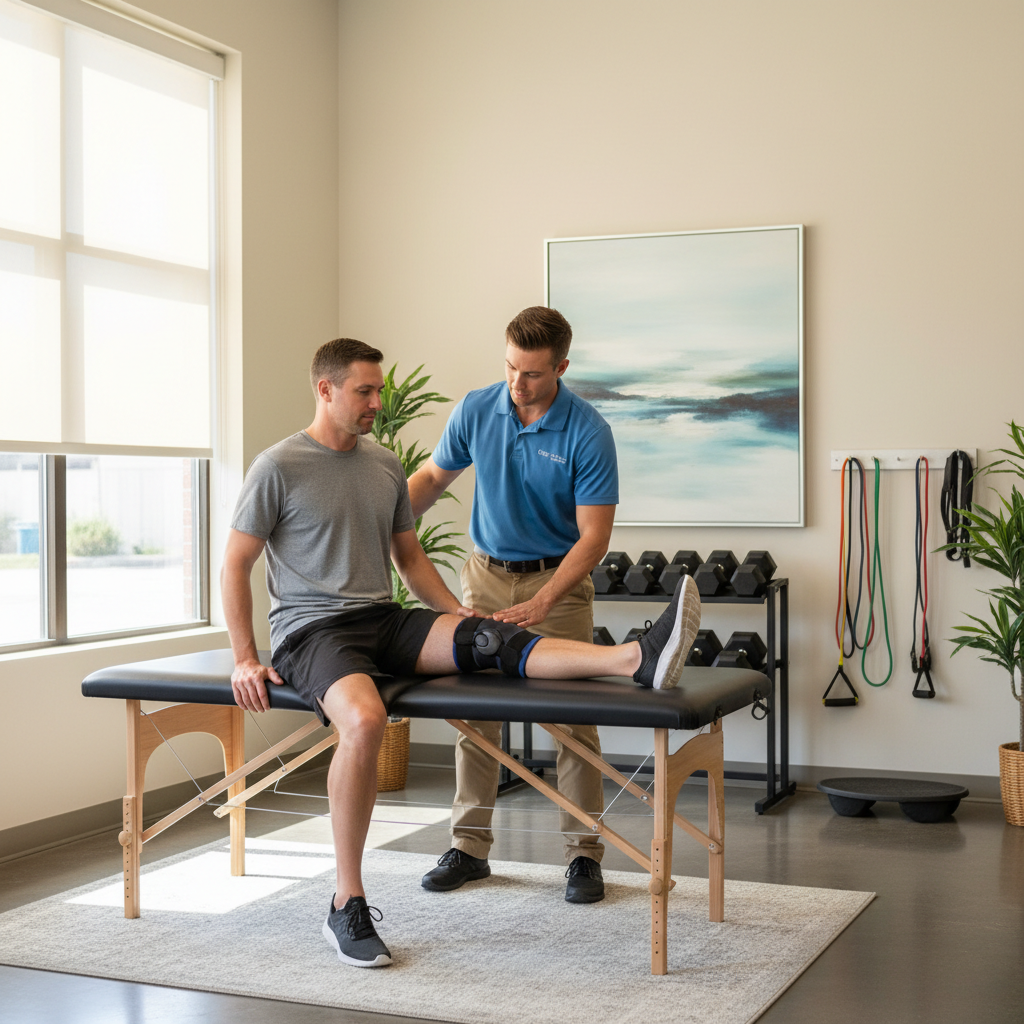
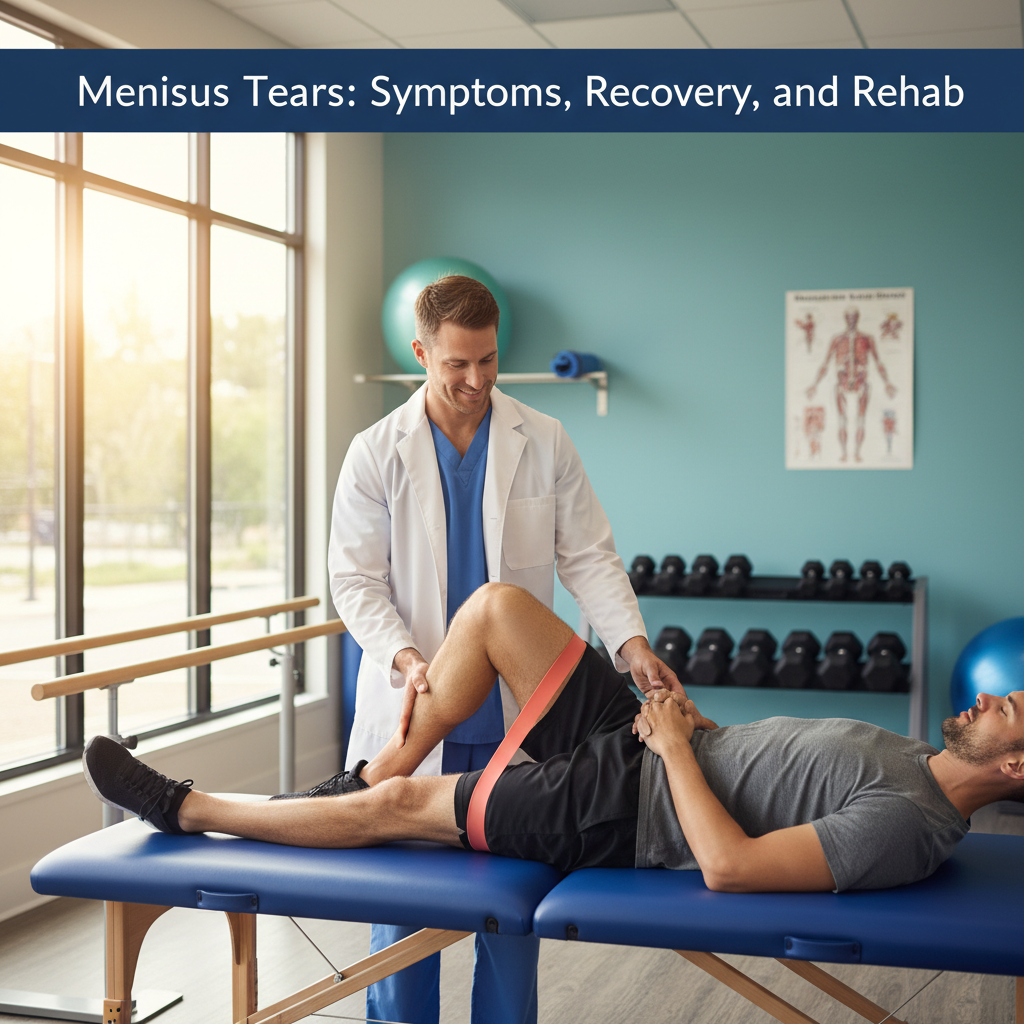
Physical therapy plays a critical role in the conservative management and post-surgical rehabilitation of meniscus tears. The approach is tailored to the individual, considering the type and severity of the tear, the patient's age, activity level, and overall health. Physical Therapy NOW™ provides comprehensive, evidence-based treatment plans aimed at reducing pain, restoring function, and preventing re-injury.
Phases of Care:
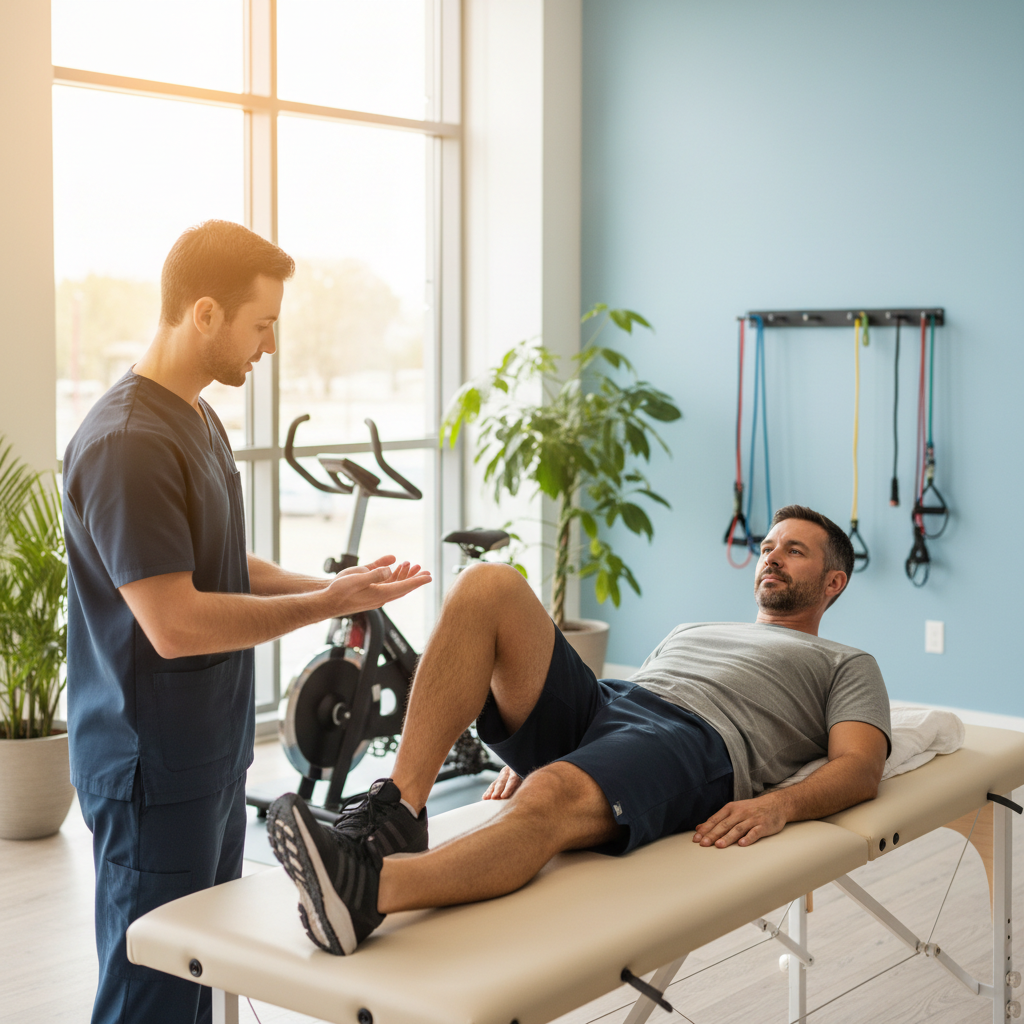
1. Acute Phase (Pain and Swelling Management): The initial focus is on controlling pain and inflammation. This includes PRICE principles (Protection, Rest, Ice, Compression, Elevation), gentle range-of-motion exercises, and modalities such as electrical stimulation or therapeutic ultrasound to reduce discomfort and swelling. The goal is to minimize secondary damage and prepare the knee for active rehabilitation.
2. Restoration of Range of Motion and Strength Phase: Once acute symptoms subside, the focus shifts to restoring full, pain-free range of motion. Exercises target knee flexion and extension, gradually increasing intensity. Strengthening exercises for the quadriceps, hamstrings, glutes, and calf muscles are introduced. These might include isometric contractions, straight leg raises, wall squats, and step-ups. Strengthening the muscles surrounding the knee helps to offload the meniscus and improve joint stability.
3. Neuromuscular Control and Proprioception Phase: This phase focuses on improving balance, coordination, and the body's awareness of its position in space (proprioception). Exercises include single-leg standing, balance board activities, and controlled movements that mimic functional tasks. This is crucial for preventing future injuries, especially for athletes or individuals returning to dynamic activities.
4. Return to Activity/Sport Phase: The final phase involves a gradual progression back to desired activities, whether it's daily walking, recreational sports, or competitive athletics. This includes sport-specific drills, agility training, and plyometrics, all carefully supervised to ensure proper mechanics and prevent re-injury. The physical therapist works closely with the patient to build confidence and ensure the knee can withstand the demands of their chosen activities.
Example Interventions:
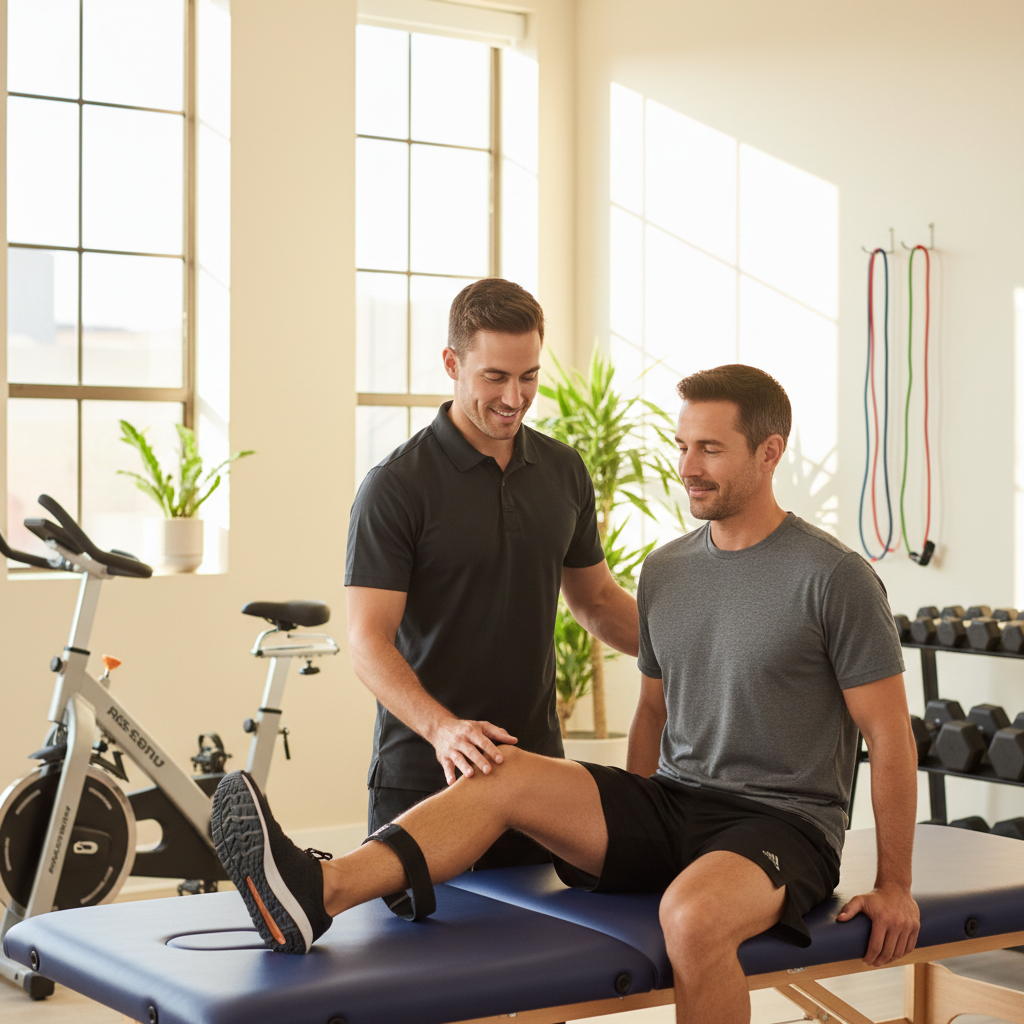
In addition to tailored exercise programs, Physical Therapy NOW™ employs various techniques to optimize recovery. Manual therapy, such as joint mobilizations or soft tissue massage, can improve joint mechanics and reduce muscle tension. Education on proper body mechanics, activity modification, and home exercise programs empowers patients to actively participate in their recovery. Functional training, which simulates real-life movements, helps bridge the gap between clinic exercises and everyday tasks.
Realistic Recovery Timeframes:
Recovery from a meniscus tear varies widely depending on the tear type, treatment approach (conservative vs. surgical), and individual factors. Non-surgical recovery can range from 6 weeks to 3 months, with a gradual return to full activity over several months. For surgical repairs, recovery might take 4-6 months or longer, particularly for return to sports. Degenerative tears, managed conservatively, may have a longer, more variable recovery period as they often involve underlying arthritic changes.
When to Refer / When to Seek Care
Patients experiencing persistent knee pain, swelling, locking, or instability following an injury or gradual onset should seek medical evaluation. Prompt diagnosis can prevent further damage and guide appropriate treatment. For referring physicians, consider physical therapy for meniscus tears that do not present with significant mechanical symptoms (e.g., persistent locking or inability to extend) or for post-operative rehabilitation. Conservative physical therapy is often the first line of treatment for degenerative tears and smaller, stable tears, aiming to restore function and manage symptoms without surgery.
Self-Care Guidance
While under the guidance of a physical therapist, practical self-care measures can significantly aid recovery. Adhere strictly to your prescribed home exercise program, as consistency is key. Pay attention to your body and avoid activities that cause increased pain or swelling. Using ice packs for 15-20 minutes at a time, several times a day, can help manage acute inflammation. Maintaining a healthy weight reduces stress on the knee joint. Additionally, ensure you use appropriate footwear and modify activities as recommended by your physical therapist to protect the healing meniscus.
Navigating a meniscus tear can be challenging, but with the right approach to care, a return to full function is often achievable. A structured rehabilitation program, led by experienced physical therapists, is essential for optimizing healing, regaining strength, and preventing future complications. Stay consistent with your recovery efforts, and you'll be well on your way to improved knee health and mobility.
Ready to feel better? Physical Therapy NOW™ has 40+ Florida locations, most with same-week appointments and no referral required in most cases.
Schedule now at https://physicaltherapynow.com/schedule · Call 800.481.4582
Ready to start feeling better?
Physical Therapy NOW™ has 40+ Florida locations with same-week appointments. Most insurance, auto accident (PIP), workers' compensation and Medicare accepted.