Understanding Meniscus Tears
The meniscus is a C-shaped piece of cartilage that acts as a shock absorber between your thigh bone (femur) and shin bone (tibia). Each knee has two menisci: a medial meniscus on the inside of the knee and a lateral meniscus on the outside. These vital structures help stabilize the knee joint, distribute weight evenly across the joint surfaces, and facilitate smooth movement. A meniscus tear occurs when this cartilage is damaged, often due to twisting, pivoting, or direct impact.
Common Causes of Meniscus Tears
Meniscus tears can arise from various scenarios. In younger, more active individuals, tears frequently result from sports-related injuries involving sudden stops, pivots, or deep squats. Activities like football, soccer, basketball, and skiing are common culprits. These acute tears are often associated with other knee injuries, such as anterior cruciate ligament (ACL) tears. In older adults, the meniscus can weaken and thin over time due to degenerative changes, making it more susceptible to tearing with minimal trauma, such as simply standing up from a chair or twisting awkwardly. Degenerative tears are common and may not always present with a distinct injury event.
Symptoms and Red Flags for Medical Evaluation
The symptoms of a meniscus tear can vary depending on the size, location, and type of tear. Common symptoms include knee pain, especially when twisting or squatting, swelling, stiffness, and difficulty fully straightening or bending the knee. A popping sensation may be felt at the time of injury. More severe tears can lead to mechanical symptoms such as the knee locking (getting stuck in one position), catching, or giving way. These mechanical symptoms, persistent swelling, severe pain that limits weight-bearing, or inability to fully extend or flex the knee are red flags that warrant prompt medical evaluation. Early assessment by a healthcare professional can prevent further damage and guide appropriate treatment.
How Meniscus Tears Are Diagnosed
Diagnosing a meniscus tear typically begins with a thorough medical history and physical examination. A physician will assess your symptoms, check for tenderness along the joint line, and perform specific tests to evaluate the knee's stability and meniscal integrity, such as the McMurray test. Imaging studies are often used to confirm the diagnosis and assess the extent of the tear. X-rays can rule out bone fractures and assess for signs of arthritis, though they do not show cartilage. Magnetic Resonance Imaging (MRI) is the gold standard for visualizing soft tissues like the meniscus, providing detailed images that help determine the type, size, and location of the tear. In some cases, arthroscopy, a minimally invasive surgical procedure, may be used for both diagnosis and treatment.
Physical Therapy's Role in Treatment
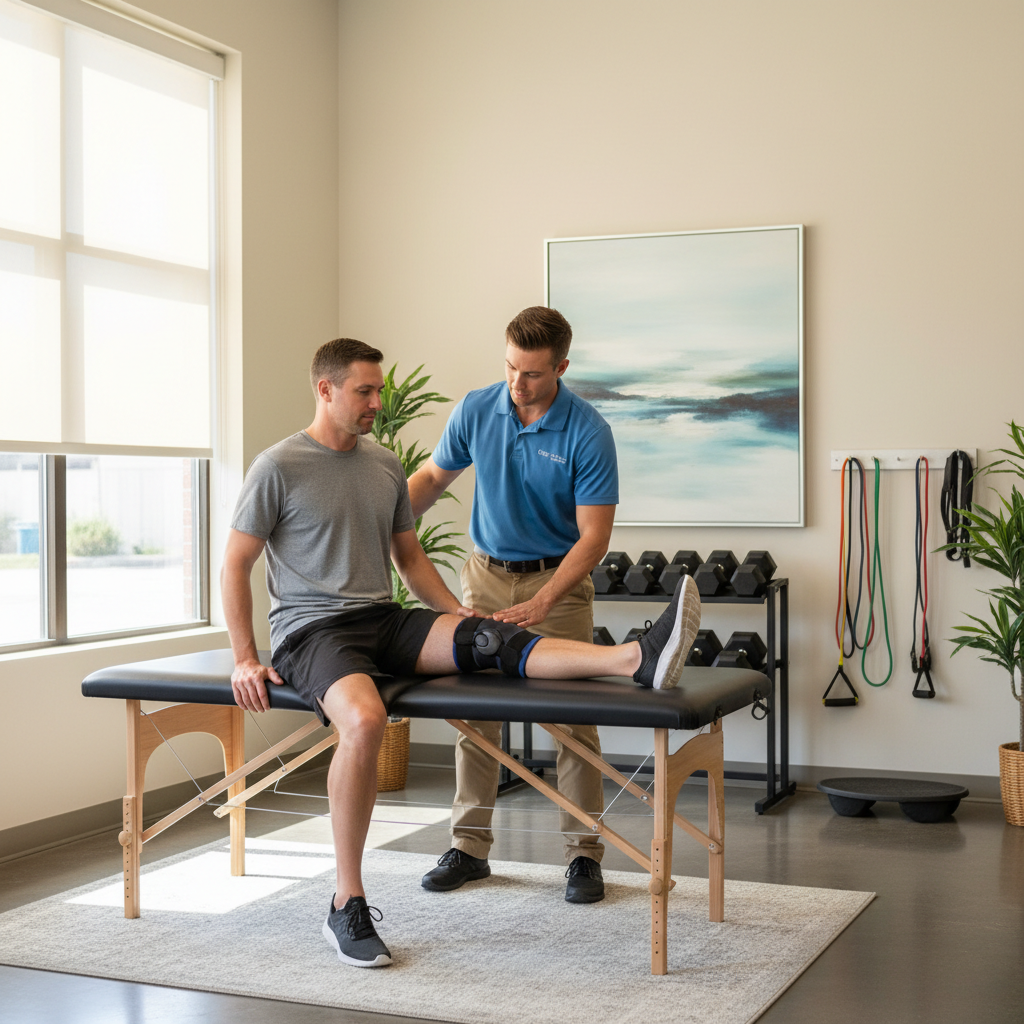
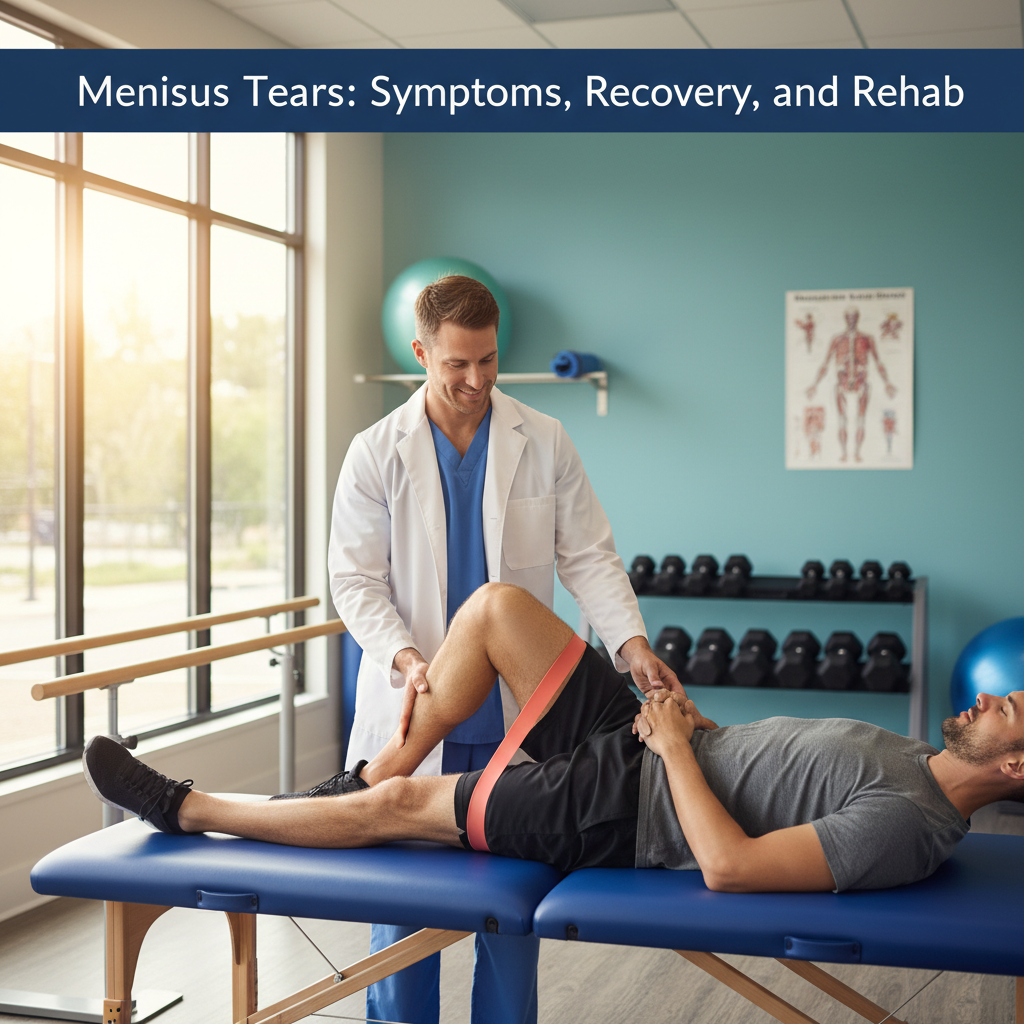
Physical therapy plays a crucial role in the management of meniscus tears, whether the tear is treated conservatively or surgically. For many tears, especially smaller, stable tears or degenerative tears, non-surgical management with physical therapy is the first line of treatment. The goals of physical therapy are to reduce pain and swelling, restore full range of motion, improve strength and stability around the knee, and facilitate a safe return to activities. Physical Therapy NOW™ focuses on evidence-based approaches to guide patients through their recovery.
Phases of Care in Physical Therapy
Rehabilitation for a meniscus tear typically progresses through several phases:
Acute Phase (Weeks 0-2/4): The primary focus is on pain and swelling management. Interventions include RICE (Rest, Ice, Compression, Elevation), gentle range of motion exercises, and pain-free isometric exercises to maintain muscle activation without stressing the joint. Weight-bearing status may be modified, often with crutches, as tolerated.
Subacute Phase (Weeks 2-6/8): As pain and swelling decrease, the focus shifts to restoring full, pain-free range of motion and initiating gentle strengthening. Exercises may include stationary cycling, hamstring curls, quadriceps sets, leg presses, and hip abduction/adduction exercises. Proprioception (joint position sense) training with balance exercises is also introduced.
Intermediate Phase (Weeks 6-12+): This phase emphasizes progressive strengthening, cardiovascular endurance, and functional training. Exercises become more challenging, incorporating single-leg squats, lunges, step-ups, and plyometric drills for athletes. The goal is to build strength and endurance to prepare for more dynamic activities.
Return to Activity Phase (Weeks 12+): The final phase focuses on sport-specific or activity-specific drills, agility training, and gradual return to full participation. This phase is highly individualized and aims to ensure the knee can withstand the demands of the desired activities without re-injury. Functional assessments are often used to determine readiness.
Example Interventions and Self-Care Guidance
Throughout these phases, a physical therapist may utilize various interventions. Manual therapy techniques, such as joint mobilizations, can help improve knee mobility. Therapeutic exercises are tailored to your specific needs and progress. Education on activity modification, proper body mechanics, and a home exercise program are essential for sustained recovery. Self-care guidance often includes consistent icing for swelling, adhering to your prescribed exercise routine, and understanding your pain limits to avoid overdoing it. Listen to your body and communicate any concerns to your physical therapist.
Realistic Recovery Timeframes
The recovery timeline for a meniscus tear varies widely based on several factors, including the type and severity of the tear, whether surgery was performed, individual healing capacity, and adherence to the rehabilitation program. For conservative management, a full return to activities can range from 6 to 12 weeks or longer, depending on the severity and individual progress. Post-surgical rehabilitation, particularly after a meniscectomy (removal of damaged tissue), might see a return to light activities in 4-8 weeks and full activity in 3-4 months. Following a meniscus repair (suturing the tear), recovery is generally longer, often taking 4-6 months or more to allow adequate healing of the repaired tissue before progressive loading can occur. A dedicated physical therapist at Physical Therapy NOW™ will help you navigate these timelines safely.
When to Refer / When to Seek Care
For patients: If you experience knee pain, swelling, difficulty moving your knee, or any locking/catching sensations after an injury or even from unknown causes, it is advisable to seek medical attention. Early diagnosis and intervention can significantly impact your recovery. Consult your physician or a physical therapist directly.
For physicians: Consider referral to physical therapy for patients presenting with suspected meniscus tears, especially those without mechanical locking, who can tolerate weight-bearing, or who are candidates for conservative management. Post-surgical physical therapy is also crucial for optimizing outcomes after meniscectomy or meniscus repair, ensuring structured rehabilitation and safe progression.
Navigating a meniscus tear can be challenging, but with appropriate medical care and a dedicated rehabilitation program, a full recovery and return to your desired activities are often achievable. Understanding the injury, actively participating in your physical therapy, and following your healthcare team's guidance are key steps on your path to wellness.
Ready to feel better? Physical Therapy NOW™ has 40+ Florida locations, most with same-week appointments and no referral required in most cases.
Schedule now at https://physicaltherapynow.com/schedule · Call 800.481.4582
Ready to start feeling better?
Physical Therapy NOW™ has 40+ Florida locations with same-week appointments. Most insurance, auto accident (PIP), workers' compensation and Medicare accepted.