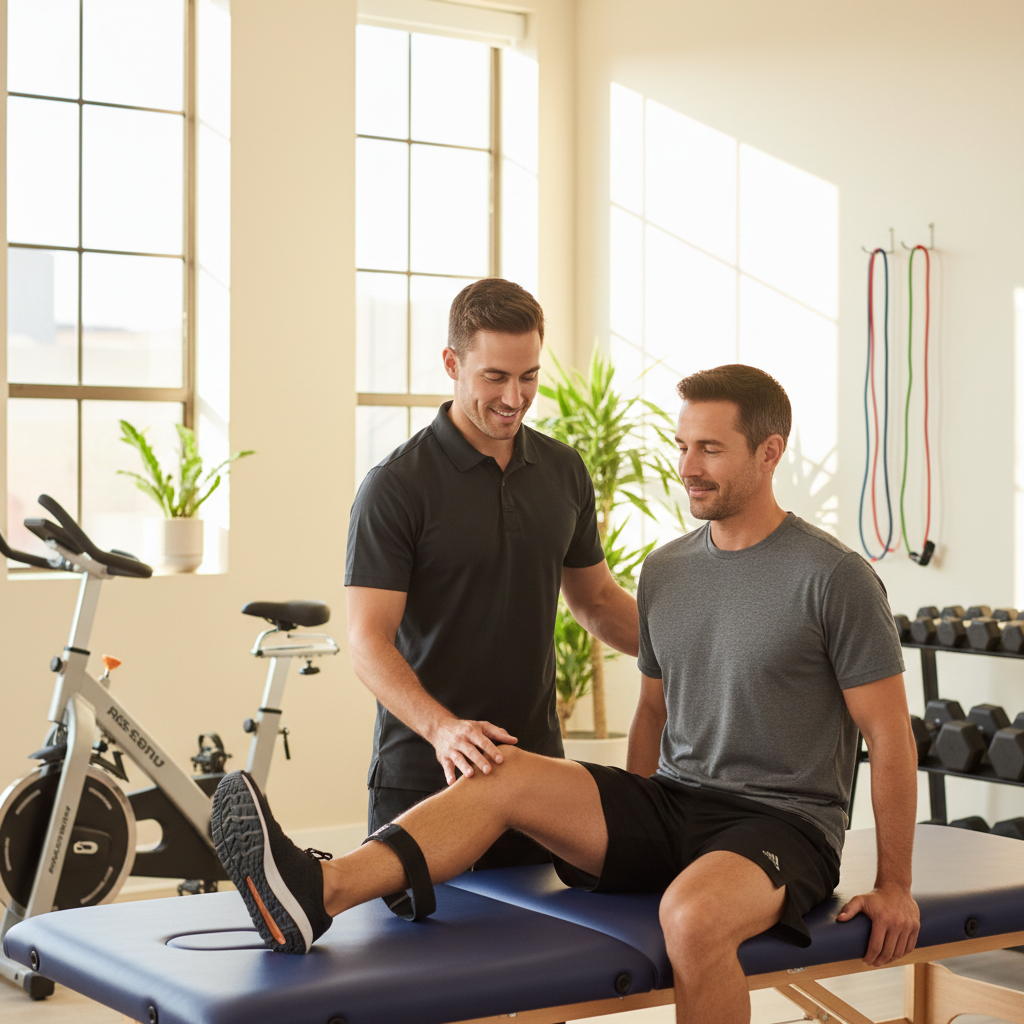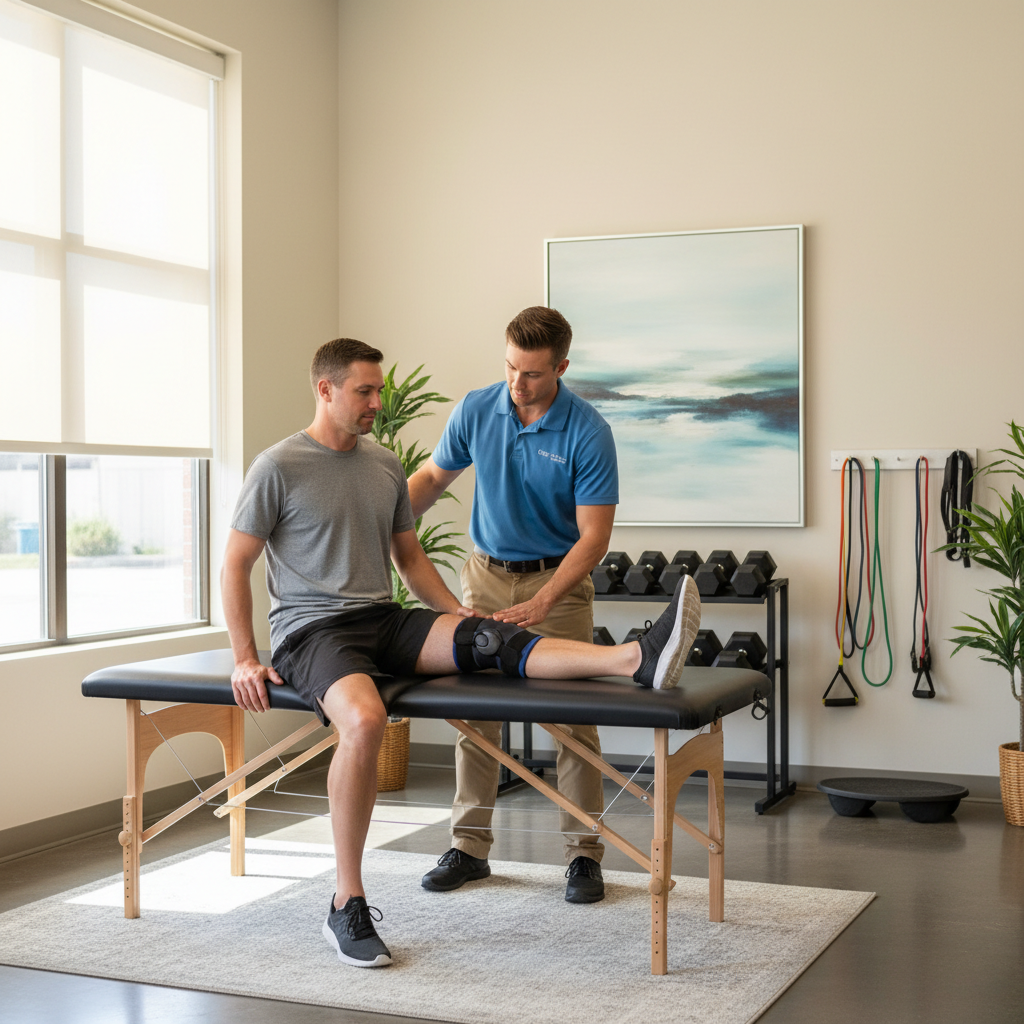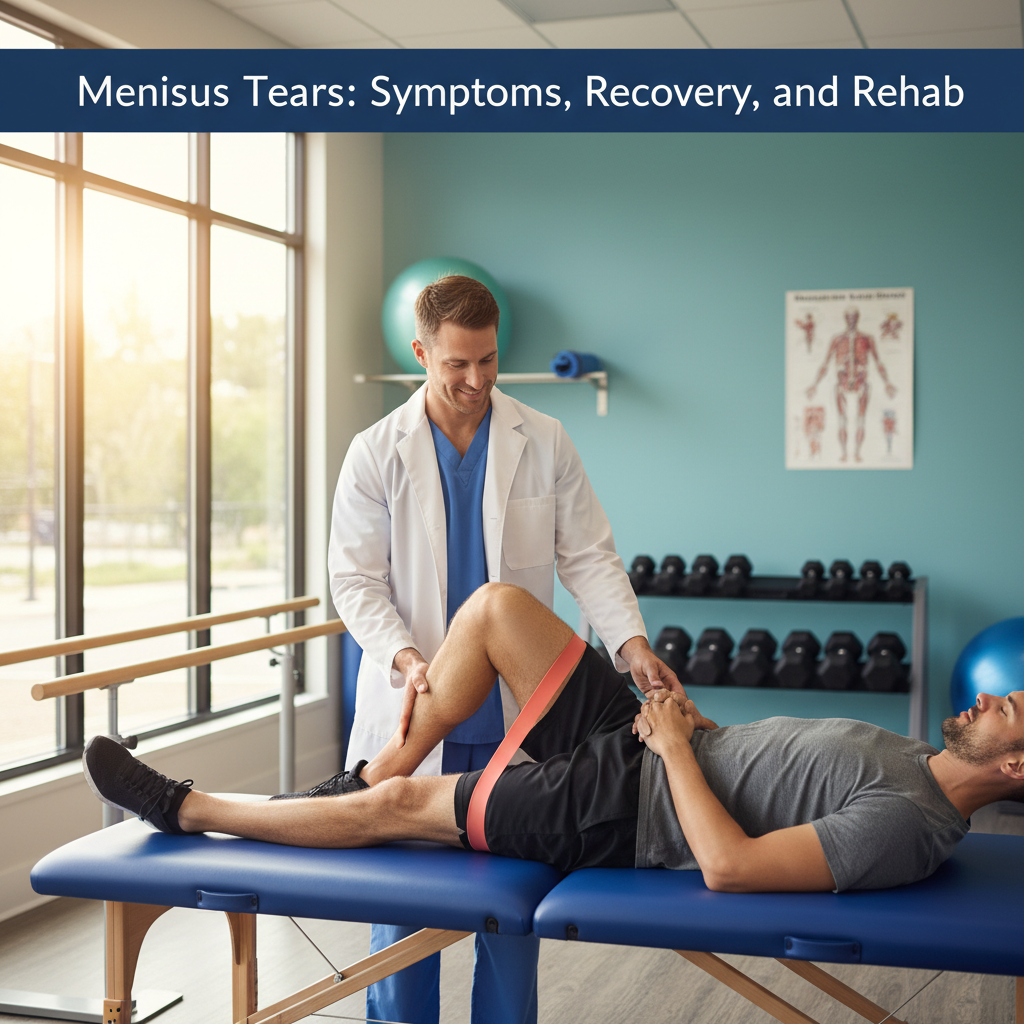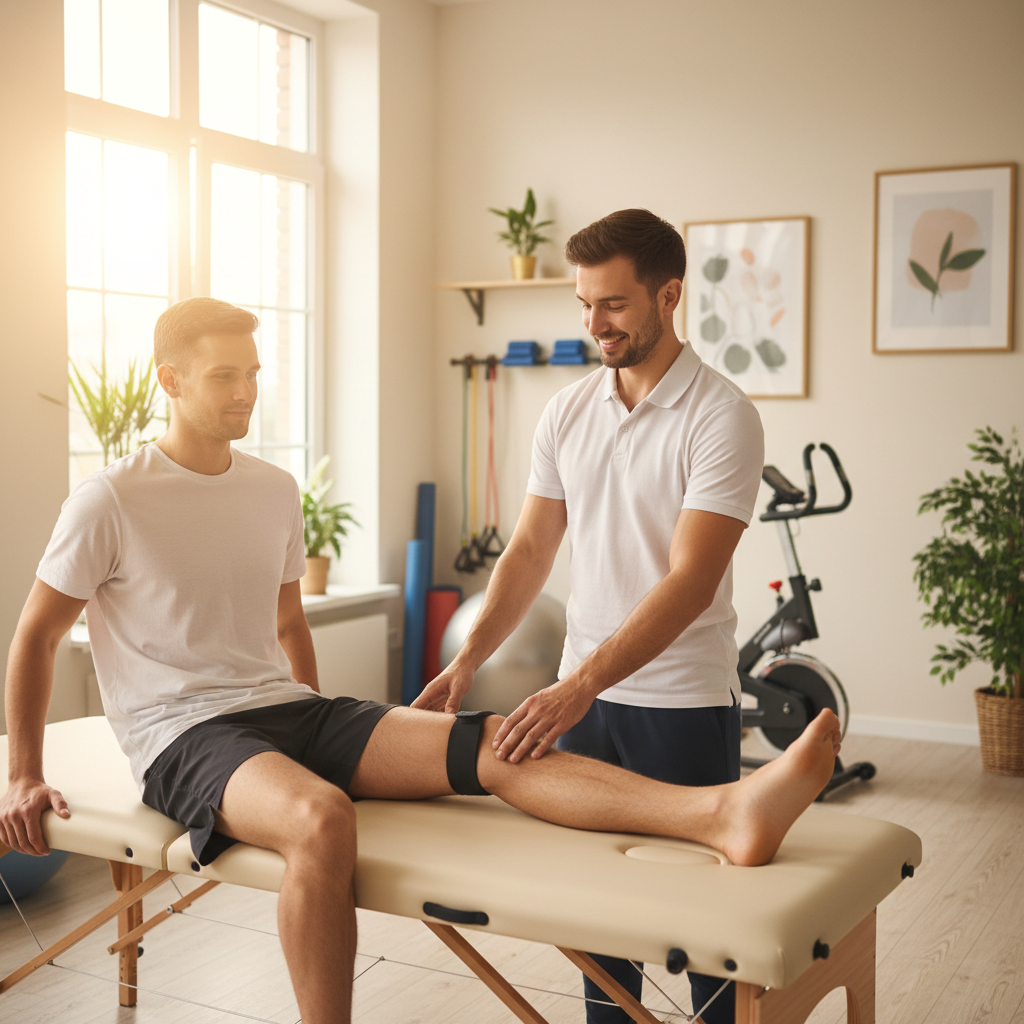
Understanding Meniscus Tears
Meniscus tears are among the most common knee injuries, affecting individuals of all ages, from athletes to older adults. The meniscus is a C-shaped piece of cartilage located in your knee joint, acting as a vital shock absorber between your thigh bone (femur) and shin bone (tibia). Each knee has two menisci: the medial meniscus on the inner side of the knee and the lateral meniscus on the outer side. These resilient structures play a crucial role in distributing weight, stabilizing the knee, and facilitating smooth joint movement. A tear in this cartilage can lead to significant pain, swelling, and functional limitations, impacting daily activities and participation in sports.
Common Causes of Meniscus Tears
Meniscus tears typically occur due to either traumatic injury or degenerative processes. Traumatic tears often happen during activities involving forceful twisting or rotation of the knee, especially when the foot is planted and the knee is bent. This can be seen in sports like soccer, basketball, skiing, and football. A sudden pivot, deep squat, or direct impact can place excessive stress on the meniscus, leading to a tear. These types of tears are more common in younger, active individuals.
In older adults, meniscus tears are frequently the result of degeneration. As we age, the meniscus can weaken and become less resilient, making it more susceptible to tearing even with minor movements or stresses. Simple activities like stepping awkwardly, squatting, or even kneeling can cause a degenerative tear in an older, less robust meniscus.
Symptoms and Red Flags
The symptoms of a meniscus tear can vary depending on the size, location, and type of tear, as well as the individual's activity level. Common symptoms include: • Pain: Often felt along the joint line, either on the inside (medial) or outside (lateral) of the knee, and may worsen with twisting, squatting, or going up/down stairs. • Swelling: The knee may become swollen, sometimes immediately after the injury, but often developing over several hours or days. • Stiffness: Difficulty fully straightening or bending the knee. • Tenderness: Localized pain when pressing on the joint line. • Clicking or Popping: A sensation or audible sound within the knee joint. • Catching or Locking: A distinct feeling that the knee is
Ready to feel better? Physical Therapy NOW™ has 40+ Florida locations, most with same-week appointments and no referral required in most cases.
Schedule now at https://physicaltherapynow.com/schedule · Call 800.481.4582
Ready to start feeling better?
Physical Therapy NOW™ has 40+ Florida locations with same-week appointments. Most insurance, auto accident (PIP), workers' compensation and Medicare accepted.