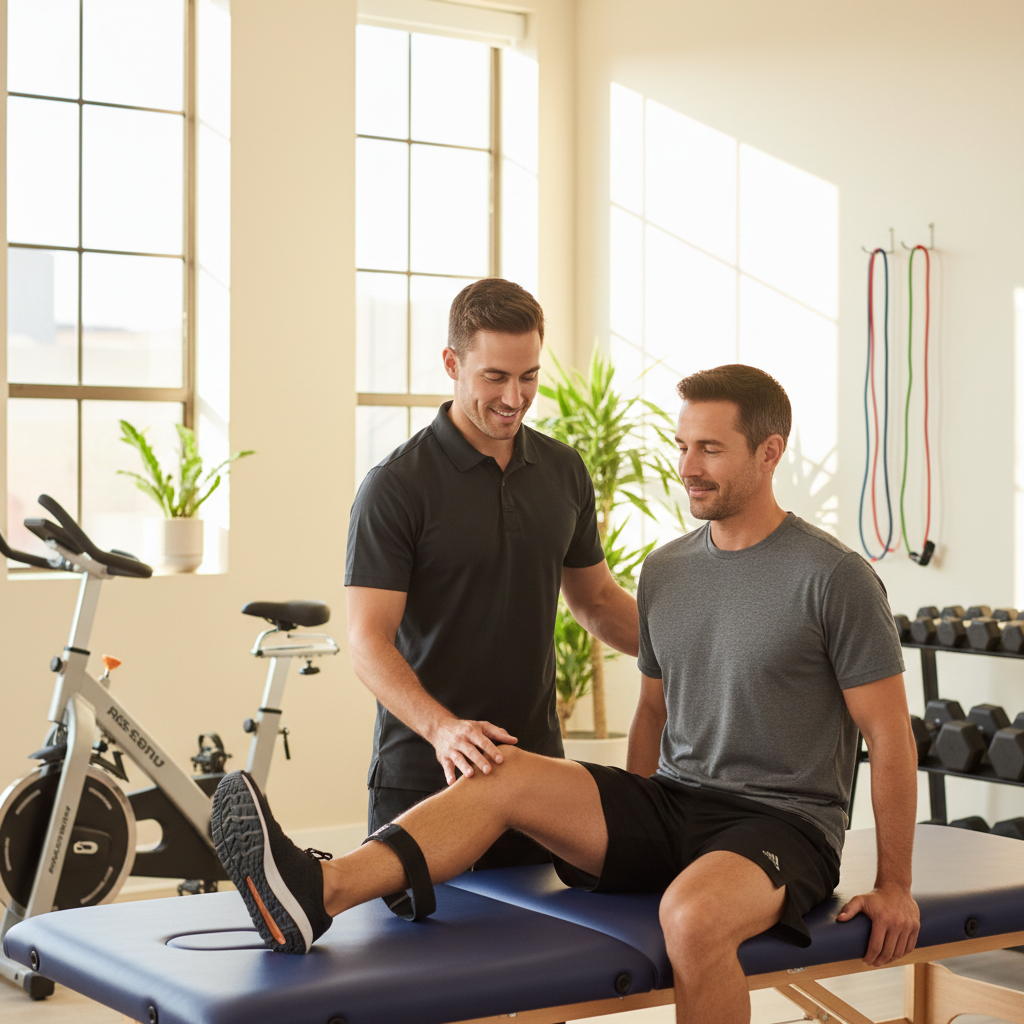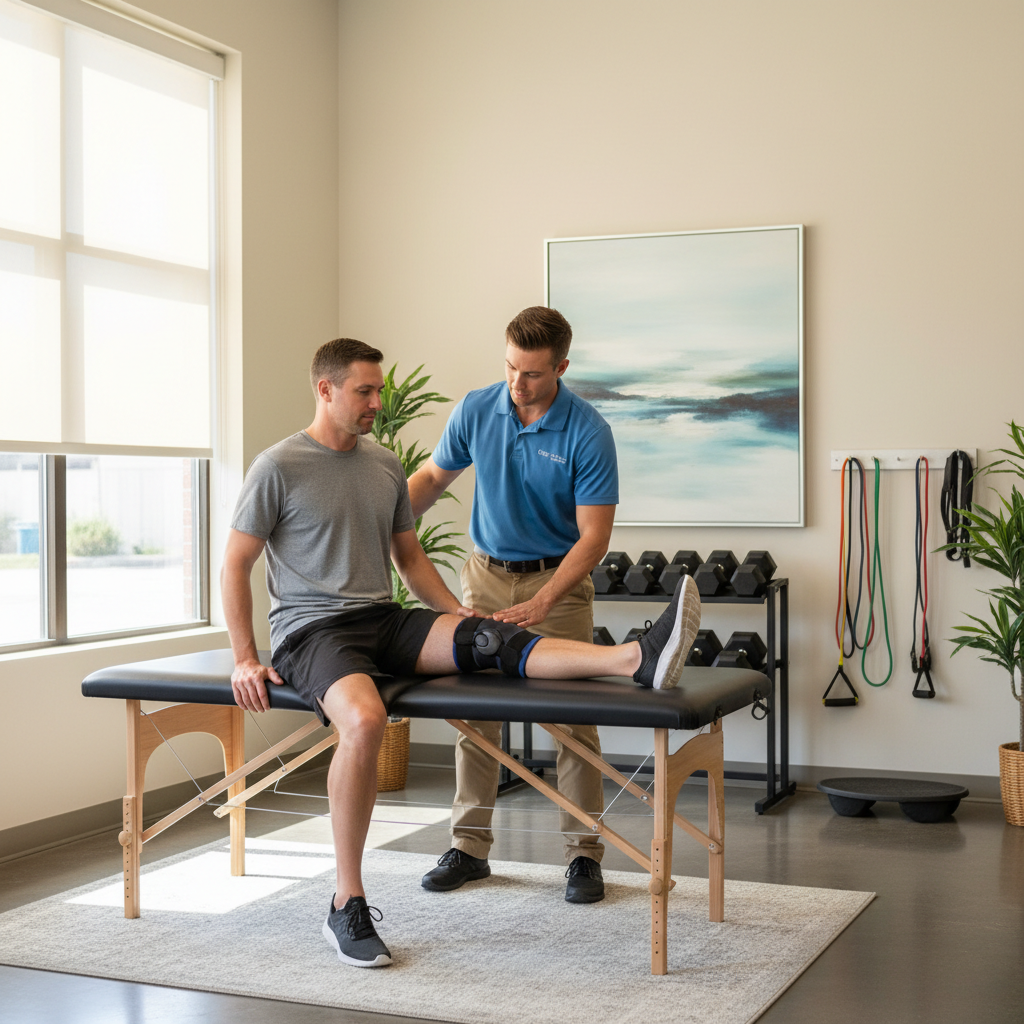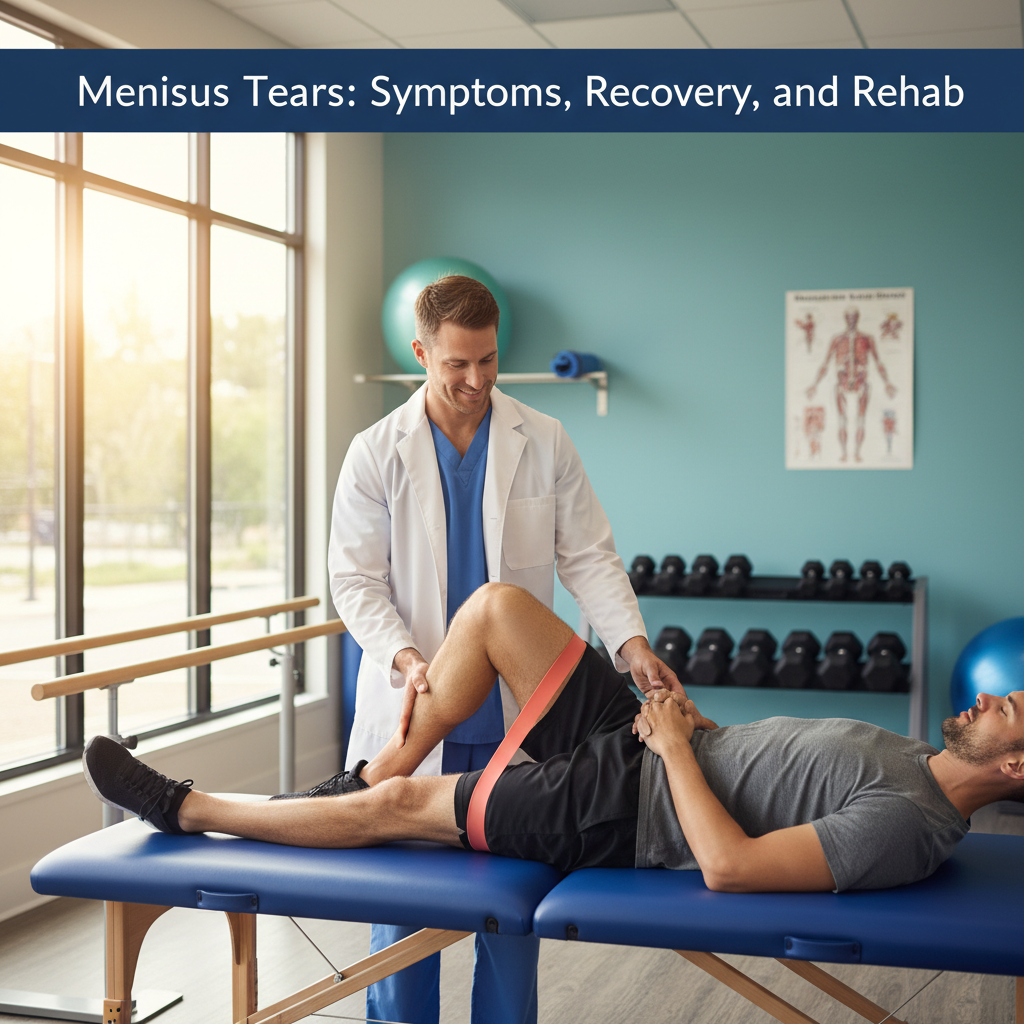
Understanding Meniscus Tears
Knee pain is a common complaint, and a meniscus tear is one of the most frequent culprits. For both individuals experiencing discomfort and healthcare professionals seeking comprehensive patient care solutions, understanding the intricacies of meniscus injuries is crucial. This article from Physical Therapy NOW™ provides a detailed look at meniscus tears, covering everything from their nature and common causes to diagnosis, recovery timelines, and the vital role of physical therapy in rehabilitation.
What is a Meniscus Tear?
The menisci are two C-shaped pieces of cartilage located on the top of your tibia (shin bone) that act as natural shock absorbers between your femur (thigh bone) and tibia. Each knee has two menisci: the medial meniscus (on the inner side of the knee) and the lateral meniscus (on the outer side). These tough, rubbery structures help stabilize the knee joint, distribute weight evenly across the joint surfaces, and facilitate smooth movement. A meniscus tear occurs when one of these cartilages is damaged, often due to twisting, pivoting, or direct impact.
Common Causes of Meniscus Tears
Meniscus tears can arise from various mechanisms, often categorized as acute (traumatic) or degenerative. Acute tears typically result from a sudden, forceful twist or rotation of the knee while the foot is planted on the ground, especially when the knee is bent. This is common in sports that involve quick changes in direction, such as soccer, basketball, tennis, and football. Activities like deep squatting, kneeling, or heavy lifting can also lead to tears. Degenerative tears, on the other hand, are more common in older adults. Over time, the meniscus can weaken and thin due to natural wear and tear, making it more susceptible to tearing with minimal or even no significant trauma, sometimes even from simple movements like getting out of a chair.
Symptoms and Red Flags for Medical Evaluation
Recognizing the symptoms of a meniscus tear is the first step toward appropriate care. Common signs include: • Pain: Often localized along the joint line, either on the inner or outer side of the knee, depending on which meniscus is affected. Pain may worsen with squatting, twisting, or weight-bearing activities. • Swelling: The knee may swell, sometimes immediately after the injury or developing gradually over a few hours. • Stiffness: Difficulty fully straightening or bending the knee. • Popping Sensation: Some individuals recall hearing or feeling a distinct pop at the time of injury. • Catching or Locking: A sensation that the knee is
Ready to feel better? Physical Therapy NOW™ has 40+ Florida locations, most with same-week appointments and no referral required in most cases.
Schedule now at https://physicaltherapynow.com/schedule · Call 800.481.4582
Ready to start feeling better?
Physical Therapy NOW™ has 40+ Florida locations with same-week appointments. Most insurance, auto accident (PIP), workers' compensation and Medicare accepted.