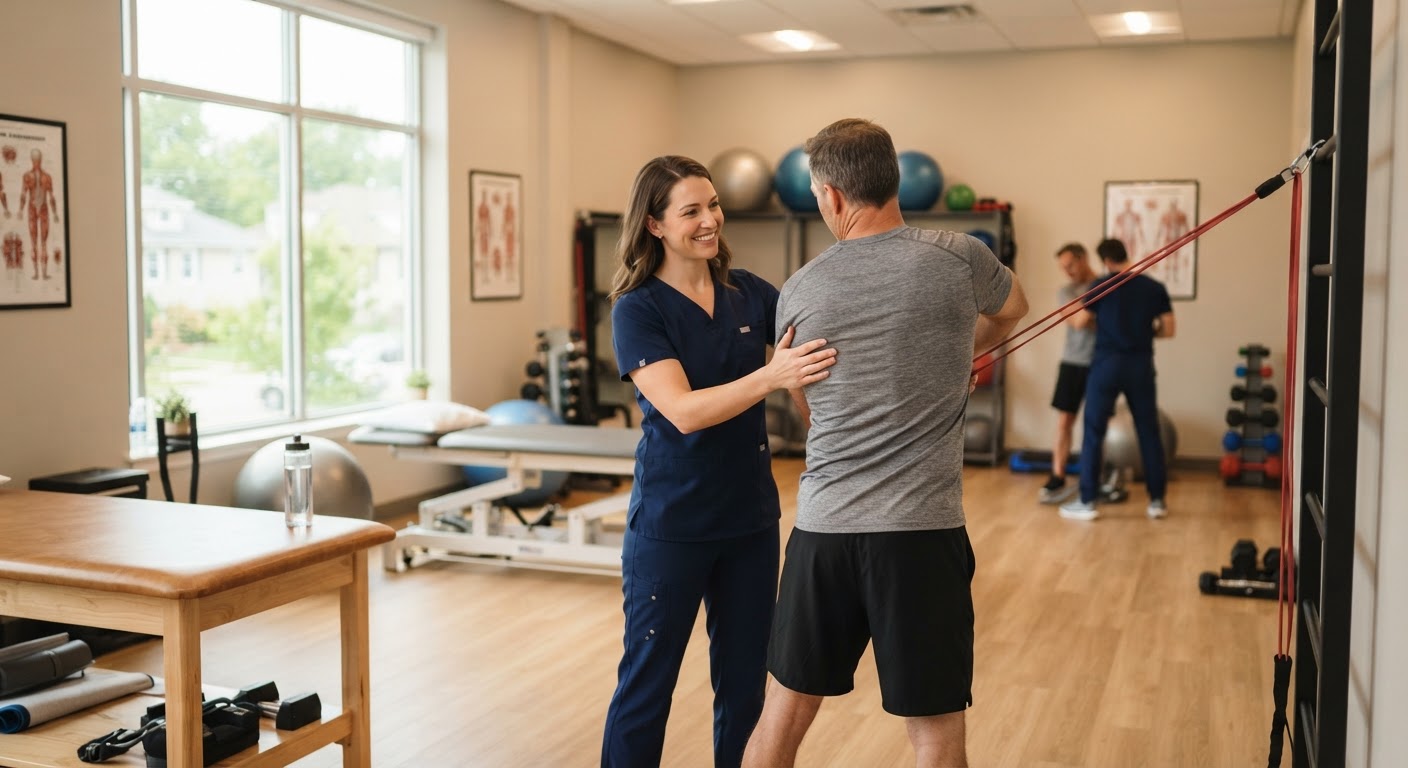
Managing Chronic Back Pain With Physical Therapy
Persistent back pain can make everyday activities feel harder, from sitting at work to lifting groceries or getting a good night’s sleep. The good news is that a thoughtful plan can help you move with greater confidence and build skills for managing symptoms. Physical therapy focuses on your individual needs, combining movement, education, and practical strategies to support pain relief and better function.
At Physical Therapy NOW™ in Homestead, FL, care is centered on understanding what may be contributing to your discomfort and helping you work toward meaningful goals. Here’s how physical therapy may fit into a comprehensive approach to chronic back pain.
Understanding Chronic Back Pain
Back pain is often described as chronic when it continues or returns over an extended period. It can affect the lower, middle, or upper back, and may vary in intensity from day to day. Symptoms can be influenced by many factors, including strength, mobility, activity levels, sleep, stress, and the demands of work or home life. The cause is not always straightforward, so an individual assessment is important.
A physical therapist can ask about your symptoms, health history, activities, and goals, then assess how you move. This helps guide a rehabilitation plan that is appropriate for you. Physical therapy does not promise a quick fix, but it can help you understand your body, gradually improve capacity, and find ways to participate more comfortably in daily life.
How Physical Therapy Can Help
Physical therapy for back pain is more than a list of exercises. Your therapist may consider flexibility, strength, balance, posture, and the way you perform daily tasks. Treatment is adjusted to your needs and may change as your symptoms and abilities change.
A plan may include progressive exercises to build core, hip, and back strength; mobility activities to make movement more comfortable; and practice with tasks such as bending, lifting, or changing positions. Your therapist can also discuss pacing, body mechanics, and ways to modify activities without avoiding movement altogether. If a particular movement increases symptoms, your therapist can help you adjust the range, intensity, or technique.
Hands-on techniques may be used when appropriate, typically as one part of a broader plan. Education is also central: learning how to respond to a flare-up, choose manageable activity levels, and gradually return to valued tasks can help you feel more prepared and in control.
Practical Steps You Can Start Today
Keep moving within your comfort level. Long periods of inactivity may make it harder to return to usual activities. Try brief, gentle movement breaks, such as walking around your home or changing positions regularly. Start at a manageable level and build gradually rather than pushing through a sharp increase in pain.
Use pacing to make demanding tasks easier. Break chores into smaller steps, alternate heavier and lighter activities, and schedule short rests before you become exhausted. Pacing means finding a sustainable rhythm, not giving up on activities that matter to you.
Pay attention to your setup. When sitting for a while, adjust your chair or work surface for comfort and change positions periodically. There is no single perfect posture for everyone; comfortable movement and regular position changes are often more useful than trying to hold one rigid position all day.
Make lifting more manageable. Keep items close to your body, use a stable stance, and turn your feet rather than twisting under load when possible. For heavier objects, ask for help or divide the load. A physical therapist can help you practice lifting strategies that fit your home or job.
Track patterns without becoming focused on every sensation. A simple note about activities, sleep, and symptom changes may help you notice what supports your comfort. Use that information to make small adjustments and discuss useful patterns with your care team.
When to Seek Professional Guidance
Consider speaking with a physical therapist or healthcare professional if back pain is limiting your routine, repeatedly flares, or makes you uncertain about safe activity. Seek urgent medical attention for back pain accompanied by concerning symptoms such as new loss of bladder or bowel control, numbness around the groin or saddle area, significant or progressive leg weakness, or symptoms following a serious injury. A healthcare professional can help determine the right next step for your situation.
A Personal Plan for Progress
Progress with chronic back pain may not be perfectly linear. Some days may feel easier than others, and your plan should allow for that. A physical therapist can help you set realistic goals, measure functional changes, and adjust your rehabilitation as needed. Goals might include walking farther, sitting more comfortably, returning to a favorite activity, or completing household tasks with greater confidence.
The Homestead location of Physical Therapy NOW™ offers an opportunity to discuss your concerns and explore a plan tailored to your needs. With professional guidance and consistent, appropriately paced practice, physical therapy can support improved movement and practical pain relief strategies over time.
Take the Next Step
You do not have to figure out chronic back pain on your own. Contact or visit Physical Therapy NOW™ in Homestead, FL, to talk with the team about your symptoms, goals, and options for care. Call the Homestead location to ask a question or schedule an appointment, and take a practical first step toward moving with more confidence.
Ready to start feeling better?
Physical Therapy NOW™ has 40+ Florida locations with same-week appointments. Most insurance, auto accident (PIP), workers' compensation and Medicare accepted.