Navigating life with persistent knee pain can be incredibly challenging, often limiting daily activities, hobbies, and overall quality of life. For many in Cape Coral, FL, when conservative treatments no longer provide relief, a total knee replacement becomes a viable, life-changing option. This transformative surgery, also known as total knee arthroplasty, involves replacing damaged bone and cartilage with artificial components, aiming to alleviate pain and restore mobility. While the surgery itself is a significant step, the journey to full recovery doesn't end in the operating room. In fact, one of the most critical components of regaining strength, flexibility, and function after a knee replacement is physical therapy.
Understanding Total Knee Replacement
A total knee replacement is recommended for individuals suffering from severe knee arthritis, often osteoarthritis, where the joint surfaces have worn away, causing bone-on-bone friction, pain, and stiffness. Other conditions like rheumatoid arthritis or post-traumatic arthritis can also necessitate this procedure. The goal of surgery is to resurface the joint, eliminating the source of pain and allowing for smoother, less painful movement. Modern knee implants are designed to last for many years, offering a renewed sense of freedom and mobility.
The Indispensable Role of Physical Therapy
While the surgeon repairs the joint, it’s the physical therapist who helps you learn to use your new joint effectively and safely. Physical therapy is not merely an optional add-on; it is an integral and absolutely essential part of the total knee replacement recovery process. Without dedicated rehabilitation, patients risk developing stiffness, weakness, and persistent pain, which can compromise the long-term success of the surgery.
Pre-Operative Physical Therapy: Laying the Groundwork
Many patients benefit immensely from pre-operative physical therapy, often referred to as 'prehab.' Even a few sessions before surgery can make a substantial difference in your recovery trajectory. A physical therapist at Physical Therapy NOW™ in Cape Coral can help you by:
Improving Pre-Surgery Strength and Flexibility: The stronger and more flexible your knee and surrounding muscles are before surgery, the better prepared your body will be for recovery.
Educating on Post-Operative Exercises: Learning exercises beforehand means you'll be more comfortable performing them immediately after surgery.
Discussing Mobility Aids: Understanding how to use crutches or a walker and practicing transfers (like getting out of bed or a chair) before surgery can reduce anxiety and improve safety post-op.
Setting Realistic Expectations: Your therapist will explain the typical recovery timeline, potential challenges, and what you can expect during each phase of rehabilitation.
Immediate Post-Operative Physical Therapy: The Critical First Steps
Physical therapy often begins within hours or a day after surgery. While it might seem daunting, early mobilization is crucial for reducing swelling, preventing blood clots, and kick-starting the healing process. Your physical therapist will work closely with you, often in the hospital setting, to:
Pain Management Strategies: Guiding you on safe movement within pain limits and advising on positioning to minimize discomfort.
Early Range of Motion Exercises: Gentle movements to prevent stiffness and regain crucial knee bend and extension.
Bed Mobility and Transfers: Safely getting in and out of bed, chairs, and using assistive devices.
Walking with Assistance: Gradually progressing from partial weight-bearing to full weight-bearing with crutches or a walker.
Outpatient Physical Therapy: Restoring Full Function
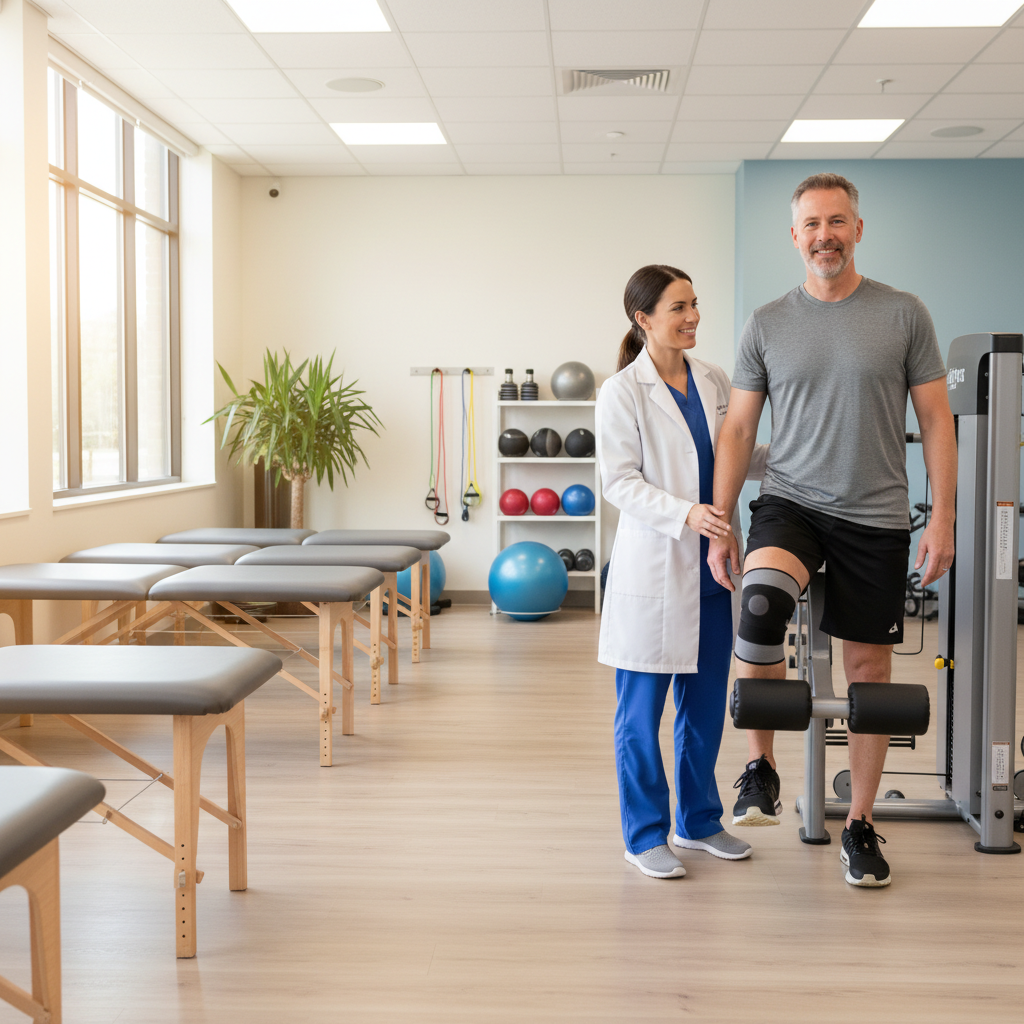
Once you return home, regular outpatient physical therapy sessions become the cornerstone of your recovery. This phase is typically the longest and most intensive, focusing on progressively restoring strength, range of motion, balance, and functional independence. At Physical Therapy NOW™ in Cape Coral, your personalized program might include:
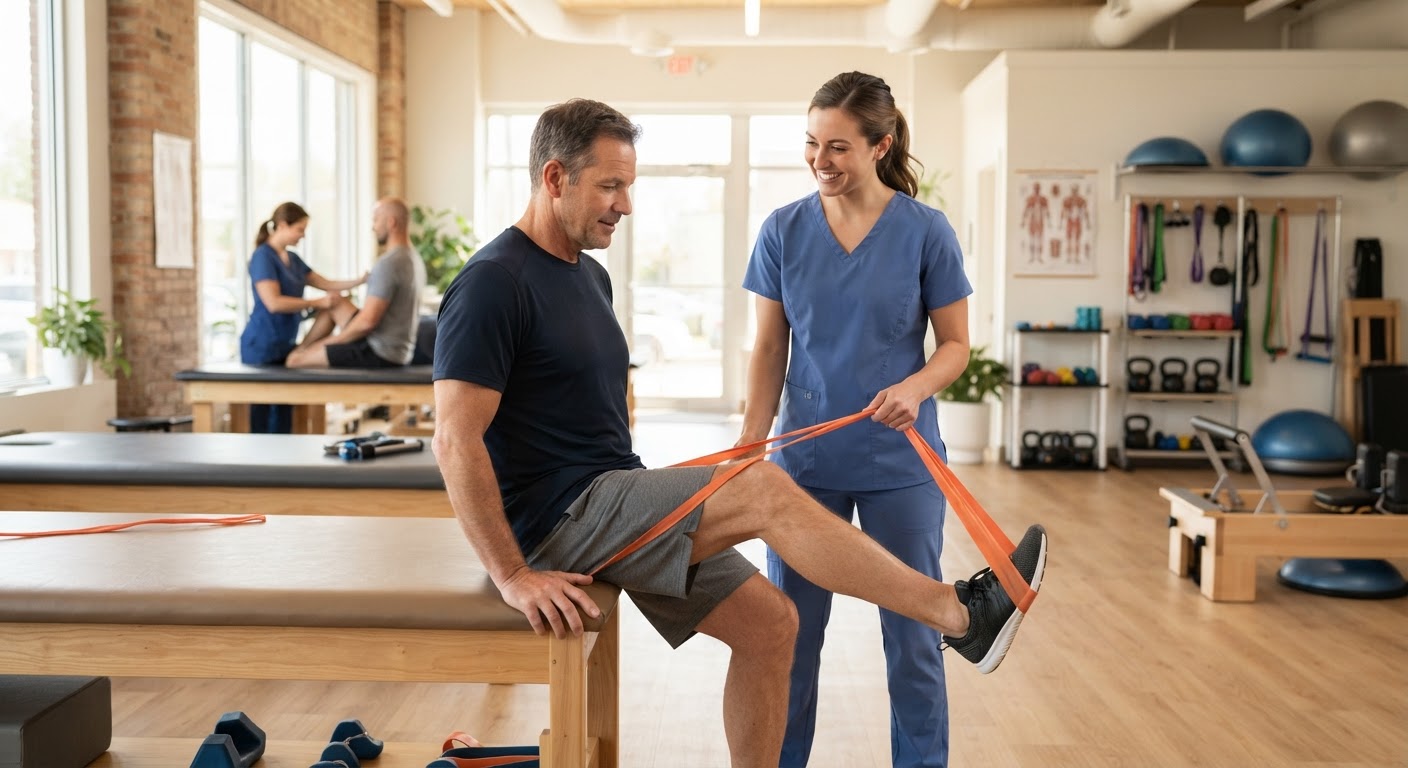
Advanced Range of Motion Exercises: Utilizing techniques to improve knee flexion (bending) and extension (straightening) to reach optimal levels for daily activities.
Strength Training: Targeted exercises to rebuild the quadriceps, hamstrings, glutes, and calf muscles, which are vital for supporting the new joint.
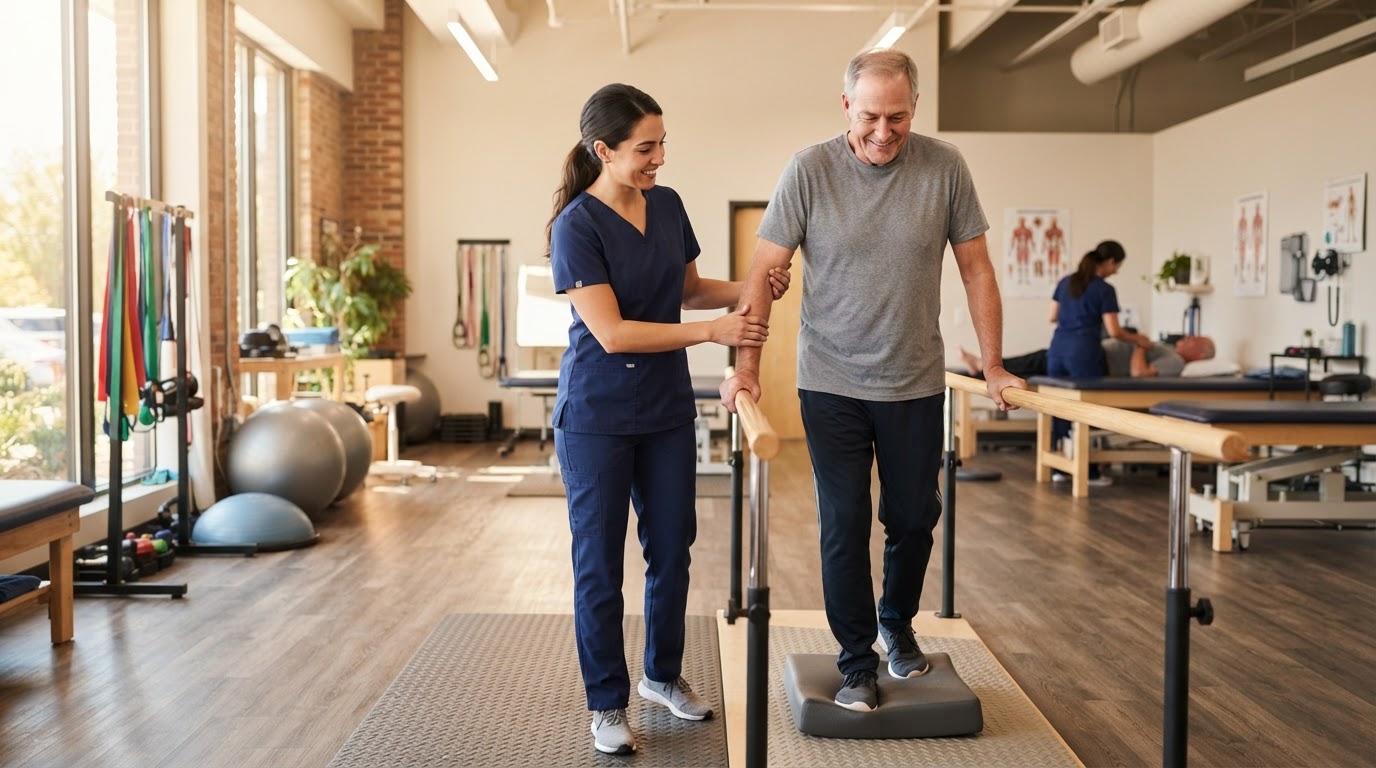
Balance and Proprioception Training: Improving your ability to maintain balance and your body's awareness in space, reducing the risk of falls.
Gait Training: Refining your walking pattern to be smooth, efficient, and pain-free, potentially weaning off assistive devices.
Functional Activities: Practicing movements specific to your daily life, such as climbing stairs, getting into a car, or reaching overhead.
Home Exercise Program (HEP): Providing you with a tailored set of exercises to perform independently, reinforcing the progress made in the clinic.
Customized Approach for Optimal Results
Every individual's recovery journey is unique, influenced by factors like age, overall health, motivation, and the specific surgical approach. A skilled physical therapist understands these nuances and develops a highly individualized treatment plan. They continually assess your progress, adjust exercises as needed, and provide encouragement and education every step of the way. They are your coaches, guides, and advocates throughout this important rehabilitation phase.
Practical Tips for a Successful Recovery
Adhere to Your Home Exercise Program: Consistency is key. Performing your exercises regularly, even on days you don’t have clinic appointments, significantly impacts your recovery speed and success.
Manage Pain Effectively: Communicate openly with your medical team about your pain levels. Managing pain will allow you to participate more effectively in therapy.
Listen to Your Body: While pushing yourself is necessary, it's also important to recognize when to rest. Avoid activities that cause sharp or persistent pain.
Maintain a Healthy Diet and Hydration: Good nutrition supports healing and energy levels, while proper hydration helps muscle function.
Stay Positive and Patient: Recovery is a marathon, not a sprint. Celebrate small victories and understand that setbacks can occur. A positive attitude greatly aids the process.
Your Partner in Recovery: Physical Therapy NOW™
If you are considering total knee replacement surgery, or if you are already on the path to recovery, Physical Therapy NOW™ is here to support you. Our expert physical therapists specialize in post-operative rehabilitation, creating personalized plans to help you regain your mobility, reduce pain, and return to the activities you love. We understand the challenges and rewards of this journey, and we are committed to providing the highest quality care right here in Cape Coral, FL.
Don't let knee pain or recovery fears hold you back. Take the proactive step towards a more active, pain-free life. Contact our Cape Coral location today to schedule an evaluation or learn more about how our dedicated team can assist you on your path to recovery. Call us or visit our website to embark on your journey to renewed strength and mobility.
Ready to start feeling better?
Physical Therapy NOW™ has 40+ Florida locations with same-week appointments. Most insurance, auto accident (PIP), workers' compensation and Medicare accepted.