
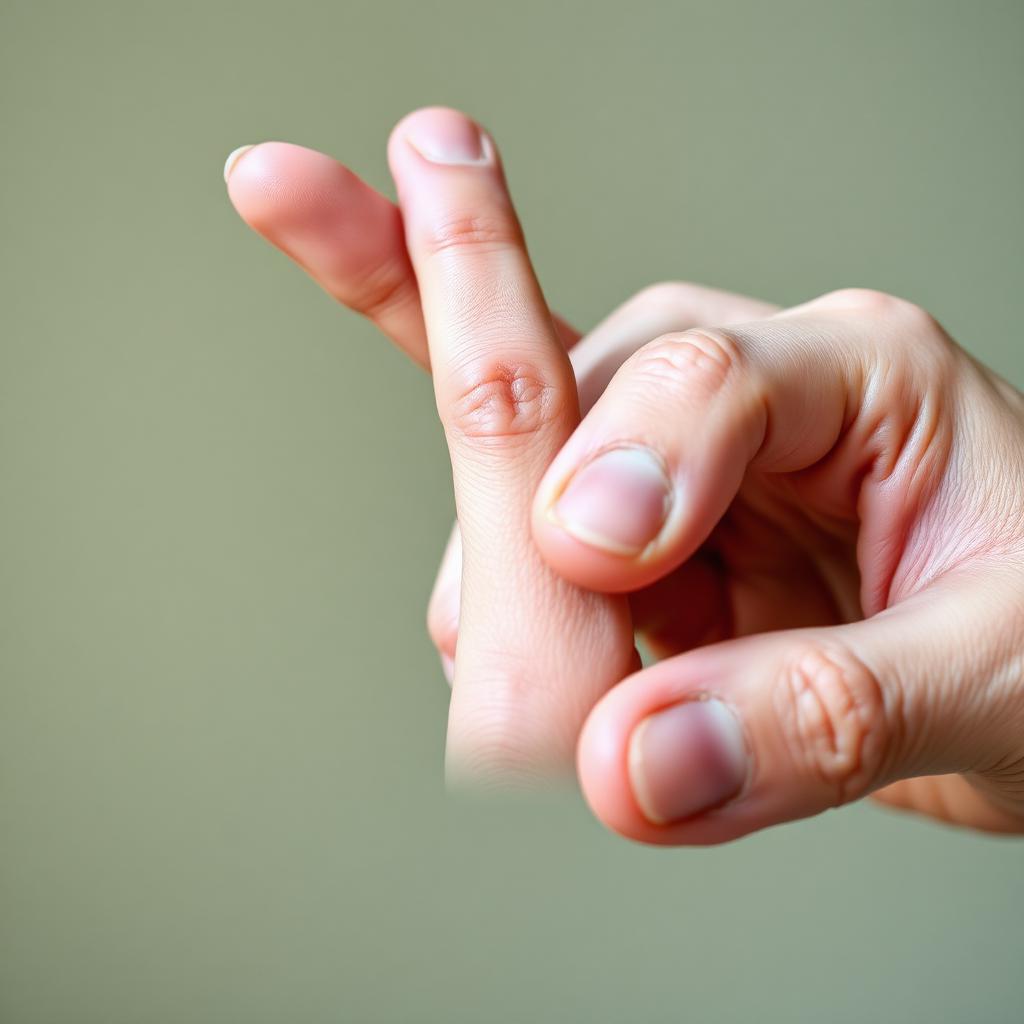
Understanding this injury
Trigger Finger (medically called stenosing tenosynovitis) happens when one of the tendons that bend your finger gets stuck as it slides through a narrow pulley at the base of the finger. The result is that classic catching, locking, or popping sensation when you try to straighten the finger — and sometimes a tender bump right where the finger meets the palm.
It's frustrating because the finger feels like it has a mind of its own — sticking in a bent position and then snapping straight, often with a painful pop. The good news: most cases respond well to splinting and targeted physical therapy without ever needing a steroid injection or release surgery.
Common symptoms
- Finger stiffness, especially in the morning
- Popping or clicking when moving the finger
- Tenderness at the base of the affected finger
- Finger locked in a bent position
What causes it
- Repetitive gripping (tools, steering wheels, sports equipment)
- Prolonged use of scissors, pliers, or hand tools
- Diabetes or rheumatoid arthritis (major underlying drivers)
- After surgery on the hand or wrist
- Sometimes no clear cause — just gradual onset
Who's most at risk
- Adults age 40-60
- Women more often than men
- People with diabetes (up to 10% develop trigger finger)
- Workers and hobbyists with heavy grip demands
- Anyone with rheumatoid arthritis or gout
How we treat it
Treatment starts with a custom finger splint that holds the joint straight while you sleep — this alone resolves a huge percentage of cases by giving the swollen tendon time to calm down. Your PT will pair the splint with gentle tendon-gliding exercises, soft-tissue work over the pulley, and ultrasound or iontophoresis to reduce inflammation.
Once the locking eases up, we focus on rebuilding controlled finger motion, grip strength, and forearm mobility so the tendon glides smoothly. We'll also help you spot the daily activities (steering, gripping a phone, holding tools) that may have triggered it, and modify them so it doesn't return.
If your symptoms aren't improving in 2-3 weeks, are getting worse, or starting to limit daily activities, call us or schedule an appointment online today — early intervention almost always means a faster, fuller recovery.
Recovery timeline
Many patients see major improvement in 3-6 weeks of consistent splinting and PT. Long-standing cases or those with underlying diabetes may take 8-12 weeks.
What you can do at home today
- Wear your splint at night, every night, for at least 6 weeks
- Avoid making a tight fist first thing in the morning — open the hand gently
- Massage the base of the finger in small circles for a minute, twice daily
- Use a fatter grip on tools, pens, and steering wheels to reduce tendon load
- Ice the palm-side of the finger after activity
These tips support recovery but don't replace a professional evaluation. If you're unsure or symptoms worsen, please reach out.
When to call us right away
If the finger is fully locked and won't move, or you have severe swelling and constant pain, get seen right away so we can prevent permanent stiffness.