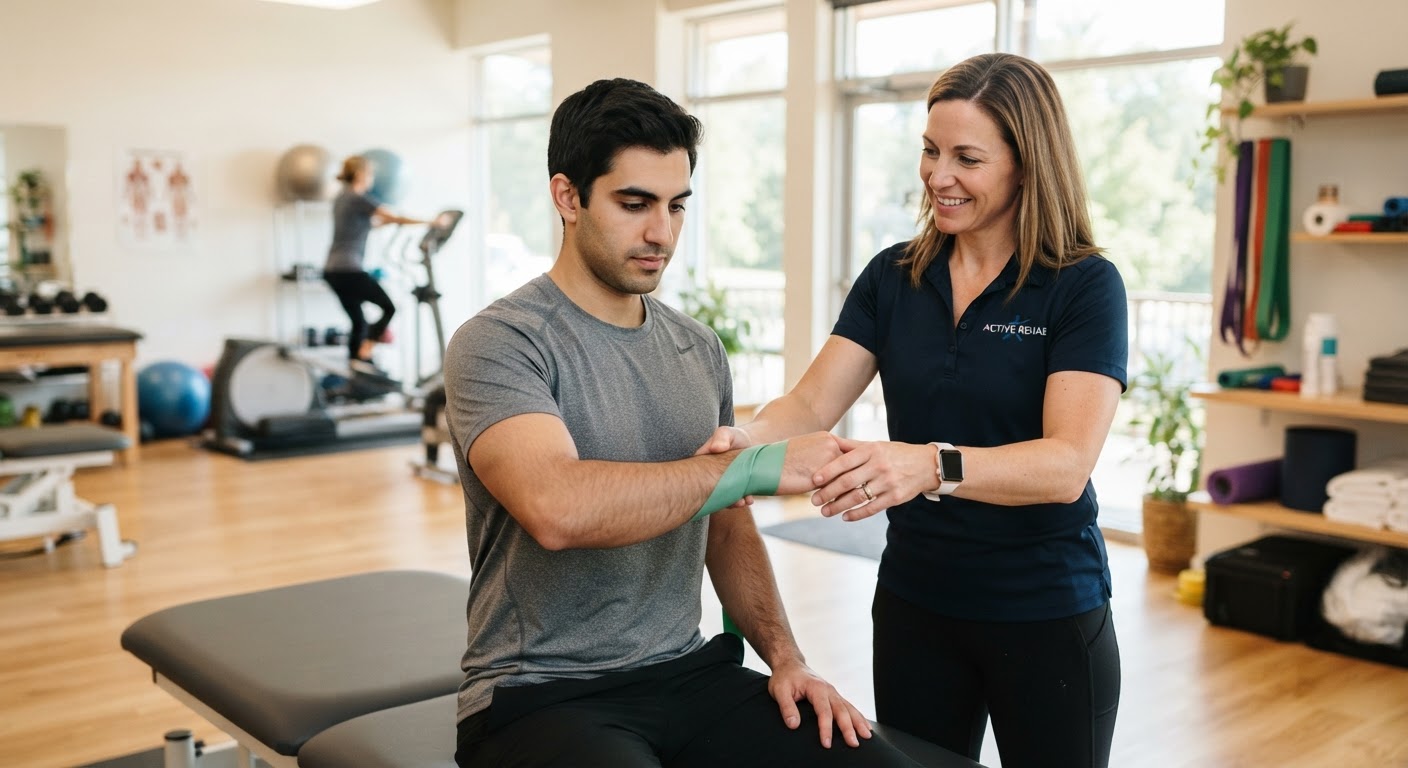
A work-related injury can affect more than your ability to do your job. Pain, limited movement, and uncertainty about what to do next can make everyday activities challenging, too. Physical therapy offers a structured way to work toward recovery, restore function, and prepare for a safe return to work.
If you have been injured on the job, your care may be part of a workers’ compensation claim. Understanding how rehabilitation fits into that process can help you take an active role in your recovery and communicate more confidently with your healthcare and workplace teams.
How Physical Therapy Supports Recovery
Physical therapy focuses on improving movement and function while addressing the needs of your specific injury. A physical therapist may assess your mobility, strength, balance, posture, and the activities that trigger symptoms. This evaluation helps guide a treatment plan based on your condition, goals, and work demands.
Care may include therapeutic exercises, mobility training, balance activities, and instruction in safe movement strategies. Your plan may also address tasks that are important in your role, such as lifting, reaching, standing, walking, or sitting for extended periods. Treatment should progress at a pace that is appropriate for your symptoms and clinical needs.
Rehabilitation is not simply about getting through a set of exercises. It is a step-by-step process of rebuilding the abilities you need for daily life and work. Your therapist can adjust activities as you improve or if your symptoms change, and can communicate relevant progress with your referring provider as appropriate.
Managing Pain While Improving Movement
Pain relief is often an important goal after a workplace injury, but lasting progress may involve more than temporarily easing discomfort. A physical therapist can help you identify movements or positions that aggravate symptoms and learn ways to modify them. Depending on your condition and plan of care, treatment may also use hands-on techniques or other appropriate methods to support comfortable movement.
Your therapist may teach you how to pace demanding tasks, take movement breaks, and use body mechanics that reduce unnecessary strain. These strategies can be especially useful if your job involves repetitive motions, prolonged computer work, or physical labor. They are not a substitute for your prescribed medical care, but they can help you apply what you practice in therapy to your daily routine.
Tell your therapist about changes in pain, new symptoms, or activities that are difficult at home or at work. Clear communication helps your care team decide whether your program needs adjustment. Follow the instructions from your treating healthcare professionals, and seek prompt medical guidance for symptoms that are severe, rapidly worsening, or otherwise concerning.
Preparing For A Safe Return To Work
Returning to work is an important milestone, but it should be guided by your condition and the recommendations of your healthcare providers. Physical therapy can help you build capacity for job-related tasks and practice safer ways to perform them. For example, your program may gradually progress lifting technique, walking tolerance, coordination, or endurance when these abilities are relevant to your work.
A return-to-work plan may involve temporary changes in duties or hours, depending on your needs and workplace policies. Share your provider’s restrictions with the appropriate workplace contact and follow them carefully. Do not increase your workload or attempt a task that conflicts with your restrictions without first getting guidance from your treating provider.
Your physical therapist can document functional progress and discuss relevant observations with your care team when authorized. Decisions about work restrictions, claim approval, and benefits are made through the appropriate medical and workers’ compensation processes, not by physical therapy alone. Staying in touch with your provider, employer, and claims representative can help reduce confusion about next steps.
Practical Tips For Your Therapy Plan
Attend scheduled appointments and follow your home exercise instructions as provided. Consistency can help you practice skills between visits, but exercises should be performed within the guidance of your therapist. Ask for clarification if you are unsure how to do an activity or what level of discomfort is expected.
Keep a simple record of your symptoms and functional progress. Note which activities feel easier, what seems to aggravate your condition, and any questions you want to bring to your next appointment. This information can help make therapy visits more focused.
Before returning to a demanding task, discuss it with your treating provider and understand any restrictions. Use recommended equipment or workplace modifications, and take breaks as advised. If an activity causes a notable increase in symptoms, stop and contact your care team for direction rather than pushing through without guidance.
Choosing Local Workers’ Compensation Care
The right rehabilitation plan depends on the injury, your job, and your overall health. A local physical therapy clinic can provide a convenient setting to work on your goals and ask questions as your recovery progresses. Physical Therapy NOW™ in North Miami, FL, works with patients seeking support after work-related injuries and can help you understand what to expect from physical therapy.
Each workers’ compensation case has its own requirements. Before starting care, confirm any authorization, referral, or scheduling steps with your claims representative and healthcare provider. The Physical Therapy NOW™ North Miami location can help you discuss the therapy process and coordinate relevant information with your care team when appropriate.
Take The Next Step Toward Recovery
You do not have to navigate rehabilitation without support. With an individualized plan, clear communication, and practical strategies for daily activities, physical therapy can help you work toward pain relief, improved function, and a safe return to the tasks that matter.
If you have a work-related injury, contact or visit Physical Therapy NOW™ at the North Miami location in North Miami, FL. Call the clinic to ask about getting started, what information to bring, and how to confirm the workers’ compensation steps that apply to your care.
Ready to start feeling better?
Physical Therapy NOW™ has 40+ Florida locations with same-week appointments. Most insurance, auto accident (PIP), workers' compensation and Medicare accepted.