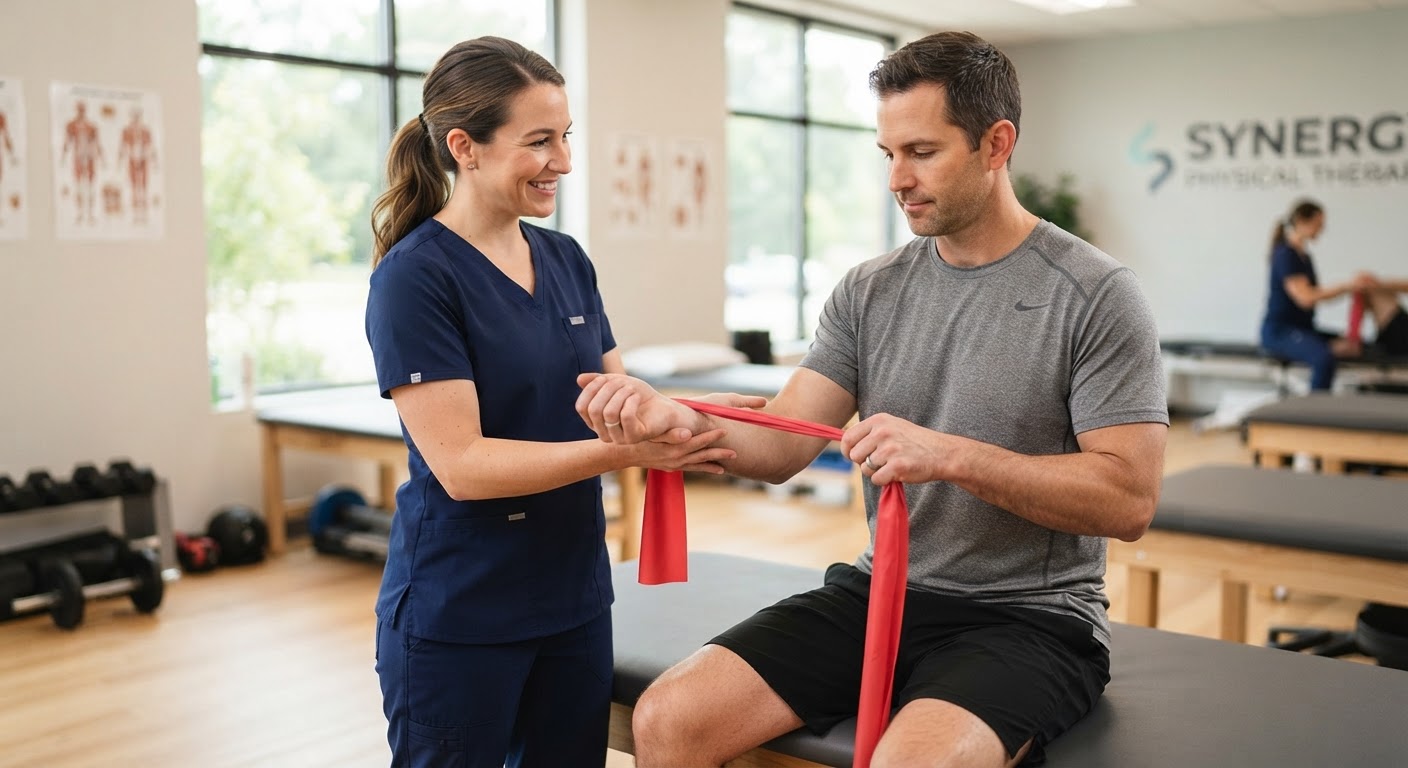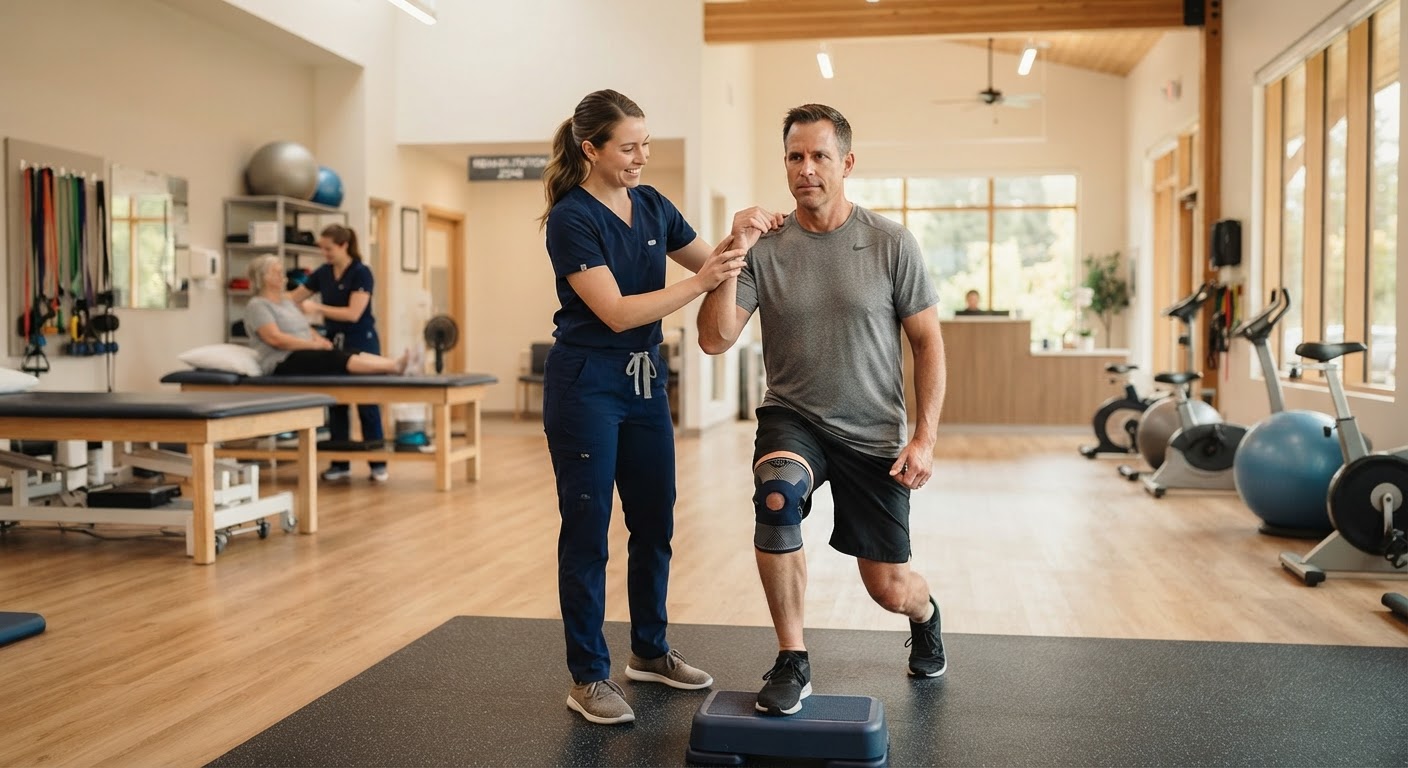
A work injury can disrupt more than your workday. Pain, limited movement, and uncertainty about when you can safely return to your job may affect daily routines and confidence. Physical therapy can provide structured rehabilitation to help you regain function, manage symptoms, and work toward a safe return to your usual activities.
At Physical Therapy NOW™ in North Miami, FL, care is tailored to your injury, job demands, and recovery goals. Understanding what physical therapy may involve can help you take an active role in your workers’ compensation recovery.
How Physical Therapy Supports Recovery
Physical therapy focuses on improving how your body moves and functions after an injury. Depending on your condition and care plan, treatment may include guided exercises, movement training, hands-on techniques, and education about managing symptoms. Your physical therapist can adjust activities as your strength, mobility, and tolerance change.
Recovery is not always a straight line. Some days may feel easier than others, and progress depends on factors such as the type of injury, overall health, job tasks, and consistency with the plan. Regular communication with your therapist helps ensure that treatment remains appropriate and that concerns are addressed promptly.
A Personalized Plan For Your Injury And Job
Work-related injuries vary widely. A lifting injury may require a different approach from a fall, repetitive strain, or injury involving the shoulder, back, knee, or wrist. A physical therapist will consider your symptoms and movement, as well as the activities your job requires.
Your plan may address practical tasks such as reaching, bending, standing, walking, lifting, or using tools. Treatment can start with movements that are manageable and progress as appropriate. The goal is to build capacity gradually rather than push through sharp, worsening, or unfamiliar pain.
Tell your therapist what a typical workday involves. Be specific about how long you stand, how often you lift, whether you work overhead, and what movements bring on symptoms. This information can help guide rehabilitation toward the demands you will face at work.
Pain Relief And Better Movement
Pain relief is an important part of recovery, but treatment is about more than temporarily easing discomfort. Physical therapy can help you learn ways to move with better control, restore mobility, and build strength around the affected area. Your therapist may also teach strategies for pacing activity, changing positions, and completing everyday tasks with less strain.
Follow the guidance you receive about home exercises and activity. More is not always better: doing extra repetitions or returning too quickly to strenuous tasks can aggravate symptoms. If an exercise causes a significant increase in pain, unusual symptoms, or discomfort that does not settle as expected, stop and contact your therapist or medical provider for direction.
Communication Throughout The Workers’ Compensation Process
Workers’ compensation care may involve communication among you, your healthcare providers, your employer, and the claims team. Procedures and approvals can vary. Ask your employer or claims representative which steps apply to your claim, and let your physical therapy clinic know about any requirements or changes you have been given.
Keep track of appointments, instructions, and changes in your symptoms. Share relevant updates with your therapist, including new pain, difficulty completing home exercises, or changes to your work duties. If your provider gives you restrictions or a work-status recommendation, follow that guidance and ask questions if anything is unclear. Your physical therapist can focus on your rehabilitation and communicate relevant treatment information as appropriate.
Practical Tips To Support Your Progress
Attend scheduled therapy visits and ask questions when you are unsure how to perform an exercise. Understanding the purpose and correct technique can make your home program easier to follow.
Use the activity and work guidance provided by your healthcare team. Do not assume that feeling better means you are ready to resume every task at full intensity. Discuss a gradual return to duties if it is part of your care plan.
Take brief movement breaks when appropriate, especially if remaining in one position makes symptoms worse. Use safe lifting habits and ask for help with tasks that exceed your current restrictions.
Make a note of what improves or aggravates your symptoms. Sharing this information at appointments can help your therapist fine-tune your plan. Contact your healthcare provider promptly about new or concerning symptoms rather than trying to work through them.
What To Expect From Physical Therapy
Your first visit generally includes a conversation about your injury, health history, symptoms, and goals, along with an assessment of relevant movement and function. Based on that information, your therapist can discuss treatment options and a plan for progressing over time. Ask how to prepare, what to wear, and whether you should bring any referral, claim, or provider information requested for your appointment.
Progress is measured in meaningful ways, such as improved movement, greater tolerance for daily activities, or the ability to complete job-related tasks within your provider’s guidance. Your therapist can help you understand how each step connects to your broader recovery goals.
Take The Next Step Toward Recovery
You do not have to navigate work-related rehabilitation without support. Physical Therapy NOW™ provides individualized physical therapy focused on movement, function, and practical recovery goals. If you have questions about getting started or arranging care, contact the North Miami location to ask about next steps. Visit or call Physical Therapy NOW™ in North Miami, FL, and take a proactive step toward rehabilitation, pain relief, and a safe return to the activities that matter to you.
Ready to start feeling better?
Physical Therapy NOW™ has 40+ Florida locations with same-week appointments. Most insurance, auto accident (PIP), workers' compensation and Medicare accepted.