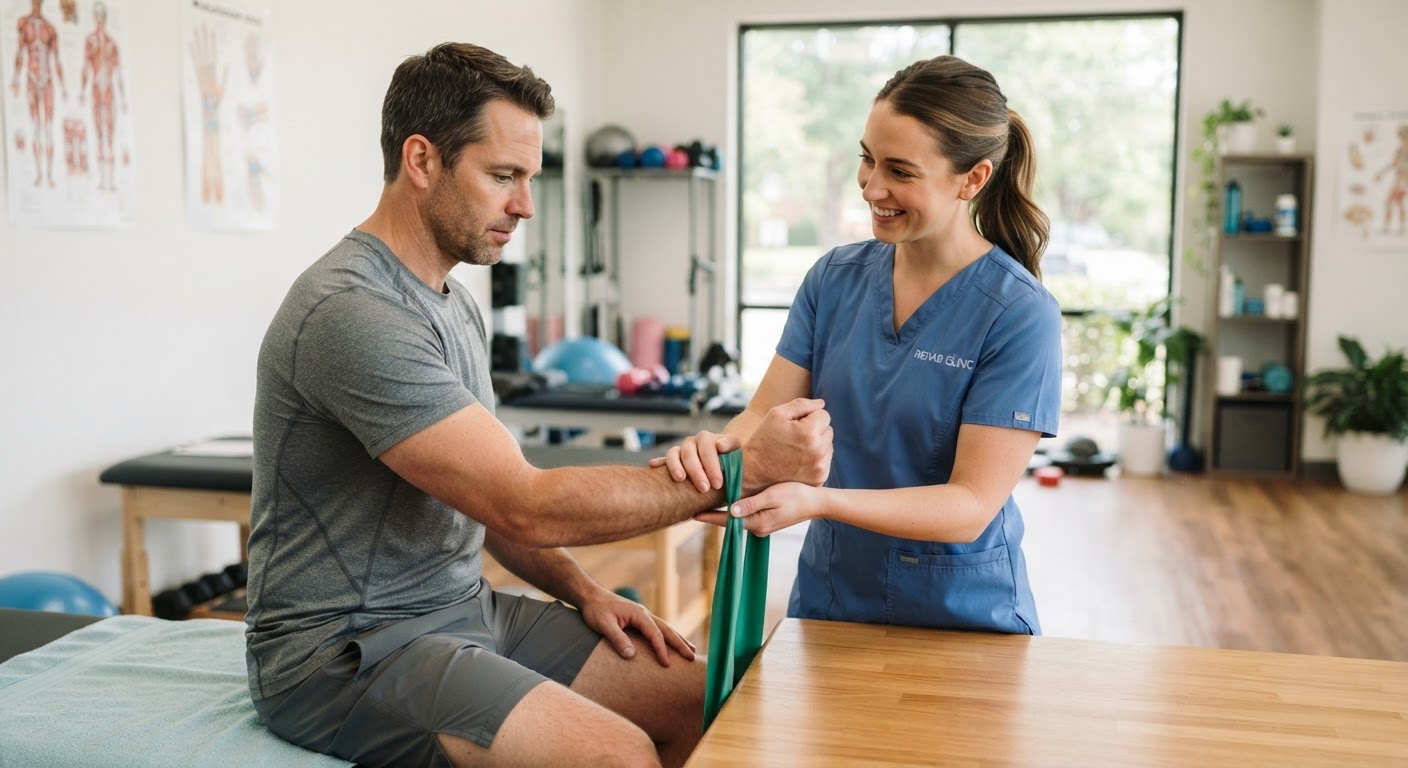
A work-related injury can affect more than your ability to do your job. Pain, limited movement, and uncertainty about recovery may also disrupt daily routines and make it difficult to know what to do next. Physical therapy can be an important part of workers’ compensation recovery by helping you address these challenges through guided rehabilitation and practical support.
At Physical Therapy NOW™ in Irving, Dallas, TX, care begins with understanding your injury, your work duties, and your goals. Your physical therapist can help develop a plan that fits your needs and supports progress toward everyday activities and a safe return to work, in coordination with your healthcare team.
How Physical Therapy Supports Recovery
Physical therapy focuses on restoring movement and function after an injury. Depending on your condition and your provider’s recommendations, treatment may address pain, strength, flexibility, balance, coordination, and the ability to perform work-related tasks.
A physical therapist will typically ask about your symptoms, how the injury happened, and which activities are difficult. They may assess your movement and function to identify areas that need attention. This information helps shape a personalized rehabilitation plan rather than relying on a one-size-fits-all routine.
Treatment may include therapeutic exercises, movement training, hands-on techniques when appropriate, and education about managing symptoms. Your plan should be adjusted as your abilities and needs change. The aim is not simply to get through a session, but to build skills and capacity that can carry over to work and daily life.
A Plan Built Around Your Job
Every job places different demands on the body. A warehouse role may involve lifting, carrying, or repeated bending. An office position may require long periods of sitting, computer use, or frequent reaching. A healthcare or service job may involve standing, walking, or assisting other people.
Sharing details about your usual tasks helps your physical therapist connect treatment to the activities you need to perform. If appropriate, your rehabilitation may include practicing work-related movements, improving tolerance for standing or sitting, and learning safer ways to lift or reach. Your therapist can also discuss pacing and body mechanics that may help you manage tasks as you recover.
Be specific when describing your job. Explain which movements increase symptoms, what a typical shift involves, and whether your duties have changed since the injury. If your employer has offered temporary modified duties, tell your healthcare team so your plan can take those responsibilities into account. Work restrictions and return-to-work decisions should follow guidance from the professionals overseeing your case.
Managing Pain While Rebuilding Function
Pain relief is an important concern for many people after a workplace injury. Physical therapy may help you explore movement strategies and exercises that support function while taking your symptoms into account. Your therapist can explain how to follow your plan and what to do if an activity feels too difficult.
Recovery does not always happen in a straight line. Some days may feel easier than others, and the right activity level depends on your injury and individual circumstances. Keep track of changes in your symptoms, including what seems to help or aggravate them. Share this information with your therapist and referring provider so they can determine whether your plan needs adjustment.
Do not push through severe or unusual symptoms simply to meet a personal timeline. Follow your clinician’s instructions, and contact your healthcare provider if you have concerns or notice a significant change. Physical therapy is most useful when you communicate openly and follow a plan tailored to your condition.
Practical Ways To Support Progress
Attend scheduled appointments and let your therapist know promptly if you cannot make one. Consistent participation can help your care team monitor your progress and adjust your program when needed.
Follow your home exercise instructions as provided. Ask for a demonstration if you are unsure about a movement, how often to do it, or how it should feel. Avoid adding exercises or increasing resistance without guidance, especially when you are recovering from a recent injury.
Use the strategies discussed in therapy during everyday activities. Depending on your plan, this may mean taking movement breaks, changing positions, keeping frequently used items within comfortable reach, or using an approved lifting technique. Small adjustments can make daily tasks more manageable, but they should not conflict with your medical or work restrictions.
Keep a simple record of your symptoms, activity levels, and questions. This can help you explain what is happening at your next appointment. Also keep relevant workers’ compensation paperwork and contact information organized, and ask your claims representative or employer how to handle authorization and scheduling requirements. Procedures can vary by claim, so confirm the steps that apply to your situation.
Coordinated Care And Return-To-Work Planning
Workers’ compensation care may involve several people, including your treating provider, physical therapist, employer, and claims representative. Clear communication can help everyone understand your current abilities and any restrictions. With your permission and as appropriate, your physical therapist may share relevant progress information with the professionals involved in your care.
A return to work may happen in stages, depending on your recovery and the guidance of your healthcare team. Some people may be able to resume modified duties before returning to their full responsibilities; others may need additional time or treatment. Avoid comparing your timeline with someone else’s. The right plan depends on your injury, job demands, and clinical recommendations.
Get Workers’ Compensation Physical Therapy In Irving
The right rehabilitation plan can help you work toward improved movement, better symptom management, and greater confidence with the tasks that matter to you. Physical Therapy NOW™ provides personalized physical therapy for people navigating work-related injuries and workers’ compensation recovery.
If you have been injured at work, contact or visit the Physical Therapy NOW™ Irving location in Dallas, TX to ask about scheduling and the information you may need to begin. Call today to discuss your physical therapy needs and take a practical next step toward recovery and a safe return to your routine.
Ready to start feeling better?
Physical Therapy NOW™ has 40+ Florida locations with same-week appointments. Most insurance, auto accident (PIP), workers' compensation and Medicare accepted.