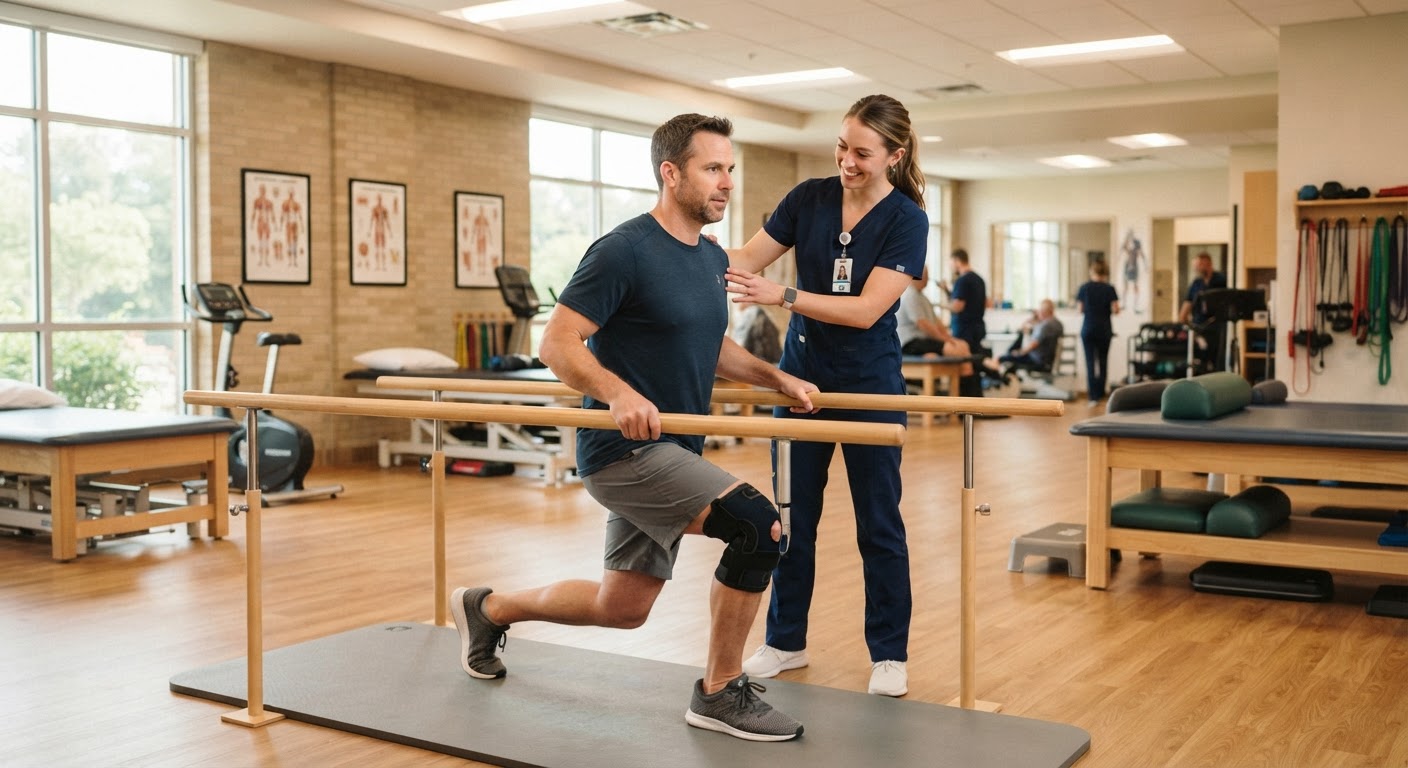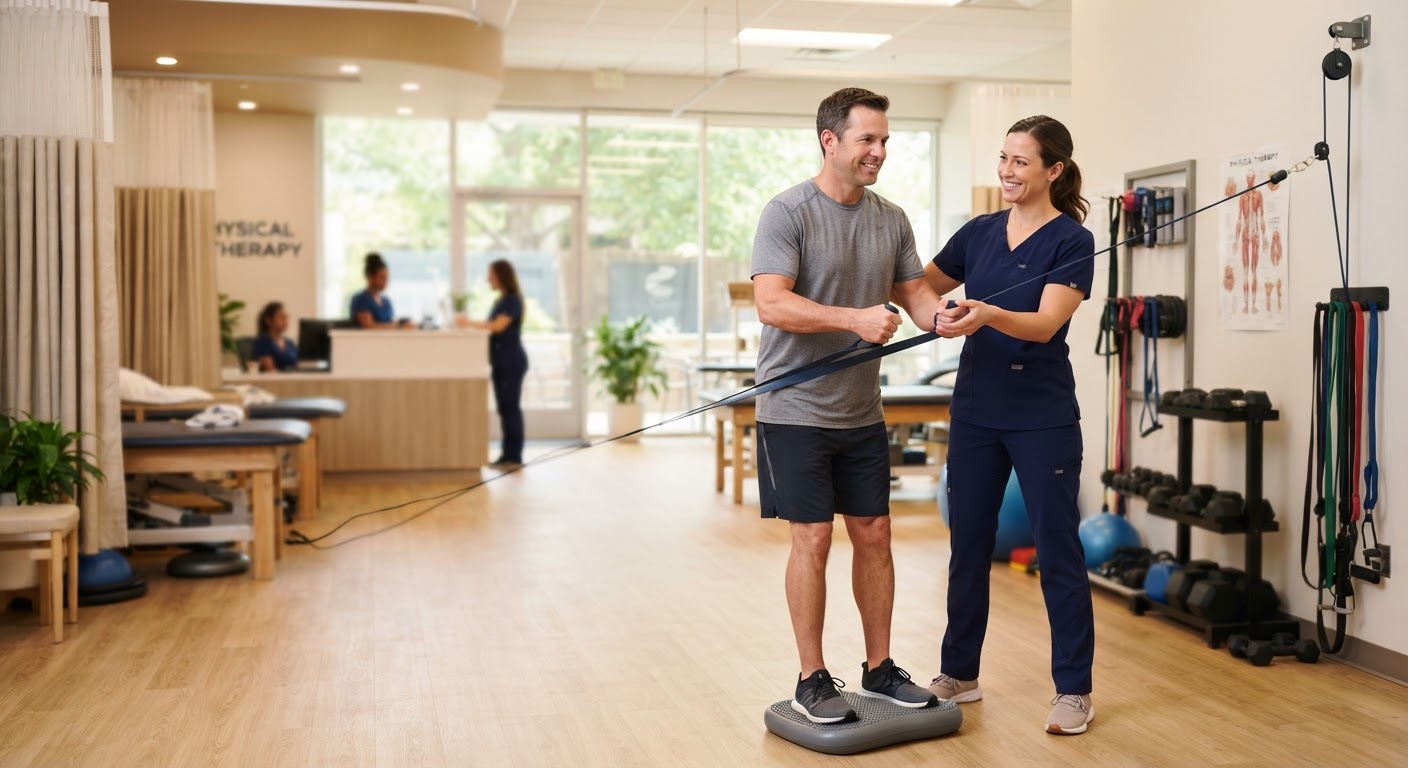
A workplace injury can affect more than your ability to do your job. Pain, limited movement, and uncertainty about recovery may disrupt everyday activities, too. Physical therapy can be an important part of workers’ compensation recovery by helping you rebuild strength and mobility, manage symptoms, and work toward a safe return to your responsibilities.
At Physical Therapy NOW™ in Cutler Bay, Miami, FL, care is tailored to your injury, goals, and job demands. Understanding what to expect can help you take an active role in rehabilitation and make each step of recovery more manageable.
How Physical Therapy Supports Recovery
Physical therapy focuses on improving how your body moves and functions. Following a work injury, a physical therapist can evaluate your symptoms, mobility, strength, balance, and the activities that are difficult for you. This information helps guide a plan suited to your condition and progress.
Treatment may include therapeutic exercises, movement training, manual techniques, and education on managing symptoms. Your therapist can also help you practice movements related to your job, such as lifting, reaching, standing, or walking, when appropriate. The goal is not simply to get through a session. It is to build the capacity and confidence you need for daily life and work.
Your plan should be based on your evaluation and adjusted as your needs change. Recovery varies from person to person, so avoid comparing your progress with someone else’s or pushing through sharp or worsening pain without guidance.
Benefits Beyond Pain Relief
Pain relief is an important goal, but effective rehabilitation also addresses the factors that may contribute to difficulty at work. For example, an injury may affect flexibility, coordination, endurance, or the way you move. Restoring these abilities can help you perform tasks more comfortably and reduce avoidable strain.
Physical therapy may help you:
Improve flexibility and joint movement
Build strength and endurance gradually
Practice safer lifting and movement techniques
Increase balance and coordination when needed
Learn strategies for pacing activity and managing symptoms
These benefits can support a more confident return to work. Your therapist can work with you on job-related goals and discuss ways to modify movements or tasks while you recover. Any work restrictions or return-to-work decisions should be coordinated with your treating medical provider and handled according to your workers’ compensation process.
What To Expect At Your First Visit
Your first appointment usually starts with a conversation about how the injury happened, what symptoms you are experiencing, and what activities are challenging. Be ready to describe your work tasks and the movements you need to do during a typical shift. The therapist may assess movement, strength, and function to help determine an appropriate starting point.
Bring relevant paperwork and any instructions you have received from your medical provider or workers’ compensation representative. If you are unsure about coverage, referrals, or authorization, contact the appropriate claims representative or provider before your appointment. Requirements can vary, so it is best to confirm rather than assume.
Ask questions if you do not understand an exercise or treatment recommendation. Knowing the purpose of each part of your plan can make it easier to follow through and communicate clearly about what is helping or causing discomfort.
Practical Tips Between Therapy Visits
Your progress is supported by what you do outside the clinic, too. Follow your therapist’s instructions and complete only the exercises recommended for you. More is not always better, especially when an injury is still healing.
Use these practical habits as you recover:
Keep a simple record of pain, stiffness, and activities that affect your symptoms. This can help you share useful details with your care team.
Take movement breaks when you have been in one position for a long time, if your work restrictions allow it.
Use lifting or reaching strategies taught by your therapist, and ask for help with tasks that exceed your current limits.
Wear supportive footwear or use recommended equipment when appropriate for your job and condition.
Communicate promptly if symptoms change or an exercise causes significant or lasting discomfort. Your therapist may need to adjust your plan.
Follow your medical provider’s instructions about activity and work restrictions. Do not return to tasks you have been told to avoid without clearance.
Seek prompt medical attention for concerning new symptoms, such as rapidly increasing pain, new weakness, or significant numbness. If symptoms feel severe or urgent, contact emergency services.
A Team Approach To Returning To Work
Workers’ compensation recovery often involves communication among you, your physical therapist, your medical provider, and the people responsible for your claim or workplace accommodations. Share updates about your progress and be specific about the tasks you can and cannot yet perform. This can help your care team make informed recommendations and identify appropriate next steps.
A gradual return may be appropriate for some injuries, depending on your condition and the guidance of your medical provider. If modified duties are available, discuss them with the relevant members of your care and workplace team. A return-to-work plan should reflect your abilities and restrictions, not pressure you to move faster than is safe.
Start Your Recovery With Support
With a personalized plan, consistent effort, and clear communication, physical therapy can help you work toward better movement, pain relief, and greater confidence after a workplace injury. Physical Therapy NOW™ provides rehabilitation support at its Cutler Bay location in Miami, FL, with care focused on your needs and functional goals.
If you are recovering from a work injury, contact or visit Physical Therapy NOW™ at the Cutler Bay location to learn about the next steps for your care. Call the clinic to ask questions and arrange a visit so you can begin working toward a safe, supported recovery.
Ready to start feeling better?
Physical Therapy NOW™ has 40+ Florida locations with same-week appointments. Most insurance, auto accident (PIP), workers' compensation and Medicare accepted.