Physical Therapy vs. Surgery: When to Choose Conservative Care
When pain or an injury limits your daily activities, it is natural to wonder whether you need surgery or whether another approach could help. For many musculoskeletal conditions, conservative care—including physical therapy, activity changes, and guidance from a medical professional—may be an appropriate first step. The right choice depends on your diagnosis, symptoms, health history, goals, and the advice of your care team.
Physical therapy is not a substitute for every surgery, and surgery is not automatically the only route to recovery. Understanding what conservative care involves can help you ask better questions and make a decision that fits your needs.
What Conservative Care Means
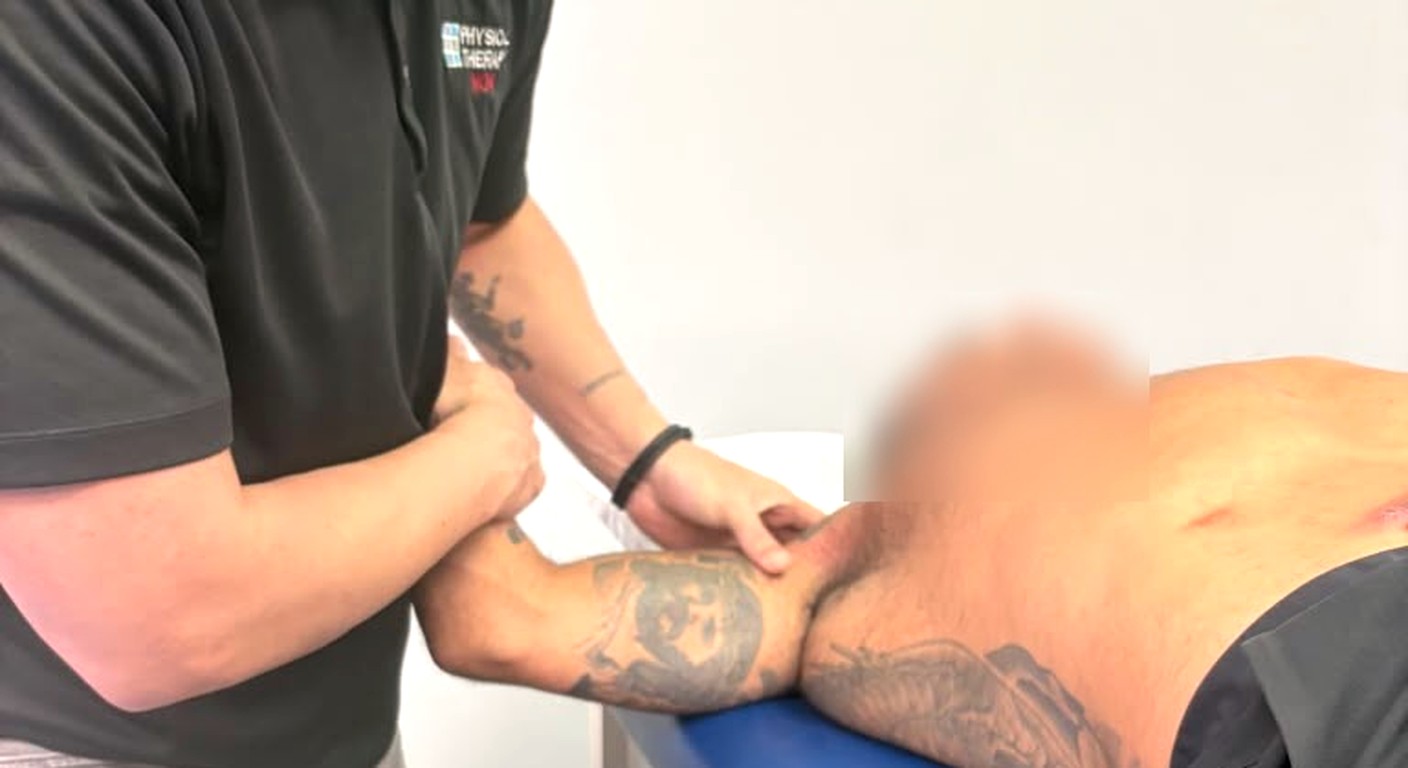
Conservative care aims to improve symptoms and function without an operation. Depending on your situation, it may include physical therapy, a home exercise program, temporary activity modifications, and coordination with your physician. A physical therapist evaluates how you move and what may be contributing to your limitations, then develops a plan based on your abilities and goals.
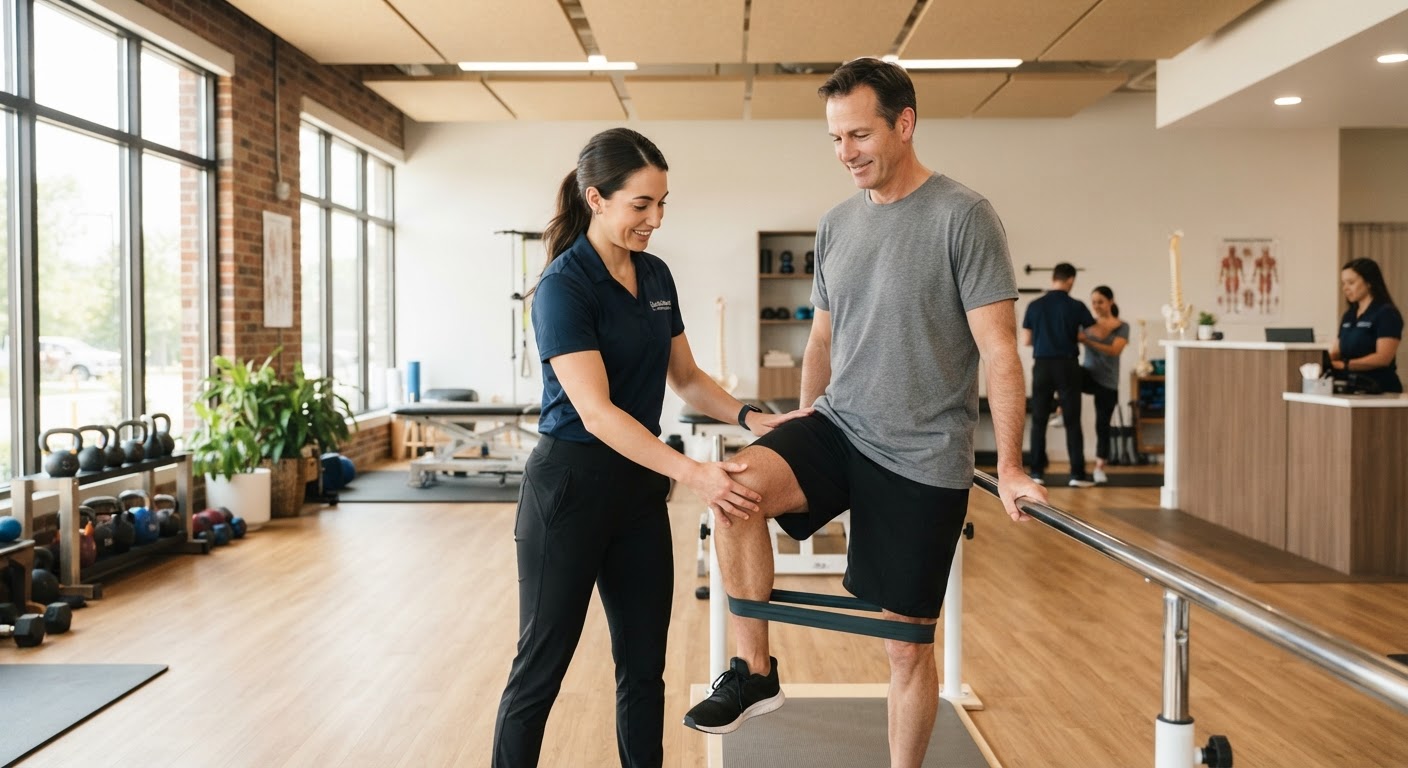
Rehabilitation may focus on improving strength, flexibility, balance, mobility, and confidence with everyday tasks. Your plan can also include education about pacing activities and gradually returning to exercise or work. The aim is to help you move more comfortably and safely—not to push through pain or promise a particular result.
When Physical Therapy May Be Worth Considering First
For many non-emergency problems involving muscles, joints, or movement, a clinician may recommend trying conservative care before considering an operation. This can be especially relevant when symptoms are manageable, your condition is appropriate for rehabilitation, and you have not yet tried a structured treatment plan.
Physical therapy may help you address pain and movement limitations related to issues such as back or neck discomfort, joint stiffness, some sports injuries, or recovery after an injury. Whether it is suitable depends on an individual evaluation and, when needed, your physician’s diagnosis. A therapist can also help you understand which activities to modify and how to build back toward your usual routine.
Choosing conservative care does not mean ruling out surgery forever. It can be a measured first step, with progress reviewed over time. If symptoms do not improve enough, worsen, or interfere substantially with daily life, you and your medical team can revisit the options.
When Surgery May Be Recommended
Some conditions require timely surgical assessment, and others may respond best to surgery based on the diagnosis, severity, or impact on function. Surgery may be considered when an appropriate course of nonsurgical care has not provided enough relief, when there is significant structural damage, or when a physician determines that an operation is the most suitable option.
The decision should be made with a qualified medical professional who understands your specific condition. Ask what the surgery is intended to address, what alternatives are available, what recovery may involve, and what could happen if you wait. If you are uncertain about a recommendation, you can ask whether a second opinion is appropriate. Do not delay urgent medical care while trying conservative treatment.
How to Compare Your Options
Start with a clear diagnosis and a discussion of your priorities. Is your main goal to sleep more comfortably, return to a sport, manage work tasks, or walk with less difficulty? Share what you have already tried and how your symptoms affect your day. These details help your care team explain which options may be reasonable.
Ask how progress will be assessed and when the plan should be reviewed. For physical therapy, you might discuss the expected frequency of visits, what to do at home, and how activities will be adjusted if symptoms increase. For surgery, ask about potential benefits, risks, recovery demands, and the rehabilitation that may follow. Both nonsurgical and surgical paths can involve rehabilitation.
Practical Steps for Getting Started
Keep a simple record of your symptoms, including when they began, what makes them better or worse, and which activities are difficult. Bring a list of medications, relevant medical history, and questions to your appointment. Avoid suddenly increasing exercise or repeatedly testing movements that cause sharp or worsening pain.
If a physical therapist gives you a home program, follow the instructions and ask for clarification before changing exercises. Tell your therapist if an activity causes concerning symptoms or if you are not making progress. Consistent communication helps the care team adjust your plan safely. Follow any medical restrictions you have been given, and check with your physician before starting a new exercise routine if you have health concerns.
Seek prompt medical advice for new or severe symptoms. Examples include sudden loss of strength, rapidly worsening numbness, inability to bear weight after an injury, or problems with bladder or bowel control. If symptoms feel like an emergency, contact emergency services.
A Personalized Path to Pain Relief
There is no single answer to physical therapy versus surgery. The best approach is the one that is appropriate for your diagnosis, supports your goals, and is guided by qualified professionals. For some people, a planned course of rehabilitation offers a useful opportunity to improve movement and pursue pain relief without an operation. For others, surgery may be the recommended option, followed by rehabilitation to support recovery.
At Physical Therapy NOW™, our Plantation location can help you explore whether physical therapy may fit your recovery goals and understand what a rehabilitation plan could involve. Your therapist can coordinate with your broader care team when appropriate, while your physician remains an important resource for diagnosis and surgical decisions.
Ready to take the next step? Visit or call Physical Therapy NOW™ in Plantation, FL, to discuss your needs and ask about getting started with physical therapy. A conversation can help you understand your options and move toward a plan that feels right for you.
Ready to start feeling better?
Physical Therapy NOW™ has 40+ Florida locations with same-week appointments. Most insurance, auto accident (PIP), workers' compensation and Medicare accepted.