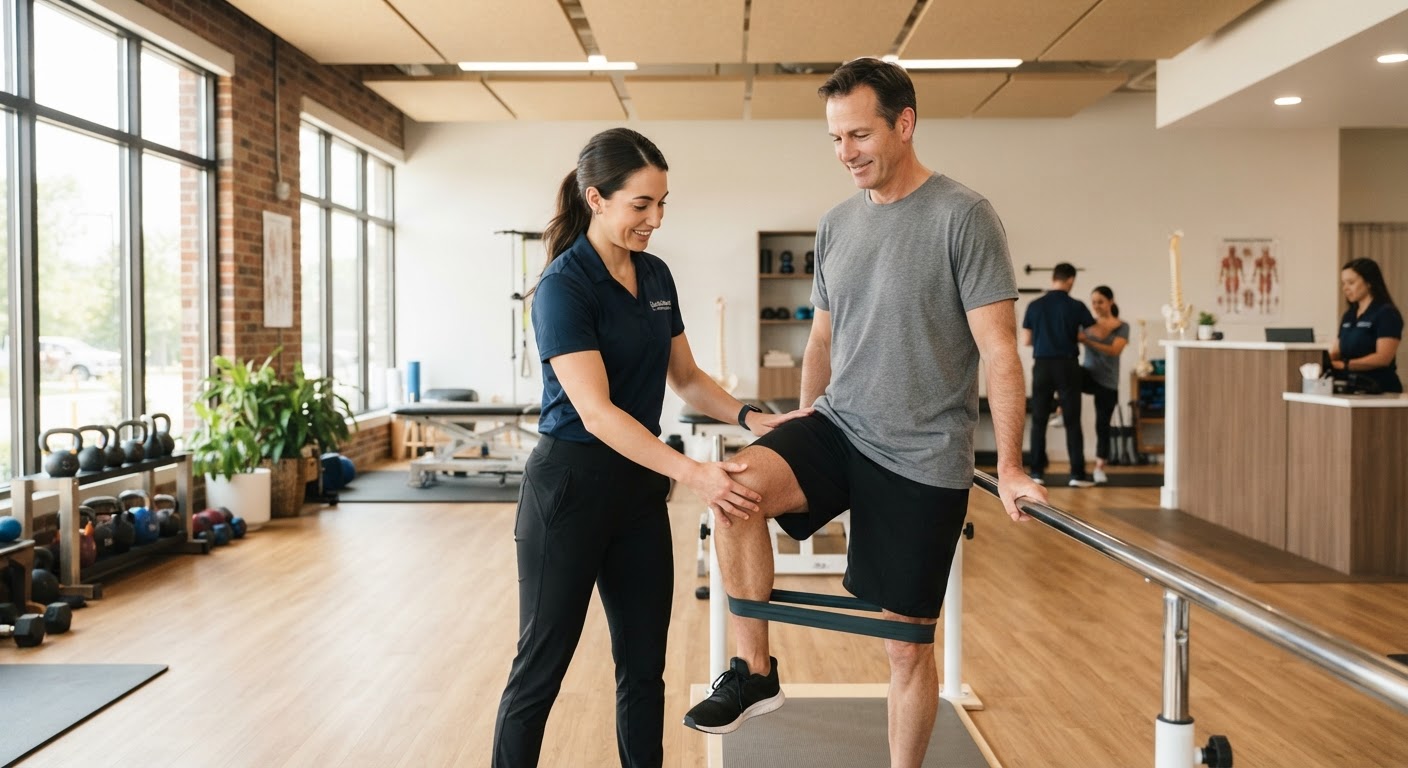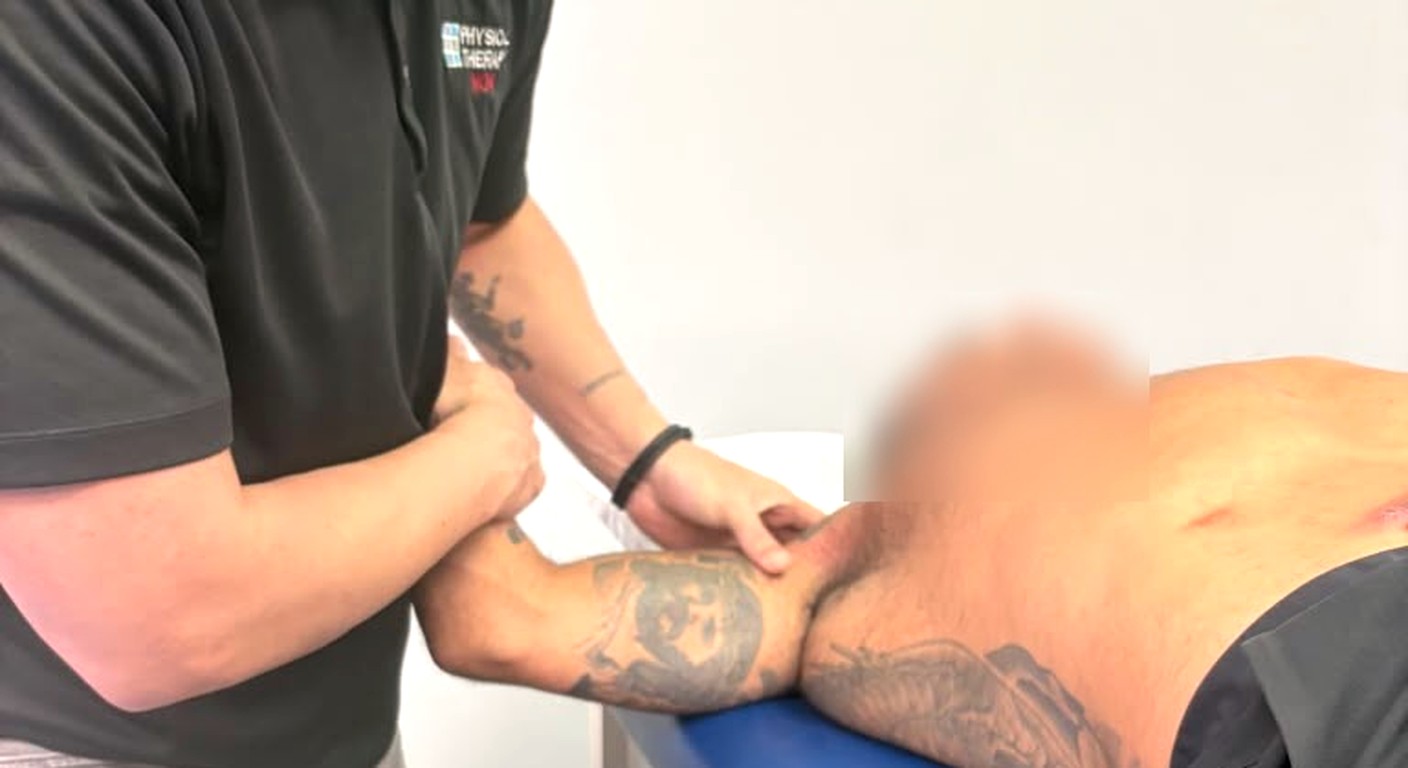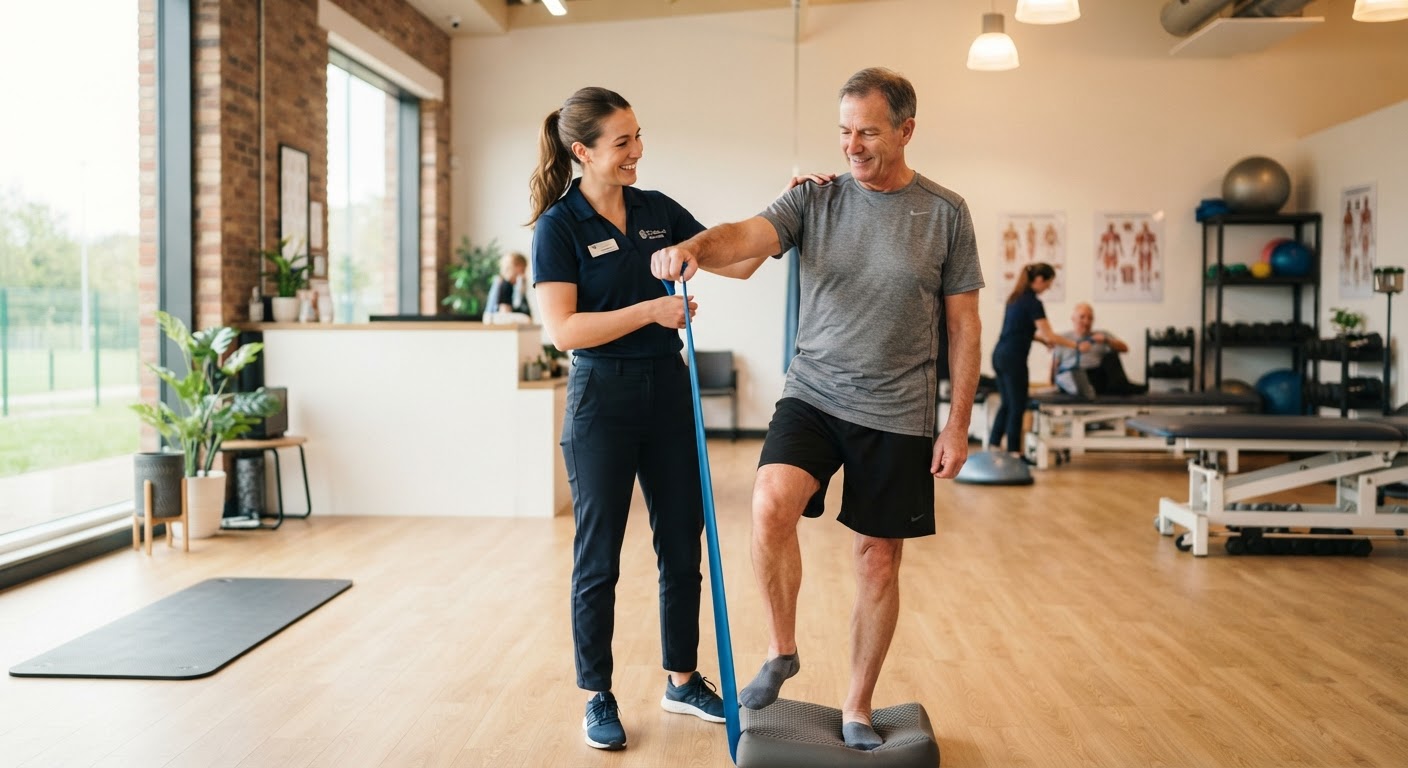
A slip and fall can leave you sore, shaken, and unsure what to do next. Even when an injury seems minor at first, pain, swelling, stiffness, or trouble walking may develop over the following hours or days. Physical therapy can be an important part of recovery, helping you rebuild movement, strength, balance, and confidence after an appropriate medical evaluation.
At Physical Therapy NOW™ in North Miami, FL, care is focused on understanding how an injury affects your everyday life and creating a rehabilitation plan suited to your needs. Whether you are recovering from a sprain, muscle strain, joint injury, or a period of reduced activity, a physical therapist can guide your progress safely.
When To Seek Medical Attention
Some injuries require prompt medical assessment before starting rehabilitation. Seek urgent care or emergency help after a fall if you have severe pain, a visible deformity, significant swelling, inability to bear weight, numbness, weakness, or a wound that will not stop bleeding. A head impact also deserves special attention. Get immediate medical help for loss of consciousness, confusion, repeated vomiting, worsening headache, unusual drowsiness, or other concerning symptoms. If you take blood-thinning medication and hit your head, contact a medical professional promptly, even if you feel well.
Do not try to walk off severe pain or test an injured area repeatedly. A clinician can determine whether imaging or other care is needed and advise when it is appropriate to begin physical therapy. If symptoms worsen or new symptoms appear, check in with a healthcare professional.
How Physical Therapy Can Help
After a fall, people may experience injuries to the ankle, knee, hip, back, shoulder, wrist, or neck. Protective movement, swelling, and time spent resting can also lead to stiffness and weakness. A physical therapist evaluates your mobility, strength, balance, and the activities that are difficult, then uses that information to plan care.
Depending on your condition and medical guidance, treatment may include gentle range-of-motion work, progressive strengthening, balance exercises, walking practice, and strategies for managing everyday tasks. Your therapist can adjust the plan as your symptoms and abilities change. The aim is not simply to push through pain, but to restore function at a pace that is appropriate for you.
Rehabilitation may also help you understand how to move with better control and reduce avoidable strain while healing. Your therapist can explain which activities to modify, how to progress exercises, and when to pause and report symptoms. Recovery varies from person to person, so your plan should reflect your injury, health history, and goals.
Practical Steps In The First Few Days
Follow the advice of your healthcare provider, especially if you have been evaluated for a possible fracture or other significant injury. For a mild injury, you may be advised to protect the area, take breaks from aggravating activities, and use a wrapped cold pack for short periods to help manage discomfort. Avoid placing ice directly on your skin, and stop if the cold causes unusual pain or skin changes. Ask a clinician or pharmacist before using medication, particularly if you have other health conditions or take prescription medicines.
Keep necessary movement comfortable and within the limits you were given. Prolonged inactivity can contribute to stiffness, but forcing a painful movement can aggravate symptoms. Use handrails and supportive footwear, clear walkways, and ask for help with tasks that feel unsafe. Write down when symptoms occur and which movements make them better or worse; this information can help guide your care.
What To Expect At A Physical Therapy Visit
Your first visit typically includes a conversation about how the fall happened, your symptoms, relevant health history, and what you want to get back to doing. The therapist may assess movement, strength, balance, and walking, while taking care not to exceed your tolerance. Share any medical instructions, imaging results, or concerns you have about pain and safety.
Together, you and your therapist can set practical goals, such as walking more comfortably, returning to work tasks, or managing stairs with greater confidence. You may receive exercises to do at home, along with clear guidance on frequency and how to modify them. Tell your therapist if an exercise causes sharp, increasing, or unfamiliar symptoms so the plan can be reviewed.
Supporting A Safer Recovery
Healing is not always a straight line. Some days may feel easier than others, and your activity level may need to change as symptoms respond. Use gradual progress rather than trying to resume every activity at once. Keep follow-up appointments, practice your home program as directed, and communicate changes such as increasing pain, new weakness, or a change in balance.
It can also help to address the conditions that contributed to a fall. A therapist may discuss balance, leg strength, footwear, and safe ways to navigate steps or uneven surfaces. At home, improve lighting, secure loose rugs, keep frequently used items within easy reach, and use grab bars where appropriate. These adjustments can make daily movement feel more manageable while you recover.
Take The Next Step Toward Recovery
A fall can disrupt routines, but the right support can help you move forward with a clear plan. Physical Therapy NOW™ offers individualized physical therapy and rehabilitation for people recovering from injuries and working toward improved mobility and pain relief. If you have been medically cleared for therapy, contact or visit the North Miami location in North Miami, FL to discuss your goals and schedule an appointment. Call today to take the next step toward safer, more confident movement.
Ready to start feeling better?
Physical Therapy NOW™ has 40+ Florida locations with same-week appointments. Most insurance, auto accident (PIP), workers' compensation and Medicare accepted.