Navigating the Journey to a Pain-Free Life: The Role of Physical Therapy in Knee Replacement
Knee pain can be debilitating, significantly impacting your ability to perform daily activities, enjoy hobbies, and maintain your independence. For many individuals experiencing chronic, severe knee pain due to conditions like osteoarthritis, rheumatoid arthritis, or post-traumatic arthritis, a total knee replacement (TKR) — also known as total knee arthroplasty — offers a beacon of hope for regaining mobility and improving quality of life. While the surgery itself is a critical step, the recovery process is equally, if not more, important. This is where physical therapy plays an indispensable role, guiding you through every stage of rehabilitation to ensure the best possible outcome.
Understanding Total Knee Replacement
A total knee replacement is a surgical procedure where damaged bone and cartilage from the knee joint are removed and replaced with prosthetic components made of metal alloys and high-grade plastics. This procedure aims to alleviate pain, correct deformity, and restore function to the knee. It's a major surgery that requires significant commitment to rehabilitation afterward. The success of your new knee joint hinges on dedicated physical therapy, which begins almost immediately after surgery and continues for several months.
Why Physical Therapy is Essential After Knee Replacement
Many patients underestimate the critical role of physical therapy in their knee replacement journey. It's not just about getting your knee moving again; it's about optimizing its function, preventing complications, and educating you on how to protect your new joint for years to come. Here's why it's so vital:
Restoring Range of Motion
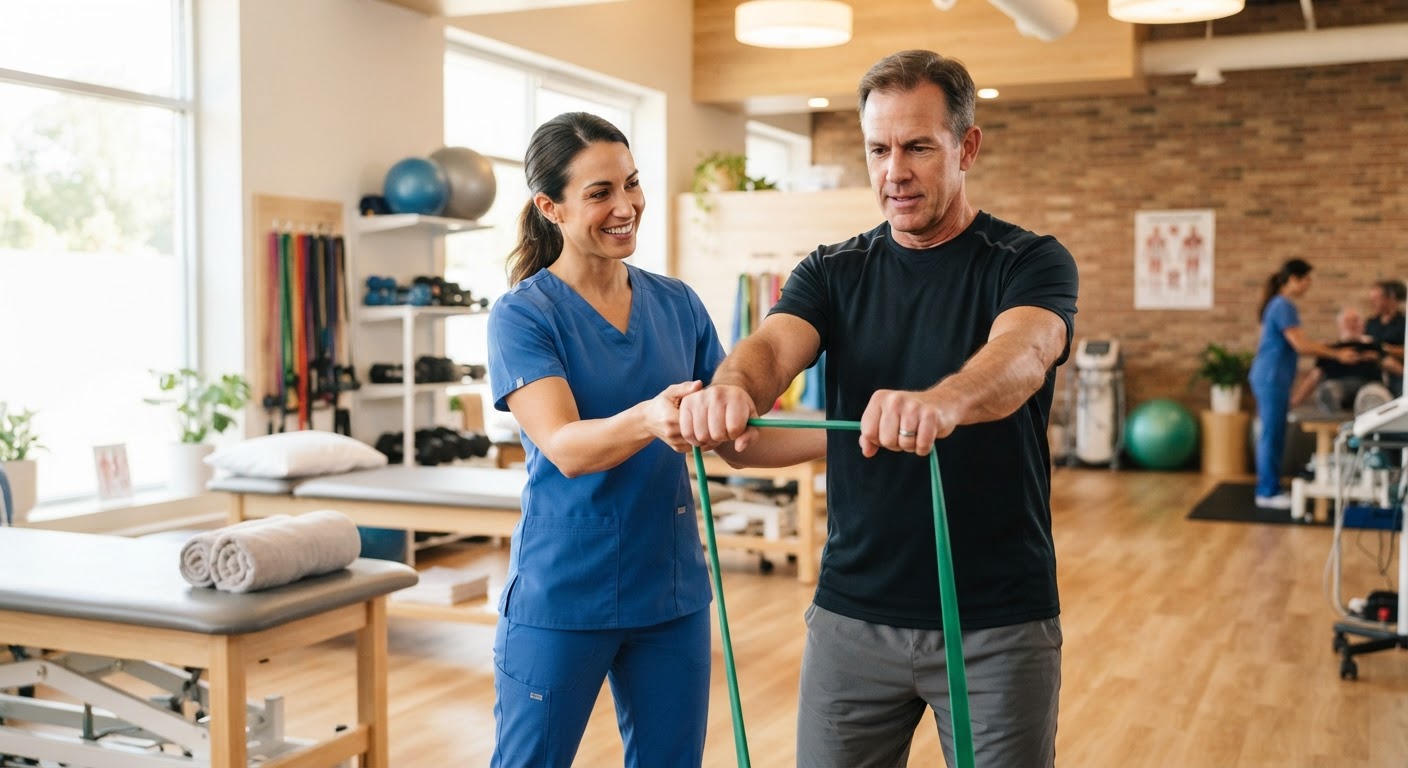
Immediately after surgery, your knee will be stiff and swollen. Physical therapy focuses on gently increasing your knee's range of motion. Early, controlled movement is crucial to prevent scar tissue formation, which can limit flexibility permanently. Your physical therapist will guide you through exercises designed to bend and straighten your knee gradually and safely.
Strengthening Surrounding Muscles
Weakness in the muscles surrounding the knee, such as the quadriceps and hamstrings, is common after surgery due to inactivity and the surgical trauma itself. A comprehensive physical therapy program will include targeted exercises to strengthen these muscles, providing stability and support for your new knee joint. Strong muscles are key to improving walking, climbing stairs, and performing other functional tasks.
Improving Balance and Gait
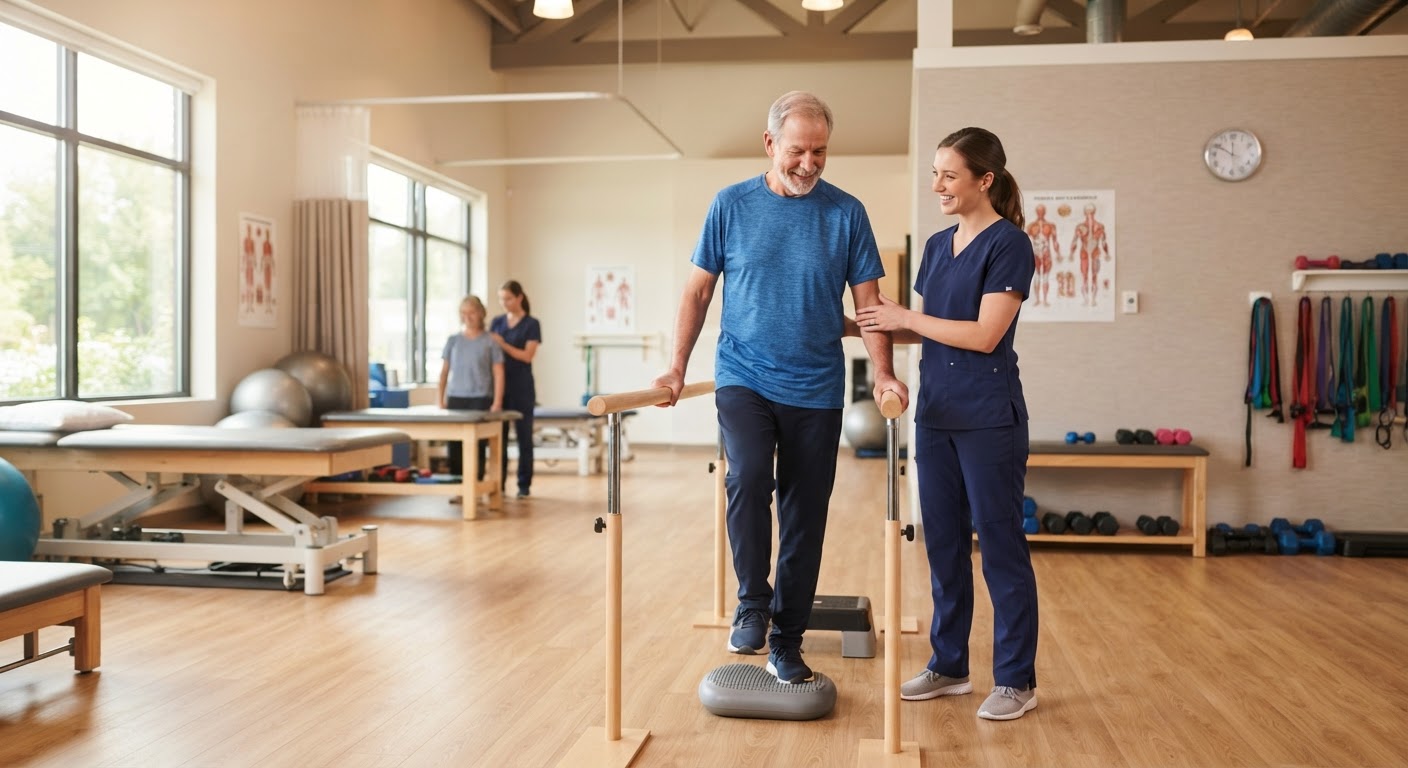
Surgery can disrupt your balance and alter your walking pattern. Physical therapists use specific exercises and techniques to retrain your body, improve your proprioception (your body's sense of position in space), and restore a natural, efficient gait. This reduces the risk of falls and enhances your confidence in moving around.
Managing Pain and Swelling
While physical therapy involves movement, it also incorporates strategies to manage post-surgical pain and swelling. Techniques like ice application, elevation, gentle massage, and therapeutic modalities can help reduce discomfort and inflammation, making it easier for you to participate in your rehabilitation.
Education and Long-Term Protection
Beyond hands-on treatment, your physical therapist acts as an educator. They will teach you proper body mechanics, activity modifications, and exercises you can continue at home to maintain your progress and protect your new knee. Understanding how to care for your knee long-term is paramount for sustained success.
What to Expect in Physical Therapy for Knee Replacement
Your physical therapy journey at Physical Therapy NOW™ in Davie, FL, will typically be divided into several phases, each with specific goals:
Acute Post-Operative Phase (Days to Weeks Post-Op)
This phase begins in the hospital, often within 24 hours of surgery. The focus is on early mobilization, pain and swelling management, simple range of motion exercises, and learning how to get in and out of bed, use assistive devices (like walkers or crutches), and perform basic transfers safely.
Sub-Acute Phase (Weeks 2-6 Post-Op)
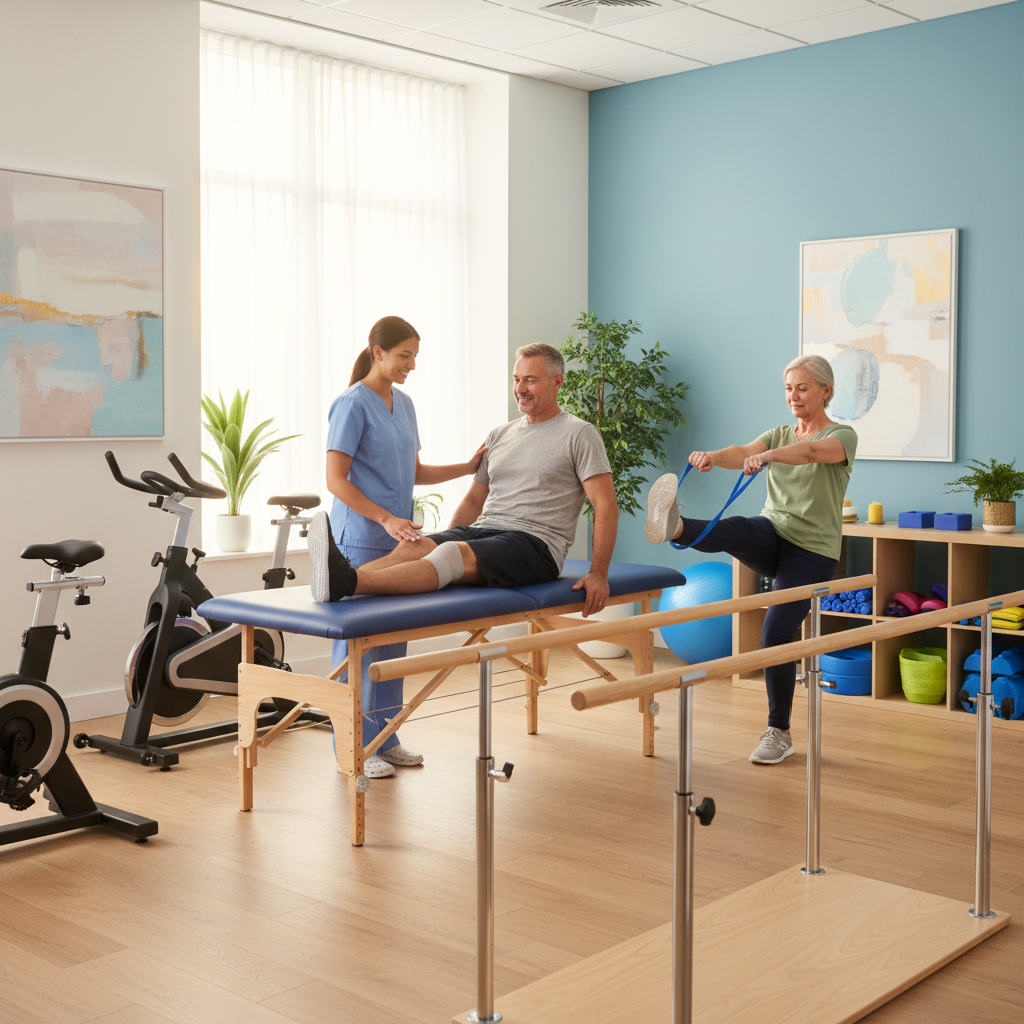
Once discharged home, you'll begin outpatient physical therapy. This phase concentrates on increasing your knee's flexion and extension, regaining quadriceps strength, improving walking endurance, and reducing reliance on assistive devices. Manual therapy techniques, therapeutic exercises, and gait training are hallmarks of this stage.
Return to Function Phase (Weeks 6-12+ Post-Op)
In this phase, the intensity of exercises increases. The goal is to return to more demanding activities. This includes advanced strengthening, balance training, functional movements specific to your lifestyle (e.g., getting up from a chair, climbing stairs, light recreation), and continued emphasis on full range of motion. Your therapist will help you transition back to activities like driving and eventually, more vigorous activities if appropriate.
Long-Term Maintenance
Even after formal physical therapy concludes, your therapist will provide you with a personalized home exercise program. Adhering to this program is vital for maintaining strength, flexibility, and protecting your new knee in the long run.
Practical Tips for a Successful Recovery
1. Be Consistent: Attend all your physical therapy sessions and diligently perform your home exercises. Consistency is the most significant predictor of success. 2. Communicate: Don't hesitate to discuss any pain, concerns, or questions with your physical therapist or surgeon. They are your best resources. 3. Manage Pain: Take prescribed pain medication as directed, especially before therapy sessions, to allow you to participate more effectively. 4. Ice and Elevate: Regularly apply ice and elevate your leg to control swelling and reduce discomfort. 5. Stay Positive: Recovery can be challenging, but maintaining a positive attitude and celebrating small victories can make a big difference.
Choose Expertise, Choose Physical Therapy NOW™
When facing a total knee replacement, selecting the right rehabilitation partner is paramount. At Physical Therapy NOW™ in Davie, FL, our experienced team of physical therapists specializes in post-surgical rehabilitation, including total knee replacements. We provide personalized, evidence-based care tailored to your unique needs and recovery goals. Our warm and supportive environment, combined with state-of-the-art equipment, ensures you receive the highest quality of care.
We understand the challenges and triumphs of knee replacement recovery, and we are committed to guiding you every step of the way. From your initial evaluation to your full return to activity, we work collaboratively with you and your surgical team to optimize your outcome and help you reclaim a life free from chronic knee pain.
If you're preparing for a knee replacement or are currently recovering and seeking expert guidance, don't delay. Let the dedicated professionals at Physical Therapy NOW™ help you navigate your journey to a stronger, more mobile you. Our Davie location is ready to support your rehabilitation needs.
Reclaim Your Mobility and Live Pain-Free – Contact Us Today!
Ready to take the next step towards a successful knee replacement recovery? Contact Physical Therapy NOW™ at our Davie, FL clinic today to schedule your initial consultation. Our friendly staff is here to answer your questions and help you embark on your path to renewed health and activity. Visit us in person or call us to learn more about how our specialized physical therapy programs can make a difference in your life.
Ready to start feeling better?
Physical Therapy NOW™ has 40+ Florida locations with same-week appointments. Most insurance, auto accident (PIP), workers' compensation and Medicare accepted.