Total Knee Replacement: A Path to Renewed Mobility
A total knee replacement, also known as total knee arthroplasty, is a life-changing surgical procedure for individuals suffering from severe knee pain and disability, often due to conditions like osteoarthritis, rheumatoid arthritis, or post-traumatic arthritis. While the surgery itself replaces damaged bone and cartilage with prosthetic components, the journey to regaining full function doesn't end in the operating room. In fact, the most critical phase for long-term success often begins immediately after surgery: rehabilitation through physical therapy.
At Physical Therapy NOW™ in Homestead, FL, we understand that embarking on a total knee replacement can feel daunting. Our dedicated team is here to guide you through every step of your recovery, ensuring you achieve the best possible outcomes and return to the activities you love with confidence. This article will explain how a physical therapist plays an indispensable role in your journey back to mobility.
Understanding Total Knee Replacement
A total knee replacement involves removing damaged bone and cartilage from your thighbone (femur), shinbone (tibia), and kneecap (patella), and replacing them with artificial implants made of metal alloys, high-grade plastics, and polymers. The goal is to alleviate pain, correct deformity, and restore knee function. While the artificial joint is designed to mimic the natural movement of a healthy knee, proper post-operative care, particularly physical therapy, is essential for optimizing its performance and ensuring a smooth recovery.
Why Physical Therapy is Essential After TKR
Many patients wonder why physical therapy is so crucial. Here's why it's not just recommended, but vital:
Preventing Stiffness and Improving Range of Motion: Immediately after surgery, swelling and pain can limit movement. Physical therapy starts early to prevent scar tissue formation and maintain the knee's ability to bend and straighten. Achieving adequate range of motion is paramount for everyday activities like walking, climbing stairs, and even sitting comfortably.
Restoring Strength: The muscles surrounding your knee, particularly the quadriceps and hamstrings, weaken significantly due to pre-operative pain, inactivity, and the surgical procedure itself. Physical therapists design targeted exercises to rebuild this strength, supporting the new joint and improving stability.
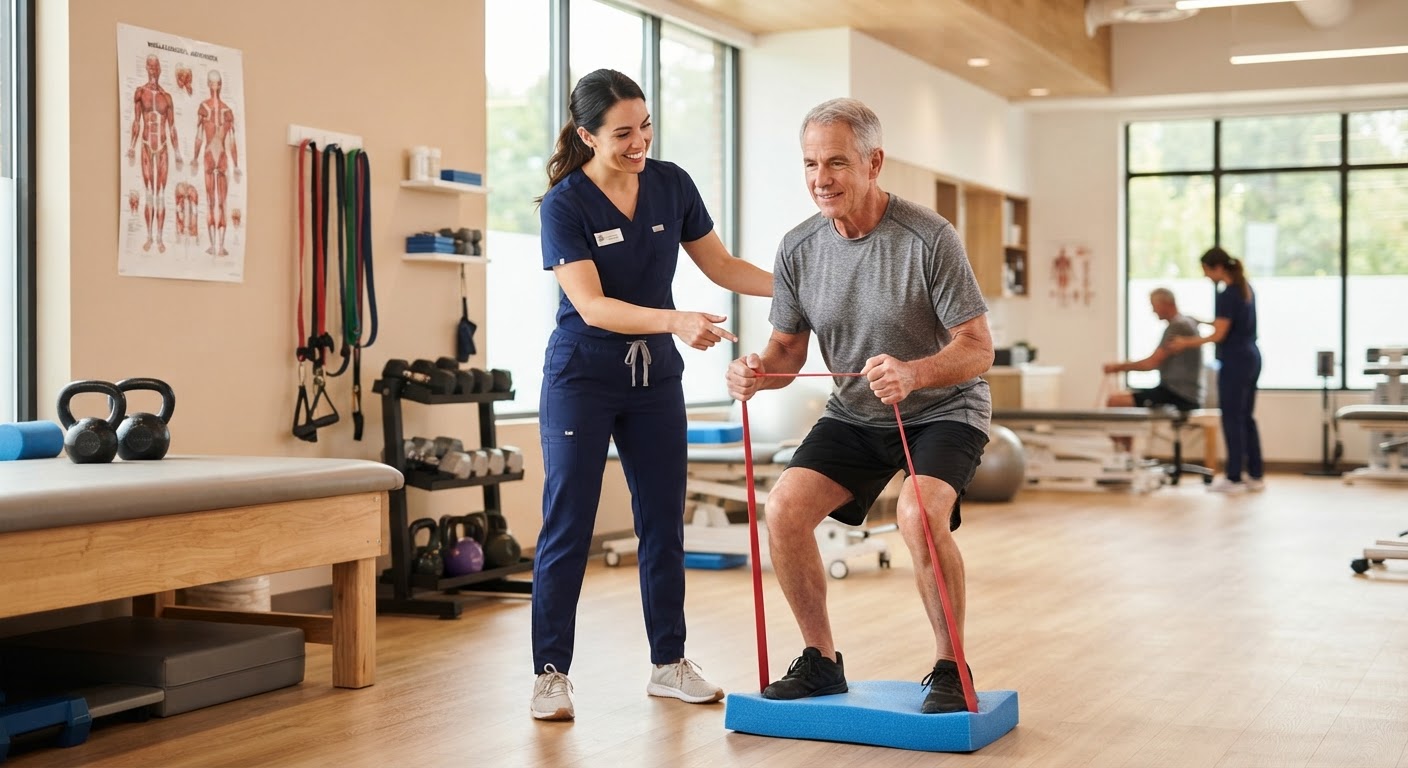
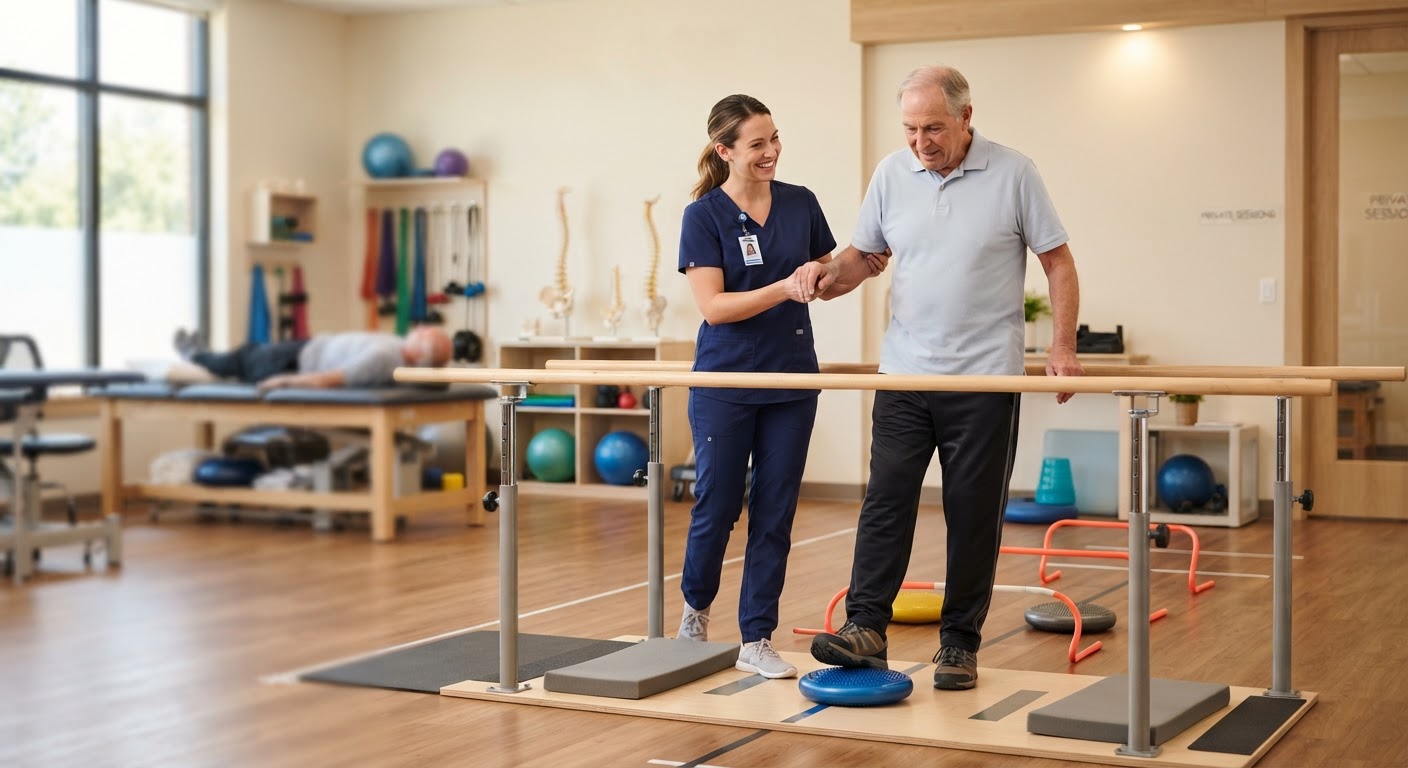
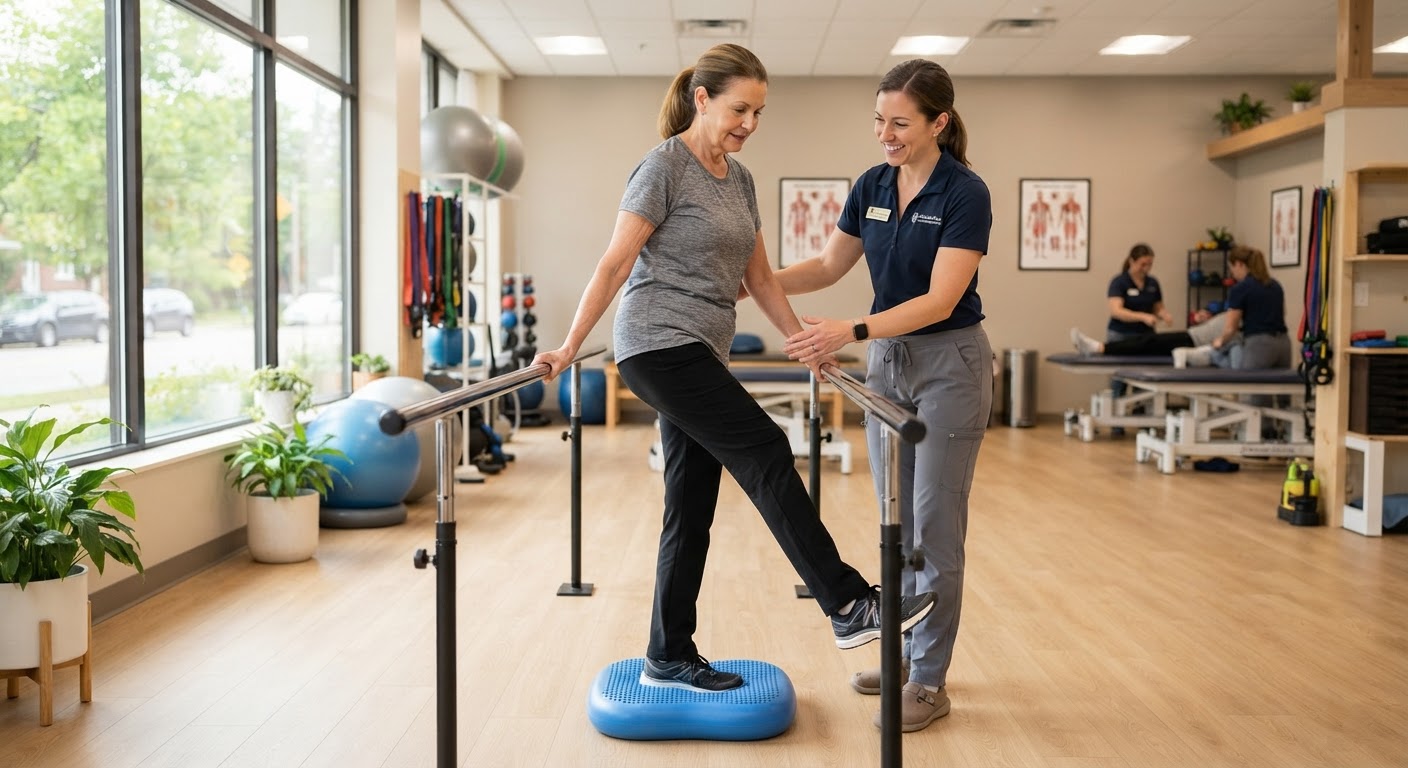
Improving Balance and Proprioception: Surgery can affect your body's awareness of its position in space (proprioception) and your balance. Specific balance exercises help retrain these sensory systems, reducing the risk of falls.
Managing Pain and Swelling: While physical therapy involves movement, it also incorporates modalities and techniques to help manage post-operative pain and swelling, making your recovery more comfortable and enabling you to participate more effectively in rehabilitation.
Educating for Long-Term Success: Beyond exercises, your physical therapist provides crucial education on proper body mechanics, activity modification, assistive device use (like walkers or canes), and precautions to protect your new joint for years to come.
The Physical Therapy NOW™ Approach to TKR Rehabilitation
At Physical Therapy NOW™ in Homestead, our rehabilitation program for total knee replacement is comprehensive, personalized, and spans several phases:
Pre-Operative (Pre-Hab) Phase: While not always possible, pre-operative physical therapy can significantly improve post-operative outcomes. Even a few sessions can help you strengthen muscles, improve flexibility, and learn exercises you'll do after surgery. This preparation can make the initial post-operative recovery smoother and faster.
Acute Post-Operative (Hospital/Early Outpatient) Phase: This phase begins almost immediately after surgery. Your physical therapist will focus on:
Gentle Range of Motion Exercises: Often starting with passive motion (where the therapist moves your leg) and progressing to active-assisted and active exercises. Muscle Activation: Simple exercises to reactivate the quadriceps and gluteal muscles. Pain and Swelling Management: Using ice, elevation, and gentle movements. Gait Training: Learning to walk with an assistive device, ensuring proper weight-bearing and technique. Transfer Training: Practicing safe ways to get in and out of bed, chairs, and other surfaces.
Sub-Acute (Outpatient) Phase: Once you're discharged from the hospital, your outpatient physical therapy at our Homestead location becomes more intensive. This phase typically lasts several weeks to months and focuses on:
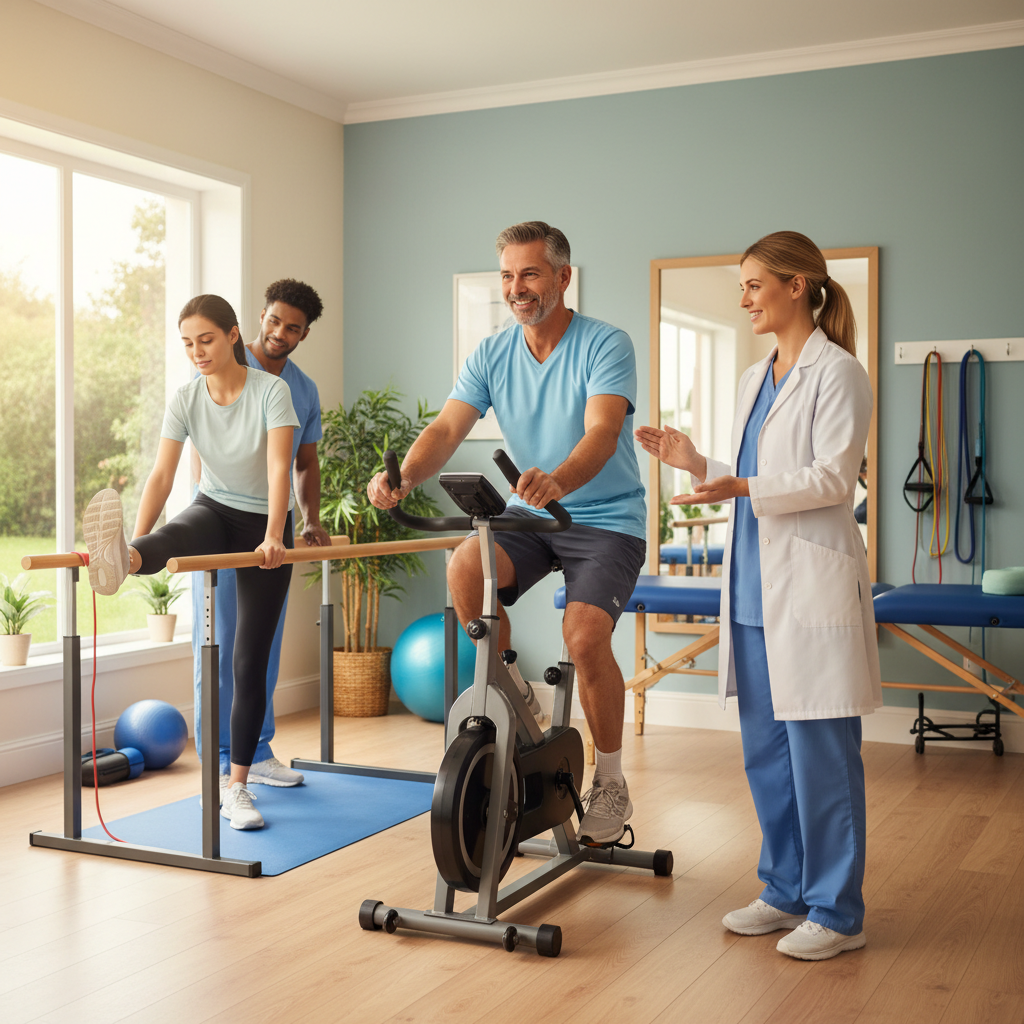
Progressive Strengthening Exercises: Targeting the knee, hip, and ankle muscles using resistance bands, weights, and bodyweight exercises. Advanced Range of Motion: Working towards full flexion and extension required for daily activities. Balance and Proprioception Training: Incorporating exercises like single-leg stands, uneven surface walking, and dynamic balance drills. Functional Training: Simulating everyday tasks such as stair climbing, getting up from low chairs, and walking longer distances. Endurance Training: Improving cardiovascular health and muscular stamina.
Advanced Rehabilitation/Return to Activity Phase: As you regain strength and mobility, your physical therapist will guide you through more challenging activities, preparing you for a return to hobbies, sports, and a fully active lifestyle. This may involve sport-specific drills, agility training, and higher-impact exercises, always with careful consideration for your new joint.
Practical Tips for a Successful Recovery
Beyond your therapy sessions, here are some actionable tips to optimize your total knee replacement recovery:
Adhere to Your Exercise Program: Consistency is key. Do your prescribed exercises daily, even on days you don't have therapy. Manage Pain Effectively: Follow your doctor's instructions for pain medication. Managing pain will allow you to participate more fully in therapy. Use Assistive Devices as Instructed: Don't rush to abandon your walker or cane. They are there to protect your new joint and prevent falls. Prioritize Rest: Your body needs time to heal. Ensure you get adequate sleep. Maintain a Healthy Diet: Good nutrition supports healing and reduces inflammation. Stay Hydrated: Proper hydration is essential for overall health and recovery. Listen to Your Body: While it's important to push yourself, also recognize when you need a break or if an activity is causing excessive pain. Communicate with Your Therapist: Be open about your pain levels, challenges, and progress. Your physical therapist can adjust your program as needed.
Your Partner in Recovery
A total knee replacement is a journey, and having the right support system makes all the difference. At Physical Therapy NOW™, our team of expert physical therapists is committed to providing compassionate, evidence-based care tailored to your individual needs and goals. We believe in empowering our patients with the knowledge and tools to take an active role in their recovery, ensuring a successful return to a pain-free, active life.
If you're considering total knee replacement surgery or have recently undergone the procedure, don't delay your rehabilitation. Visit Physical Therapy NOW™ in Homestead, FL, or call us today to schedule your consultation and take the first step towards a stronger, more mobile you. Our dedicated team is ready to help you regain your independence and enjoy life without knee pain. Call us to learn more about how we can support your recovery journey.
Ready to start feeling better?
Physical Therapy NOW™ has 40+ Florida locations with same-week appointments. Most insurance, auto accident (PIP), workers' compensation and Medicare accepted.