Sciatica Pain Relief: How Physical Therapy Can Help You Now
Sciatica is more than just a fleeting ache; it's a persistent, often debilitating pain that can travel from your lower back, down through your buttocks, and into one or both legs. For many in Cape Coral, FL, the search for effective relief from this radiating discomfort is a pressing concern. If you've ever experienced the sharp, burning, or tingling sensations associated with sciatica, you know how significantly it can impact your daily activities, sleep, and overall quality of life.
At Physical Therapy NOW™, we understand the profound impact sciatica pain can have. Our dedicated team of physical therapists is committed to providing comprehensive, evidence-based care designed to alleviate your symptoms, address the root cause of your pain, and restore your function. We believe that an informed patient is an empowered patient, and this article will guide you through how physical therapy can be your most effective ally against sciatica. Understanding Sciatica: More Than Just Back Pain
Often, when people experience sciatica pain in back pain, they might initially dismiss it as general lower back discomfort. However, sciatica is specifically caused by the compression or irritation of the sciatic nerve – the longest and thickest nerve in the human body. This nerve originates in the lower back, runs through the hips and buttocks, and branches down each leg. Common Causes of Sciatica: • Herniated Disc: This is the most common cause. When the soft inner material of a spinal disc pushes out through a tear in its outer layer, it can press directly on the sciatic nerve. • Spinal Stenosis: A narrowing of the spinal canal can put pressure on the spinal cord and sciatic nerves. • Piriformis Syndrome: The piriformis muscle, located deep in the buttock, can spasm or tighten, irritating or compressing the sciatic nerve that runs nearby or through it. • Spondylolisthesis: When one vertebra slips forward over another, it can pinch the sciatic nerve. • Degenerative Disc Disease: Age-related wear and tear on the spinal discs can lead to nerve compression.
Recognizing the distinct symptoms – sharp, shooting pain, numbness, tingling, or weakness in the leg or foot – is the first step towards getting the right diagnosis and treatment. Why Physical Therapy is Key for Sciatica Relief
While medication can offer temporary relief, it often only masks the symptoms. Physical therapy, however, offers a non-invasive, drug-free approach that focuses on long-term solutions. It empowers you with the knowledge and tools to manage and prevent future flare-ups. Comprehensive Assessment and Personalized Treatment Plans
When you visit Physical Therapy NOW™ at our Cape Coral location, your journey to recovery begins with a thorough evaluation. Our expert physical therapists will:
1. Review Your Medical History: We'll discuss your symptoms, lifestyle, and any past injuries or conditions. 2. Conduct a Physical Examination: This includes assessing your posture, range of motion, strength, reflexes, and nerve function to pinpoint the exact source of your sciatica. 3. Identify Contributing Factors: We look beyond the pain itself to understand what might be exacerbating it, such as poor ergonomics, muscle imbalances, or movement patterns.
Based on this comprehensive assessment, we develop a personalized treatment plan tailored specifically to your needs and goals. There's no one-size-fits-all approach to sciatica, and your plan will reflect that. Core Components of Sciatica Physical Therapy
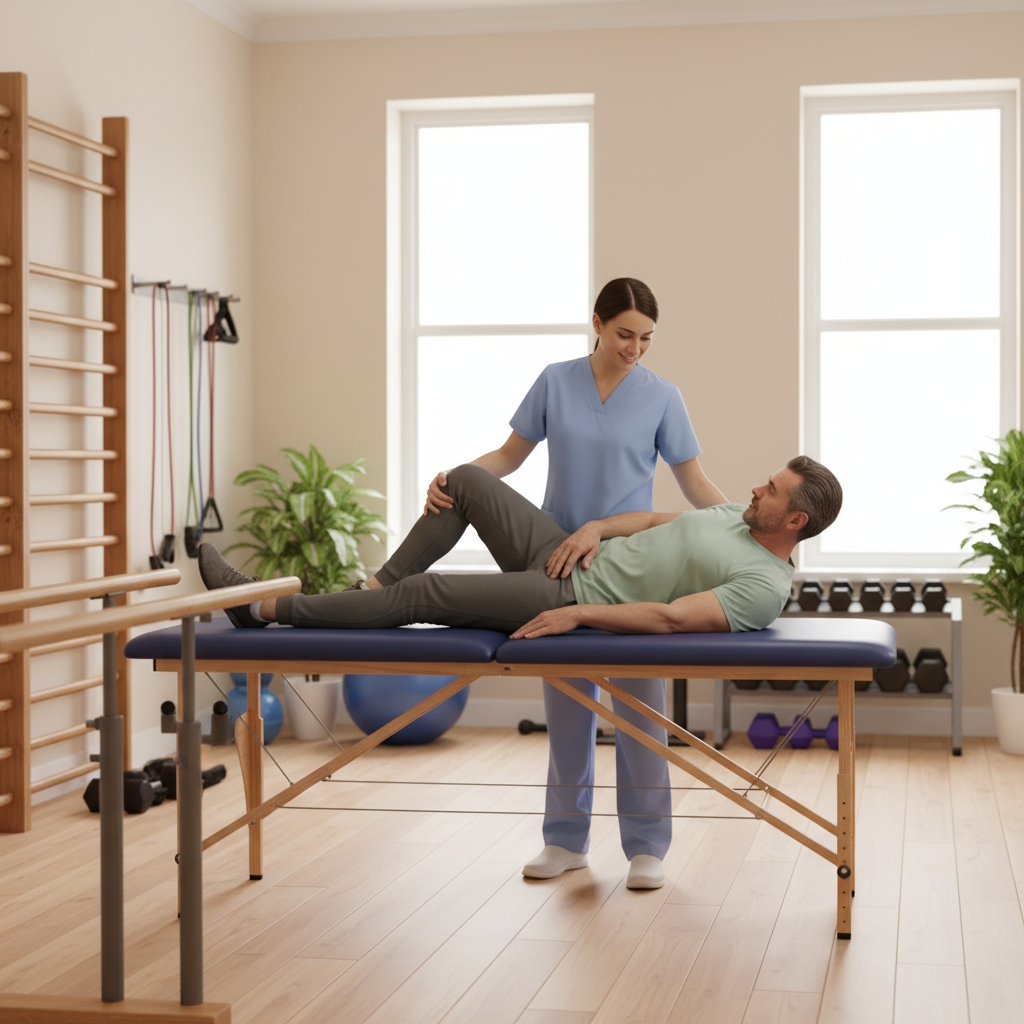
Our treatment strategies are multifaceted, combining various techniques to optimize your recovery: • Pain Management Techniques: Initially, our focus is often on reducing acute pain. This may involve modalities like heat/cold therapy, electrical stimulation (TENS), or manual therapy techniques to decrease muscle spasms and inflammation. • Manual Therapy: Our therapists use hands-on techniques such as massage, mobilization, and manipulation to improve joint movement, reduce muscle tension, and alleviate nerve compression. • Therapeutic Exercises: This is a cornerstone of sciatica treatment. Specific exercises are prescribed to: Strengthen Core Muscles: A strong core provides better support for your spine, reducing strain on the sciatic nerve. Improve Flexibility and Range of Motion: Stretching tight muscles (like the piriformis, hamstrings, and hip flexors) can relieve pressure on the nerve. Enhance Posture and Body Mechanics: Learning proper lifting techniques, sitting posture, and movement patterns can prevent re-injury and reduce nerve irritation. • Nerve Gliding Exercises: These gentle movements help the sciatic nerve move more freely through its pathway, reducing irritation and improving its function. • Education: Understanding your condition is crucial. We educate you on self-management strategies, proper body mechanics, and how to modify activities to protect your spine. Practical Tips for Managing Sciatica Pain at Home
While professional guidance is essential, there are several practical steps you can take at home to complement your physical therapy program and manage your sciatica pain in back pain: • Stay Active (Wisely): While rest might seem appealing, prolonged bed rest can actually worsen sciatica. Engage in gentle activities like walking, swimming, or cycling, as tolerated. Always listen to your body and avoid movements that aggravate your pain. • Apply Heat or Cold: Use ice packs for acute flare-ups (first 48-72 hours) to reduce inflammation. For chronic pain or muscle stiffness, apply heat to relax muscles and increase blood flow. • Mind Your Posture: Pay attention to how you sit, stand, and sleep. Use proper ergonomic support at your workstation. When sitting, ensure your feet are flat on the floor and your lower back is supported. Avoid prolonged sitting or standing in one position. • Gentle Stretching: Incorporate gentle stretches for your hamstrings, glutes, and lower back, but only as advised by your physical therapist. Examples include knee-to-chest stretches or piriformis stretches. • Consider Supportive Footwear: Well-cushioned, supportive shoes can help absorb shock and provide better spinal alignment. • Lift with Your Legs: When lifting objects, bend at your knees and keep your back straight, engaging your leg muscles rather than straining your back. Your Path to a Pain-Free Life Starts Here
Living with sciatica pain doesn't have to be your new normal. With the right approach and consistent effort, significant relief and recovery are within reach. At Physical Therapy NOW™, our mission is to empower you to regain control over your body and return to the activities you love, free from the constant burden of pain.
Our team in Cape Coral, FL is dedicated to providing compassionate, individualized care, guiding you every step of the way. We focus not just on alleviating your current symptoms, but on teaching you sustainable strategies for long-term health and wellness. Ready to find relief from sciatica pain?
Don't let sciatica dictate your life any longer. Take the first step towards lasting relief by scheduling a consultation with our experienced physical therapists. Contact Physical Therapy NOW™ at our Cape Coral location today to discuss how we can help you move better, feel better, and live better. Let us help you reclaim your active lifestyle! Call us or visit our clinic to learn more about our comprehensive sciatica treatment programs.
Ready to start feeling better?
Physical Therapy NOW™ has 40+ Florida locations with same-week appointments. Most insurance, auto accident (PIP), workers' compensation and Medicare accepted.