Unlocking Relief: How Physical Therapy Tackles Sciatica Pain
Sciatica pain can be debilitating, turning simple everyday tasks into agonizing challenges. That sharp, shooting pain radiating from your lower back down your leg is more than just discomfort; it's a signal that something needs attention. If you're experiencing sciatica pain in Plantation, FL, understanding its causes and, more importantly, how to effectively manage and treat it can be life-changing. Physical therapy offers a proven, non-invasive path to recovery, focusing on the root cause of your pain rather than just masking the symptoms.
At Physical Therapy NOW™ in Plantation, we understand the unique struggles that come with sciatica. Our goal is to empower you with knowledge and effective treatments to not only alleviate your current pain but also prevent future recurrences, helping you regain your active lifestyle. What Exactly is Sciatica?
Sciatica isn't a diagnosis itself, but rather a symptom of an underlying problem affecting the sciatic nerve. This nerve, the longest and thickest nerve in your body, originates from your lower back, runs through your buttocks, and branches down each leg. When this nerve becomes compressed, irritated, or inflamed, it results in the characteristic pain associated with sciatica. Common Causes of Sciatica: • Herniated Disc: This is the most common cause. A bulging or ruptured disc in your spine can press directly on the sciatic nerve. • Spinal Stenosis: A narrowing of the spinal canal, which can put pressure on the spinal cord and nerves. • Piriformis Syndrome: The piriformis muscle, located deep in the buttock, can sometimes spasm or tighten, compressing the sciatic nerve that runs nearby or even through it. • Spondylolisthesis: A condition where one vertebra slips forward over another, potentially pinching the sciatic nerve. • Degenerative Disc Disease: The natural wear and tear of spinal discs over time can lead to nerve compression.
Symptoms can vary widely, from a mild ache to a sharp, burning sensation or excruciating pain that makes it difficult to stand or walk. Numbness, tingling, or muscle weakness in the affected leg or foot are also common. The Role of Physical Therapy in Sciatica Relief
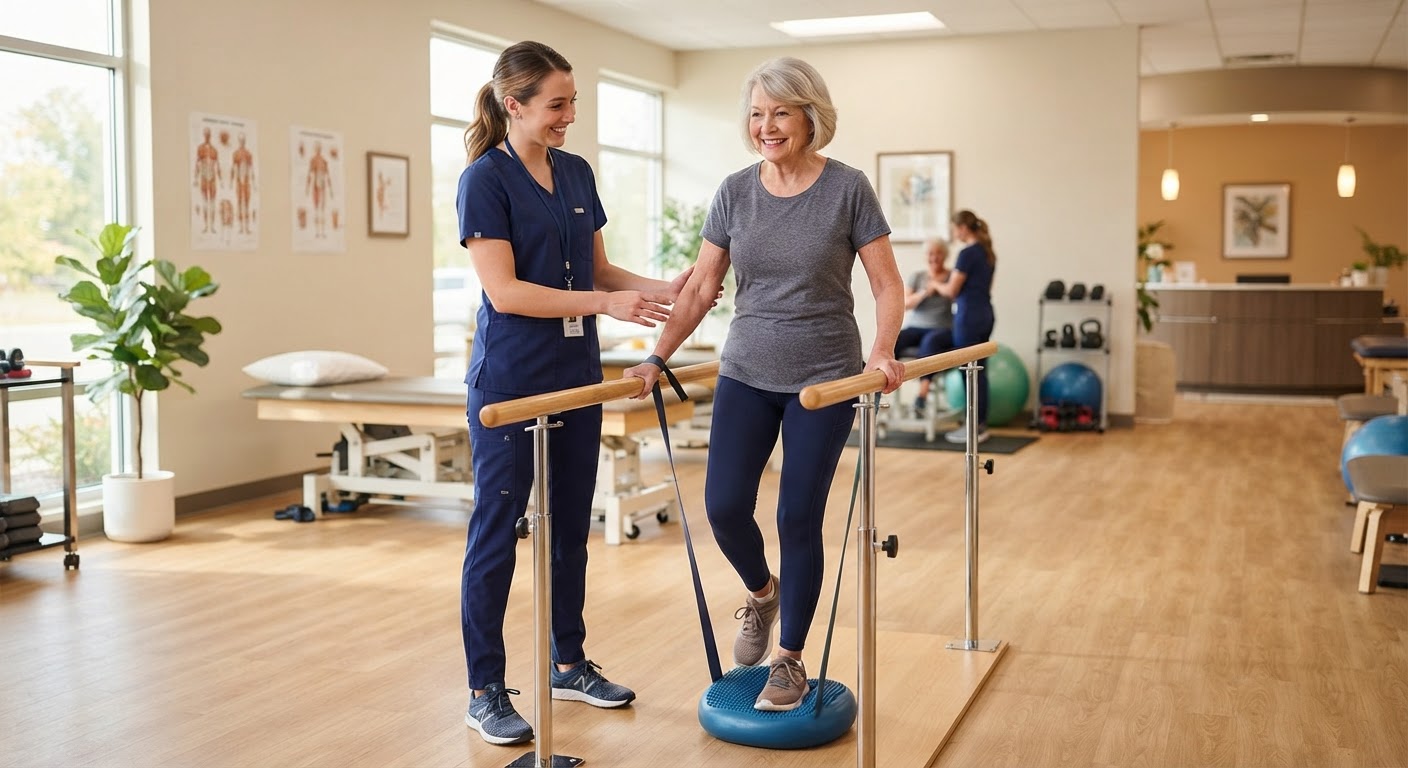
When it comes to managing sciatica, physical therapy is often the first-line, non-surgical recommendation. It’s a comprehensive approach that addresses the cause of your pain, improves function, and equips you with tools for long-term self-management. Our expert physical therapists at Physical Therapy NOW™ craft personalized treatment plans tailored to your specific condition and needs. Comprehensive Assessment and Diagnosis
Your journey to relief begins with a thorough evaluation. Our physical therapists will assess your medical history, perform a detailed physical examination, and evaluate your posture, movement patterns, strength, and flexibility. This comprehensive assessment helps us pinpoint the exact cause of your sciatica pain and develop an effective, targeted treatment strategy. Personalized Treatment Plans
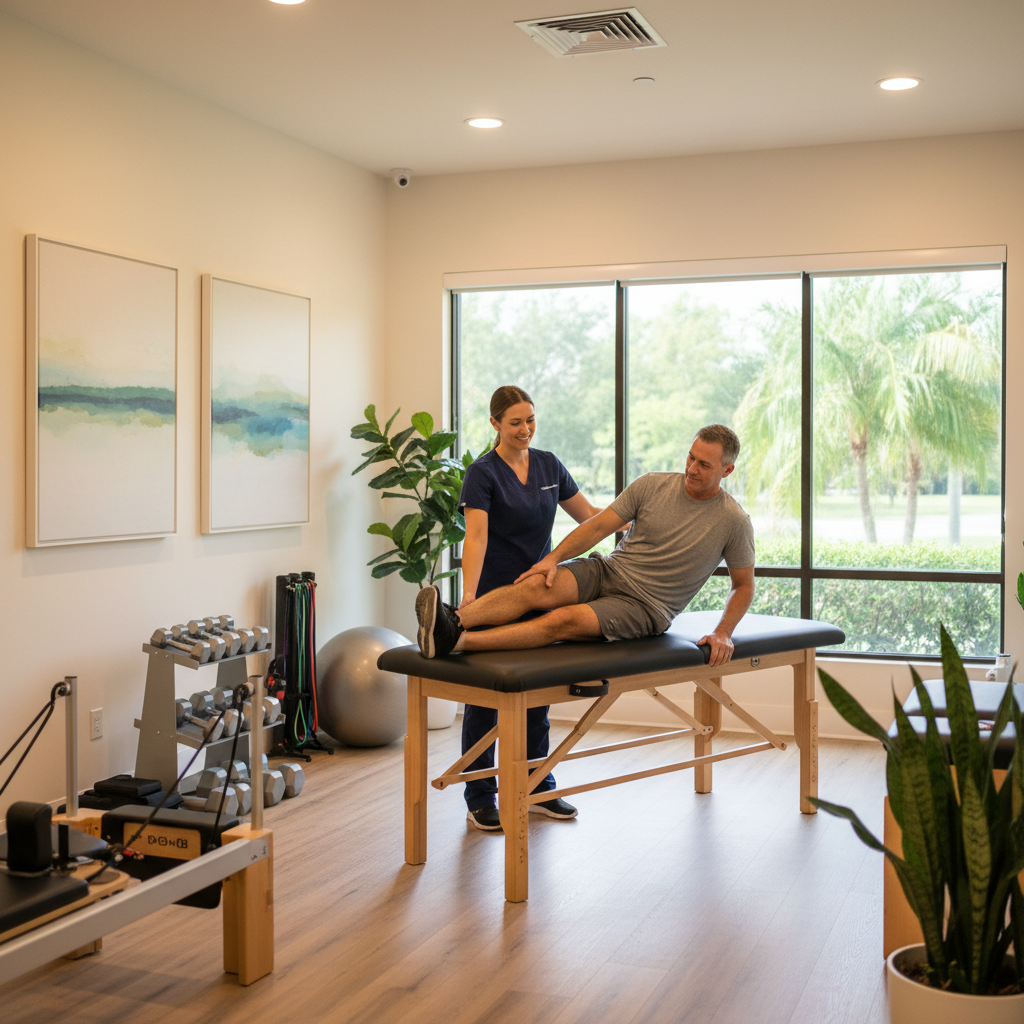
There's no one-size-fits-all solution for sciatica. Your personalized physical therapy plan may include a combination of the following: • Manual Therapy: Hands-on techniques such as massage, mobilization, and manipulation help to reduce muscle spasms, improve joint mobility, and decrease nerve compression. These techniques are crucial for relieving immediate pain and restoring natural movement. • Therapeutic Exercises: Specific exercises are prescribed to strengthen the core muscles that support your spine, improve flexibility in tight areas (like the hamstrings and piriformis), and correct muscle imbalances. These exercises are vital for stabilizing the spine and taking pressure off the sciatic nerve. Core Strengthening: Exercises like pelvic tilts, bird-dog, and planks help build a strong foundation for your spine. Stretching: Gentle stretches for the hamstrings, piriformis, and hip flexors can alleviate tension on the sciatic nerve. Nerve Glides: These specific movements help the sciatic nerve move more freely through its pathway, reducing irritation and improving its function. • Modalities: Therapeutic modalities like heat, ice, ultrasound, or electrical stimulation (TENS) can be used to reduce pain, inflammation, and muscle spasms, providing temporary relief and making exercise more tolerable. • Ergonomic and Postural Education: Understanding how your daily activities impact your spine is key. Our therapists will teach you proper body mechanics for lifting, sitting, standing, and sleeping to prevent future flare-ups. This includes advice on setting up your workspace effectively and maintaining good posture throughout the day. • Pain Management Strategies: Beyond physical techniques, we equip you with strategies to manage pain effectively, including pacing activities, relaxation techniques, and understanding pain triggers. Practical Tips for Managing Sciatica Pain at Home
While professional guidance is essential, there are several things you can do at home to complement your physical therapy and find additional relief:
1. Stay Active (Wisely): Avoid prolonged sitting or bed rest, as this can worsen sciatica. Engage in gentle low-impact activities like walking or swimming as tolerated. 2. Apply Heat or Cold: Use ice packs for acute pain and inflammation, and heat packs for muscle relaxation and chronic stiffness. Alternate as needed. 3. Mind Your Posture: Be conscious of your posture, especially when sitting. Use a lumbar support pillow if necessary, and ensure your feet are flat on the floor. 4. Gentle Stretching: Perform the stretches recommended by your physical therapist regularly. Avoid any movements that intensify your pain. 5. Lift with Your Legs: When lifting objects, bend your knees and keep your back straight, engaging your leg muscles rather than straining your back. 6. Avoid High Heels: Flat, supportive shoes can help maintain proper spinal alignment. Why Choose Physical Therapy NOW™ in Plantation?
At Physical Therapy NOW™, our dedicated team of experienced physical therapists in Plantation, FL, is committed to providing exceptional, evidence-based care. We pride ourselves on creating a supportive and encouraging environment where patients feel heard and understood. Our holistic approach means we don't just treat the symptoms; we work to resolve the underlying causes of your sciatica pain, empowering you with the knowledge and tools for long-term health and wellness.
We believe in a collaborative approach, working closely with you to set realistic goals and celebrate every milestone on your journey to recovery. Your well-being is our priority. Take the First Step Towards a Pain-Free Life
Don't let sciatica pain dictate your life any longer. If you're struggling with sciatica pain in Plantation, FL, it's time to seek professional help. Physical Therapy NOW™ is here to guide you toward lasting relief and improved quality of life.
Ready to take control of your pain? Contact Physical Therapy NOW™ at our Plantation location today to schedule your comprehensive evaluation. Call us or visit our clinic to begin your personalized path to recovery!
Ready to start feeling better?
Physical Therapy NOW™ has 40+ Florida locations with same-week appointments. Most insurance, auto accident (PIP), workers' compensation and Medicare accepted.