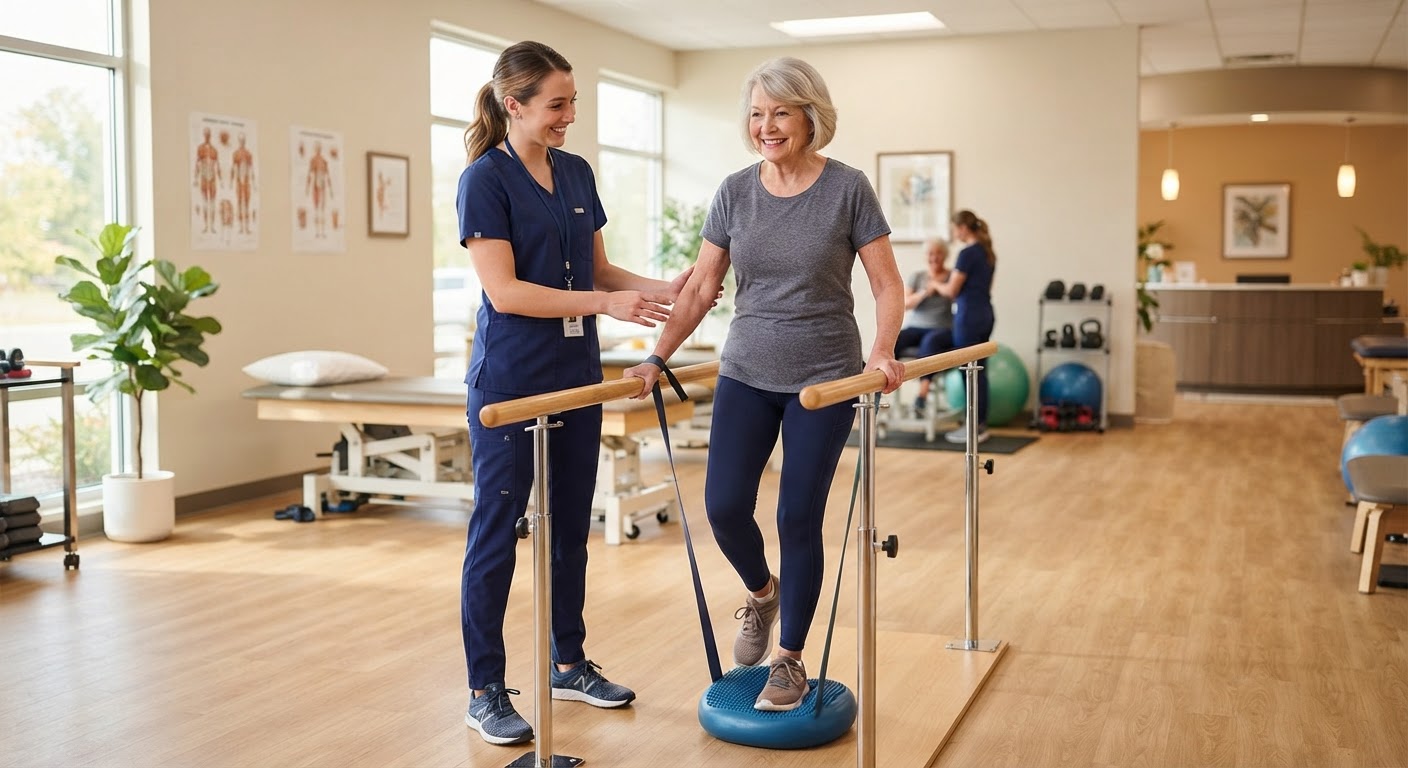
Ending Sciatica Pain: Your Path to Relief with Physical Therapy NOW™
Sciatica is a debilitating condition that affects millions of people worldwide, often manifesting as a sharp, shooting pain that radiates from the lower back down through the buttocks and legs. If you've ever experienced this intense discomfort, you know how it can disrupt daily life, making even simple tasks feel impossible. When sciatica pain in back pain strikes, many individuals instinctively reach for medication or consider drastic measures. However, a highly effective and non-invasive solution exists: physical therapy.
At Physical Therapy NOW™ in Miami, FL, we specialize in helping individuals overcome sciatica pain, guiding them back to a life of comfort and activity. Our expert therapists at the Country Walk location are dedicated to providing personalized care that addresses the root cause of your pain, not just the symptoms. What Exactly is Sciatica?
Sciatica isn't a diagnosis itself, but rather a symptom of an underlying problem affecting the sciatic nerve. This nerve, the longest and thickest nerve in the body, originates from nerve roots in the lower back, travels through the buttocks, and extends down each leg, branching out to supply sensation and motor function.
When something compresses or irritates this nerve, you experience sciatica. Common culprits include: • Herniated Discs: A bulging or ruptured disc in the spine can press directly on the nerve roots. • Spinal Stenosis: Narrowing of the spinal canal, often due to aging, can put pressure on the spinal cord and nerves. • Piriformis Syndrome: The piriformis muscle, located deep in the buttock, can spasm and compress the sciatic nerve that runs nearby or even through it. • Spondylolisthesis: When one vertebra slips forward over another, it can pinch the nerve. • Degenerative Disc Disease: The natural wear and tear of spinal discs can lead to nerve compression.
The pain associated with sciatica can vary from a mild ache to a sharp, burning sensation or excruciating discomfort. It can also be accompanied by numbness, tingling, or muscle weakness in the affected leg or foot. The key differentiator is that the pain typically follows the nerve's path, making it feel like it's traveling down your leg. Why Physical Therapy is Your Best Bet for Sciatica Relief
While medication can offer temporary pain relief, it doesn't address the underlying mechanical issues causing your sciatica. Physical therapy, on the other hand, is a comprehensive approach designed to identify and correct these problems, offering lasting relief and preventing future recurrences. Here’s how Physical Therapy NOW™ can help: 1. Accurate Diagnosis and Personalized Treatment Plan
Our highly skilled physical therapists at Physical Therapy NOW™ begin with a thorough evaluation. We’ll assess your medical history, perform a physical examination to test your range of motion, strength, reflexes, and identify specific pain triggers. This detailed assessment helps us pinpoint the exact cause of your sciatica, whether it’s a disc issue, muscle spasm, or structural imbalance.
Based on this diagnosis, we develop a personalized treatment plan tailored to your unique needs and goals. There's no one-size-fits-all approach to sciatica, and our individualized care ensures the most effective path to recovery. 2. Pain Management and Reduction
Initial treatment often focuses on alleviating acute pain. Our therapists utilize a variety of techniques, including: • Manual Therapy: Hands-on techniques such as soft tissue mobilization, joint mobilizations, and massage can help reduce muscle spasms, improve joint mobility, and decrease nerve irritation. • Modalities: Therapeutic modalities like heat, ice, ultrasound, or electrical stimulation (e.g., TENS) can help manage pain and inflammation. • Gentle Exercises: Specific, carefully prescribed exercises can help reduce pressure on the sciatic nerve and promote healing. 3. Therapeutic Exercises for Strength and Flexibility
Once acute pain subsides, the focus shifts to strengthening and improving flexibility. Weak core muscles, tight hamstrings, or stiff hips can all contribute to sciatica. Your physical therapist will guide you through exercises designed to: • Strengthen Core Muscles: A strong core provides better support for your spine, reducing stress on the lower back and sciatic nerve. • Improve Flexibility: Stretching tight muscles, particularly the hamstrings, piriformis, and hip flexors, can alleviate nerve compression. • Enhance Posture: Correcting postural imbalances helps distribute weight evenly and reduces strain on your spine. • Increase Range of Motion: Restoring normal movement in the spine and hips can prevent nerve impingement. 4. Education and Self-Management Strategies
Empowering you with knowledge is a cornerstone of our treatment philosophy. Your therapist will educate you on proper body mechanics for daily activities – how to lift objects, sit, stand, and sleep in ways that protect your spine. You’ll learn about posture correction, ergonomic adjustments for your workspace, and strategies to prevent future flare-ups. 5. Functional Training
As you progress, therapy will incorporate functional exercises that mimic real-life movements, helping you safely return to work, hobbies, and sports without pain. This stage ensures that you not only feel better but are also equipped to maintain an active, pain-free lifestyle. Practical Tips for Managing Sciatica at Home
While professional guidance is crucial, there are steps you can take at home to complement your physical therapy: • Stay Active (Wisely): While rest is sometimes needed for acute pain, prolonged bed rest can worsen sciatica. Engage in gentle activities as advised by your therapist. • Apply Heat or Ice: Use ice packs for acute pain and inflammation, and heat pads for muscle relaxation and chronic stiffness. • Maintain Good Posture: Be mindful of your posture, especially when sitting for long periods. Use a rolled towel or lumbar support. • Avoid Prolonged Sitting or Standing: Change positions frequently. Take short breaks to stretch or walk around. • Proper Lifting Techniques: Always lift with your legs, keeping your back straight. • Wear Supportive Footwear: High heels or unsupportive shoes can aggravate back and sciatic pain. • Sleep Smart: Sleep on your side with a pillow between your knees, or on your back with a pillow under your knees. Don't Let Sciatica Dictate Your Life – Seek Expert Care at Physical Therapy NOW™
Sciatica pain in back pain doesn't have to be a permanent fixture in your life. With the right guidance and a dedicated approach, you can significantly reduce your discomfort and regain your mobility. At Physical Therapy NOW™ in Miami, FL, we are committed to helping you achieve lasting relief and return to the activities you love.
Our team at the Country Walk location is ready to provide the compassionate, expert care you deserve. Don't wait for the pain to worsen. Take the first step towards a pain-free future today. Ready to Find Relief? Contact Us Today!
If you're suffering from sciatica pain, don't delay your recovery. Contact Physical Therapy NOW™ at our Country Walk location in Miami, FL, to schedule your comprehensive evaluation. Our friendly staff is here to answer your questions and help you begin your journey to a healthier, pain-free life. Call us or visit our website to learn more and book your appointment!
Ready to start feeling better?
Physical Therapy NOW™ has 40+ Florida locations with same-week appointments. Most insurance, auto accident (PIP), workers' compensation and Medicare accepted.