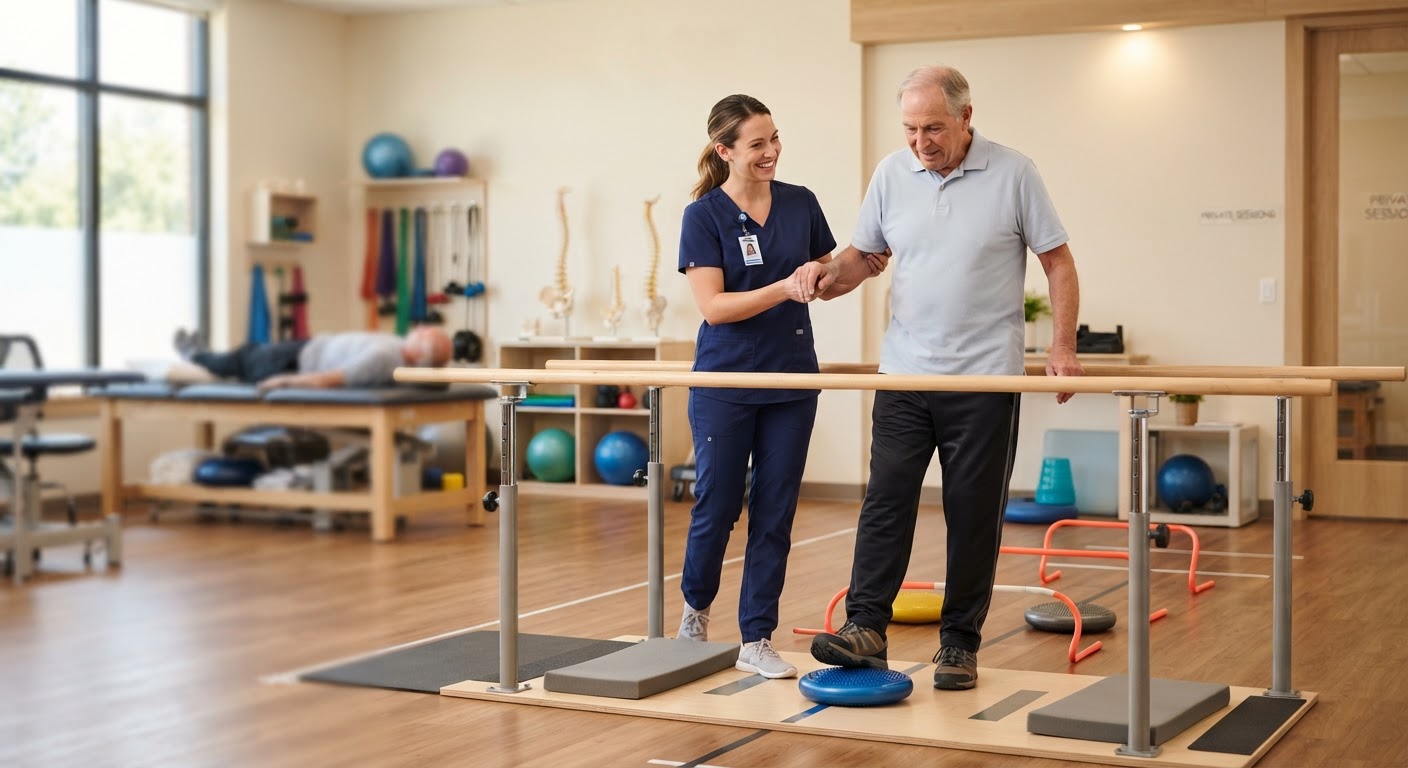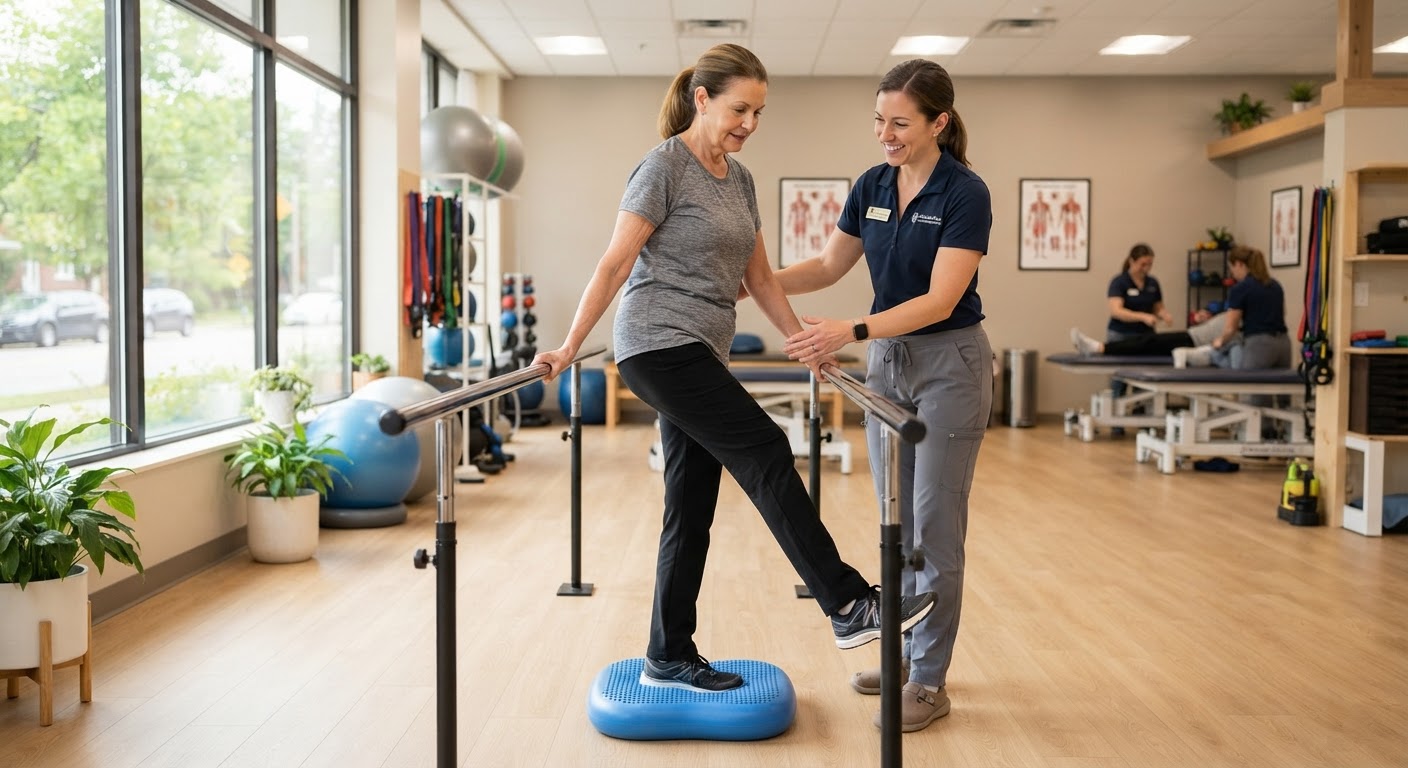
How Physical Therapy Helps with Sciatica Pain
Sciatica – it's a term that often brings a wince to those who’ve experienced its searing discomfort. This common condition, characterized by pain radiating along the sciatic nerve from the lower back through the hips and down each leg, can be debilitating. While many seek quick fixes, the most effective and lasting solution often lies in the hands of skilled physical therapists. If you're experiencing sciatica pain in your back or legs, understanding how physical therapy can help is crucial for regaining your quality of life. What Exactly is Sciatica?
The sciatic nerve is the longest and thickest nerve in the body, originating from several spinal nerve roots in the lumbar and sacral regions. Sciatica occurs when this nerve becomes compressed, irritated, or inflamed. This compression can stem from various causes, including: • Herniated Discs: This is the most common cause, where the soft inner material of a spinal disc pushes through its tougher exterior, pressing on the nerve. • Spinal Stenosis: A narrowing of the spinal canal, which can put pressure on the spinal cord and nerves. • Piriformis Syndrome: The piriformis muscle, located deep in the buttock, can sometimes spasm and compress the sciatic nerve. • Spondylolisthesis: A condition where one vertebra slips forward over another. • Degenerative Disc Disease: The natural aging process can lead to the breakdown of spinal discs, potentially irritating the sciatic nerve.
The symptoms of sciatica can vary widely, from a mild ache to a sharp, burning sensation or excruciating pain. It might feel like a jolt or electric shock, and can be accompanied by numbness, tingling, or muscle weakness in the affected leg or foot. This pain often worsens with prolonged sitting, standing, or coughing. The Role of Physical Therapy in Sciatica Relief
Unlike pain medication that merely masks symptoms, physical therapy addresses the root cause of sciatica, promoting long-term healing and preventing recurrence. At Physical Therapy NOW™ in Homestead, FL, our expert therapists develop personalized treatment plans designed to: 1. Reduce Pain and Inflammation
Initial physical therapy interventions focus on alleviating acute pain and reducing inflammation. This can involve: • Manual Therapy: Hands-on techniques like massage, mobilization, and manipulation to decrease muscle spasms, improve joint mobility, and release nerve compression. • Modalities: The use of therapeutic tools such as heat and cold packs, electrical stimulation (e-stim), or ultrasound to reduce pain and inflammation. • Nerve Glides: Gentle exercises that help the sciatic nerve move more freely through its pathways, reducing irritation. 2. Improve Mobility and Flexibility
Stiffness and limited range of motion are common with sciatica. Physical therapists guide patients through specific stretches and exercises to: • Spinal Mobility Exercises: Gentle movements designed to restore normal motion in the lumbar spine. • Hamstring Stretches: Tight hamstrings can contribute to lower back tension and exacerbate sciatica. Targeted stretches help lengthen these muscles. • Piriformis Stretches: If piriformis syndrome is the culprit, specific stretches for this muscle are crucial to relieve nerve pressure. • McKenzie Method: A specific set of extension exercises that can be highly effective for certain types of disc-related sciatica, helping to centralize the pain. 3. Strengthen Core Muscles
A strong core is fundamental for supporting the spine and preventing future bouts of sciatica. Core muscles include the abdominal muscles, back muscles, and pelvic floor muscles. Physical therapists teach exercises that strengthen these vital stabilizing muscles, such as: • Pelvic Tilts: Simple exercises to engage and strengthen deep abdominal muscles. • Bridging: Works the glutes and lower back muscles, improving overall stability. • Planks and Side Planks: Advanced exercises that build endurance in the core muscles. 4. Provide Postural Education and Ergonomic Advice
Poor posture and improper body mechanics can significantly contribute to sciatica. Physical therapists at Physical Therapy NOW™ (Homestead location) educate patients on: • Proper Sitting and Standing Posture: How to maintain a neutral spine position to minimize stress on the sciatic nerve. • Lifting Techniques: Learning the correct way to lift objects to protect the back. • Ergonomics at Work: Advice on setting up workstations to support spinal health, reducing the risk of nerve compression during daily activities. • Sleeping Positions: Recommendations for sleeping positions and pillow support to alleviate pressure points. 5. Develop a Home Exercise Program (HEP)
Consistency is key to long-term relief. Your physical therapist will provide you with a customized home exercise program to continue your progress outside of the clinic. This HEP ensures that you maintain flexibility, strength, and good posture, empowering you to manage your condition independently and prevent future flare-ups of sciatica pain in your back. Practical Tips for Managing Sciatica at Home
While undergoing physical therapy, there are several things you can do at home to complement your treatment and find further relief: • Stay Active (Within Limits): Avoid prolonged bed rest. Gentle activity, such as walking, can often be beneficial. Listen to your body and stop if pain increases. • Apply Heat or Cold: Use ice packs for acute pain and inflammation (especially in the first 48-72 hours) and heat pads for muscle tension and stiffness. • Improve Your Posture: Be mindful of how you sit, stand, and move throughout the day. Invest in an ergonomic chair if you spend a lot of time sitting. • Sleep Smart: Use a supportive mattress and consider placing a pillow between your knees if you sleep on your side, or under your knees if you sleep on your back. • Avoid Lifting Heavy Objects: Or if you must, use proper lifting techniques – lift with your legs, not your back. • Wear Supportive Footwear: High heels and unsupportive shoes can alter your gait and posture, potentially contributing to sciatica. Why Choose Physical Therapy NOW™ for Sciatica Relief?
At Physical Therapy NOW™ in Homestead, we understand the profound impact sciatica can have on your daily life. Our team of highly skilled and compassionate physical therapists is dedicated to providing evidence-based, individualized care. We utilize the latest techniques and technologies to accurately diagnose the source of your sciatica and develop a comprehensive treatment plan tailored to your specific needs and goals. Our aim isn't just to reduce your pain, but to empower you with the tools and knowledge to live a full, active life, free from the constraints of sciatica pain.
Don't let sciatica dictate your life. Take the first step towards lasting relief and improved well-being.
Ready to get relief from your sciatica pain? Contact Physical Therapy NOW™ at our Homestead location today to schedule your comprehensive evaluation. Call us at [Insert Phone Number Here] or visit our clinic at [Insert Address Here] to reclaim your comfort and mobility!
Ready to start feeling better?
Physical Therapy NOW™ has 40+ Florida locations with same-week appointments. Most insurance, auto accident (PIP), workers' compensation and Medicare accepted.