Reclaim Your Mobility: How Physical Therapy Optimizes Total Knee Replacement Recovery
Total Knee Replacement (TKR), also known as total knee arthroplasty, is a life-changing procedure for individuals suffering from severe knee pain and disability, often caused by arthritis or injury. While the surgery itself addresses the damaged joint, the journey to a fully functional and pain-free knee doesn't end in the operating room. In fact, a significant part of your success hinges on what happens afterward: dedicated, expert-guided physical therapy.
At Physical Therapy NOW™ in Weston, FL, we understand that undergoing a total knee replacement is a significant step, and we are committed to guiding you through a comprehensive rehabilitation program designed to help you regain optimal mobility, strength, and independence. Understanding Total Knee Replacement
Before diving into the role of physical therapy, let's briefly understand what a total knee replacement entails. During this surgical procedure, damaged cartilage and bone from the thighbone (femur), shinbone (tibia), and kneecap (patella) are removed and replaced with artificial implants made of metal alloys and high-grade plastics. The goal is to resurface the joint, eliminate pain, and restore function.
While highly effective, the surgery involves significant changes to your joint mechanics and surrounding tissues. This is where physical therapy becomes indispensable. The Indispensable Role of Physical Therapy in TKR Recovery
Physical therapy is not just a recommendation; it's a critical component of a successful total knee replacement recovery. It typically begins very soon after surgery, sometimes even on the same day, and continues for several weeks or months. Here’s how a physical therapist helps you every step of the way: 1. Pain Management and Swelling Reduction
Immediately after surgery, pain and swelling are common. Your physical therapist will utilize various techniques to manage these symptoms, such as: • Cryotherapy (ice packs): To reduce swelling and numb the area. • Gentle massage: To improve circulation and decrease fluid retention. • Elevation: Positioning your leg to minimize swelling. • Modalities: Therapeutic exercises performed within pain limits to promote healing. 2. Restoring Range of Motion (ROM)
One of the primary goals after a TKR is to regain the ability to bend (flexion) and straighten (extension) your knee. Scar tissue can form, limiting movement if not addressed proactively. Your therapist will guide you through a progression of exercises, including: • Passive Range of Motion: The therapist moves your leg for you. • Assisted Range of Motion: You help move your leg with the therapist's assistance. • Active Range of Motion: You move your leg independently through its full available range.
Consistent effort in these exercises is crucial to prevent stiffness and achieve functional mobility. 3. Strengthening Surrounding Muscles
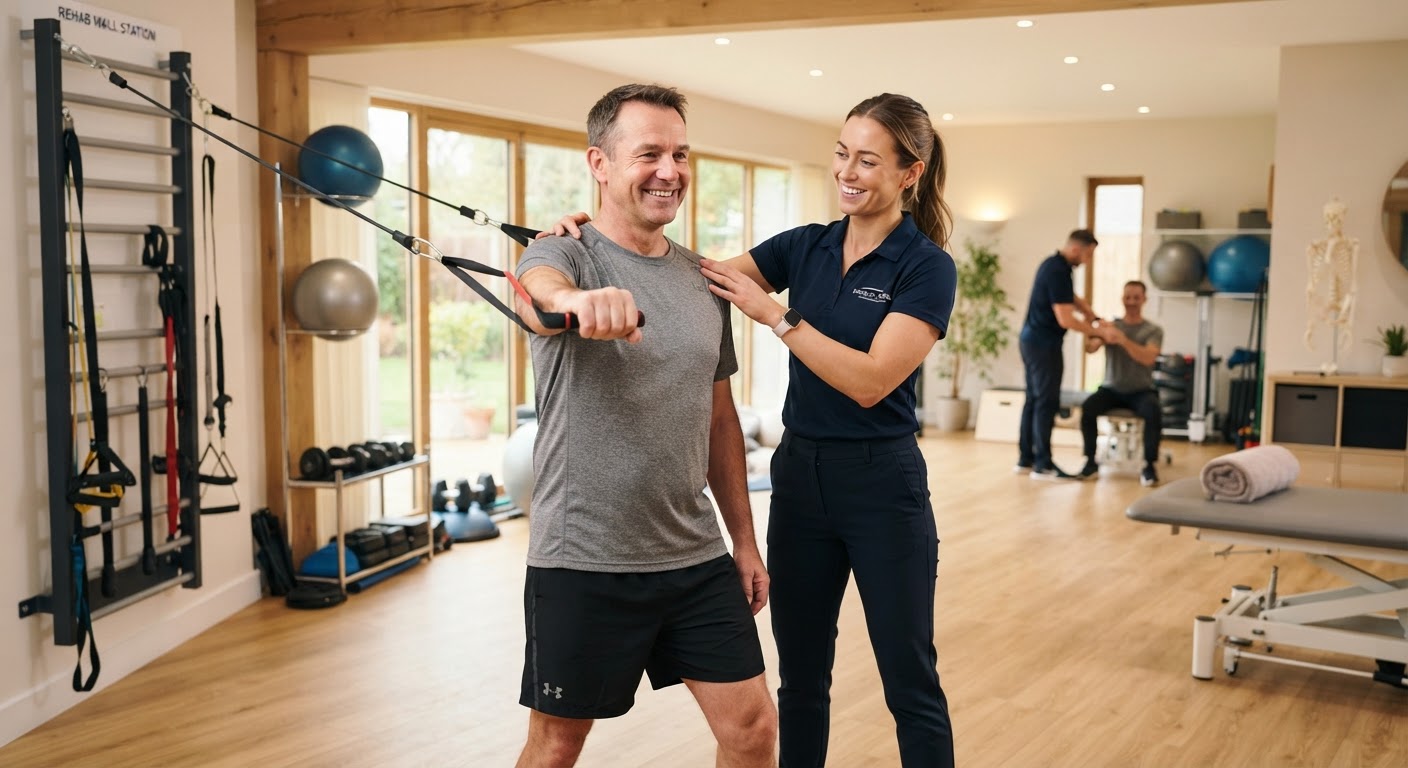
After surgery, the muscles around your knee, such as the quadriceps and hamstrings, will be weakened due to inactivity and trauma. Strengthening these muscles is vital for stability, balance, and the overall function of your new knee. Your physical therapy program will include: • Isometric exercises: Contracting muscles without moving the joint. • Progressive resistance exercises: Using resistance bands, light weights, or your body weight. • Functional exercises: Mimicking daily activities like sit-to-stands, stair climbing, and walking. 4. Improving Balance and Proprioception
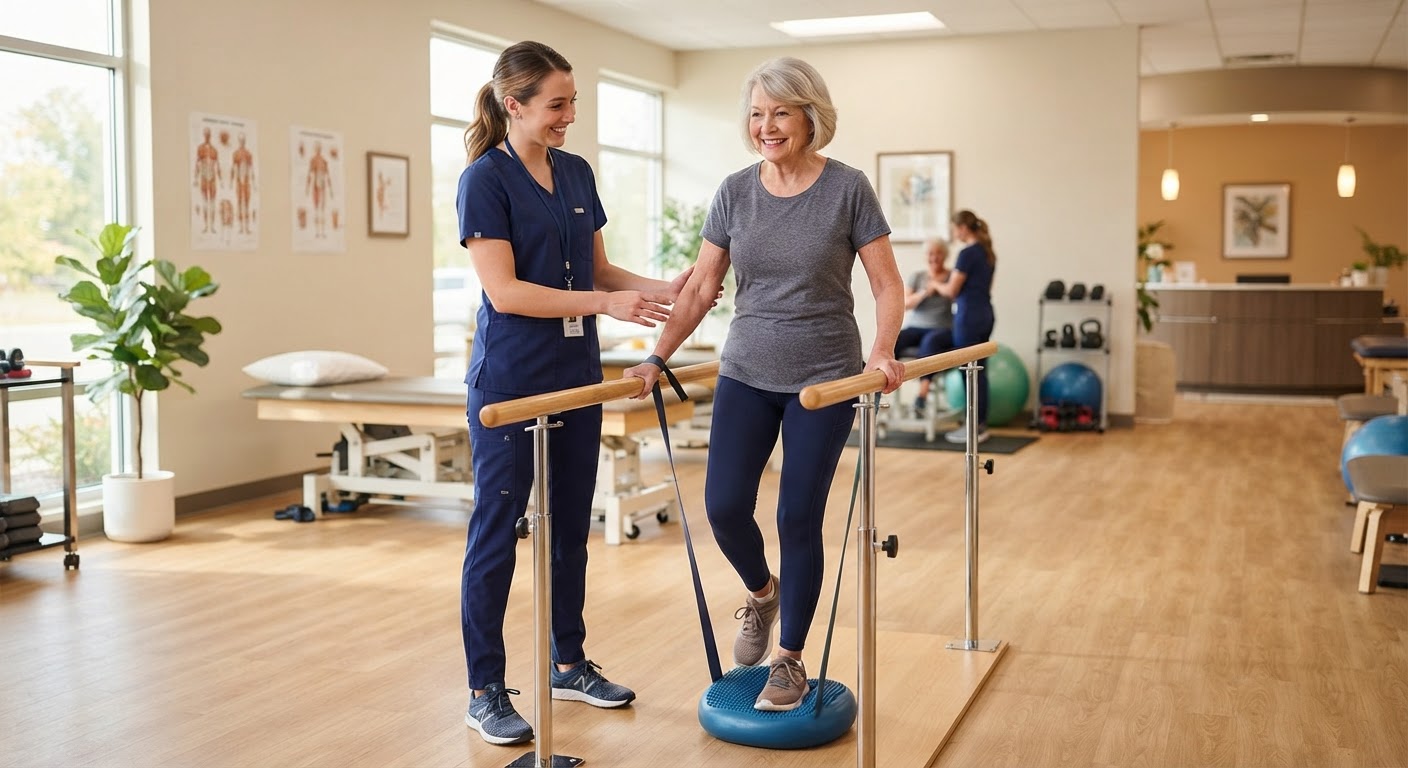
Your sense of balance (proprioception) can be affected after joint replacement surgery. Re-training your balance is essential to prevent falls and improve confidence in movement. Your therapist will incorporate exercises like: • Standing balance exercises: Progressing from two feet to single-leg stands. • Weight-shifting exercises: To promote equal weight distribution. • Dynamic balance activities: Such as walking on uneven surfaces or heel-to-toe walking. 5. Gait Training and Walking Mechanics
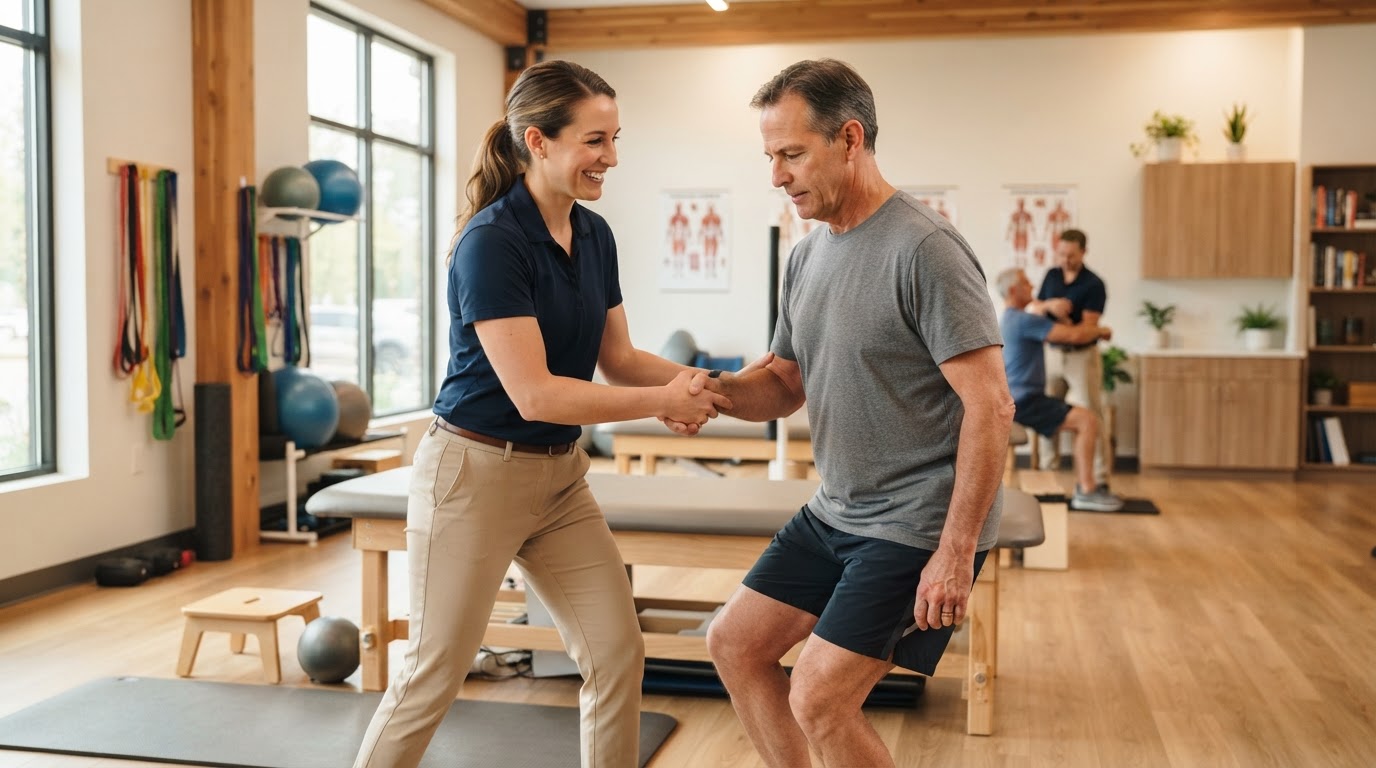
Learning to walk properly with your new knee is a cornerstone of recovery. Initially, you'll use assistive devices like a walker or crutches. Your physical therapist will teach you: • Proper weight-bearing techniques. • Correct walking patterns: Focusing on heel-to-toe strike and smooth motion. • Progression from assistive devices: Gradually transitioning to independent walking. • Stair negotiation: Safely ascending and descending stairs. 6. Education and Home Exercise Program (HEP)
An essential part of physical therapy is empowering you with the knowledge and tools to manage your recovery at home. Your therapist will educate you on: • Activity modifications: What to avoid and what to gradually incorporate. • Precautions: Specific movements or positions to protect your new joint. • A personalized home exercise program: To continue your rehabilitation between clinic visits. 7. scar tissue management
Proper scar management is important for comfort and preventing restrictions in movement. Your physical therapist may use techniques to help soften and mobilize the scar tissue around your incision, which can improve flexibility and reduce discomfort. Practical Tips for Your TKR Recovery Journey • Be Patient and Consistent: Recovery is a marathon, not a sprint. Adhere to your physical therapy schedule and home exercises diligently. • Communicate with Your Therapist: Don't hesitate to discuss pain, concerns, or questions with your physical therapist. They are there to help tailor your program. • Manage Your Environment: Remove tripping hazards at home, ensure good lighting, and have support available. • Stay Hydrated and Eat Nutritiously: Proper nutrition supports healing and muscle recovery. • Listen to Your Body: While pushing yourself is necessary, overdoing it can set you back. Find a balance. Why Choose Physical Therapy NOW™ in Weston, FL?
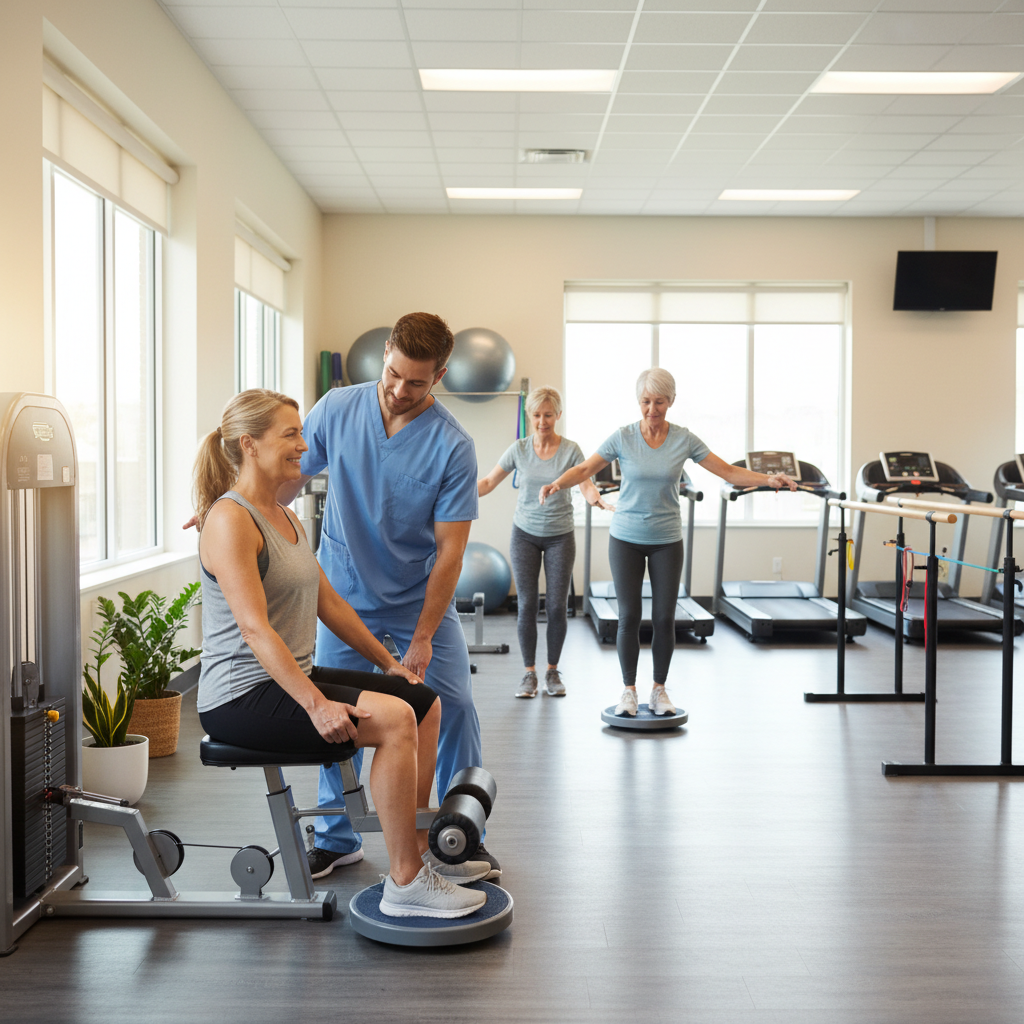
At Physical Therapy NOW™, our team of highly skilled and compassionate physical therapists specializes in post-surgical rehabilitation, including total knee replacements. We are dedicated to providing individualized care tailored to your unique needs and recovery goals. Our clinic in Weston, FL, is equipped with state-of-the-art facilities to support your journey back to full function.
We don't just treat the knee; we empower you with the knowledge and tools to take control of your long-term health and well-being. Our holistic approach ensures that you not only regain strength and mobility but also understand how to maintain it for years to come. From your first evaluation to your final rehabilitation session, you'll experience personalized attention and expert guidance from a team that genuinely cares about your outcome. Reclaim Your Active Life
A total knee replacement offers a remarkable opportunity to escape chronic pain and return to the activities you love. However, the success of this life-changing surgery is profoundly amplified by a well-executed physical therapy program. By committing to your rehabilitation at Physical Therapy NOW™ in Weston, you are investing in a future of improved mobility, reduced pain, and a higher quality of life.
Don't let pain limit your potential any longer. Take the first step towards a stronger, more mobile you. Call Physical Therapy NOW™ in Weston, FL, today at [Insert Phone Number Here] or visit our clinic to schedule your initial consultation. Let us help you navigate your total knee replacement recovery with confidence and expertise!
Ready to start feeling better?
Physical Therapy NOW™ has 40+ Florida locations with same-week appointments. Most insurance, auto accident (PIP), workers' compensation and Medicare accepted.