How Physical Therapy Helps Workers’ Compensation Recovery
A work injury can affect more than your ability to do your job. Pain, stiffness, and reduced strength may also make everyday activities harder. Physical therapy is an important part of many workers’ compensation recovery plans, helping injured employees rebuild function and work toward a safe return to their usual responsibilities.
At Physical Therapy NOW™ in Doral, FL, care is tailored to your injury, symptoms, and work demands. Understanding what to expect from rehabilitation can help you take an active role in recovery and communicate clearly with your care team.
Why Physical Therapy Matters After a Work Injury
Work injuries can happen suddenly, such as a fall or lifting injury, or develop gradually from repeated motions and prolonged positions. Depending on the injury, you may experience pain, swelling, limited mobility, weakness, or difficulty completing tasks at work and home.
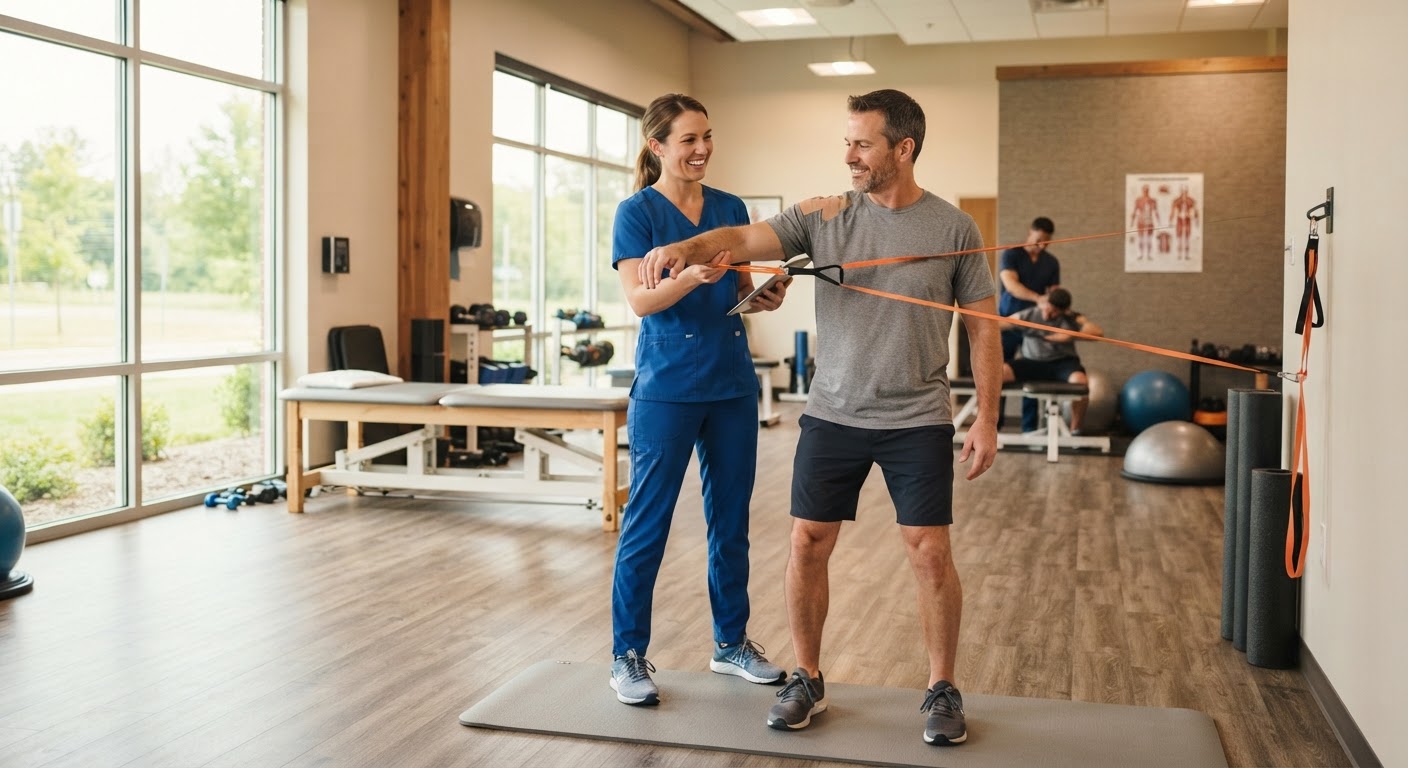
Physical therapy focuses on improving how your body moves and functions. Your therapist evaluates your current abilities and limitations, then develops a plan based on your needs and the guidance of your referring medical provider. Treatment may include therapeutic exercise, mobility work, balance training, hands-on techniques, and education about managing symptoms.
The goal is not simply to reduce discomfort for a short time. A well-planned rehabilitation program also works to improve strength, coordination, flexibility, and confidence with the movements your job requires. Your progress is monitored so your care can be adjusted as your abilities change.
Supporting Pain Relief And Restoring Function
Pain can make it tempting to avoid movement altogether. While rest may be appropriate for some injuries or during certain stages of healing, too little movement for too long can contribute to stiffness and loss of strength. A physical therapist can help you understand which activities are appropriate and how to progress gradually without pushing beyond your current capacity.
Your treatment may begin with gentle movements and basic exercises. As you improve, your therapist may introduce activities that build endurance, balance, and strength. For example, a person who lifts at work may practice safe lifting mechanics and build capacity for repeated bending or carrying. Someone who stands for long periods may work on lower-body strength, mobility, and strategies for changing positions.
Pain relief is often one part of recovery, but it is not the only measure of progress. Improvements may also include greater range of motion, less difficulty with daily tasks, and increased tolerance for work-related activity. Tell your therapist which movements aggravate your symptoms and what tasks you need to perform. This information helps the care team make your program more relevant to your daily life.
Building A Plan Around Your Work Demands
No two jobs place exactly the same demands on the body. A desk-based role may involve prolonged sitting and repetitive computer use, while a physically active job may require climbing, carrying, reaching, or standing for much of the day. Your rehabilitation plan should take these demands into account.
Be specific when describing your job. Explain which tasks feel difficult, how long you need to perform them, and whether your duties can be temporarily modified. Your therapist can use this information to guide functional training and discuss practical ways to move more comfortably. When appropriate, your care team may coordinate with your referring provider and other parties involved in your workers’ compensation claim.
Return-to-work decisions should follow the recommendations of the professionals overseeing your case and the applicable claim process. Do not change work restrictions or resume strenuous tasks based only on a temporary decrease in pain. Ask your provider or therapist how to follow your current restrictions and what signs should prompt you to pause an activity.
Practical Ways To Support Your Recovery
Keep your appointments and follow your home exercise plan as instructed. Consistency can help you build on the work completed during treatment, but exercises should be performed within the guidance you have received. If an exercise causes unexpected or worsening symptoms, contact your therapist for direction rather than trying to force your way through it.
Track how you feel during different activities. Note which tasks are comfortable, which cause symptoms, and how long it takes you to recover afterward. Sharing these observations can help your therapist adjust your program and identify patterns.
Use the movement strategies you practice in therapy during everyday activities. This may include changing positions regularly, using a stable stance when lifting, or breaking a demanding task into manageable steps. Follow any medical instructions about rest, medication, or activity limits, and ask questions if instructions are unclear.
Communication is also part of an effective recovery plan. Let your therapist know about changes in pain, new symptoms, missed exercises, or concerns about returning to work. Keep relevant appointments and paperwork organized, and follow the communication process provided for your workers’ compensation claim.
What To Expect From Physical Therapy
Your first visit typically includes a discussion of your injury and health history, your symptoms, and the activities you want to resume. Your therapist may assess movement, strength, balance, or other areas related to your condition. Based on that evaluation, you can discuss goals and a treatment approach that fits your needs.
Progress can vary based on the type and severity of the injury, your overall health, job requirements, and how your body responds to care. Some days may feel easier than others. A gradual, consistent approach helps your care team assess what is working and make appropriate changes. If you have questions about authorization, scheduling, or claim-related steps, ask the clinic team how to coordinate with the people managing your case.
Start Your Recovery With Support
Recovering from a work injury can take patience, but you do not have to navigate every movement and activity on your own. Physical therapy can provide a structured path toward pain relief, improved function, and a safer return to work. Physical Therapy NOW™ offers rehabilitation support at its Doral location in Doral, FL, with care focused on your individual needs and goals.
If you have a work-related injury, contact or visit Physical Therapy NOW™ at the Doral location to ask about scheduling and next steps. Call the clinic to discuss how physical therapy may fit into your workers’ compensation recovery plan.
Ready to start feeling better?
Physical Therapy NOW™ has 40+ Florida locations with same-week appointments. Most insurance, auto accident (PIP), workers' compensation and Medicare accepted.