Physical Therapy vs Surgery: When to Choose Conservative Care
When pain or limited movement interferes with daily life, it can be tempting to look for a quick fix. Surgery may be the right choice for some conditions, but it is not always the first or only option. Depending on your diagnosis, symptoms, health, and goals, physical therapy and other conservative treatments may help reduce pain, restore function, and clarify whether surgery is necessary.
At Physical Therapy NOW™ in The Villages, FL, patients can discuss movement concerns and explore a personalized rehabilitation plan. Understanding what conservative care can and cannot do is an important part of making a confident decision with your healthcare provider.
What Conservative Care Means
Conservative care refers to nonsurgical treatment intended to manage symptoms and improve function. It may include physical therapy, a home exercise program, activity adjustments, education, and other treatments recommended by your medical team. The specific approach depends on the cause of the problem. A plan for knee pain, for example, will differ from one for shoulder stiffness or back pain.
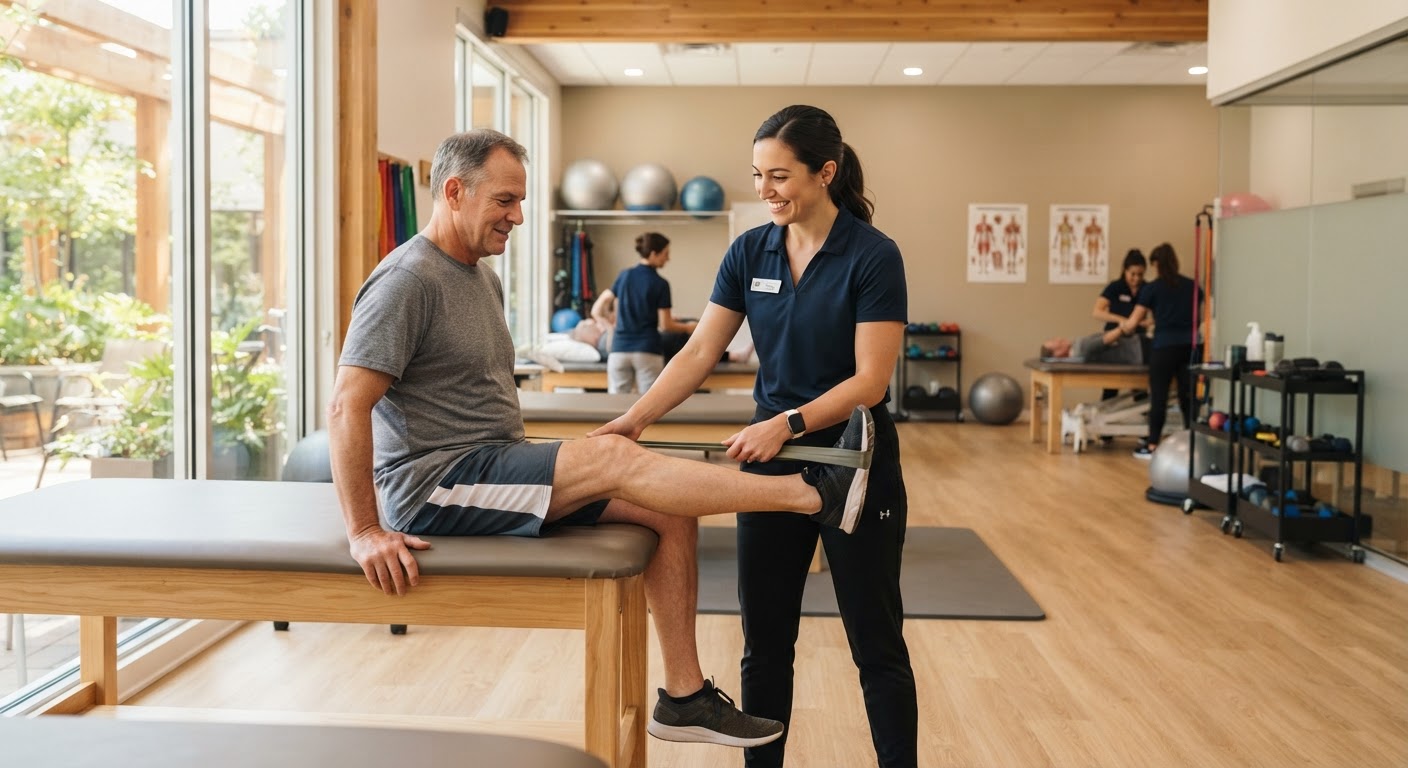
Physical therapy typically starts with an evaluation of your movement, strength, flexibility, balance, symptoms, and relevant medical history. Your therapist uses that information to set goals with you and choose appropriate exercises and strategies. Treatment may progress as your ability and comfort change. Rehabilitation is not a one-size-fits-all routine, and it should be adjusted if symptoms worsen or your needs change.
When Physical Therapy May Be a Good First Step
Conservative care may be worth discussing when symptoms are mild to moderate, have developed gradually, or are related to weakness, stiffness, reduced mobility, or difficulty performing everyday activities. It may also be appropriate after an injury or as part of recovery following a medical procedure. Your clinician can help determine whether therapy is suitable for your specific diagnosis.
Physical therapy may focus on improving strength and joint control, restoring range of motion, practicing balance, and making daily movements more comfortable. A therapist can also help you identify activities that aggravate symptoms and suggest practical ways to modify them while you build capacity. The goal is not simply to avoid movement, but to find safe, appropriate ways to keep moving.
Some people also use rehabilitation before a planned operation. Improving strength, mobility, and confidence beforehand may help prepare them for the demands of recovery. Ask your surgeon and physical therapist whether preoperative therapy makes sense for you.
When Surgery May Be Considered
Surgery may be recommended when a condition is unlikely to improve adequately with nonsurgical care, when symptoms significantly limit daily life, or when a medical evaluation identifies a problem that requires an operation. In some cases, surgery is time-sensitive. New or worsening symptoms, certain serious injuries, or signs of nerve or circulation problems should be assessed promptly by a medical professional.
The decision is individual. It may depend on the diagnosis, the severity and duration of symptoms, your overall health, previous treatment, and what activities you need or want to return to. A physical therapist can support rehabilitation and explain movement-related findings, but cannot determine whether surgery is medically necessary. That decision should be made with the appropriate physician or surgeon.
Questions to Ask Before Choosing
Before deciding, ask your healthcare provider what is causing your symptoms and what options are appropriate. You might ask: What could happen if I wait? What are the likely benefits and risks of surgery in my case? Is a trial of physical therapy reasonable? How will we measure progress, and when should the plan be reassessed? What recovery demands should I expect with either approach?
If surgery has been proposed and you are unsure, ask whether a second opinion is appropriate. Bring a list of your symptoms, prior treatments, medications, and goals to appointments. Clear information can help you compare options without assuming that surgery is always necessary or that conservative care will work for everyone.
Practical Tips for Getting Started
Track your symptoms for a week or two, if it is safe to do so. Note when pain occurs, what activities affect it, and whether rest or movement changes it. Be specific about the tasks you want to regain, such as walking comfortably, reaching overhead, or getting up from a chair.
Follow the exercise instructions provided by your clinician rather than copying a routine designed for someone else. Ask how often to exercise, what sensations are expected, and which symptoms mean you should stop and check in. Avoid pushing through sharp, escalating, or unusual pain without guidance. If symptoms change significantly, contact your healthcare provider.
Consistency matters, but so does pacing. Break demanding activities into manageable parts, take planned breaks when needed, and gradually increase activity according to your plan. Keep follow-up appointments so your therapist and medical team can review your response and adjust treatment.
A Personalized Path Forward
Physical therapy can be a useful part of conservative care for many movement-related problems, and it may offer a structured way to work toward pain relief and better function. It is not a guarantee that surgery can be avoided, nor is surgery a failure of conservative treatment. The right choice depends on your condition and personal goals, along with advice from qualified healthcare professionals.
Physical Therapy NOW™ can help you take the next step by evaluating your movement and discussing rehabilitation options in coordination with your healthcare team. If pain or limited mobility is affecting your routine, visit or call the The Villages location to ask about an appointment and find out how a personalized physical therapy plan may support your goals.
Ready to start feeling better?
Physical Therapy NOW™ has 40+ Florida locations with same-week appointments. Most insurance, auto accident (PIP), workers' compensation and Medicare accepted.