Physical Therapy vs Surgery: When to Choose Conservative Care
Pain can make everyday activities feel difficult, whether you are struggling to walk comfortably, lift your arm, or get a good night’s sleep. If you are weighing physical therapy against surgery, it is natural to want a clear answer. The right choice depends on your diagnosis, symptoms, health, goals, and the options recommended by your healthcare team.
For many musculoskeletal problems, a guided course of conservative care may be a reasonable first step. Physical therapy can help improve mobility, strength, balance, and function while supporting pain relief. It is not the right solution for every condition, but learning what it involves can help you make a more informed decision.
What Conservative Care Means
Conservative care is treatment that does not involve surgery. Depending on your needs, it may include physical therapy, activity changes, education, prescribed medication, or other treatments recommended by a qualified healthcare professional. The aim is to address symptoms and improve function while monitoring how your condition responds.
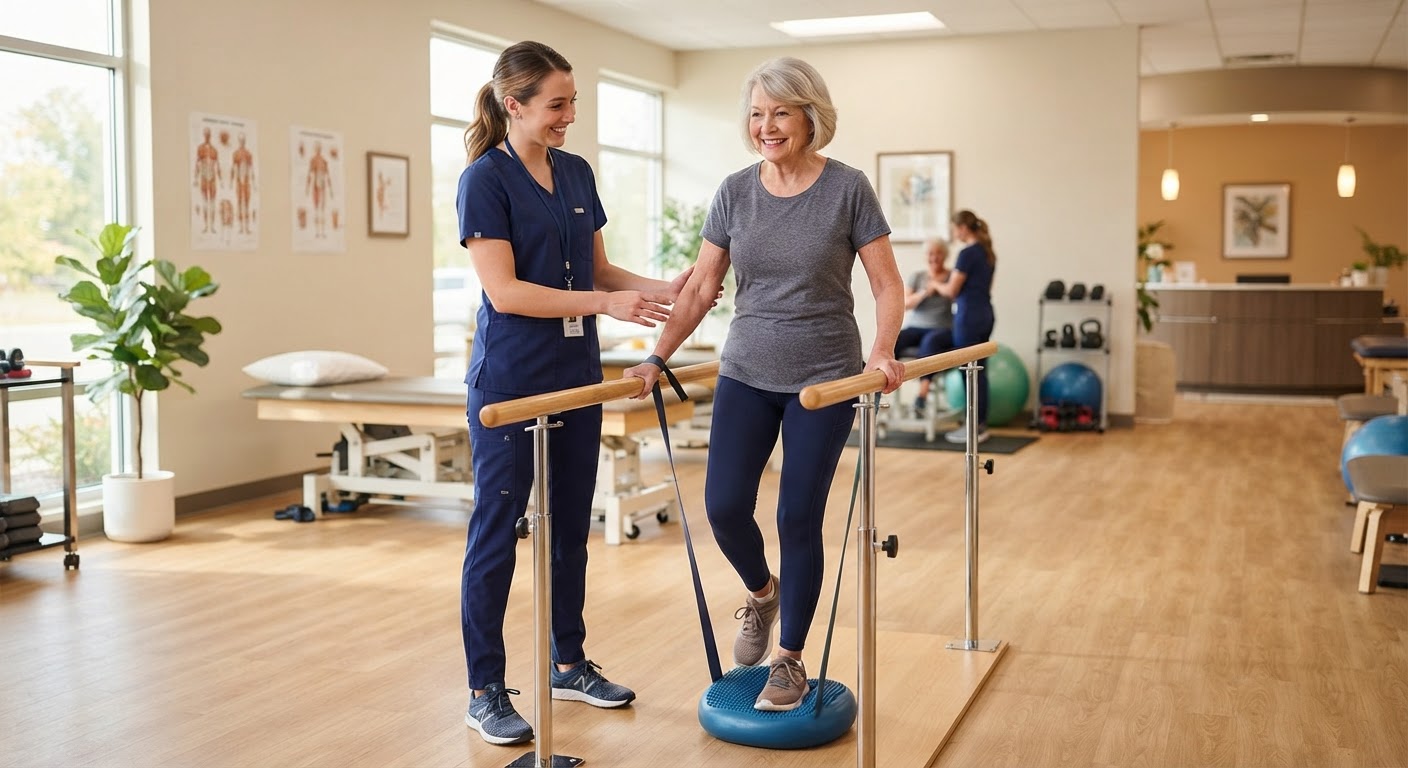
Physical therapy is often tailored to the individual. A therapist may assess how you move, review your relevant health history, and discuss the activities you want to return to. Your plan might include therapeutic exercises, hands-on techniques when appropriate, balance or movement training, and advice for managing activity at home. Rehabilitation is generally a gradual process: exercises and activities can be adjusted as your abilities and symptoms change.
When Physical Therapy May Be Worth Considering
A physical therapy evaluation may be helpful when pain, stiffness, weakness, or reduced balance is making daily life harder. A healthcare professional may recommend conservative care for certain joint, muscle, or tendon problems, as well as for some forms of back or neck pain. Physical therapy may also be part of recovery after an injury or surgery.
You may want to ask about physical therapy if you are hoping to improve walking, return to exercise, manage symptoms during routine tasks, or build strength and confidence in movement. In some cases, a supervised rehabilitation program can help clarify what movements are comfortable and which activities need to be modified.
It is important to have a suitable diagnosis and plan. A therapist can evaluate movement and discuss whether therapy appears appropriate, but they do not replace a physician or surgeon for medical diagnosis or surgical decision-making. Your care team can help determine whether you should begin therapy, have further testing, or consult a specialist.
When Surgery May Be Considered
Surgery may be considered when a condition has not improved with appropriate nonsurgical care, when symptoms substantially limit daily function, or when a specific structural problem requires a surgical approach. The decision depends on the condition and the person—not simply on how severe pain feels on a particular day.
Ask your physician or surgeon what the procedure is intended to address, what alternatives exist, and what recovery may involve. You can also ask whether a trial of physical therapy is appropriate, how progress will be assessed, and whether rehabilitation will be needed before or after surgery. For some people, physical therapy is part of preparation for a procedure; for others, it supports recovery afterward.
A thoughtful conversation should include your priorities. For example, tell your care team which activities matter most to you, how long symptoms have been present, what you have already tried, and what concerns you have about surgery or rehabilitation. If you are uncertain, asking for another qualified medical opinion may help you understand your options.
Practical Steps Before Choosing
Start by writing down your symptoms and goals. Note when discomfort began, what makes it better or worse, and which daily activities are affected. Bring this information, along with a list of medications and relevant medical history, to your appointment.
Ask clear questions: What is the likely cause of my symptoms? Is physical therapy appropriate for me? What changes should I expect, and how will we measure progress? How long should I try conservative care before reviewing the plan? What symptoms should prompt me to contact a medical professional sooner?
If you begin therapy, follow the plan you and your therapist agree on. Practice home exercises as instructed rather than adding extra repetitions or pushing through sharp or worsening pain. Keep track of changes in movement, comfort, and daily function, and share them with your therapist. Consistency matters, but exercises should be adjusted if they cause concerning symptoms.
Seek urgent medical attention for symptoms such as sudden severe weakness, loss of bladder or bowel control, major injury, or other rapidly worsening or alarming changes. This list is not exhaustive. If you are unsure whether a symptom is urgent, contact a healthcare professional or emergency services for guidance.
A Personalized Path Toward Pain Relief
There is no one-size-fits-all choice between physical therapy and surgery. Conservative care may be a useful option for many people, while surgery may be appropriate for others. A coordinated discussion with your physician, surgeon, and physical therapist can help you weigh potential benefits, limitations, and next steps based on your individual situation.
At Physical Therapy NOW™ in The Villages, FL, the team can help you explore whether rehabilitation may fit your goals and discuss a personalized approach to movement and pain relief. If you are looking for physical therapy in The Villages, contact or visit the Physical Therapy NOW™ The Villages location to ask about an evaluation. Call today to take the next step toward moving with greater confidence.
Ready to start feeling better?
Physical Therapy NOW™ has 40+ Florida locations with same-week appointments. Most insurance, auto accident (PIP), workers' compensation and Medicare accepted.