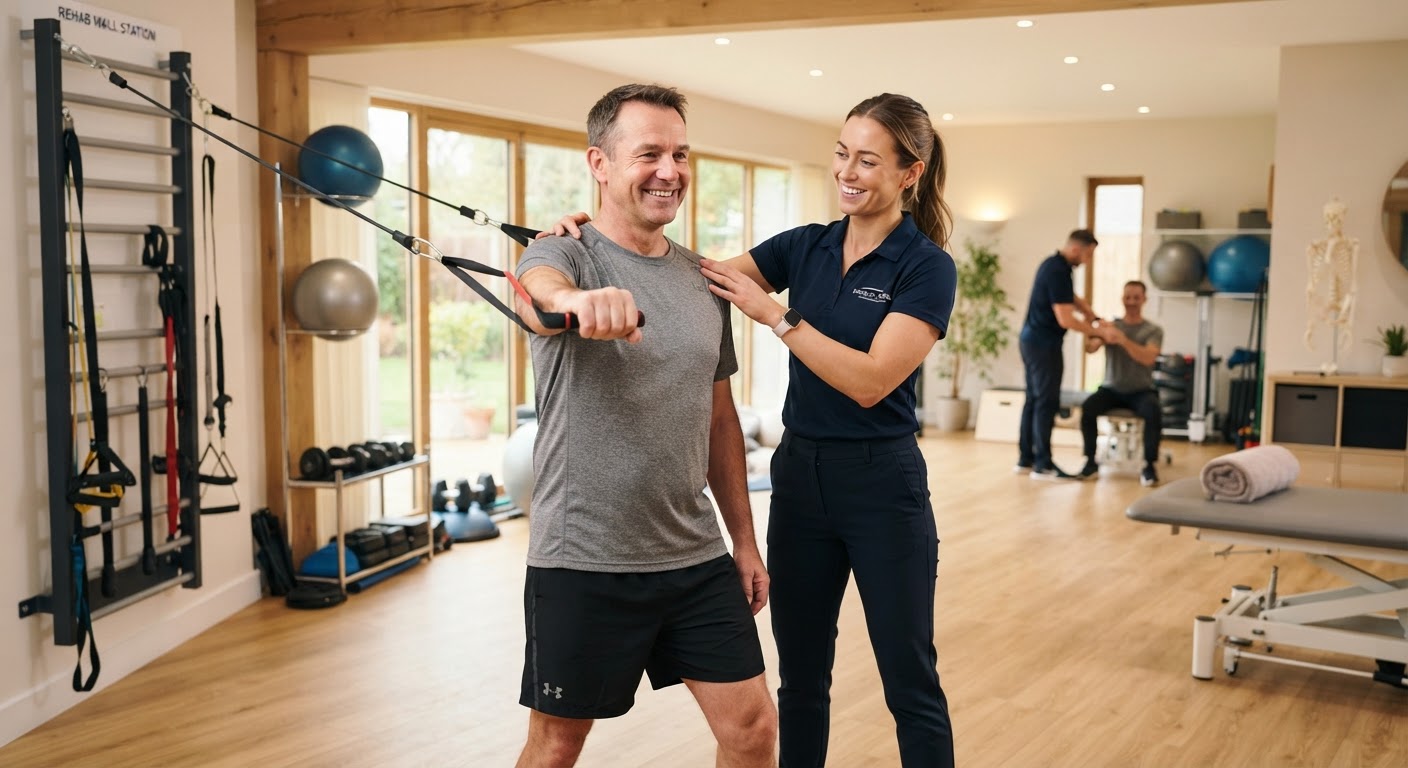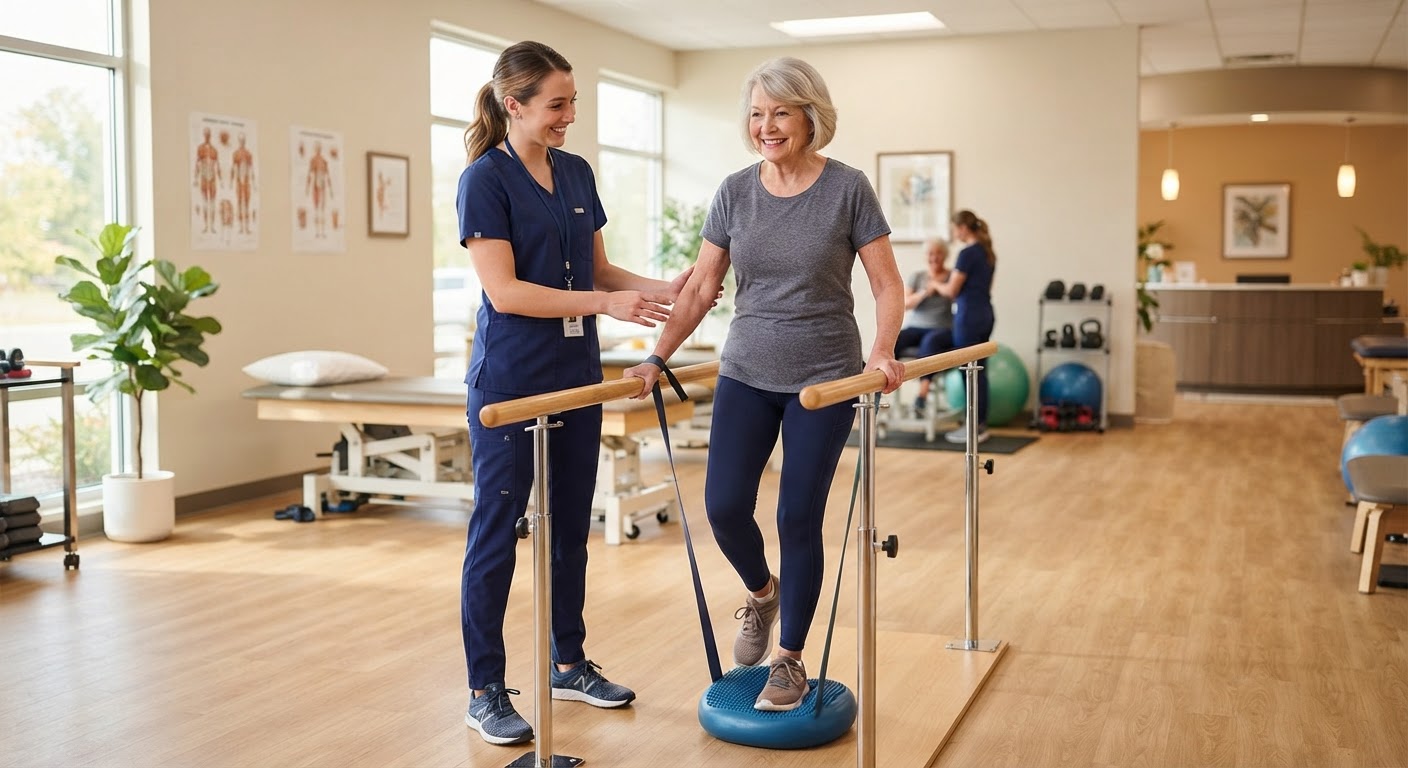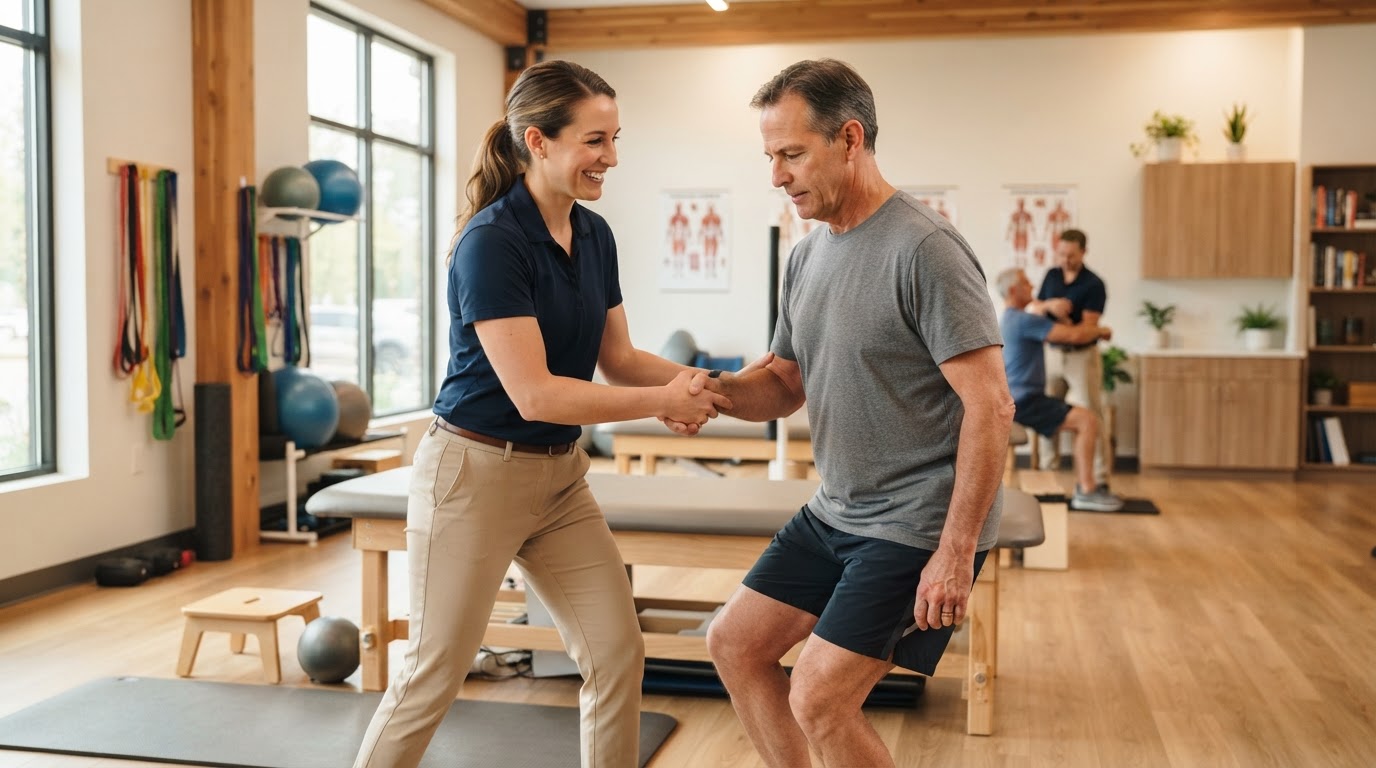
A total knee replacement, or total knee arthroplasty (TKA), is a life-changing procedure for individuals suffering from severe knee pain and debilitating stiffness, often due to osteoarthritis or significant knee injuries. While the surgery itself is a critical step, it's just the beginning of the journey toward recovery. The real magic happens during rehabilitation, and that's where a skilled physical therapist becomes your most valuable partner.
At Physical Therapy NOW™ in Miami, FL, specifically our Falls location, we understand the complexities of TKA recovery. Our personalized approach ensures you regain optimal function, reduce pain, and get back to enjoying life's activities with confidence. The Crucial Role of Physical Therapy Post-TKA
Many patients underestimate the importance of dedicated physical therapy after a total knee replacement. Without proper rehabilitation, the full benefits of the surgery may not be realized. Physical therapy isn't just about moving your new knee; it's a comprehensive program designed to: • Reduce Swelling and Pain: Manual therapy techniques, ice, and elevation are often used to manage post-surgical swelling and discomfort. • Restore Range of Motion: Early and consistent movement is key to preventing stiffness and scar tissue formation, ensuring your new knee can bend and straighten effectively. • Rebuild Muscle Strength: The muscles surrounding your knee (quadriceps, hamstrings, calves) will weaken after surgery. Targeted exercises are essential to regain their strength and support for the new joint. • Improve Balance and Proprioception: Your body's sense of position and movement (proprioception) can be affected. Balance training helps you feel more stable and reduces the risk of falls. • Enhance Gait and Walking Mechanics: Learning to walk naturally and efficiently again is a major goal. Therapists provide guidance on proper walking patterns, often starting with assistive devices and gradually progressing without them. • Increase Functional Independence: The ultimate aim is to help you perform daily activities—climbing stairs, getting in and out of a chair, walking long distances—with ease and confidence. What to Expect During Your Rehabilitation Journey
Your physical therapy journey at Physical Therapy NOW™ will be tailored to your specific needs, surgical protocol, and recovery pace. While every patient's experience is unique, here's a general overview of what you can expect: Immediately Post-Surgery (Hospital Stay / Early Outpatient)
Rehabilitation begins almost immediately after surgery, sometimes even on the same day. Early interventions focus on: • Gentle Range of Motion Exercises: Passive and active-assisted knee bends and straightening to prevent stiffness. • Ankle Pumps and Foot Circles: To improve circulation and prevent blood clots. • Muscle Activation: Gentle isometric exercises (contracting muscles without moving the joint) for the quadriceps and glutes. • Transfer Training: Learning safe techniques to move from bed to chair, often with assistance. • Ambulation Training: Taking your first steps with a walker or crutches, with emphasis on proper weight-bearing as advised by your surgeon. Weeks 1-6: Focus on Mobility and Initial Strength
During this phase, which often occurs at an outpatient clinic like Physical Therapy NOW™ at The Falls, the focus intensifies on improving knee flexion and extension, reducing swelling, and beginning to restore strength. • Progressive Range of Motion Exercises: Advancing exercises to achieve desired bending and straightening, often using stationary bikes or continuous passive motion (CPM) machines. • Strengthening Exercises: Gradually increasing resistance for exercises targeting the quadriceps, hamstrings, and gluteal muscles. • Gait Training: Refining your walking pattern without an assistive device, improving symmetry and endurance. • Balance Activities: Simple standing balance exercises. Weeks 7-12 and Beyond: Advanced Strengthening and Functional Return
This stage builds on the foundational work, pushing towards greater strength, endurance, and functional abilities. • Advanced Strengthening: Incorporating exercises like squats (modified as needed), lunges, step-ups, and calf raises. • Higher-Level Balance Training: Including activities on unstable surfaces, single-leg stance, and dynamic balance drills. • Endurance Training: Continuing with walking, cycling, or swimming to improve cardiovascular health and muscular endurance. • Activity-Specific Training: If you have specific hobbies or activities you want to return to (e.g., golf, hiking), your therapist will incorporate exercises that mimic those movements. Practical Tips for a Successful Recovery
To maximize your rehabilitation and achieve the best possible outcome from your knee replacement, consider these tips:
1. Commit to Your Exercises: Consistency is key. Follow your home exercise program diligently, even on days you don't have therapy. 2. Manage Pain Effectively: Don't let pain derail your progress. Communicate with your medical team about pain management strategies, and don't push through severe pain during exercises. 3. Use Ice and Elevation: Regularly apply ice packs and elevate your leg to help reduce swelling and discomfort. 4. Maintain a Healthy Diet: Proper nutrition supports healing and provides the energy you need for recovery. 5. Stay Hydrated: Water is essential for all bodily functions, including tissue repair. 6. Avoid High-Impact Activities (Initially): Listen to your therapist and surgeon regarding weight-bearing restrictions and activities to avoid to protect your new joint. 7. Wear Comfortable, Supportive Shoes: Good footwear can improve stability and reduce strain on your knee. 8. Prepare Your Home: Remove tripping hazards, ensure good lighting, and arrange frequently used items within easy reach before surgery. 9. Ask Questions: Don't hesitate to ask your physical therapist or surgeon about anything you don't understand or are concerned about. Why Choose Physical Therapy NOW™ for Your TKA Recovery?
At Physical Therapy NOW™, our team of highly skilled and compassionate physical therapists specializes in post-surgical rehabilitation. We pride ourselves on offering: • Individualized Treatment Plans: Developed specifically for you, based on your surgeon's protocols and your personal goals. • Experienced Therapists: Our therapists are experts in orthopedic rehabilitation, staying current with the latest evidence-based practices. • State-of-the-Art Facilities: Equipped with specialized equipment to aid in your recovery. • Supportive Environment: We foster a positive and encouraging atmosphere to help you push through challenges. • Convenient Location: Our The Falls location in Miami, FL, makes accessing top-tier care easy.
A total knee replacement is an investment in your well-being. Partnering with a dedicated physical therapy team is the best way to ensure that investment pays off, helping you return to a life free from chronic knee pain.
Ready to take the next step in your TKA recovery?
Contact Physical Therapy NOW™ today at our Miami Falls location to schedule your initial consultation. Let us help you regain your strength, mobility, and independence. Call us at [Insert Phone Number Here] or visit our clinic at [Insert Address Here] to start your journey back to a pain-free, active life.
Ready to start feeling better?
Physical Therapy NOW™ has 40+ Florida locations with same-week appointments. Most insurance, auto accident (PIP), workers' compensation and Medicare accepted.