Reclaiming Your Stride: How Physical Therapy Propels Total Knee Replacement Recovery
Total knee replacement (TKR), or total knee arthroplasty, is a life-changing procedure for individuals suffering from severe knee pain and disability, often caused by osteoarthritis, rheumatoid arthritis, or post-traumatic arthritis. While the surgery itself is a significant step, it's just the beginning of your journey toward a pain-free, active life. The true success of a total knee replacement hinges critically on the rehabilitation that follows. This is where the expertise of a dedicated physical therapist becomes indispensable.
At Physical Therapy NOW™ in Lauderhill, FL, we understand that recovering from a total knee replacement is a unique and personal experience. Our specialized team is committed to guiding you through every phase of your recovery, ensuring you regain strength, mobility, and confidence. Let's delve into the vital role physical therapy plays in achieving an optimal outcome after knee replacement surgery. Understanding Total Knee Replacement
Before we explore the 'how,' it's helpful to understand the 'what.' A total knee replacement involves removing damaged bone and cartilage from your thighbone (femur), shinbone (tibia), and kneecap (patella) and replacing them with artificial components made of metal alloys, high-grade plastics, and polymers. This new joint is designed to restore function and alleviate pain. However, immediately after surgery, swelling, pain, and stiffness are common, and the muscles surrounding the knee will be weakened due to the surgery and disuse. The Critical Role of Pre-Operative Physical Therapy
While most people focus on post-operative care, pre-operative physical therapy can significantly enhance your recovery. Often referred to as "prehab," this phase aims to strengthen the muscles around the knee, improve overall fitness, and educate you on what to expect after surgery. Patients who undergo prehab often experience: • Reduced Post-Operative Pain: Stronger muscles can better support the new joint. • Faster Recovery: A higher baseline of strength and mobility can accelerate rehabilitation. • Increased Confidence: Understanding the process and having a plan reduces anxiety.
Your physical therapist can teach you exercises, proper crutch or walker use, and techniques for navigating stairs or getting in and out of bed, preparing you mentally and physically for the challenges ahead. Post-Operative Physical Therapy: The Core of Your Recovery
This is where the bulk of your rehabilitation takes place. Beginning as early as the day of surgery, your physical therapy regimen is meticulously designed to achieve several critical goals: 1. Pain Management and Swelling Reduction
Initial sessions focus on managing post-surgical pain and swelling, which are natural responses to the procedure. Your therapist will use modalities such as ice, gentle massage, and elevation techniques. They will also instruct you on safe movement to prevent unnecessary discomfort while encouraging circulation. 2. Restoring Range of Motion (ROM)
Regaining full knee extension (straightening) and flexion (bending) is paramount. Without adequate range of motion, daily activities like walking, climbing stairs, or sitting comfortably become difficult. Your therapist will guide you through progressive exercises, including: • Ankle Pumps: To prevent blood clots and encourage circulation. • Gentle Knee Bends: Active and passive exercises to gradually increase flexion. • Knee Straightening Exercises: Essential for a smooth gait. • Heel Slides: A foundational exercise for increasing knee flexion.
These exercises are crucial for preventing scar tissue from limiting your movement and ensuring the new joint functions optimally. 3. Strengthening Surrounding Muscles
Surgery can weaken the quadriceps, hamstrings, and calf muscles. Your physical therapist will prescribe a progressive strengthening program to rebuild these muscles, providing stability and support for your new knee. Exercises may include: • Quadriceps Sets: Activating the thigh muscle. • Gluteal Sets: Strengthening the buttock muscles for hip and knee stability. • Straight Leg Raises: To strengthen the quadriceps without putting stress on the knee. • Wall Slides: A controlled way to build quad strength and knee flexion. • Step-Ups/Downs: As your strength improves, these functional exercises mimic daily activities. 4. Improving Balance and Proprioception
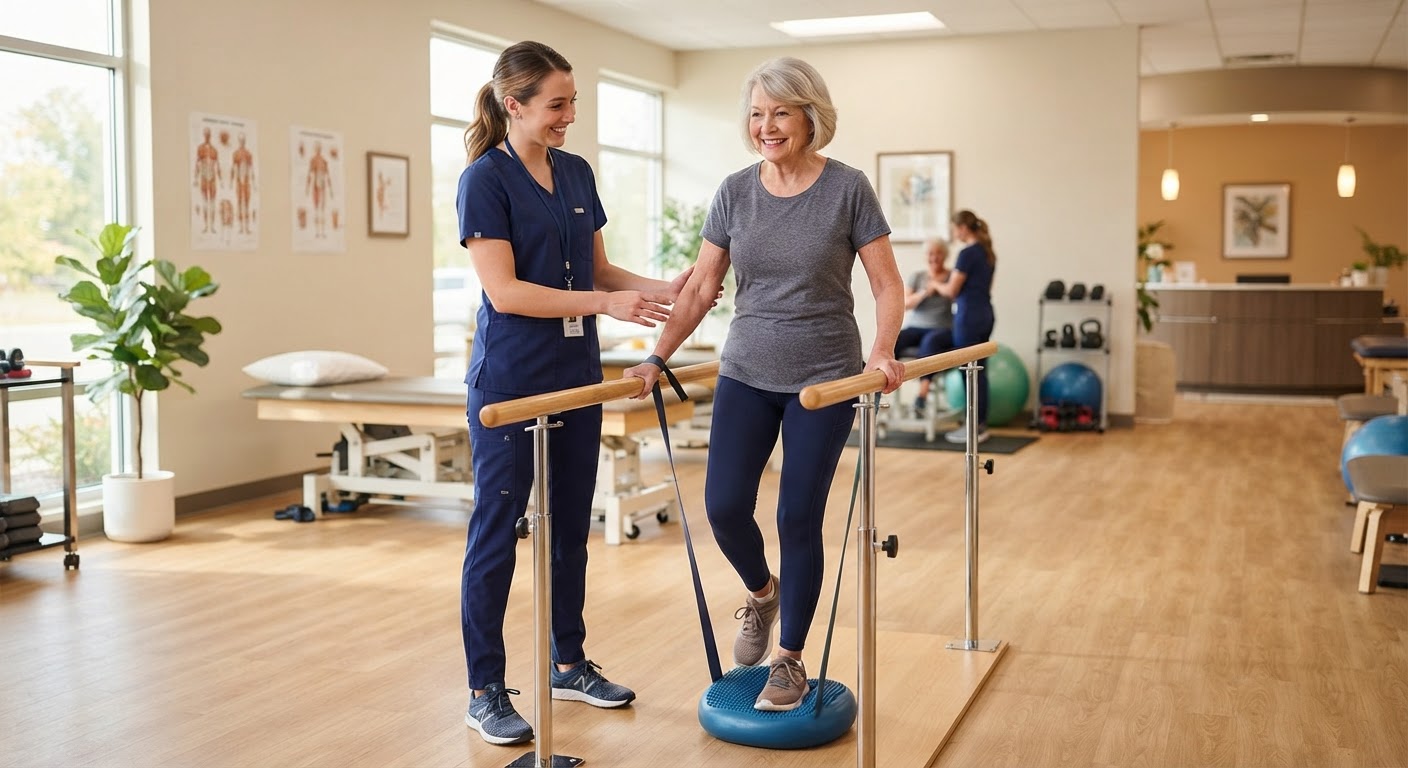
Proprioception, your body's sense of its position in space, can be affected by joint replacement. Your therapist will incorporate balance exercises to improve your stability and reduce your risk of falls. This is especially important as you transition from using walking aids to independent ambulation. Exercises might include single-leg standing, tandem walking, and exercises on uneven surfaces or balance boards. 5. Gait Training and Functional Mobility
Learning to walk correctly with your new knee is a key objective. Your physical therapist will help you progress from using a walker or crutches to a cane, and eventually, to walking independently with a normal gait pattern. They will also assist with: • Stair Climbing: Teaching proper techniques for ascending and descending. • Transfer Training: Safely getting in and out of chairs, cars, and bed. • Standing Tolerance: Increasing your ability to stand for longer periods. 6. Education and Home Exercise Program (HEP)
A significant part of physical therapy involves educating you on how to manage your recovery at home. Your therapist will provide a personalized home exercise program, demonstrating each exercise to ensure correct form. They will also advise you on: • Activity Modification: How to safely perform daily tasks and return to hobbies. • Ergonomics: Proper body mechanics to protect your new joint. • Long-Term Care: Tips for maintaining knee health and recognizing potential issues.
Adherence to your HEP is vital for continued progress and long-term success, even after your formal therapy sessions conclude. Why Choose Physical Therapy NOW™ in Lauderhill, FL?
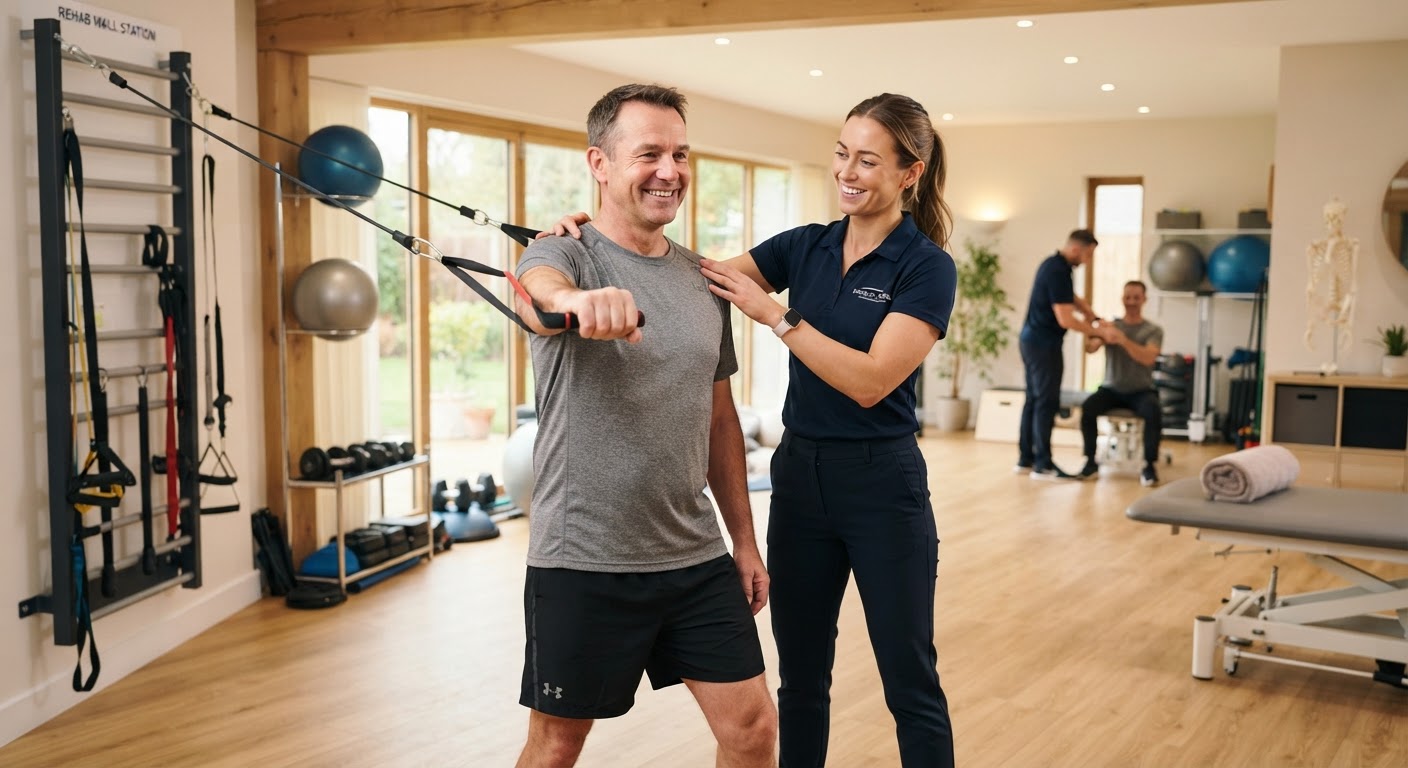
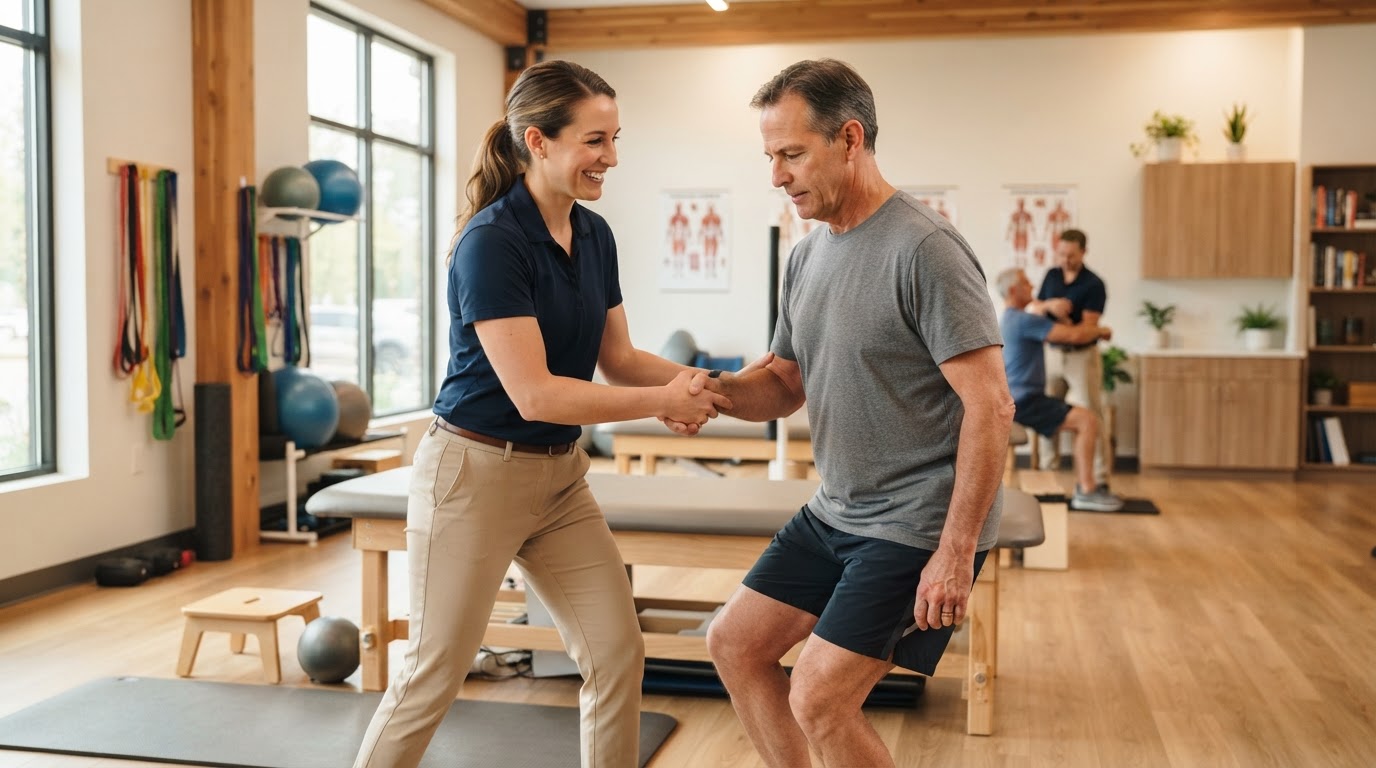
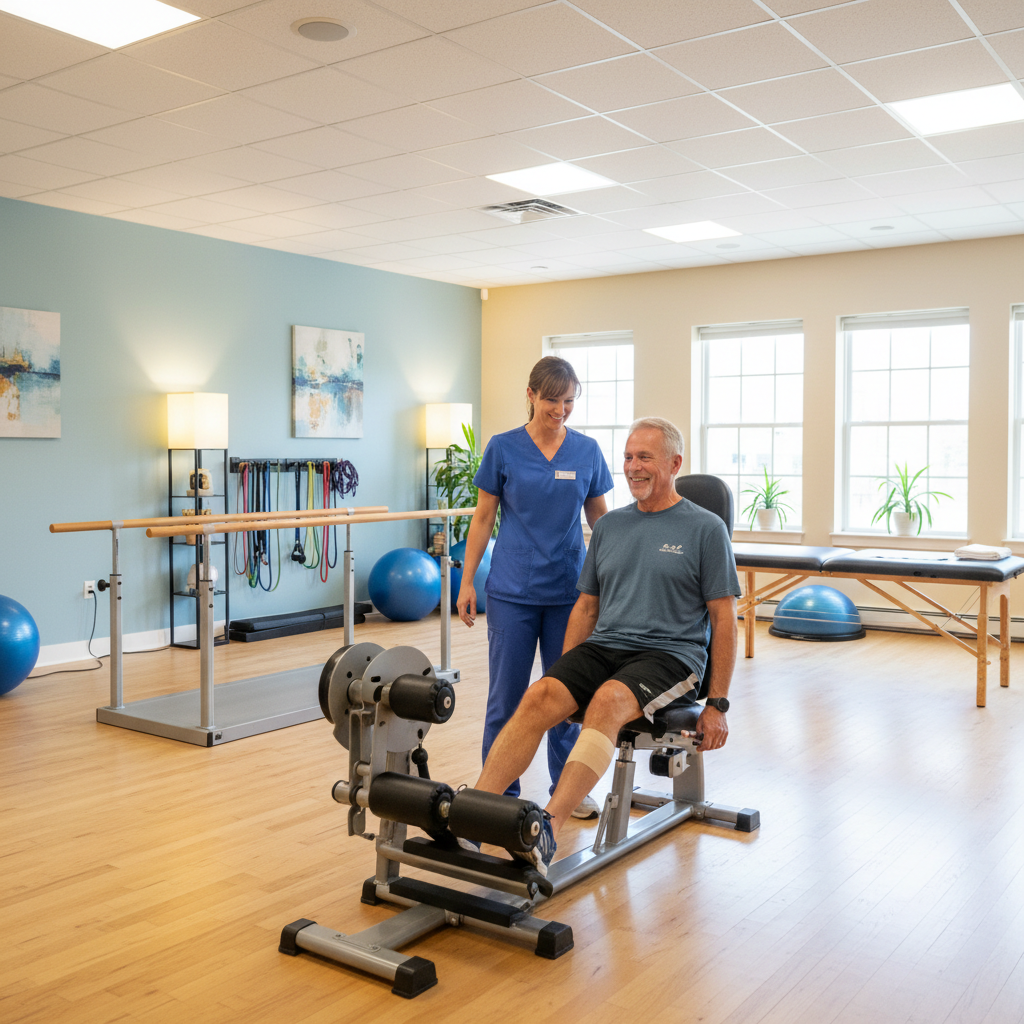
Our clinic at the Sunrise location of Physical Therapy NOW™ is equipped with state-of-the-art facilities and staffed by highly skilled and compassionate physical therapists. We pride ourselves on offering: • Personalized Treatment Plans: Every patient receives a tailored program based on their specific needs, surgical approach, and recovery goals. • One-on-One Attention: Our therapists work closely with you, providing hands-on care and constant support. • Experienced Professionals: Our team specializes in orthopedic rehabilitation, including extensive experience with total knee replacement recovery. • Collaborative Care: We work in close communication with your orthopedic surgeon to ensure a seamless and coordinated recovery process.
We understand that the road to recovery can be challenging, but with the right guidance, dedication, and support, you can achieve remarkable results. Our goal is not just to get you back on your feet, but to help you return to the activities you love with greater ease and less pain. Practical Tips for a Successful Recovery • Be Patient and Consistent: Recovery is a marathon, not a sprint. Consistency with your exercises and therapy appointments is key. • Manage Your Pain: Follow your surgeon's and therapist's recommendations for pain medication to allow you to participate effectively in therapy. • Listen to Your Body: While pushing yourself is necessary, it's also important to recognize when to rest. Communicate any discomfort to your therapist. • Stay Hydrated and Eat Nutritiously: Proper nutrition supports healing and muscle repair. • Wear Supportive Footwear: Comfortable, supportive shoes can aid in balance and reduce stress on your knee. • Create a Safe Home Environment: Remove tripping hazards, ensure good lighting, and have assistive devices readily available. Your Future Awaits
A total knee replacement is an investment in your future health and quality of life. Physical therapy is the bridge that connects the surgical procedure to your full recovery. By diligently following your personalized treatment plan, you are laying the groundwork for a future free from debilitating knee pain, where you can walk, move, and live more actively.
Don't let post-surgical uncertainty keep you from achieving your best possible outcome. Take the proactive step towards a stronger, more mobile you. Ready to Reclaim Your Mobility?
If you're preparing for or recovering from a total knee replacement, let the experts at Physical Therapy NOW™ guide you. Our dedicated team at the Sunrise location in Lauderhill, FL, is ready to help you navigate your rehabilitation journey with confidence and expertise. Contact us today to schedule your consultation and take the first step towards a successful recovery. Visit our clinic or call us to learn more about how we can help you get back to living your life to the fullest!
Ready to start feeling better?
Physical Therapy NOW™ has 40+ Florida locations with same-week appointments. Most insurance, auto accident (PIP), workers' compensation and Medicare accepted.